When can babies have butter?
From around 6 months, you can introduce a little unsalted butter mixed into other foods when your baby shows signs of readiness for solids. WHO and NHS advise starting complementary foods at about 6 months, and the AAP no longer recommends delaying common allergens like dairy.
Butter is not a suitable main milk drink. Cow’s milk as a drink should wait until 12 months, per AAP, WHO, and NHS guidance. Choose pasteurized, unsalted butter, offer small amounts, and avoid if your baby has a diagnosed cow’s milk protein allergy unless your clinician advises otherwise.
How to serve butter safely
6 to 9 months: Use a thin smear of unsalted butter on soft foods like warm vegetables, oatmeal, lentils, or soft toast fingers. Cut toast or bread into 4 to 5 cm finger shapes about 1 to 2 cm wide so baby can grasp and gnaw. Avoid blobs or hard cold chunks.
9 to 12 months and beyond: Continue thin layers. You can dot pea‑sized amounts on pancakes, pasta, or veggies once your baby has a pincer grasp, or melt into dishes for moisture. Keep pieces soft and pass the squish test, and keep portions small because butter is high in saturated fat.
Nutritional benefits of butter
- 💚Energy dense fat that can boost calories during rapid growth.
- 💚Dietary fat supports brain and nervous system development in infancy.
- 💚Contains vitamin A, which supports vision and immune function.
- 💚Helps the body absorb fat‑soluble vitamins present in other foods.
- 💚Adds flavor and moisture, which can help babies accept new textures.
Safety considerations
- ✓Choking prevention: butter itself is soft, but serve it as a thin smear on soft foods. Cut bread or toast into 4 to 5 cm finger shapes 1 to 2 cm wide for beginners. After a reliable pincer grasp, offer pea‑sized pieces. All foods should pass the squish test between your fingers.
- ✓Allergy: butter is dairy. Introduce a small amount earlier in the day and watch for hives, vomiting, coughing, wheeze, or facial swelling. The AAP no longer recommends delaying common allergens, but seek medical advice if your child has severe eczema or known food allergy.
- ✓Salt: choose unsalted butter. Babies under 1 year should have less than 1 g of salt per day, per NHS guidance. Avoid salted butter and salty toppings.
- ✓Use small amounts due to saturated fat. Think a thin smear or 1 to 2 teaspoons across a day, and lean on healthier oils like olive or canola for most added fats.
- ✓Food safety: pick pasteurized butter, keep it refrigerated, and avoid honey butter before 12 months due to botulism risk. Cow’s milk as a main drink should wait until 12 months.
Easy baby recipes with butter
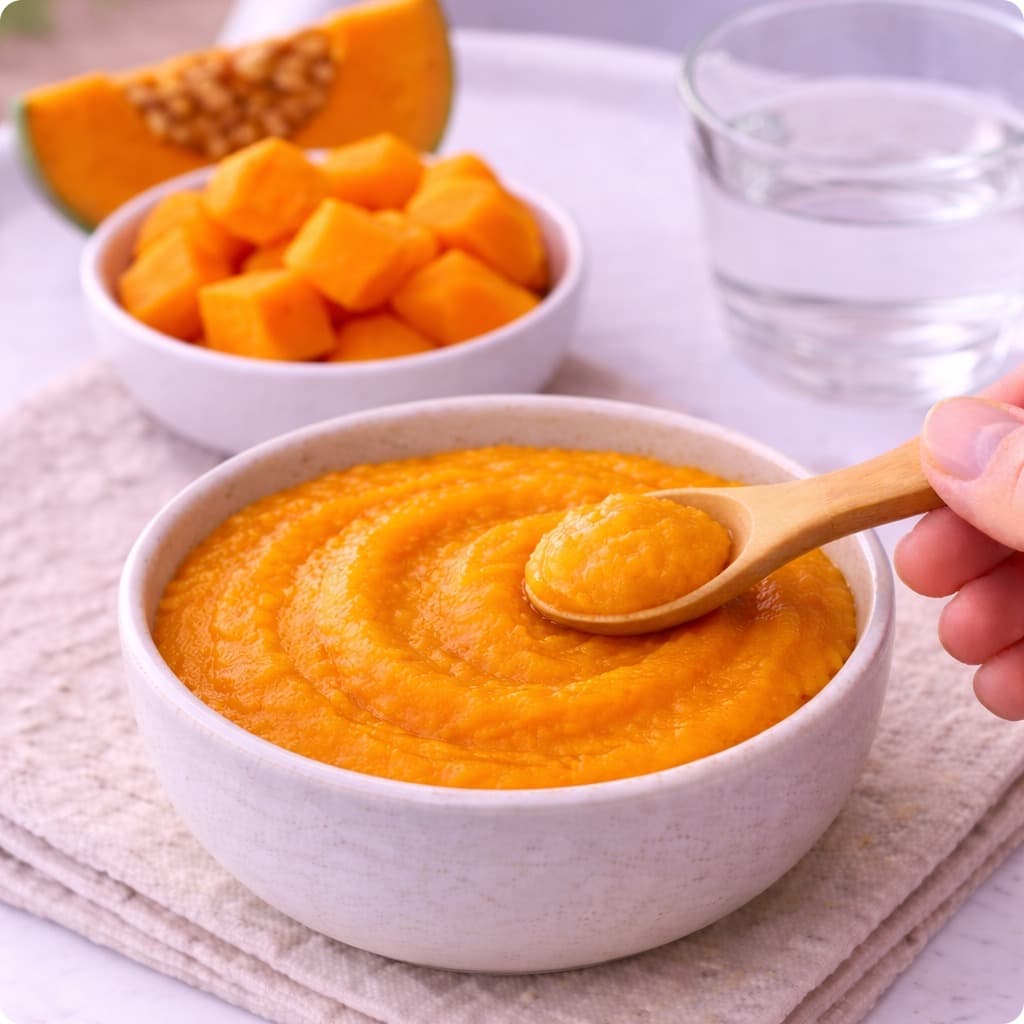
Butternut Squash Purée
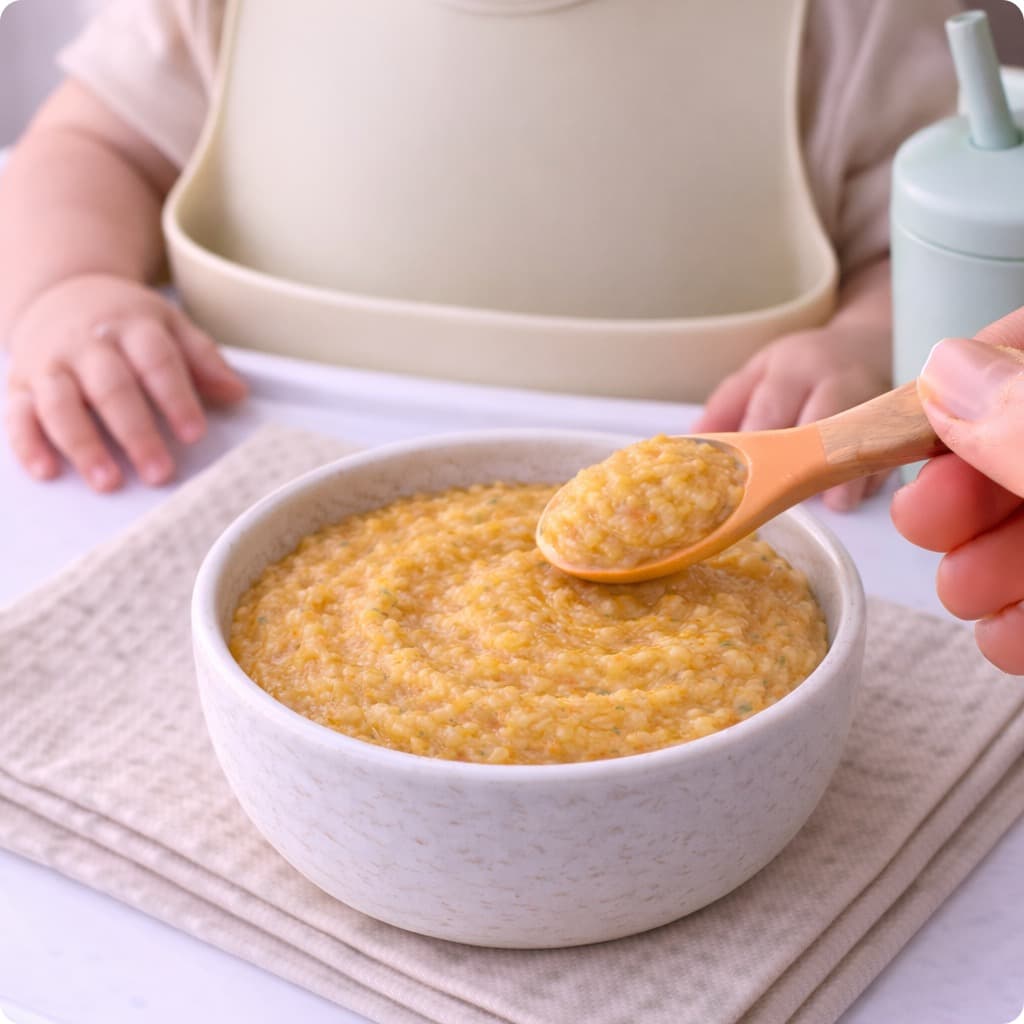
Chicken, Squash & Quinoa Bowl
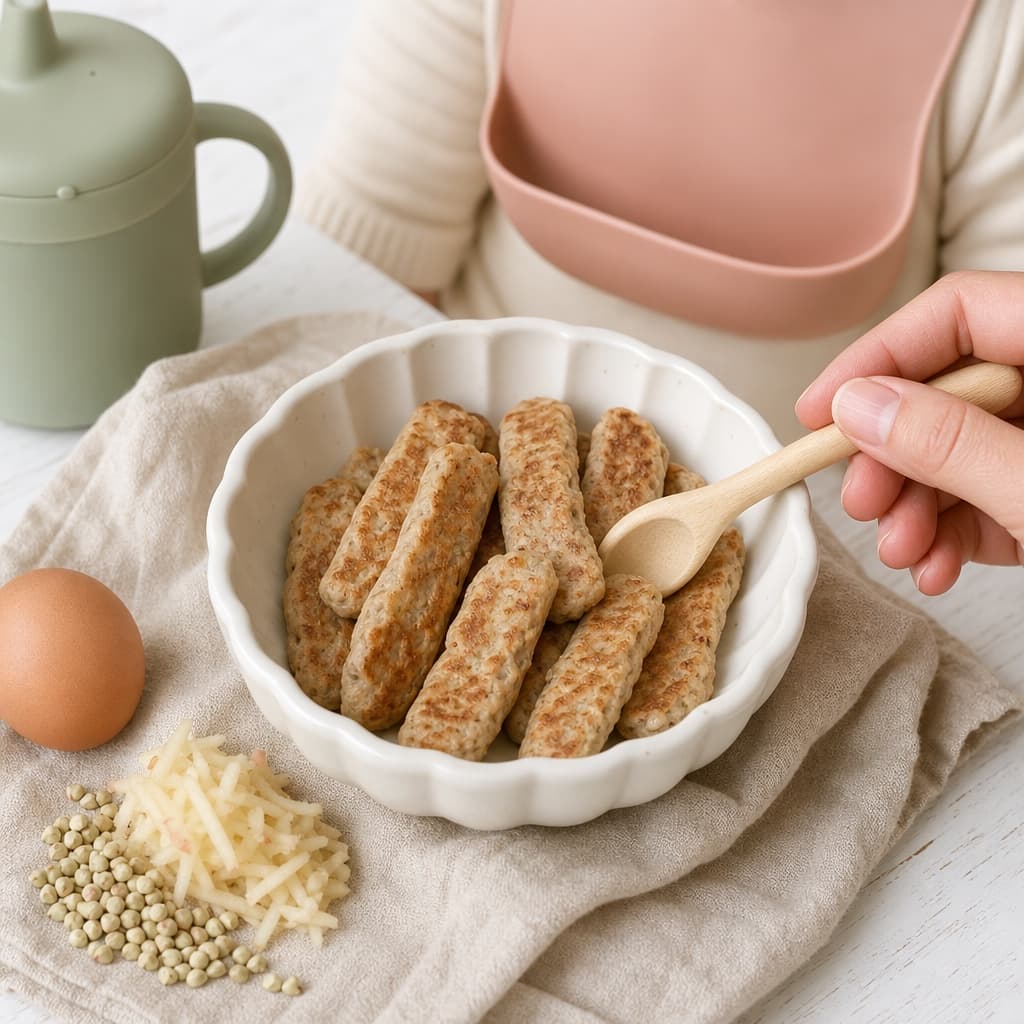
Apple Buckwheat Pancake Strips
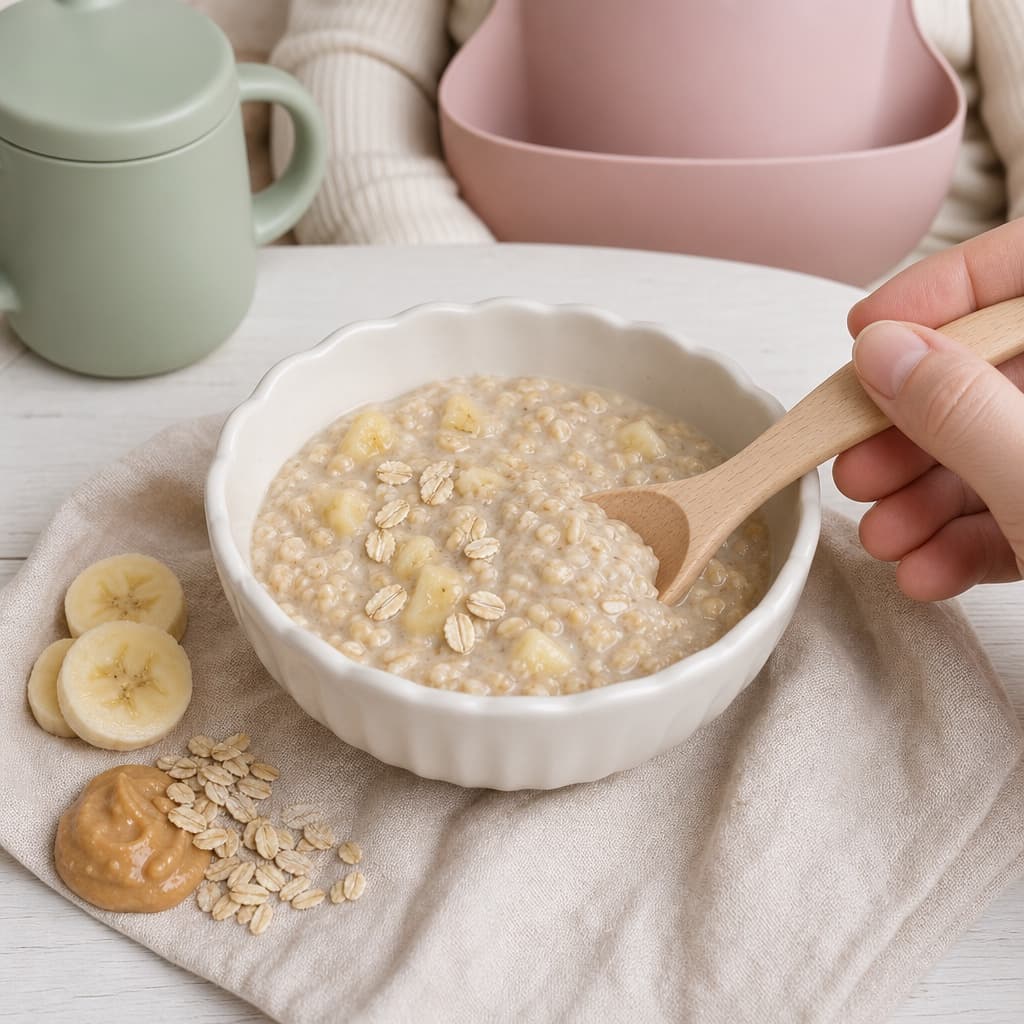
Thin Peanut Banana Oatmeal
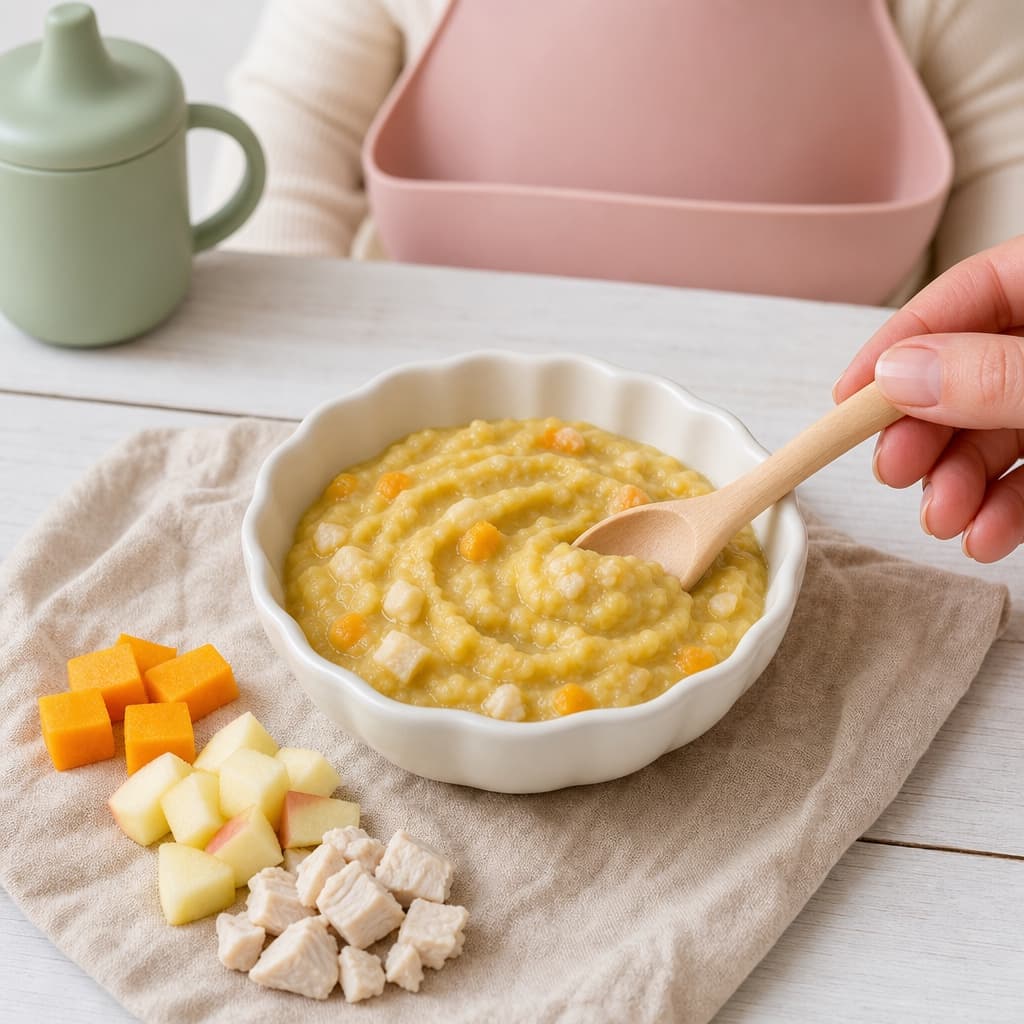
Chicken Apple Squash Bowl
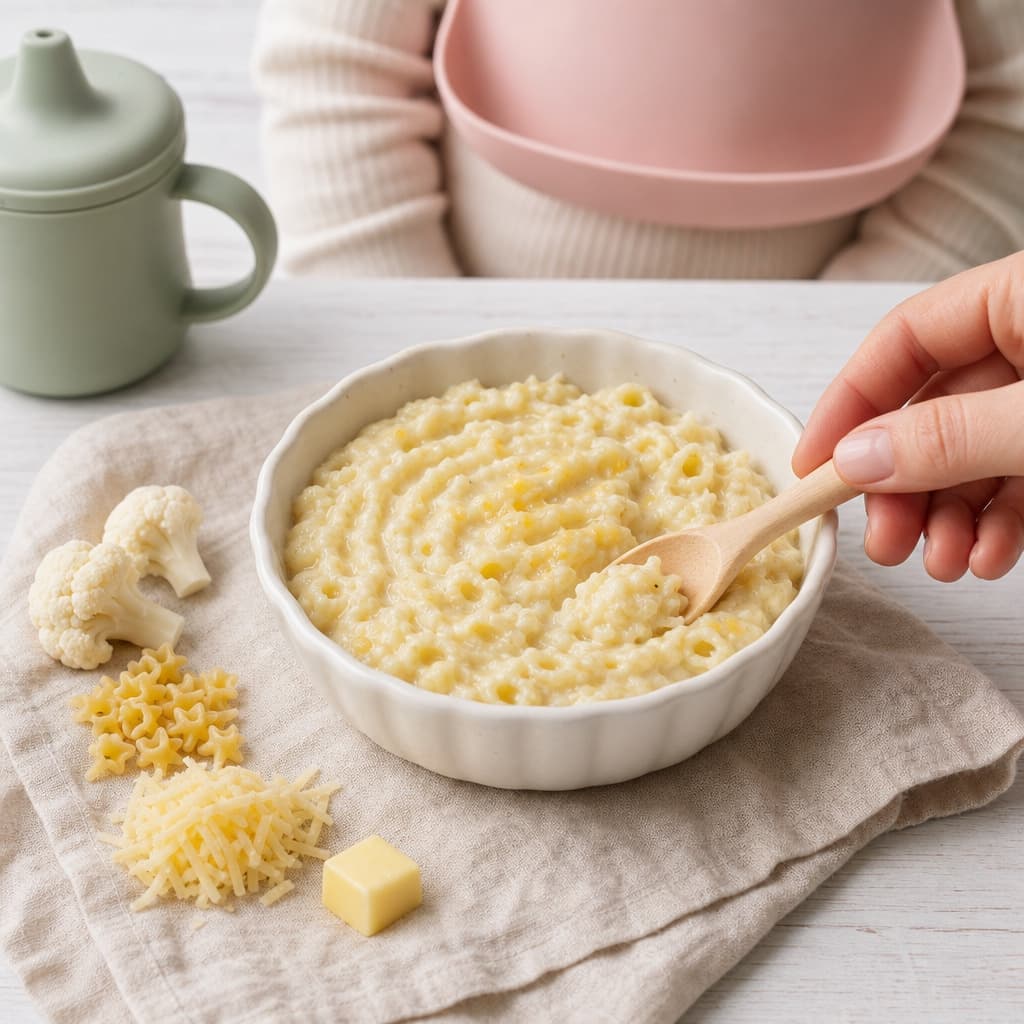
Cauliflower Cheese Baby Pasta
Butter for babies: your questions answered
Is butter safe for a 6‑month‑old?
Yes, in small amounts. Offer a thin smear of unsalted, pasteurized butter mixed into foods once your baby shows readiness for solids. Dairy foods can start around 6 months, but cow’s milk as a main drink should wait until 12 months.
Should I use unsalted or salted butter for my baby?
Use unsalted butter. Babies under 1 year should have very little salt. Salted butter can quickly push intake above NHS recommendations.
How much butter can my baby have?
Use butter as a flavor booster, not the main fat. A thin smear on foods or roughly 1 to 2 teaspoons spread across a day is plenty for most babies, alongside healthier oils and whole foods.
What about dairy allergy or lactose intolerance?
Butter is a dairy allergen. Start with a tiny amount and watch for hives, vomiting, coughing, wheeze, or swelling. Lactose intolerance is uncommon in young infants. If your baby has suspected or confirmed cow’s milk protein allergy, follow your clinician’s plan.
Is ghee better than butter for babies?
Ghee has very little milk protein, but it can still trigger dairy allergy and it is still high in saturated fat. Use small amounts and introduce as you would other dairy, watching for reactions.
Can I serve buttered toast to my baby?
Yes. Lightly toast bread so it is soft, spread a thin layer of unsalted butter, and cut into 4 to 5 cm finger shapes about 1 to 2 cm wide. For older babies with a pincer grasp, you can offer pea‑sized pieces.
Are plant‑based spreads or margarine okay for babies?
Occasionally, choose unsalted versions without added plant sterols unless advised by a clinician. Check for soy or other allergens. Use small amounts and continue to prioritize whole foods and healthy oils.
Get recipes + a feeding plan for your baby
Save this food to your baby's list, get age-appropriate recipes and follow a personalized feeding schedule - 350+ baby-safe meals in the app.
verifiedSources & References
This guide is informed by current guidelines from leading health organizations: