Can babies eat pasta?
Last updated October 2026
Yes.
Babies ready for solids, usually around six months, can try pasta cooked until very soft. Offer an easy-to-grasp soft piece or stir small shapes into a moist mash; no particular pasta shape is guaranteed safe. Most ordinary pasta contains wheat, and some contains egg, so read the ingredients and introduce new allergens individually when possible. Keep the meal soft and low in added salt.
Pasta shapes for babies: quick answers
What are the best pasta shapes for babies starting solids?
For self-feeding beginners, soft penne or fusilli may be easier to grip than tiny pasta. For spoon-feeding, well-cooked orzo or pastina mixed into a soft mash can work. The right shape depends on your baby's grasping and chewing skills, not a strict age chart.
See preparation detailsCan a 6-month-old eat pasta?
Yes, once your baby shows the developmental signs of readiness for solids. Cook pasta until very soft, adapt the shape or mash to their eating skills, and supervise closely. Breast milk or formula remains a key source of nutrition.
See preparation detailsWhat about wheat allergy and choking?
Wheat-containing pasta is an allergen. Introduce a small amount as one new allergenic food at a time, and seek personal advice for known allergies or significant eczema. Avoid firm or sticky pasta clumps; keep your baby sitting upright while eating.
See preparation detailsWhen and how can babies start pasta?
Cooked pasta is a starchy food listed by the NHS as an option from the start of complementary feeding, usually around six months. For a beginning self-feeder, a very soft graspable shape may work; for spoon-feeding, small well-cooked pieces can be mixed into a mash.
Wheat is a common allergen and some pastas contain egg, so check ingredients. Introduce new allergenic foods separately in small amounts when possible and follow an individual care plan for diagnosed allergies or coeliac disease.
Plain regular or whole-wheat pasta can be part of a varied meal. Neither replaces iron-rich foods; adding a lentil, meat or vegetable sauce can make the meal more complete.
Serve pasta soft, moist and easy to manage
Cook pasta until very soft rather than firm al dente, then check the thickest folded area of each piece. For self-feeding, tender penne or fusilli may be manageable if the child handles the shape; soften or break up pieces that remain springy, sticky or tightly clumped. Long slippery noodles can be hard to manage even after cooking.
For spoon-feeding, use very soft orzo, pastina or broken pasta stirred through a moist vegetable or lentil mash. Tiny pasta is not automatically easier to swallow if the mixture becomes thick or sticky.
As chewing and coordination develop, adjust the shape and portion rather than switching to pea-sized pieces at a preset month. Have the baby seated upright and supervise the entire meal.
Compare sauce labels: plain unsalted tomato or vegetable sauce is a practical option, but commercial sauces differ in salt, sugar and allergens. Filled pasta, pesto and cheesy sauces may introduce additional milk, nut or egg ingredients.
Allergens, texture and sauce checks
Wheat is a major allergen; some pasta also contains egg. Introduce new allergenic ingredients deliberately and follow a clinician's plan for diagnosed food allergy.
Cook until easily squashed. Firm, sticky, chewy or tightly clumped pasta can be hard for a beginner to manage.
Don't use fixed shape or birthday rules as a substitute for observing the baby's actual feeding skills.
Check sauces and stuffed pasta for milk, nuts, egg, added salt and other ingredients; choose a lower-salt option.
If a baby has diagnosed coeliac disease, only use a suitable certified gluten-free product and discuss dietary management with their clinical team.
Supervise upright eating and seek urgent medical help for breathing difficulty or severe allergic symptoms.
Pasta as part of a baby meal
Pasta contributes carbohydrate for energy and can be a convenient vehicle for vegetables and iron-containing foods.
Whole-wheat varieties may add fiber and some minerals, but are not a treatment for constipation or a guaranteed iron source.
Enriched or fortified pasta products differ by country and brand; check the ingredient or nutrition label.
Pasta made from lentils or chickpeas may provide more protein but can still include allergens or create a dense texture when cooked.
Pasta recipes for babies
View all recipes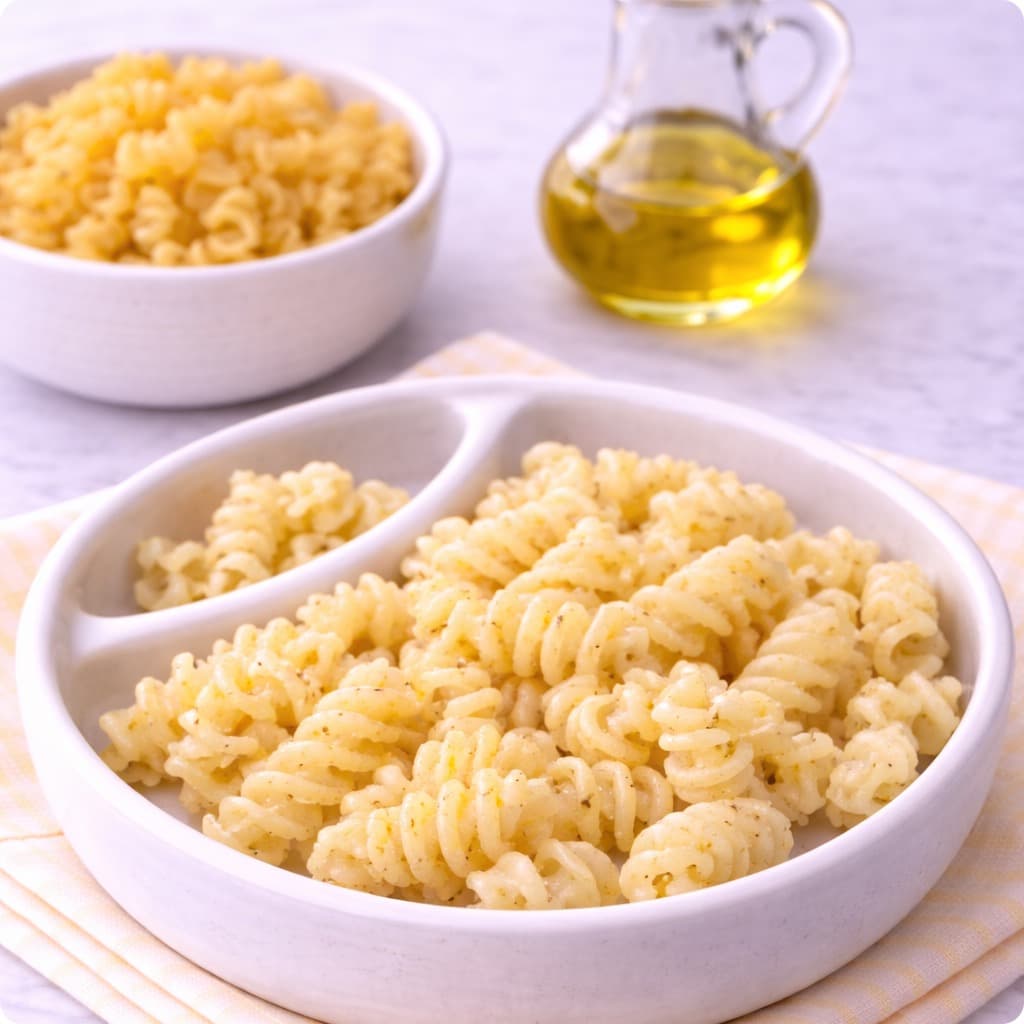
Soft Pasta Spirals
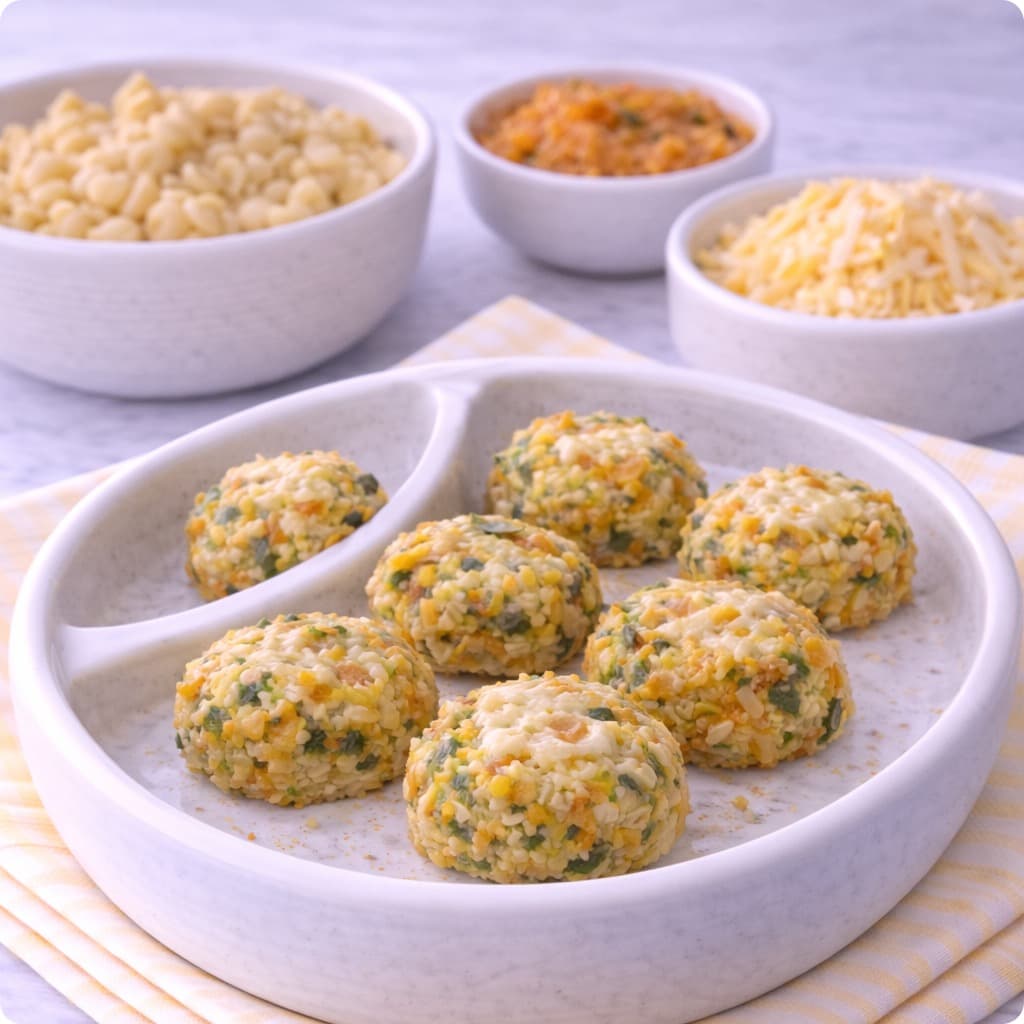
Mini Veggie Pasta Bake Bites
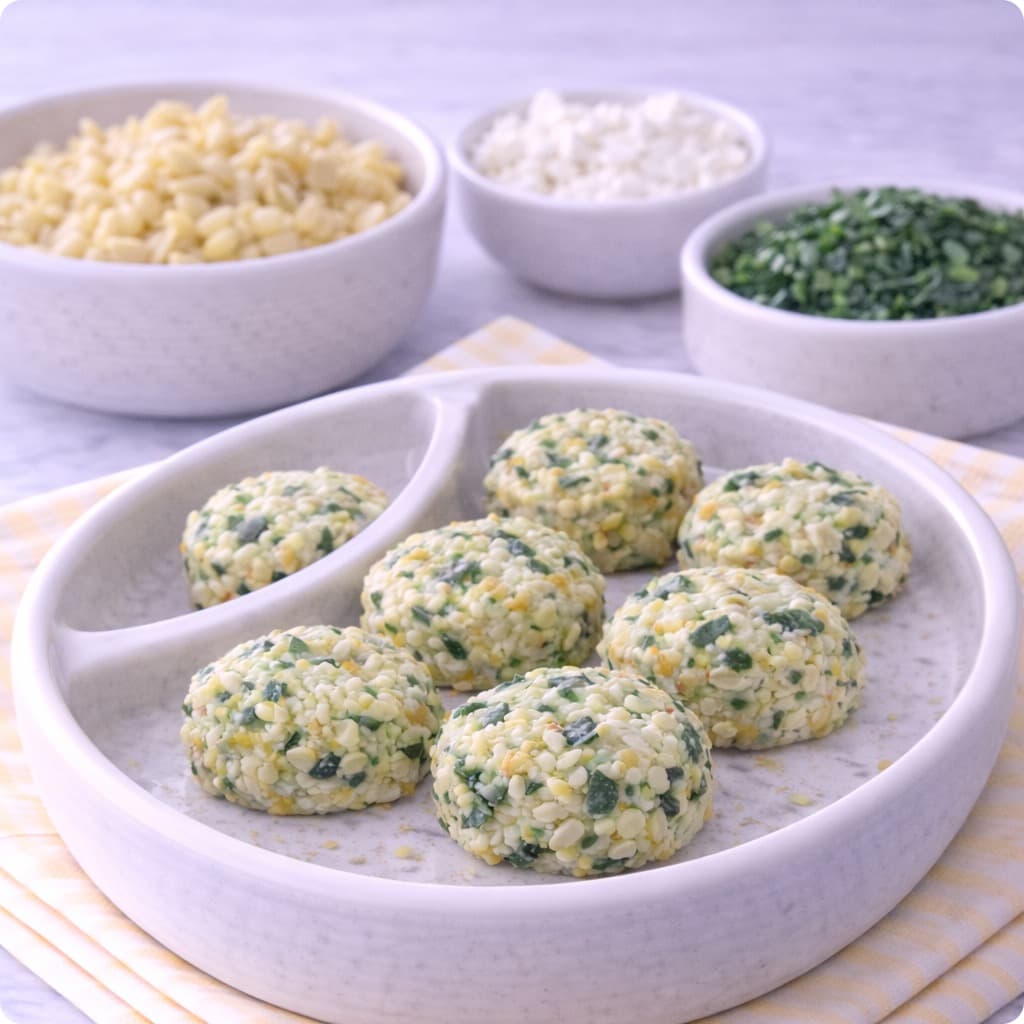
Spinach Ricotta Pasta Bites
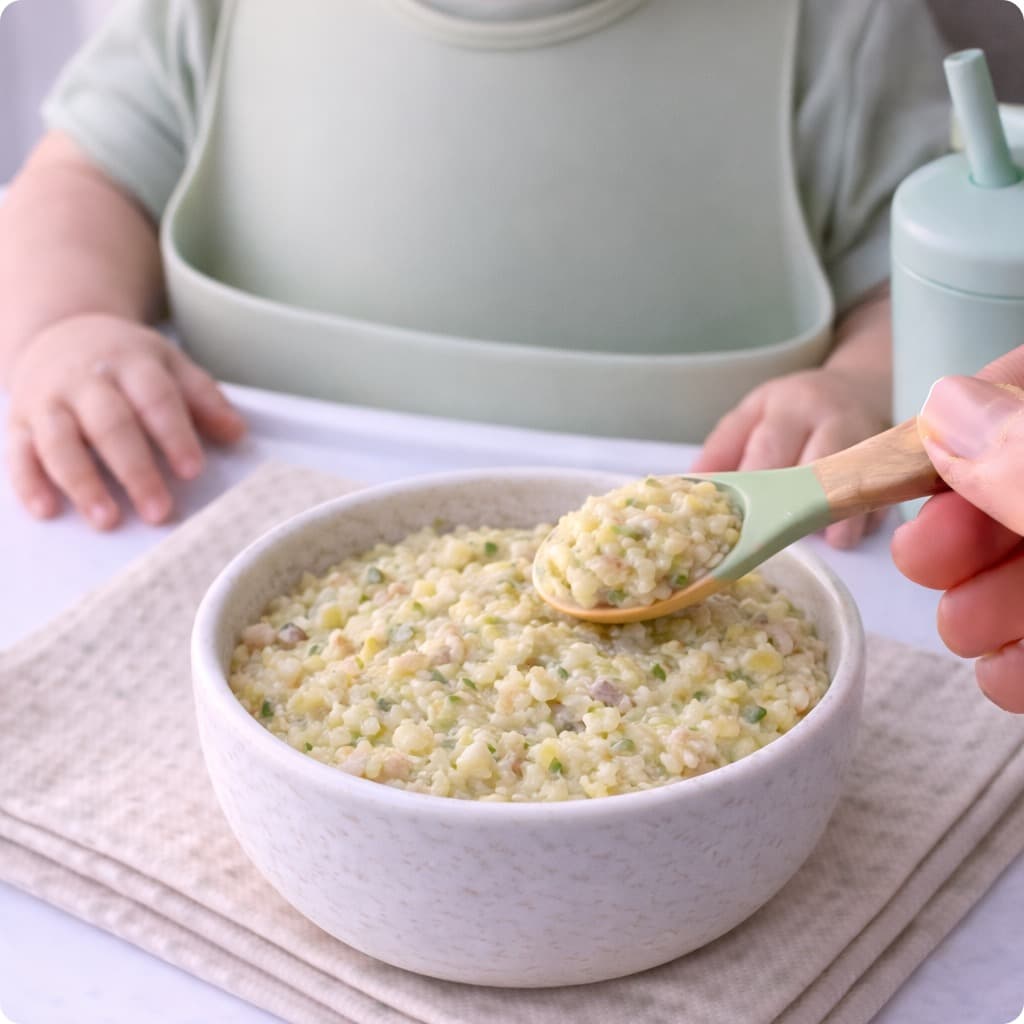
Turkey, Zucchini & Pasta Stars
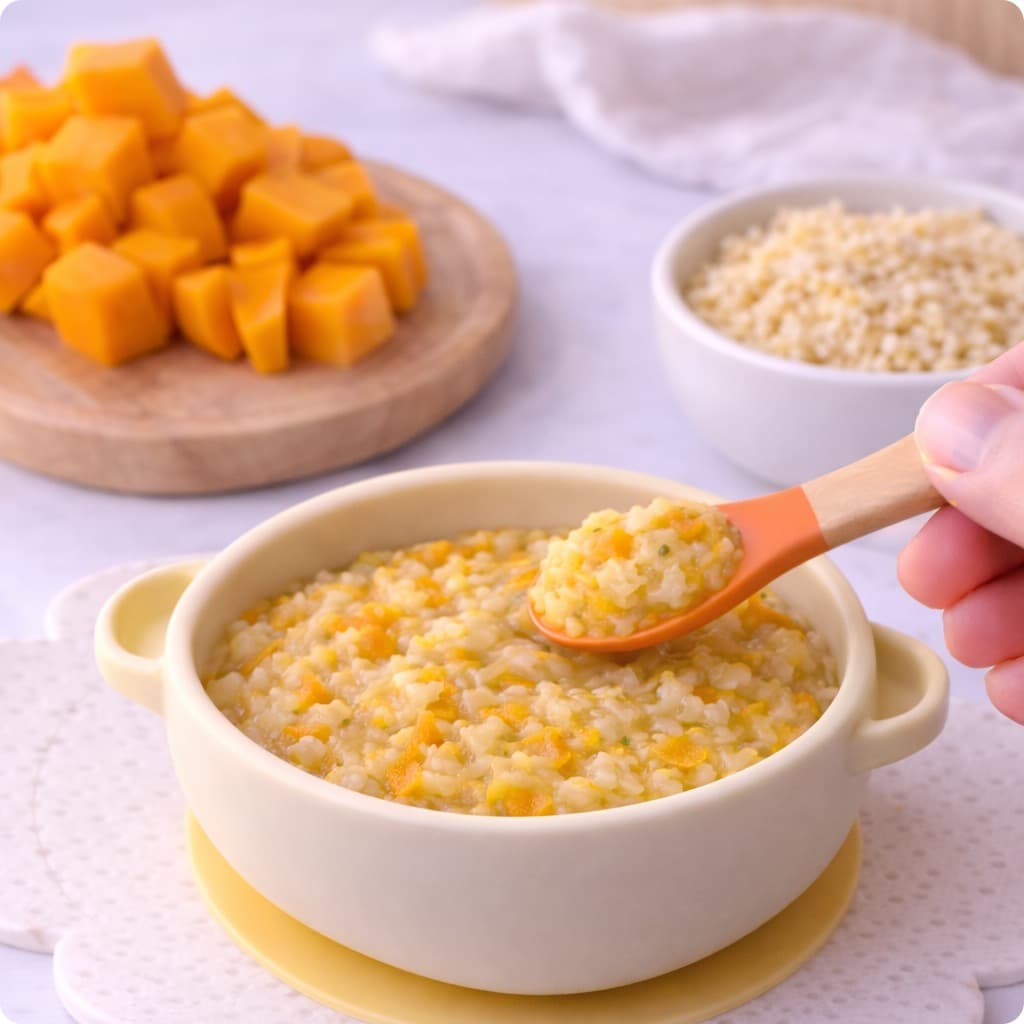
Soft Pasta Stars + Pumpkin
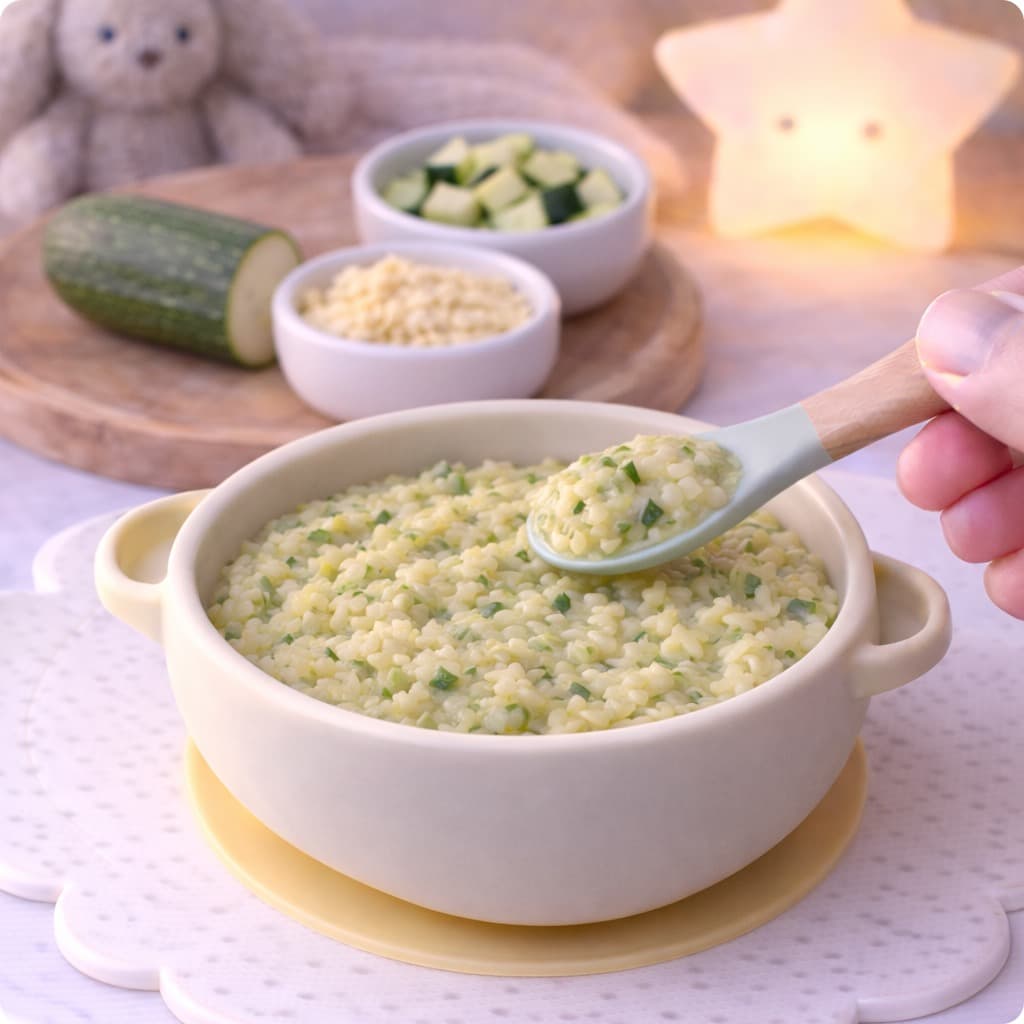
Pasta & Zucchini Bowl
Related guides
Frequently asked questions
What's the best pasta shape for a six-month-old?
There is no universally safest shape. A very soft, easily grasped penne or fusilli may help early self-feeding, while soft orzo or pastina mixed into mash may work with a spoon. Observe chewing skills and avoid hard or sticky clumps.
Can babies have pasta sauce?
Yes, a soft low-salt tomato, vegetable or lentil sauce can work. Check commercial sauce labels and introduce new ingredients such as dairy or nuts individually when possible.
Does pasta pose a choking risk?
Yes, like other foods it can if firm, sticky, long or difficult to manage. Cook very soft, use moist portions, adapt the shape to skills and supervise eating upright.
Is whole-wheat or white pasta better?
Either may be used. Whole-wheat tends to contain more fiber, but there's no evidence that white pasta specifically treats constipation. The rest of the meal and the baby's needs matter more.
Can I serve cheese with pasta?
A little pasteurized cheese may be suitable after dairy is introduced, but milk is an allergen and cheese salt levels vary. Check actual ingredients and avoid thick rubbery or stringy cheese clumps.
What if the baby reacts to pasta?
Wheat or egg may be present, along with allergens in sauce. Stop the suspected food and seek medical advice for a possible reaction; breathing difficulty or collapse calls for emergency help. Do not attempt a home re-challenge after a serious reaction.
Can babies have lasagna or filled pasta?
A very soft portion may work after starting solids if ingredients such as wheat, milk and egg are individually appropriate and salt is limited. Break it into a manageable soft consistency rather than relying on a fixed age milestone.
Is gluten-free pasta automatically suitable for a baby with food allergies?
No. Gluten-free pasta may use egg, soy, chickpea or lentil ingredients that bring other allergen considerations, and its cooked texture can be firm or sticky. Check the whole ingredient label and cook to a tender texture; follow the child's clinical plan for diagnosed allergy or coeliac disease.
Sources & References
This guide is informed by current guidelines from leading health organizations:
- ●AAP - Food Allergy Prevention AAP
- ●AAP - Starting Solid Foods AAP
- ●NHS - Your Baby's First Solid Foods NHS
- ●NHS - Preparing Food Safely for Babies NHS
- ●CDC — Choking Hazards (reviewed March 2026) CDC
- ●NHS Best Start in Life - Introducing foods that could trigger an allergic reaction NHS
