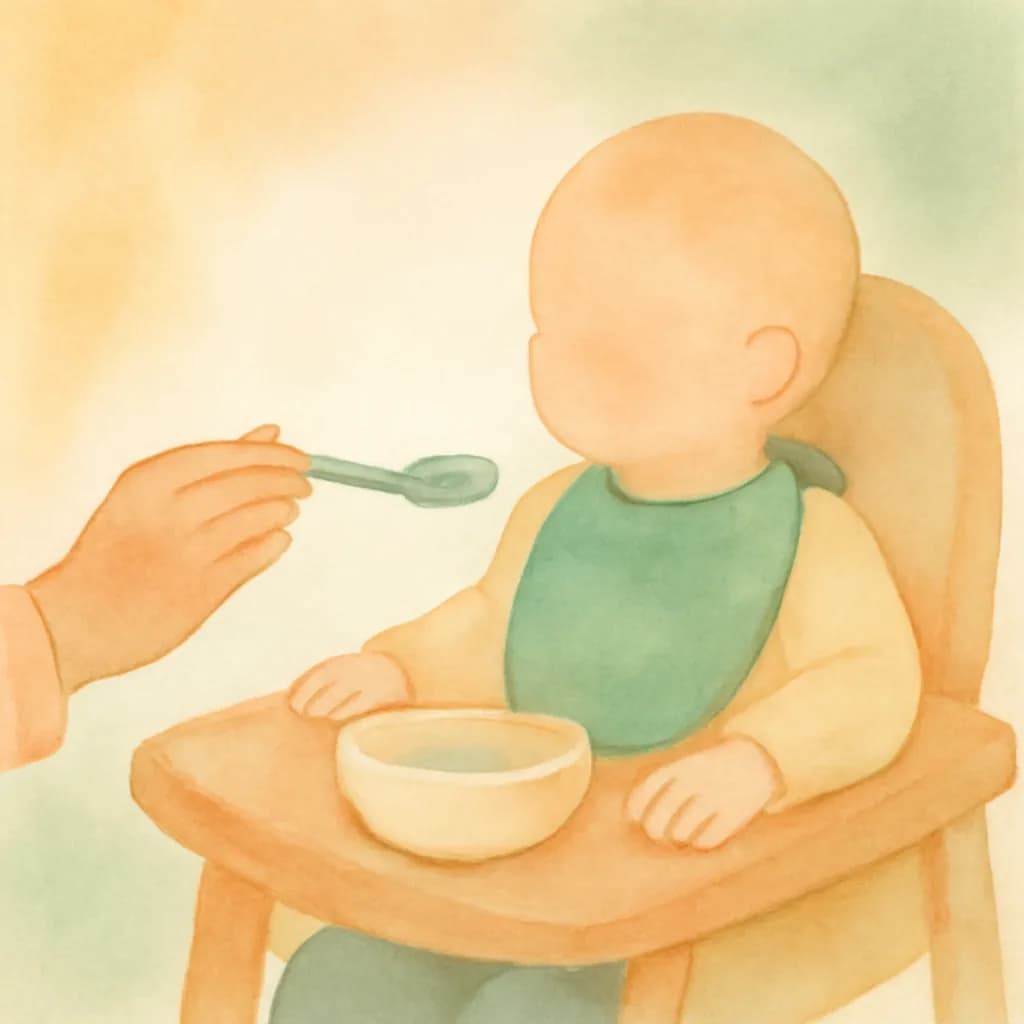
Why clear daycare feeding plans matter
Daycare feeding involves multiple caregivers and new environments, so clear instructions ensure your baby’s nutrition and safety are prioritized.
Providing detailed information helps avoid confusion and supports consistent feeding approaches, which is especially important during transitions like baby-led weaning.
What makes daycare feeding work well
- Written feeding plans keep everyone informed about your baby’s current routines and preferences.
- An allergen list shared with caregivers prevents accidental exposure and keeps your baby safe.
- Labelled containers with dates and names avoid mix-ups and ensure freshness.
- Daily updates from caregivers help you track what your baby ate or refused, supporting ongoing adjustments.
- Introducing new allergens at home first reduces risks and helps caregivers recognize reactions.
- Clear communication about bottle or cup transitions supports smooth feeding changes.
When to ask for help
- Signs of allergic reaction such as rash, swelling, or difficulty breathing after eating.
- Persistent refusal to eat that leads to dehydration or weight loss.
- Choking episodes or difficulty swallowing during meals.
- Sudden changes in appetite accompanied by lethargy or vomiting.
Steps to ease daycare feeding logistics
Create a detailed feeding plan
Write down your baby’s feeding schedule, preferred textures (purees or baby-led weaning), and any special instructions to share with caregivers.
Prepare an allergen and foods tried list
List all foods your baby has safely eaten and any allergens to avoid, so caregivers can follow your lead confidently.
Label all food containers clearly
Include your baby’s name and the date on each container to ensure proper handling and avoid confusion.
Send balanced, safe meals
Pack meals with a variety of nutrients in safe shapes and sizes, avoiding nuts if required, and include backup options in case your baby refuses food.
Communicate daily with caregivers
Ask for updates on what your baby ate or refused to help you adjust feeding at home and build trust with the daycare team.
Introduce new foods at home first
Try new allergens or textures at home before daycare to monitor reactions and keep your baby comfortable.
Frequently asked questions
How can I ensure my baby’s food stays safe at daycare?
Use clearly labelled containers with your baby’s name and the date to avoid mix-ups and ensure freshness. Follow daycare guidelines for storage and reheating.
Should I send purees or finger foods to daycare?
Share your baby’s current feeding preference in your plan. Many babies enjoy baby-led weaning finger foods, but purees might still be preferred for some. Caregivers can follow your instructions.
How do I introduce allergens safely when starting daycare?
Introduce new allergenic foods at home first, where you can monitor your baby closely for any reactions before sending those foods to daycare.
What if my baby refuses to eat at daycare but eats well at home?
This can happen due to separation anxiety or new environments. Keep communication open with caregivers and provide backup food options. Patience and consistency help build trust.
How can I help caregivers understand my baby’s feeding needs?
Provide a written feeding plan detailing your baby’s routines, preferences, and any allergies. Regularly communicate and ask for updates to build a strong partnership.
When should I transition my baby from bottle to cup at daycare?
Coordinate with your daycare to ensure a smooth transition. Introduce cups at home first and share your baby’s progress so caregivers can support the change.
What backup foods should I send if my baby refuses their meal?
Pack simple, familiar options like soft fruits, yogurt, or crackers that your baby enjoys and can eat safely, ensuring they still get nutrition if they refuse the main meal.
Get your baby's personalized feeding plan
A daily feeding schedule, 350+ age-matched recipes, allergen tracking and cutting guides - all tailored to your baby's age in the Nibli app.
verifiedSources & References
This guide is informed by current guidelines from leading health organizations: