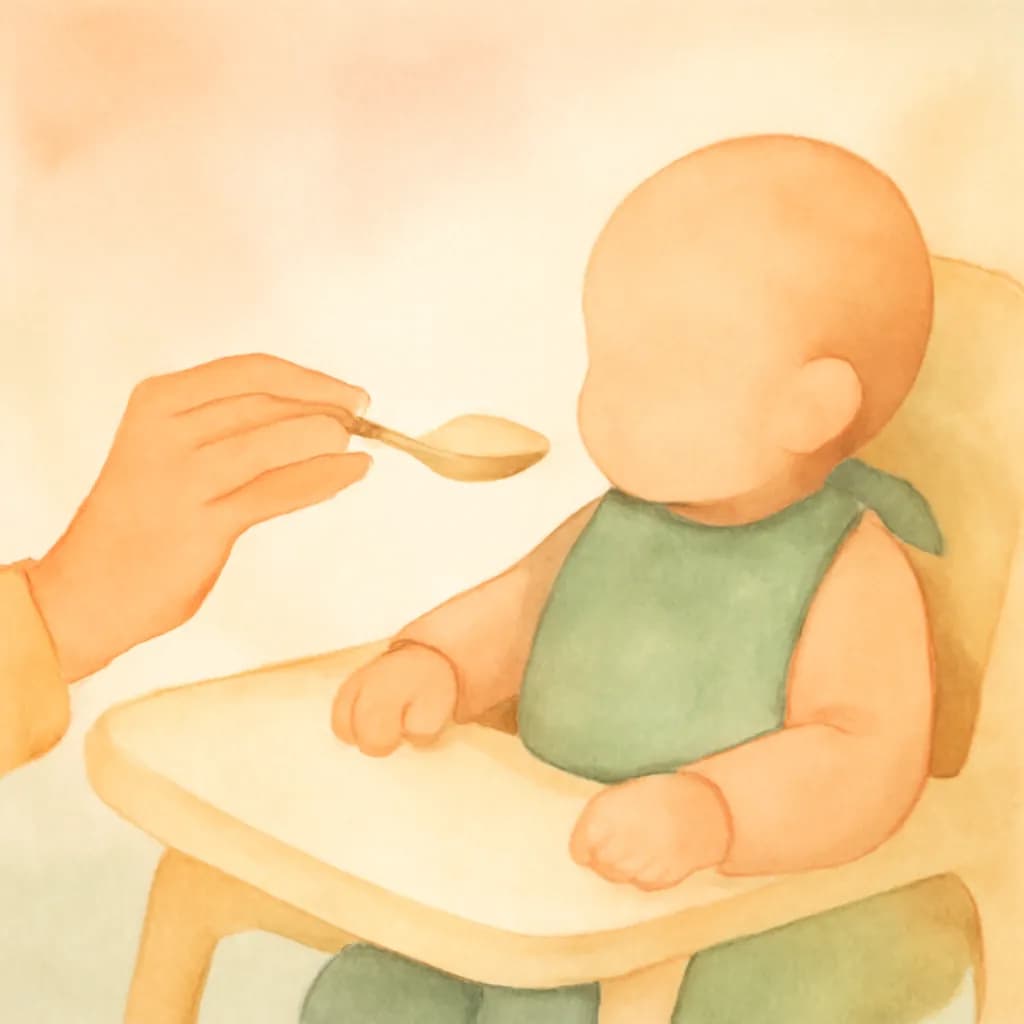
Is it normal for grandparents to have different feeding ideas?
Yes, many grandparents may offer feeding advice based on older guidelines or personal experience. This can include practices like adding cereal to bottles or avoiding allergenic foods early on.
It’s common for families to have different views on feeding, but updating everyone with current NHS and AAP recommendations helps keep your baby safe and healthy.
Why do grandparents sometimes suggest outdated feeding methods?
- Feeding guidelines have changed significantly over recent years.
- Grandparents often rely on their own parenting experience or advice from their generation.
- Misinformation or myths about allergens and baby nutrition persist.
- Desire to help and care can lead to sharing well-meaning but outdated tips.
- Lack of access to current NHS or AAP feeding resources.
- Different cultural or family traditions influencing feeding practices.
When to seek medical advice during feeding
- Signs of allergic reaction such as swelling, rash, or difficulty breathing after feeding
- Persistent refusal to eat or drink causing dehydration
- Choking episodes or difficulty swallowing
- Unexplained vomiting or diarrhoea after introducing new foods
How to share updated feeding advice with grandparents
Include them in the plan
Invite grandparents to be part of your baby’s feeding routine by sharing a written feeding plan. This builds trust and helps them feel involved rather than lectured.
Explain current guidelines gently
Share key NHS and AAP advice: no honey under 12 months, introduce allergens like peanut from 6 months, avoid added salt, and never give whole grapes, nuts, or popcorn.
Provide pre-prepped meals
If possible, prepare meals ahead or offer clear instructions on safe foods and portion sizes to reduce confusion and ensure safety.
Be patient and kind
Acknowledge their experience and love for your baby while gently reinforcing safety basics. Remember older siblings’ feeding may have differed due to past guidelines.
Use trusted resources
Share links or printouts from NHS, AAP, or WHO websites to back up your advice with evidence-based information.
Frequently asked questions
Can grandparents give honey to my baby?
No, honey should not be given to babies under 12 months due to the risk of infant botulism, a rare but serious illness. This is a key safety guideline recommended by NHS and AAP.
Is it safe to add cereal to my baby’s bottle as grandparents suggest?
Current guidelines advise against adding cereal to bottles because it can increase the risk of choking and interfere with hunger cues. It’s better to offer solids separately when your baby is ready.
When should I introduce allergenic foods like peanuts?
Introducing allergenic foods such as peanuts from around 6 months, alongside other solids, is recommended to help reduce allergy risk. Always follow NHS or AAP guidance and consult your doctor if concerned.
Why should I avoid giving whole grapes or nuts to my baby?
Whole grapes, nuts, and popcorn are choking hazards for babies and young children. Always cut grapes into small pieces and avoid nuts unless ground or in safe forms recommended for babies.
How can I help grandparents follow my baby’s feeding plan?
Provide a clear, written feeding plan and involve them in meal preparation if possible. Share trusted resources and communicate kindly to build understanding and cooperation.
What if grandparents’ advice conflicts with mine?
Respectfully acknowledge their experience but gently explain current evidence-based guidelines. Emphasize your baby’s safety and health as the priority, and offer to share official resources.
Get your baby's personalized feeding plan
A daily feeding schedule, 350+ age-matched recipes, allergen tracking and cutting guides - all tailored to your baby's age in the Nibli app.
verifiedSources & References
This guide is informed by current guidelines from leading health organizations: