9-Month-Old Feeding Schedule: Three Meals and Milk
Last updated October 2026
Many nine-month-olds are building toward three food opportunities while continuing responsive breast milk or formula. See a flexible day, feeding cues and practical food examples.
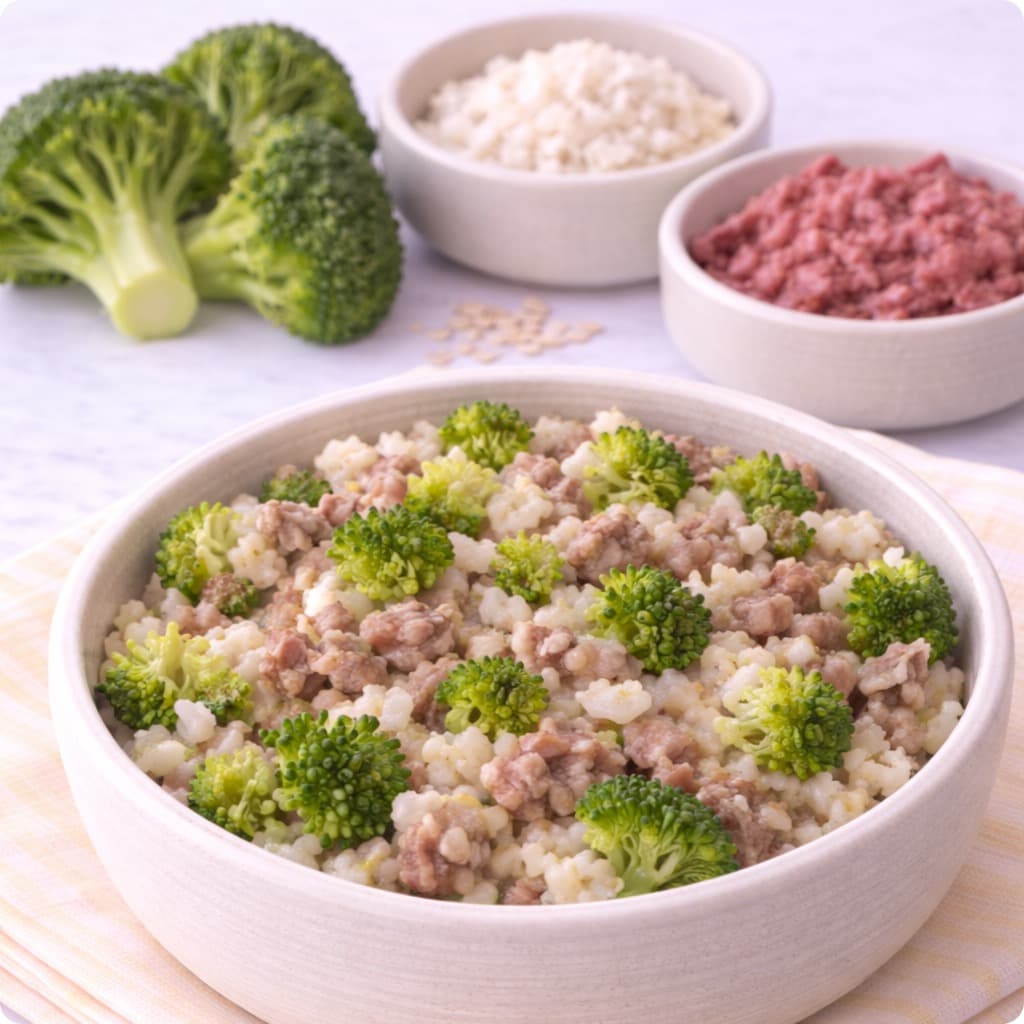
By nine months, many babies are exploring regular breakfast, lunch and evening food opportunities, but there is no single required pattern. Milk feeds still matter and the number of meals can grow with your baby's appetite and readiness.
The NHS (UK) describes a gradual move toward three meals at seven to nine months. US CDC guidance emphasizes responsive feeding and variety as solids become a bigger share of the diet. Treat the day below as one illustration rather than an age-based deadline.
Breast milk or infant formula remains the main drink until the first birthday. Some UK NHS age examples use rough formula volumes, while the US AAP sample menu uses different quantities. Neither is an individualized target: respond to feeding cues and discuss a substantial drop in intake or growth worries with your pediatrician.
Meal progression and between-meal feeding: NHS guidance for 7 to 9 months. The routine below is illustrative.
An example day at 9 months
- 7:00Milk feed
- 7:45Breakfast
- 11:45Lunch
- 12:15Milk feed
- 15:00Milk feed if hungry
- 17:00Tea
- 18:45Milk feed before bed
Three meals interspersed with milk is one example, not a requirement. Some babies still have two substantial solid-food opportunities, extra milk or night feeds; follow their cues rather than counting bottles from a web page.
The NHS (UK) generally suggests extra milk rather than snacks before twelve months; the US AAP sample menu includes small snack opportunities for some eight- to twelve-month-olds. These are different national examples, not universal requirements. The clock times above are illustrative, not a prescribed timetable.
A flexible day
Which change fits your nine-month-old today?
Nine-month feeding routines differ. Use the following questions to adjust food opportunities without replacing needed milk feeds.
- Still comfortable with two meals
- Continue responsive milk feeds. If your baby is interested and developing eating skills, gradually try another meal opportunity instead of forcing a third.
- Bottle intake changed noticeably
- Avoid deliberately reducing formula or breast milk to make room for food. If the change is substantial or you are worried about hydration or growth, check with your pediatric clinician.
- Interested in more textures
- Explore a greater range of soft, developmentally appropriate foods. Preparation must match the actual food and your baby's skills, not a birthday alone.
For food preparation, use the food preparation tool. For bottle-specific examples see formula and solids; for the full progression see the feeding schedule guide.
What's new at 9 months
- Textures
- Introduce a wider variety of textures as your baby can manage them, including mashed, soft lumpy and developmentally appropriate finger foods.
- Self-feeding
- Let your baby use their fingers and a spoon, even when most of it misses. Many babies are getting better at picking up smaller soft pieces.
- Between meals
- Respond to hunger with an appropriate milk feed or meal opportunity; small amounts of water can be offered with meals, while breast milk or formula remains important.
- Family meals
- Eat together when you can. Take your baby's portion out before adding salt, stock cubes or gravy.
Appetite still varies from day to day. See the full baby feeding schedule for 6 to 12 months, or go back to the 6-month baby feeding schedule.
Foods to offer at 9 months
- Vegetables, including bitter ones such as broccoli, spinach and cabbage
- Soft fruit, chopped, with pips, stones and hard skin removed
- Meat and fish with every bone removed
- Eggs
- Beans, lentils and chickpeas
- Rice, pasta, potato, bread and other starchy foods
- Pasteurised full-fat cheese and plain yoghurt
- Finely ground nuts mixed into food, or smooth nut butter appropriately thinned and spread; never whole nuts or thick spoonfuls
Explore the full baby-led weaning food list for more ideas, and see how to cut food for baby-led weaning for shapes and sizes.
Meal ideas for a 9-month-old
- Breakfast: porridge made with your baby's usual milk, with chopped soft fruit
- Breakfast: scrambled egg with toast fingers
- Lunch: cottage pie made without salt or stock cubes, lightly mashed
- Lunch: pasta with a lentil and tomato sauce and soft-cooked courgette batons
- Tea: flaked salmon with every bone removed, soft rice and crushed peas
- Tea: plain full-fat yoghurt with chopped soft fruit
Family meals can often be adapted by avoiding added salt and choosing a texture your baby can manage. Remove bones and pits. Never serve small round foods such as grapes or cherry tomatoes whole: cut them into quarters. Avoid whole nuts and hard raw foods such as raw carrot or apple. Simply quartering a food does not make every version safe, so check the food-specific preparation guide.
Related Guides
View all feeding guidesFrequently Asked Questions
Does a 9-month-old have to eat three meals a day?
Not every baby reaches three solid-food meals at the same time. NHS guidance describes gradual progression toward three meals at seven to nine months. Follow your baby's development and appetite, continue responsive milk feeds, and discuss feeding concerns with their clinician.
How many bottles should a 9-month-old drink?
There is no universally correct number of bottles for all nine-month-olds. Breast milk or infant formula remains important through the first year, and the amount and frequency vary with your baby's needs. Do not force a bottle count from a sample schedule or deliberately reduce milk to add a meal.
Does a 9-month-old need snacks?
UK NHS guidance generally suggests extra milk feeds rather than snacks before twelve months. The American Academy of Pediatrics' eight- to twelve-month sample menu includes snack opportunities. These are different examples, not a single rule; keep milk and food responsive to your baby.
What if my baby still prefers smooth purées?
Offer a gradual variety of textures your baby can manage. Developmental readiness matters more than an exact month, and some children need extra support. If your baby consistently struggles with textures, coughs or chokes while eating, or has persistent feeding difficulties, ask their pediatric clinician about an assessment.
What is an example nine-month meal?
A meal could combine a suitable iron-containing food and soft vegetables or another familiar food, with preparation adapted to your baby's actual eating skills. A sample menu is inspiration, not a prescribed portion. Keep supervising meals and use a food-specific preparation guide if needed.
Sources & References
This guide is informed by current guidelines from leading health organizations:
- ●NHS - Feeding your baby: 7 to 9 months NHS
- ●NHS Best Start in Life - Feeding your baby: 10 to 12 months NHS
- ●NHS - Your Baby's First Solid Foods NHS
- ●NHS - Preparing Food Safely for Babies NHS
- ●NHS - How to stop a child from choking NHS
- ●AAP - Sample Menu for Babies 8–12 Months AAP
- ●CDC — How Much and How Often to Feed CDC
- ●CDC — When and How to Introduce Food CDC
