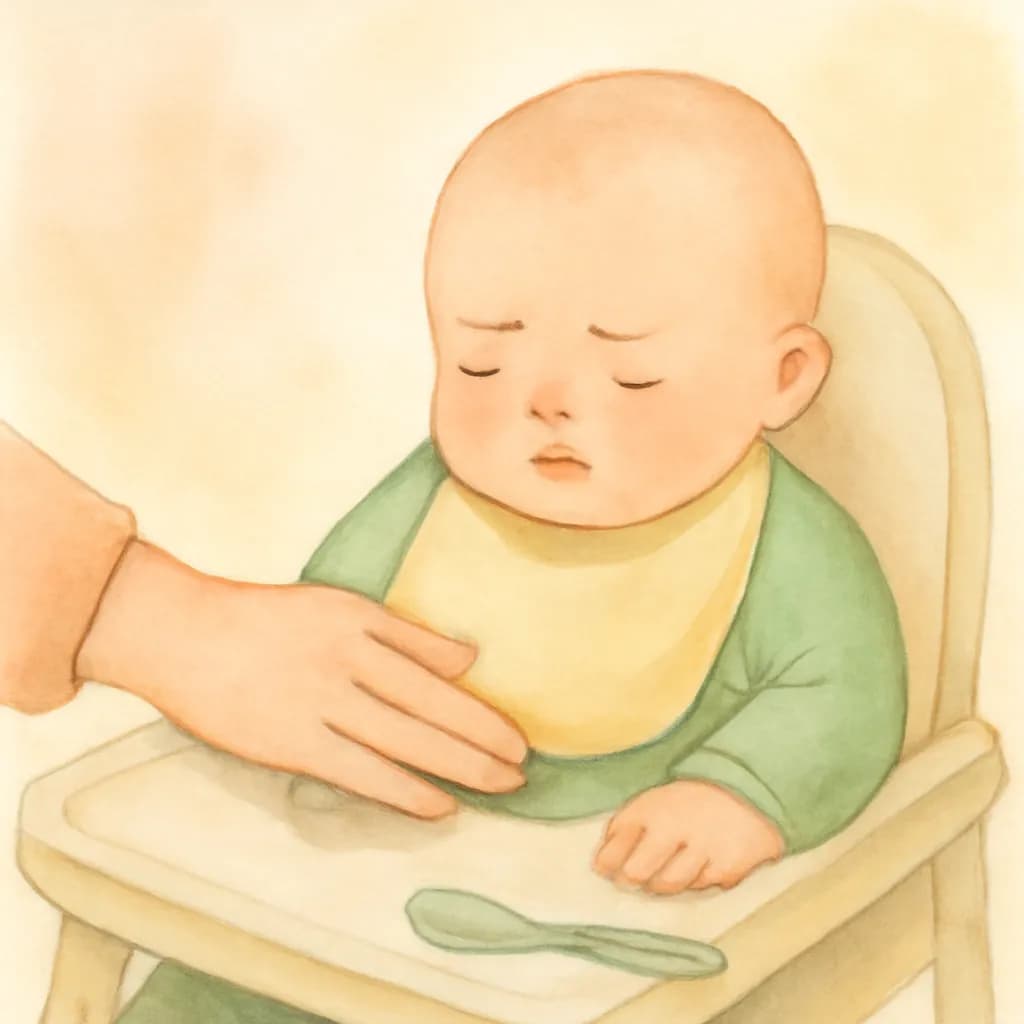
Is gas after new foods normal?
Introducing solids can cause temporary gas as your baby's digestive system adapts to new ingredients. This is a normal part of weaning and usually improves within a day or two.
Common foods like beans, broccoli, cauliflower, and dairy often cause more gas, but this does not mean your baby is intolerant. Monitoring your baby’s overall wellbeing helps distinguish normal gas from a true allergy or intolerance.
Why does my baby get gas after new foods?
- The gut microbiome is adjusting to new types of food and fibre.
- Certain foods like beans, broccoli, cauliflower, and dairy are harder to digest and produce more gas.
- Introducing several new foods at once can overwhelm the digestive system.
- Baby’s digestive enzymes are still developing and may not fully break down some foods.
- Swallowing air during feeding or crying can add to trapped gas.
- Temporary imbalance in gut bacteria as new foods are introduced.
When to call your doctor
- Extreme distress or inconsolable crying lasting several hours.
- Refusing to eat or drink for multiple feeds.
- Noticeable weight loss or failure to gain weight.
- Persistent diarrhoea or rash after introducing new foods.
What to try if your baby has gas after new foods
Introduce one food at a time
Offer new foods individually and wait a few days before adding another. This helps identify any specific foods causing gas.
Start with smaller portions
Begin with small amounts to allow your baby’s tummy to adjust gradually to new foods.
Gentle tummy massage
Use gentle circular motions on your baby’s belly to help move trapped gas and ease discomfort.
Bicycle legs exercise
Gently move your baby’s legs in a cycling motion to relieve gas and encourage bowel movements.
Watch for intolerance signs
Look out for rash, diarrhoea, or persistent distress, which may indicate a food intolerance needing medical advice.
Frequently asked questions
Is it normal for my baby to have gas after starting solids?
Yes, it is common for babies to experience gas as their digestive system adjusts to new foods. This usually improves within a couple of days.
Which foods commonly cause gas in babies?
Beans, broccoli, cauliflower, and dairy products are common culprits that may cause more gas due to their fibre and sugar content.
How can I help relieve my baby's gas discomfort?
Try gentle tummy massages, bicycle leg movements, and introduce new foods slowly in small amounts to ease gas discomfort.
When should I worry about gas in my baby?
Seek medical advice if your baby has extreme distress, refuses to eat, loses weight, or shows signs of rash and diarrhoea after new foods.
Can gas after new foods mean my baby has a food allergy?
Gas alone usually does not indicate an allergy. However, if gas is accompanied by rash, diarrhoea, or vomiting, consult your healthcare provider.
Should I avoid giving my baby gas-causing foods?
Not necessarily. Introducing these foods gradually helps build tolerance. Avoiding them unnecessarily may limit your baby's diet variety.
Get unstuck + a plan for your baby
Personalized, age-aware troubleshooting plus a feeding schedule and recipes built around your baby, so mealtimes get easier from here.
verifiedSources & References
This guide is informed by current guidelines from leading health organizations: