Baby Portion Sizes by Age
Last updated April 2026
When babies start eating solid foods, many parents wonder how much food babies should eat at each meal. It can be difficult to know whether your baby is eating too little or too much.
The good news is that babies are usually very good at regulating their own appetite. During the first year, breast milk or formula remains the primary source of nutrition, while solid foods help babies learn to explore new tastes and textures.
This guide explains typical baby portion sizes, how appetite changes as babies grow, and how to recognize when your baby is hungry or full.
How Much Should Babies Eat?
When starting solids, babies usually eat very small portions. Early meals are mostly about exploring food and practicing eating skills.
Many babies may only:
- • take a few bites
- • chew food and spit it out
- • play with food
This is completely normal. As babies grow, they gradually begin eating larger portions and more variety.
You can learn more about starting solids here.
Baby Portion Sizes by Age
Portion sizes vary widely between babies, but these general guidelines can help.
6 Months
Typical portions:
- • 1–2 tablespoons of soft foods
- • small pieces of soft fruits or vegetables
- • a few bites of grains or protein foods
Babies may eat once per day when first starting solids.
7–8 Months
Typical portions:
- • 2–4 tablespoons of food per meal
- • small portions of fruits, vegetables, grains, or proteins
Many babies begin eating two meals per day.
9–12 Months
Typical portions:
- • ¼ cup of food per meal
- • small portions of several food groups
Babies often eat three meals per day with snacks.
You can explore a sample feeding schedule here.
Signs Your Baby Is Hungry
Babies show hunger cues when they are ready to eat.
Common hunger signals include:
- • reaching for food
- • opening their mouth when food is offered
- • leaning forward toward food
- • becoming excited when meals begin
These cues help guide how much food your baby may want to eat.
Signs Your Baby Is Full
Babies also show clear signals when they have eaten enough.
Fullness cues include:
- • turning their head away
- • closing their mouth
- • pushing food away
- • losing interest in eating
It's helpful to follow your baby's cues rather than encouraging them to finish everything on their plate.
Balanced Foods for Baby Portions
Offering a variety of foods helps babies get familiar with different nutrients.
Balanced baby meals often include:
- • fruits or vegetables
- • grains or starches
- • protein-rich foods
- • healthy fats
Examples of balanced baby foods include:
- • avocado slices
- • scrambled eggs
- • roasted sweet potato
- • oatmeal with fruit
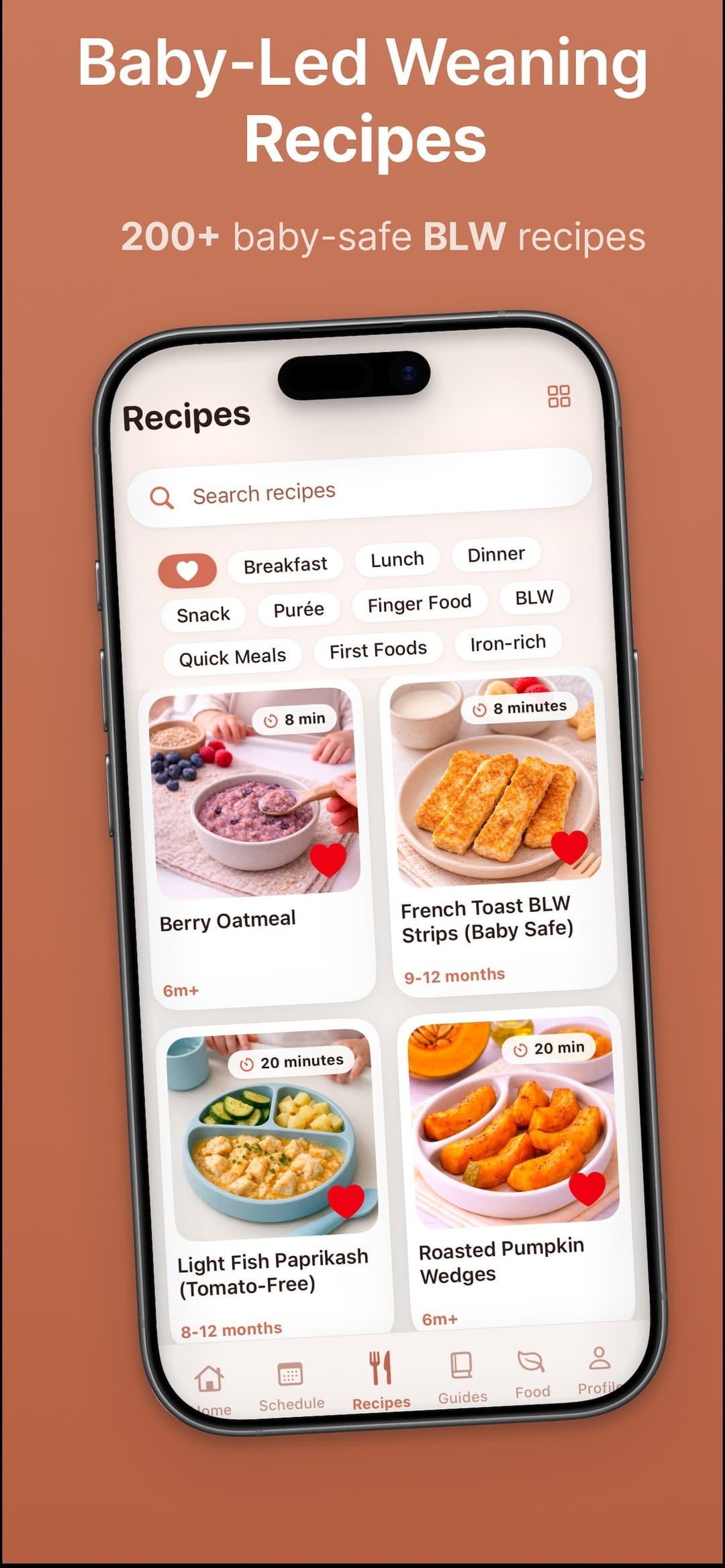
Explore first foods for baby and recipe ideas here.
Tips for Feeding Babies
Helpful tips when offering baby portions include:
- • offer small amounts at first
- • allow babies to self-feed when possible
- • introduce a variety of foods
- • avoid pressuring babies to eat more than they want
Every baby develops at a different pace, so portion sizes can vary widely.
verifiedSources & References
This guide is informed by current guidelines from leading health organizations:
Frequently Asked Questions
How much solid food should a 6 month old eat?
Many babies eat only a few tablespoons of food at first. Breast milk or formula remains their main source of nutrition.
How many meals should babies eat per day?
Many babies start with one meal per day and gradually increase to two or three meals as they grow.
Should babies finish everything on their plate?
Babies are good at regulating their appetite. It's best to follow your baby's hunger and fullness cues.
What if my baby eats very little?
It is normal for babies to eat small amounts when starting solids. Eating typically increases gradually over time.
Do babies need snacks?
Older babies around 9–12 months may start eating small snacks between meals.
What is the right portion size for a 7 month old?
Most 7-month-olds eat about 2-4 tablespoons per meal at 2-3 meals per day. Use the palm of their hand as a portion guide - about 4-6 tablespoons total food daily. Milk still provides most calories.
What is the right portion size for an 8 month old?
Most 8-month-olds eat 4-6 tablespoons per meal across 3 meals + 1 snack. Total 12-18 tablespoons of food per day, plus 24-30 oz of milk. Watch your baby's hunger and fullness cues - these are guidelines, not targets.
What is the right portion size for a 10 month old?
10-month-olds typically eat 4-8 tablespoons per meal, 3 meals + 1-2 snacks per day. About a quarter to a third of an adult portion is normal. Milk drops to around 16-24 oz per day as solids increase.
How do I know if my baby is full?
Babies show fullness by: turning the head away, closing the mouth, pushing food away, slowing pace, looking around, fussing. Stop the meal - don't pressure, don't bargain. Babies are excellent at self-regulating; respecting cues prevents overeating later in life.
Should I weigh or measure baby food?
No. Use visual portion guides (a tablespoon, palm size) and follow your baby's appetite. Strict measuring can lead to over- or under-feeding. The exception is when a pediatrician asks you to track intake for medical reasons.
Plan Your Baby's Meals With Confidence
Nibli creates a personalized starting solids plan so you always know what to feed your baby next.
Try Nibli today to start building your baby's feeding routine.