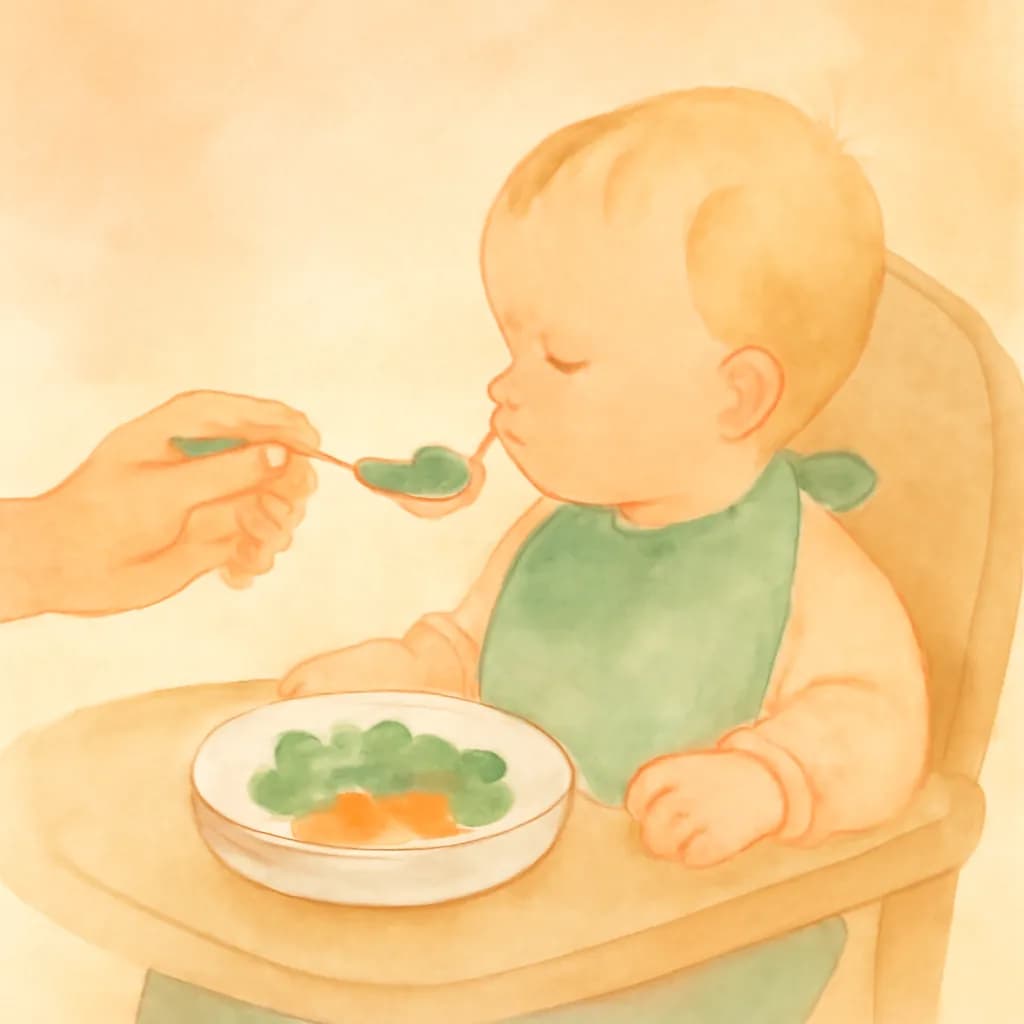
Is it normal for babies to refuse vegetables?
Yes, it’s completely normal for babies and toddlers to initially reject vegetables. Many children are naturally sensitive to the bitter flavors found in many vegetables, which can make them less appealing at first.
This refusal is a typical part of development and does not mean your child will never like vegetables. Most babies need multiple exposures - often 10 to 15 times or more - before they accept new tastes.
Why do babies often refuse vegetables?
- Biological sensitivity to bitter tastes, which is a natural protective mechanism.
- Unfamiliarity with the texture or flavour of certain vegetables.
- Early taste preferences shaped by breastmilk or formula, which are usually sweet.
- Developmental stages where children are cautious about new foods.
- Possible mild digestive discomfort from certain fibrous vegetables.
- Lack of consistent exposure to a variety of vegetables.
When to call your doctor
- Your baby consistently refuses all foods and is losing weight.
- Signs of feeding difficulties like choking or gagging frequently.
- Persistent vomiting or diarrhoea after eating vegetables.
- Lack of developmental progress in feeding skills.
What to try if your baby refuses vegetables
Consistent exposure
Offer the vegetable regularly without pressure. It can take 10 or more tries before a baby accepts a new vegetable.
Pair with familiar favourites
Serve vegetables alongside foods your baby already likes, such as cheese with broccoli or avocado with other veggies.
Model open eating
Eat vegetables yourself in front of your baby to show that they are enjoyable and safe to eat.
Variety of preparations
Try different cooking methods like roasting, mashing, or serving raw (if safe) to find textures and flavours your baby prefers.
Avoid hiding vegetables
Don’t disguise vegetables in other foods. Instead, encourage your baby to explore the taste and texture openly.
No pressure or bribery
Avoid forcing or bribing your baby to eat vegetables, as this can create negative associations with food.
Frequently asked questions
How many times should I offer vegetables before my baby accepts them?
It often takes 10 to 15 or more exposures before a baby accepts a new vegetable. Keep offering without pressure, as repeated gentle exposure helps babies become familiar with new tastes.
Is it okay to mix vegetables with other foods my baby likes?
Yes, pairing vegetables with familiar favourites like cheese or avocado can make them more appealing and help your baby get used to the taste gradually.
Should I hide vegetables in other foods to make my baby eat them?
It’s better not to hide vegetables. Instead, offer them openly and model eating them yourself. This encourages positive associations and helps your baby learn to enjoy vegetables.
What if my baby spits out vegetables or throws them on the floor?
This is a normal part of exploring new foods. Continue offering vegetables without pressure and try different textures and preparations to find what your baby prefers.
Can I force my baby to eat vegetables?
No, forcing or bribing can create negative feelings about food. Encourage tasting with patience and model eating vegetables yourself to promote acceptance.
Are some babies more sensitive to bitter tastes than others?
Yes, some babies have a stronger biological sensitivity to bitter tastes, which can make vegetables less appealing initially. This sensitivity usually decreases with repeated exposure.
When should I seek medical advice about my baby’s eating habits?
If your baby refuses all foods, is losing weight, has feeding difficulties like choking, or shows signs of illness after eating, contact your healthcare provider for advice.
Get unstuck + a plan for your baby
Personalized, age-aware troubleshooting plus a feeding schedule and recipes built around your baby, so mealtimes get easier from here.
verifiedSources & References
This guide is informed by current guidelines from leading health organizations: