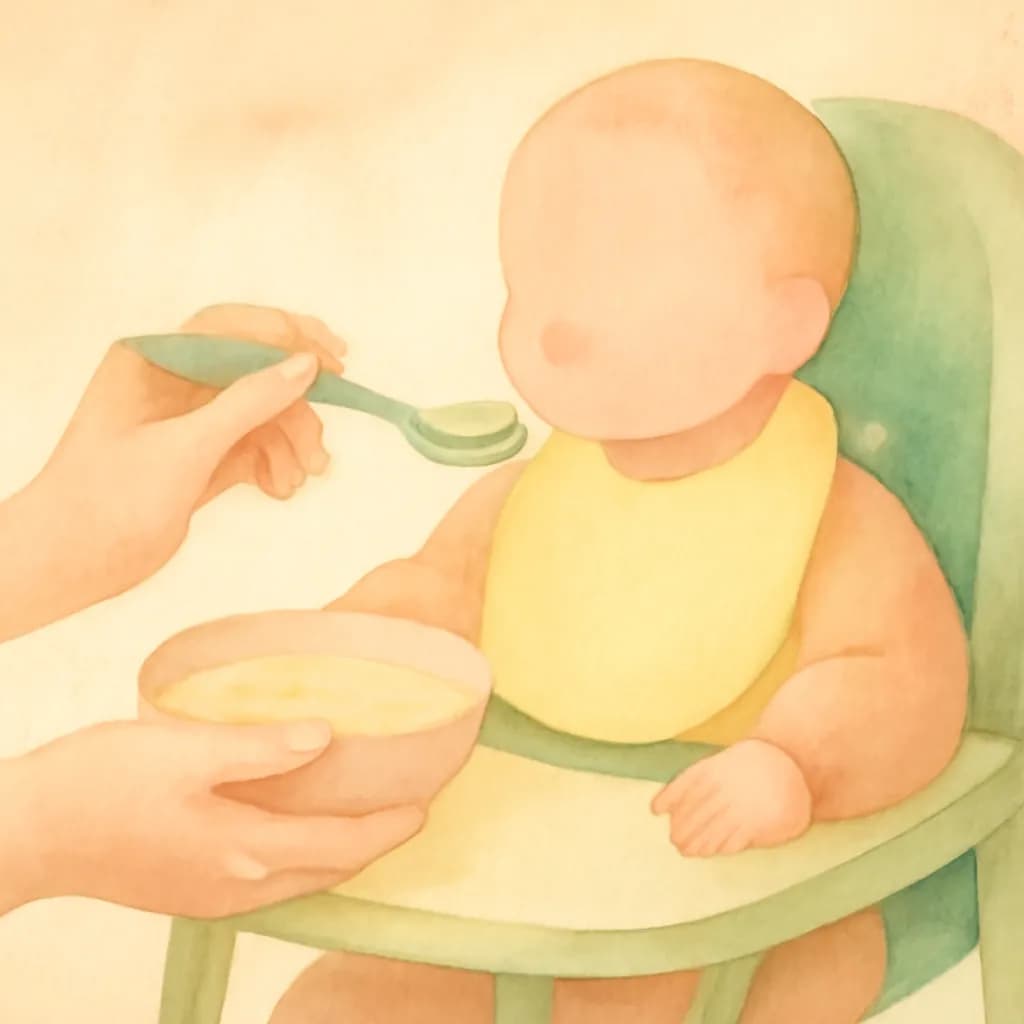
What 6-12 month olds need
Babies between 6 and 12 months gradually increase their solid food intake while continuing to rely on breastmilk or formula as their main nutrition source. Starting with one small meal around 6 months, the number of meals and snacks grows over time.
By 9 to 12 months, most babies have three meals and one or two snacks daily, with portion sizes increasing from tiny spoonfuls to about a quarter to half a cup. Iron-rich foods should be included at every meal from 6 months onwards.
Why this schedule works
- Gradual introduction of solids supports digestive development and acceptance of new tastes and textures.
- Milk remains the primary nutrition source until around 9 months, ensuring adequate hydration and nutrients.
- Small, frequent meals and snacks match babies’ small stomach capacity and energy needs.
- Including iron-rich foods at every meal helps prevent iron deficiency during rapid growth.
- Following family meal times encourages social eating and helps babies learn mealtime routines.
- Listening to your baby’s hunger and fullness cues supports healthy eating habits and prevents overfeeding.
When to consult your pediatrician
- Your baby consistently refuses to eat solids or shows very low intake over several days.
- There is a noticeable drop or lack of weight gain according to growth charts.
- Signs of dehydration such as very few wet diapers or dry mouth.
- Persistent vomiting, diarrhea, or difficulty swallowing.
Sample daily schedule
7am - Morning milk feed
Begin the day with a breastmilk or formula feed to provide essential nutrients and hydration.
9am - Small solid meal
Offer a tiny portion (a few tablespoons) of iron-rich pureed food or soft mashed foods, gradually increasing over 2-4 weeks.
12pm - Milk feed
Provide another breastmilk or formula feed to maintain nutritional balance.
2pm - Second solid meal
Serve 2-3 tablespoons of varied textures and tastes, including iron-rich options, to encourage exploration.
4pm - Snack (from 9 months)
Introduce a small healthy snack such as soft fruit pieces or baby-friendly finger foods.
6pm - Family meal
Offer a larger solid meal (up to half a cup) alongside family mealtime, allowing your baby to join in and try new foods.
7:30pm - Evening milk feed
End the day with a breastmilk or formula feed to support overnight nutrition.
Frequently asked questions
How many meals should a 6-month-old baby have?
At around 6 months, babies typically start with one small solid meal per day for 2 to 4 weeks, then increase to two meals daily while continuing regular milk feeds.
When should I add snacks to my baby's diet?
Snacks can be introduced around 9 months of age, starting with one small healthy snack per day and increasing to two by 10 to 12 months.
What portion sizes are appropriate for babies 6 to 12 months?
Portion sizes start very small - just a few tablespoons - and gradually increase to about a quarter to half a cup by 10 to 12 months, depending on your baby's appetite.
Is milk still important after starting solids?
Yes, breastmilk or formula remains the main source of nutrition from 6 to 9 months and continues to be important throughout the first year alongside solids.
How can I tell if my baby is hungry or full?
Babies show hunger by opening their mouth, leaning forward, or reaching for food, and fullness by turning away, closing their mouth, or losing interest. Responding to these cues helps support healthy eating habits.
Can my baby eat the same meals as the family?
Yes, once your baby is comfortable with solids, offering family meals that are appropriately prepared and safe can encourage social eating and variety.
What iron-rich foods should I offer my baby?
Include iron-rich foods such as pureed meats, iron-fortified cereals, lentils, and mashed beans at every meal from 6 months to support healthy growth.
Get your baby's feeding schedule + recipes
A personalized daily schedule that evolves with your baby's age, paired with age-matched recipes for every meal - milk, solids and snacks in one calm plan.
verifiedSources & References
This guide is informed by current guidelines from leading health organizations: