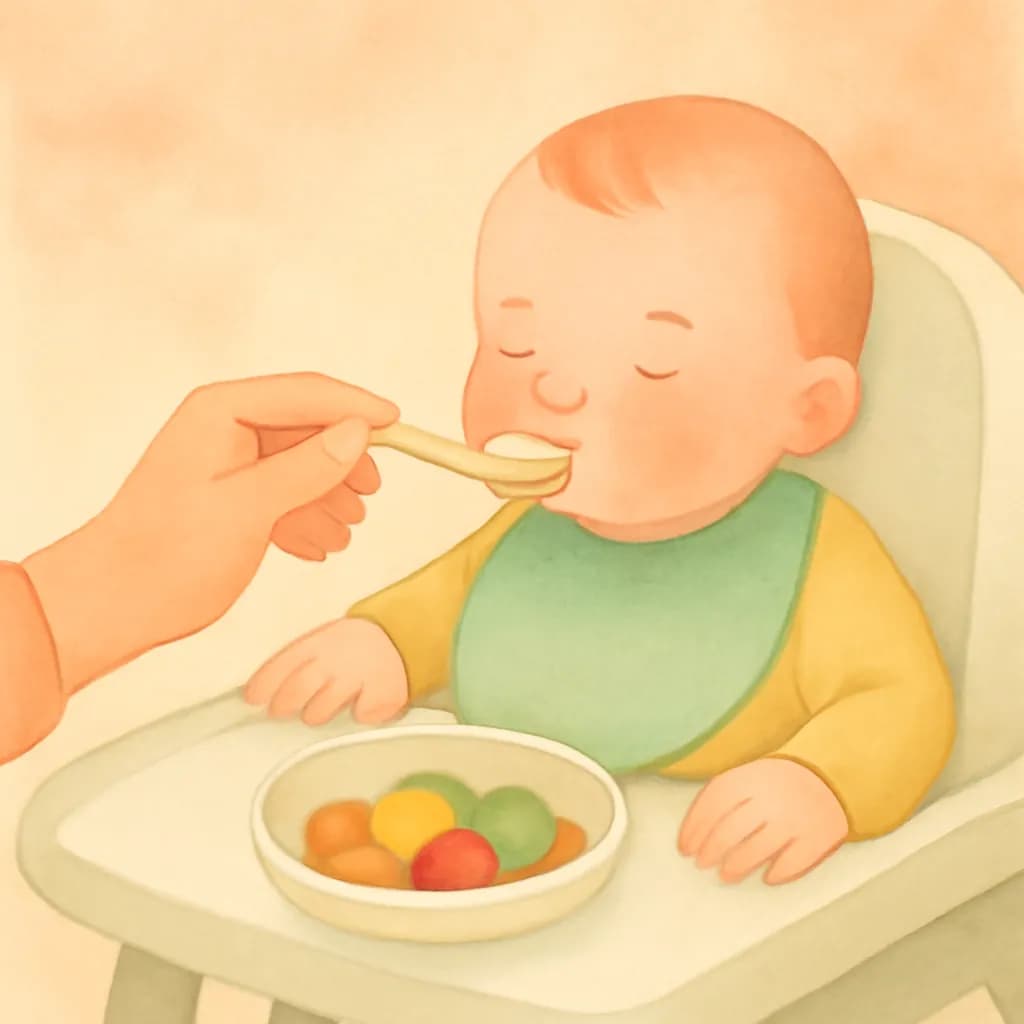
Is it normal for a baby to only eat fruit?
Many babies and toddlers enjoy fruit because it tastes sweet and is easy on their digestive system. This preference is a common phase in early eating development.
While it's normal for this phase to occur, it's important to ensure your child also gets enough protein, iron, and healthy fats to support growth and development.
Why does my baby only want to eat fruit?
- Fruit’s natural sweetness appeals to babies’ developing taste buds.
- Fruit is easy to chew and digest, making it a comfortable choice.
- Babies may be exploring new tastes and textures, often preferring familiar sweet flavours.
- Offering fruit frequently can unintentionally reinforce this preference.
- Teething discomfort may make softer, sweeter foods more appealing.
- Babies may be seeking quick energy from natural sugars during growth spurts.
When to call your doctor
- Your baby’s weight gain stalls or drops over several weeks.
- Your child shows low energy or seems unusually tired.
- Persistent refusal of all foods except fruit beyond a few weeks.
- Signs of iron deficiency such as pale skin or irritability.
What to try if your baby only eats fruit
Offer fruit alongside protein and iron-rich foods
Don’t withhold fruit but pair it with foods like yogurt, beans, or iron-fortified cereals to balance meals and encourage varied tastes.
Combine fruit with healthy fats
Mix fruit with nut butters or avocado to add healthy fats and protein, making snacks more nutritious and satisfying.
Serve savoury foods at lunch and dinner
Introduce savoury options during main meals to help your baby get used to different flavours without pressure or battles.
Make mealtimes relaxed and positive
Avoid forcing or turning mealtimes into a struggle; gentle encouragement helps babies explore new foods at their own pace.
Be patient as the phase usually passes
Many children naturally expand their diet over time as they grow and develop new tastes.
Frequently asked questions
Is it harmful if my baby only eats fruit for a short time?
A short phase of eating mostly fruit is usually not harmful, as fruit provides vitamins and energy. However, it’s important to gradually introduce other foods to ensure your baby gets enough protein, iron, and healthy fats.
How can I encourage my baby to try savoury foods?
Offer savoury foods alongside fruit without pressure. Pairing fruit with protein-rich foods like yogurt or nut butter can help your baby get used to new flavours in a familiar context.
What are signs my baby might need a check-up related to diet?
If your baby’s weight gain slows, energy levels drop, or they show signs of iron deficiency such as pale skin or irritability, consult your pediatrician for advice and possible testing.
Can teething affect my baby’s food preferences?
Yes, teething can make babies prefer softer, sweeter foods like fruit because they are easier to chew and soothe sore gums.
Should I stop giving fruit if my baby refuses other foods?
No, don’t withhold fruit as it provides important nutrients and energy. Instead, try pairing fruit with other foods and offer a variety of tastes gently and consistently.
How long does the fruit-only phase usually last?
This phase often lasts a few weeks to a couple of months. Most babies naturally expand their diet as they grow and develop new tastes.
Get unstuck + a plan for your baby
Personalized, age-aware troubleshooting plus a feeding schedule and recipes built around your baby, so mealtimes get easier from here.
verifiedSources & References
This guide is informed by current guidelines from leading health organizations: