Is this normal?
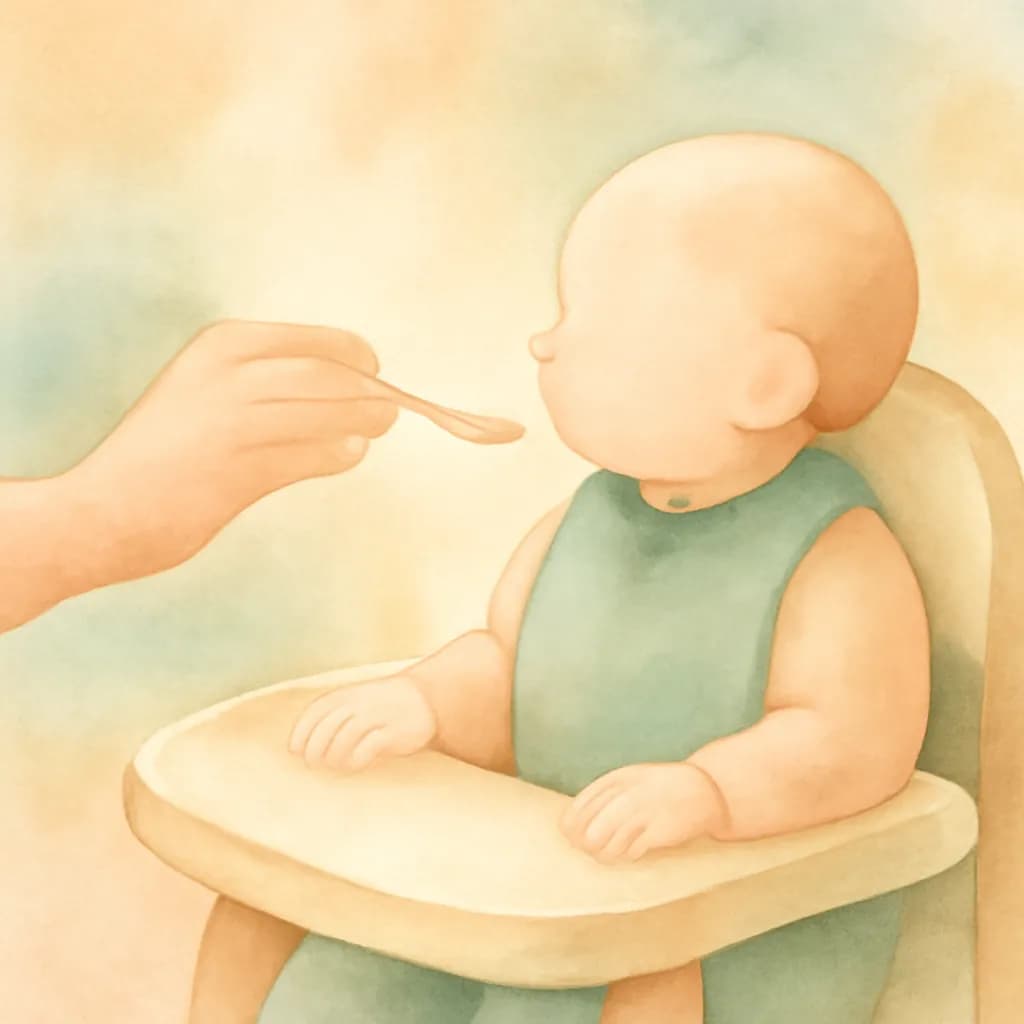
Many babies in this age range are still mastering the motor skills needed for self-feeding. It’s perfectly normal for some to prefer spoon-feeding or to reject certain foods initially.
Sensory preferences and fear of mess can also make babies hesitant. With gentle encouragement and patience, most babies gradually become more comfortable feeding themselves.
Why it happens
- Motor skills like hand-eye coordination and grasping are still developing.
- Sensory aversions to textures or tastes can make babies reluctant to try new foods.
- Babies used to being spoon-fed may resist switching to self-feeding.
- Fear of mess or unfamiliar sensations can cause hesitation.
- Oral motor skills needed for chewing and swallowing may not be fully developed.
- Some babies may simply need more time and repeated exposure to new foods.
When to call your doctor
- Baby is not reaching motor milestones like grasping or bringing hands to mouth.
- Lack of interest in exploring food or putting objects in their mouth.
- Difficulty swallowing or frequent choking episodes.
- Persistent refusal to eat or drink anything by mouth.
What to try
Offer pre-loaded spoons
Give your baby spoons with a small amount of food already on them to help them practice bringing food to their mouth.
Introduce soft finger foods
Provide easy-to-hold, soft pieces of food like ripe banana or steamed vegetables to encourage self-feeding.
Use hand-over-hand modelling
Gently guide your baby’s hand to the food and their mouth to demonstrate the action.
Model your own eating
Eat together and show your baby how you pick up and enjoy food to inspire them.
Be patient and consistent
Allow your baby time to explore foods at their own pace without pressure or frustration.
Frequently asked questions
How can I encourage my baby to self-feed?
Offer soft finger foods and pre-loaded spoons, model eating yourself, and gently guide your baby’s hand. Patience and repeated exposure help build confidence.
Is it normal for my baby to prefer spoon-feeding?
Yes, many babies prefer spoon-feeding at first. It can take time for them to develop the skills and confidence needed for self-feeding.
What if my baby rejects certain textures?
Sensory aversions are common. Try offering a variety of textures gradually and without pressure, allowing your baby to explore at their own pace.
When should I worry about my baby not self-feeding?
If your baby isn’t reaching motor milestones, shows no interest in food, or has swallowing difficulties, consult your healthcare provider for advice.
Can fear of mess affect self-feeding?
Yes, some babies are sensitive to the feel of food or the mess it makes. Offering finger foods and encouraging exploration in a relaxed setting can help.
How long should I wait before trying self-feeding again?
There’s no set timeline. Keep offering opportunities regularly, and follow your baby’s cues. Patience is key to supporting their progress.
Get unstuck + a plan for your baby
Personalized, age-aware troubleshooting plus a feeding schedule and recipes built around your baby, so mealtimes get easier from here.
verifiedSources & References
This guide is informed by current guidelines from leading health organizations: