When can babies have bread?
From around 6 months, once your baby shows signs of readiness for solids, you can offer bread as part of a varied diet. This aligns with WHO guidance to start complementary foods at about 6 months and NHS advice that bread can be offered from this age, choosing lower salt options.
Wheat is a common allergen. Introduce a small amount at first, then offer it regularly if tolerated. The AAP no longer recommends delaying common allergens like wheat. If your baby has severe eczema, existing food allergy, or a family history of celiac disease or wheat allergy, speak with your clinician before introducing.
How to serve bread safely
6 to 9 months: Offer lightly toasted bread cut into 4-5 cm finger-length strips that are about the width of an adult finger. Remove very hard crusts and large seeds. Lightly moisten if needed or add a thin smear of soft topping, such as avocado, hummus, or smooth peanut butter thinned with yogurt or milk. Avoid thick, sticky globs.
9 to 12 months: Once the pincer grasp develops, switch to pea-sized pieces and small, soft sandwiches with thin fillings. After 12 months, you can offer small squares or quartered sandwiches. Always do the squish test, supervise closely, and serve water with meals to help clear dry crumbs.
Nutritional benefits of bread
- 💚Provides carbohydrates for energy to fuel rapid growth and learning.
- 💚Whole grain varieties add fiber that supports healthy digestion.
- 💚Supplies B vitamins like thiamin, niacin, and folate for energy metabolism and development.
- 💚Some breads are fortified with iron and other minerals. Pair with vitamin C foods to support iron absorption.
- 💚Contains small amounts of protein and trace minerals that contribute to a balanced plate.
Safety considerations
- ✓Choking risk: Dry, doughy bread can ball up. For 6 to 9 months use 4-5 cm finger strips. Use pea-sized after pincer grasp. Always apply the squish test so bread is easily compressed between fingers.
- ✓Allergy: Wheat and gluten can be introduced from around 6 months. The AAP does not recommend delaying common allergens. Start with a small amount, offer earlier in the day, and watch for hives, vomiting, coughing, or facial swelling.
- ✓Sodium: Many breads are salty. Choose lower salt options and avoid very salty toppings. The NHS advises limiting salt in baby foods.
- ✓Add-ins and toppings: Avoid breads with whole nuts, large seeds, hard grains, or dried fruit chunks early on. Spread nut or seed butters very thin and never serve thick globs.
- ✓Hidden allergens: Check labels for milk, soy, egg, and sesame which often appear in breads or toppings. Avoid honey on bread until after 12 months.
Baby-friendly bread recipes
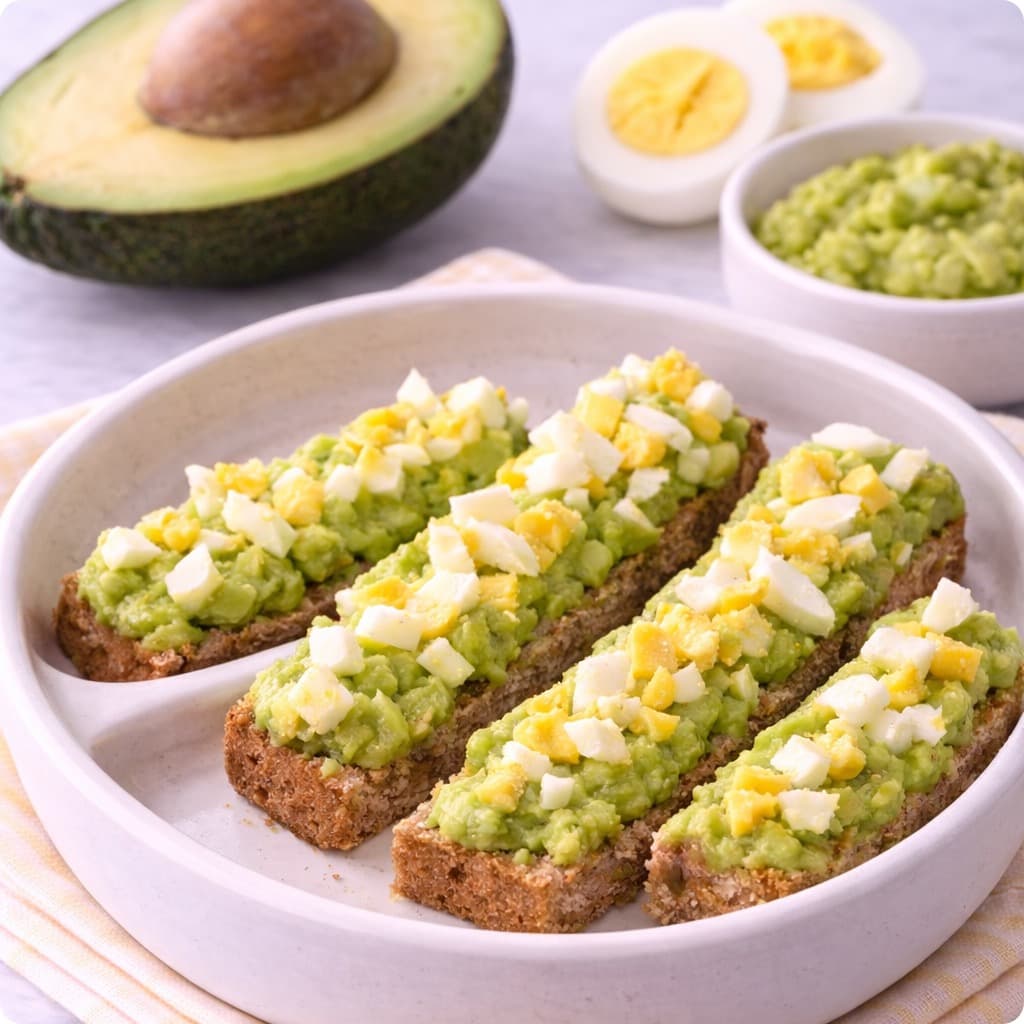
Egg Avocado Toast Fingers
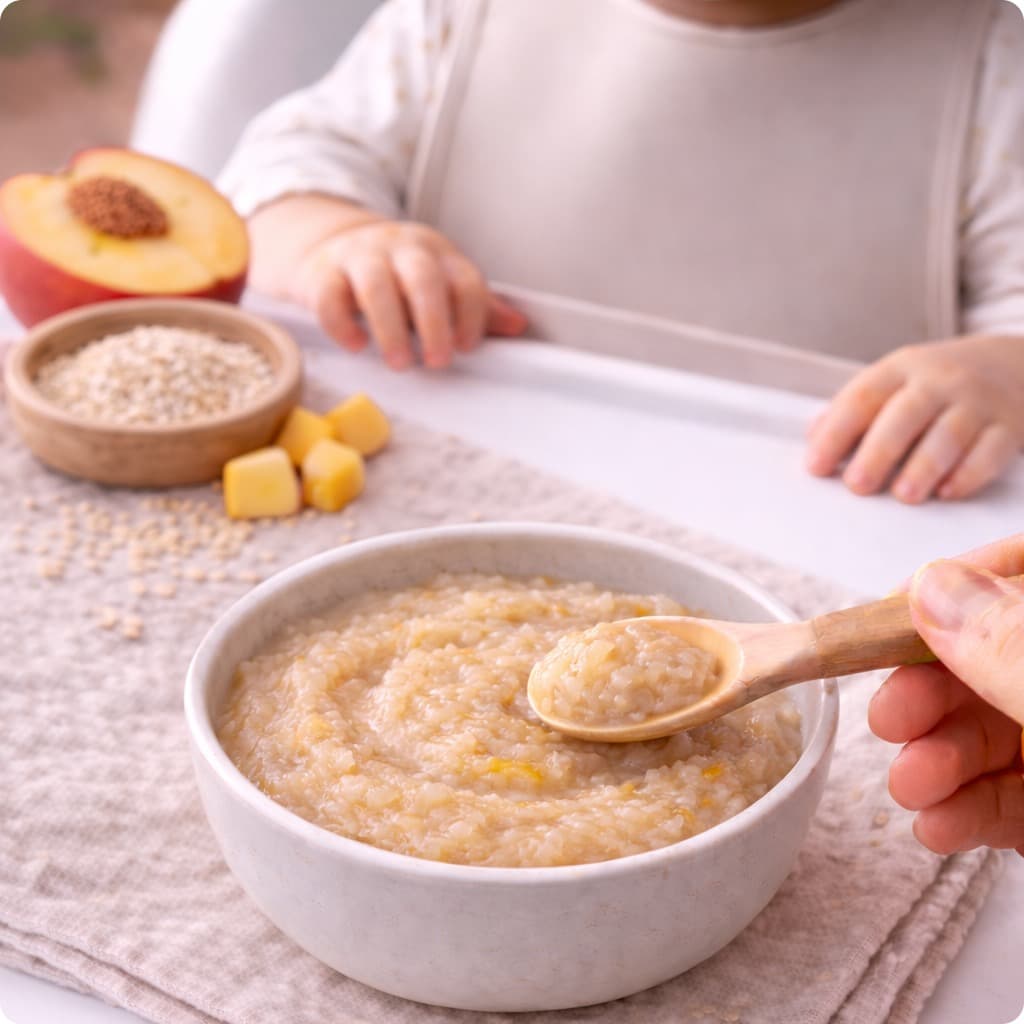
Peach Wheat Cereal
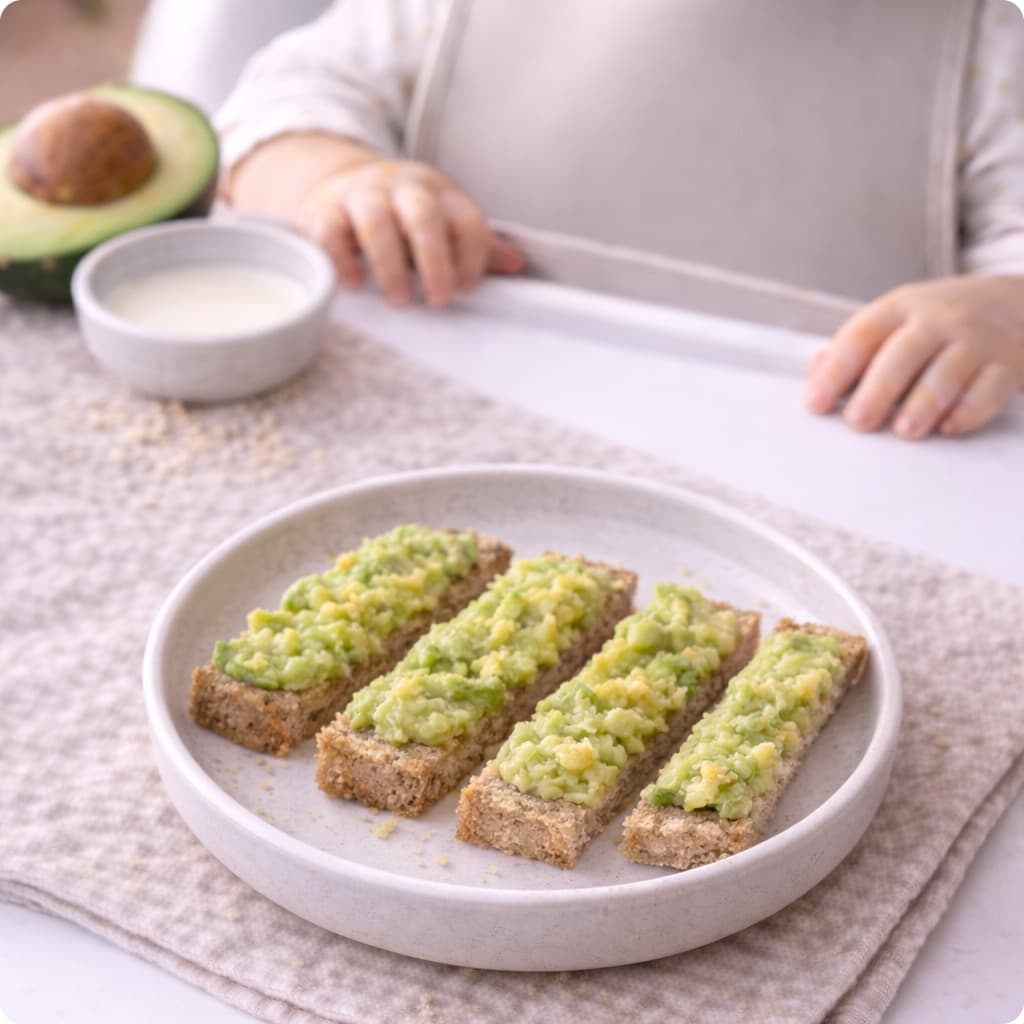
Avocado Toast Fingers (BLW)
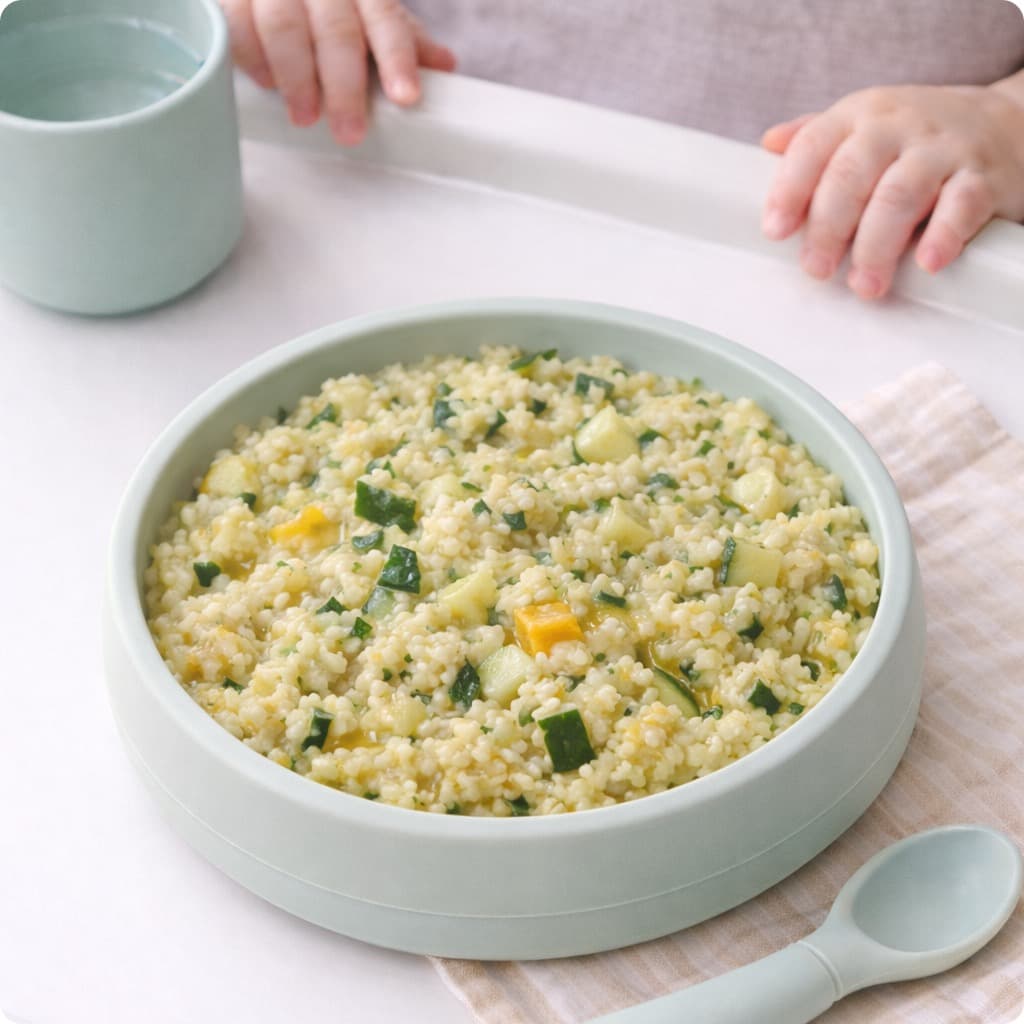
Bulgar Wheat + Zucchini + Olive Oil
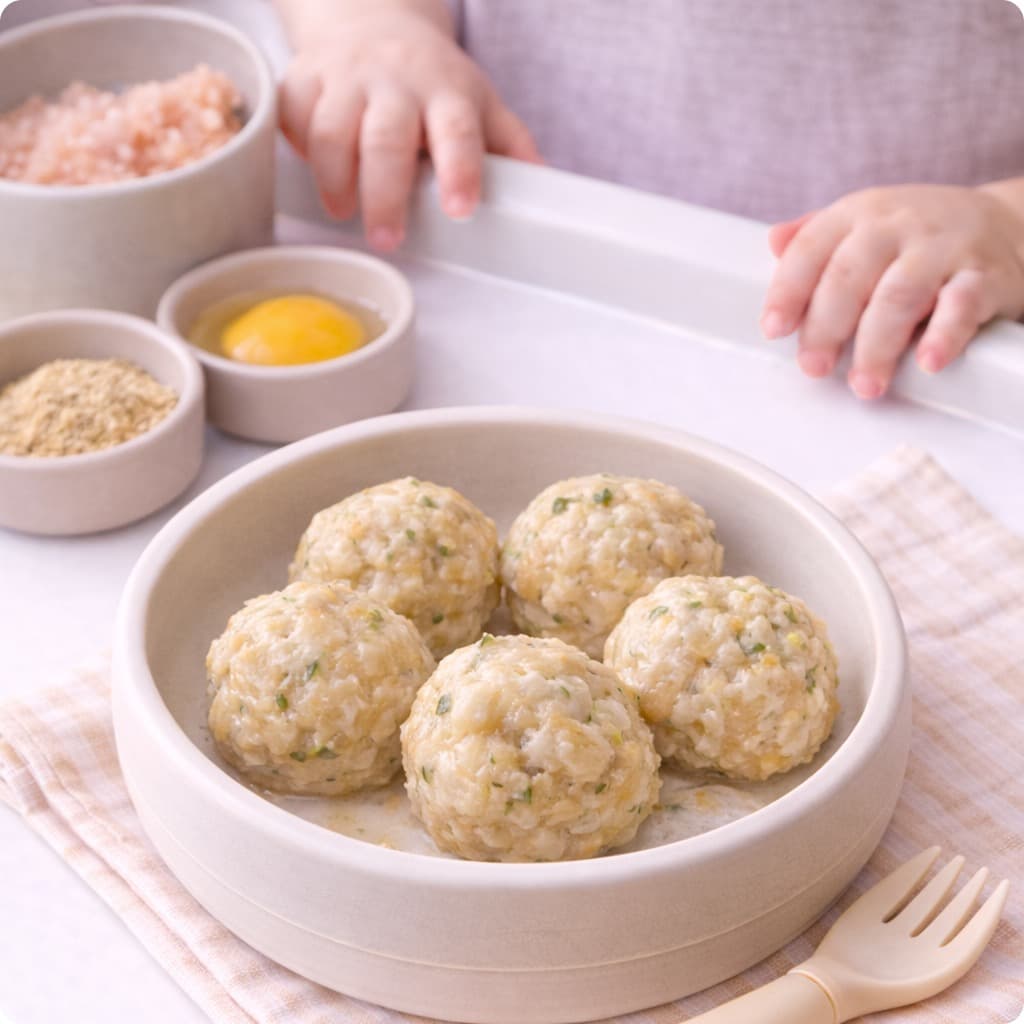
Chicken BLW Meatballs (Soft)
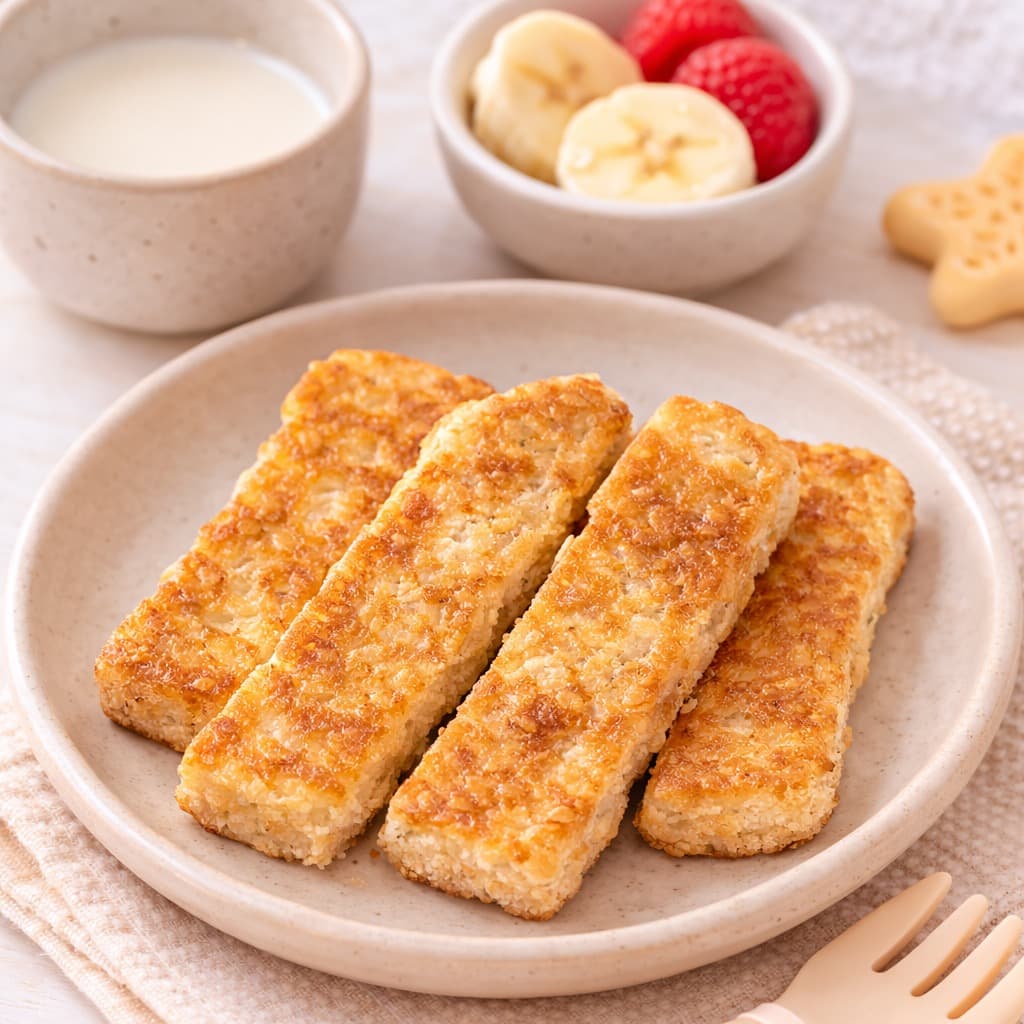
French Toast BLW Strips (Baby Safe)
Bread for babies: FAQs
Is bread a choking hazard for babies?
Bread can be a choking risk if it is very dry, very chewy, or clumps in the mouth. Lightly toast and serve 4-5 cm finger strips for 6 to 9 months, then pea-sized pieces after the pincer grasp. Offer sips of water and supervise closely.
Which type of bread is best for babies?
Choose lower salt bread with simple ingredients. Soft whole grain or half whole grain is great for fiber, but avoid very hard crusts, large seeds, and nuts early on. Sourdough and rye are fine if the texture is soft and the sodium is not high.
How do I introduce wheat and check for allergy?
Offer a small amount at breakfast or lunch, then watch for reactions for 2 to 3 hours. If tolerated, keep offering wheat regularly. The AAP no longer recommends delaying common allergens like wheat. Seek urgent care for breathing trouble or facial swelling.
Can my baby have gluten-free bread?
Yes, but gluten does not need to be avoided unless advised by your clinician. NHS guidance supports introducing gluten from around 6 months. If there is a family history of celiac disease, discuss timing and testing with your healthcare provider.
How much bread can a baby have in a day?
Bread is useful energy but not very high in iron. Offer it as part of balanced meals with protein, fruits or veggies, and iron-rich foods. 1 to 2 small servings a day is plenty for most babies.
Are toast crusts and seeded loaves OK?
Lightly toasted is easier to handle. Remove very hard crusts and large seeds at first. Once chewing improves, you can keep more of the crust if it passes the squish test and your baby handles it well.
What spreads work well on baby toast?
Use thin layers of soft toppings like avocado, ricotta, hummus, or smooth nut butter thinned with yogurt or milk. Avoid honey until after 12 months, and avoid thick, sticky spreads that can clump.
Get recipes + a feeding plan for your baby
Save this food to your baby's list, get age-appropriate recipes and follow a personalized feeding schedule - 350+ baby-safe meals in the app.
verifiedSources & References
This guide is informed by current guidelines from leading health organizations: