When can babies eat salt?
Babies under 12 months should avoid added salt entirely. Their kidneys are immature and cannot handle excess sodium, which can be harmful.
After 12 months, small amounts of salt can be introduced, but intake should remain very limited. Watch out for hidden salt in bread, cheese, processed foods, store-bought baby foods, and restaurant meals.
How to serve salt safely
Do not add salt to homemade baby food or infant meals. Instead, rely on natural flavors from fresh ingredients.
When your child is over 12 months, continue to limit salt by choosing low-sodium options and avoiding processed or packaged foods high in salt.
Nutritional benefits for babies
- 💚Supports healthy kidney development by limiting sodium intake in infancy
- 💚Encourages acceptance of natural food flavors without reliance on salt
- 💚Reduces risk of high blood pressure and related health issues later in life
- 💚Promotes balanced nutrition through whole, minimally processed foods
Safety considerations
- ✓Avoid adding salt to any food given to babies under 12 months.
- ✓Check labels on processed and store-bought baby foods for sodium content.
- ✓Be cautious with common high-salt foods like bread, cheese, and restaurant meals.
- ✓Consult healthcare providers for personalized advice on salt and sodium intake.
Baby-friendly recipes
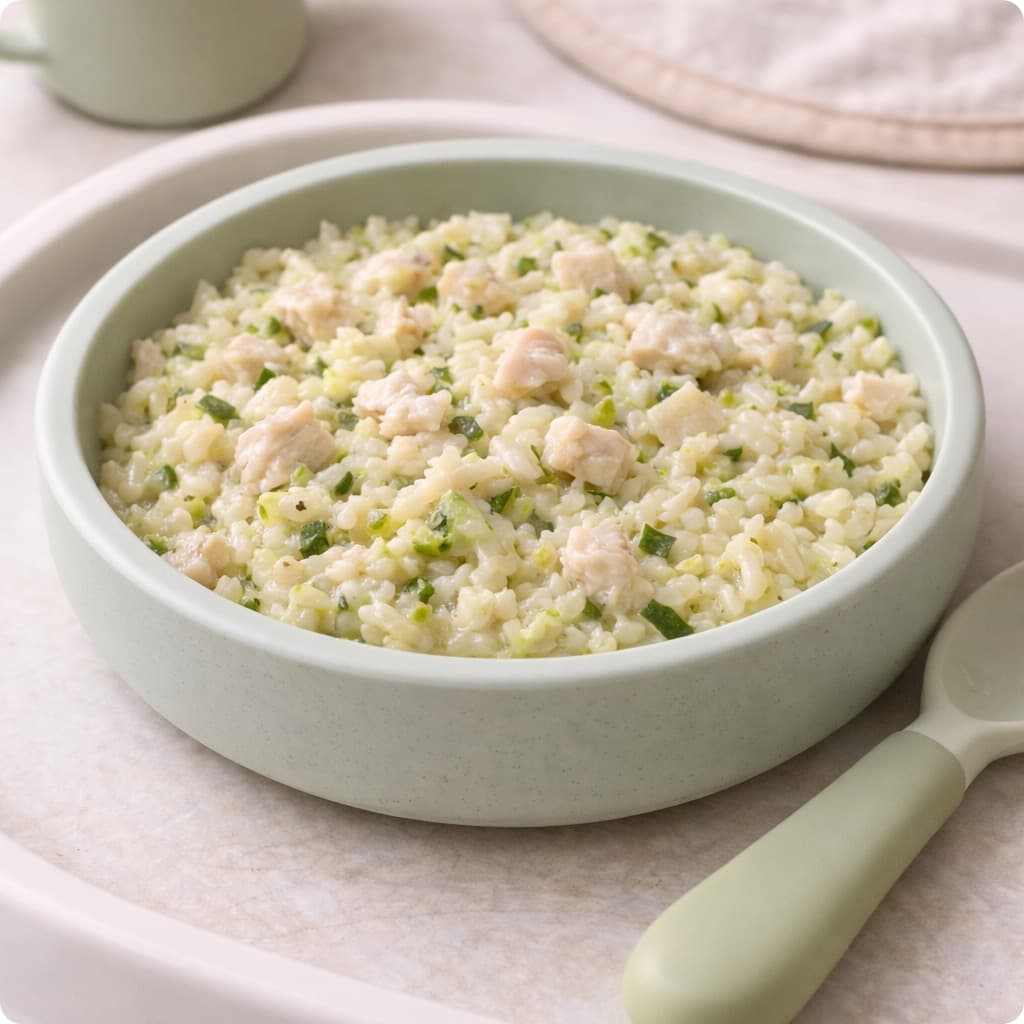
Baby Chicken Risotto (Zucchini Version)
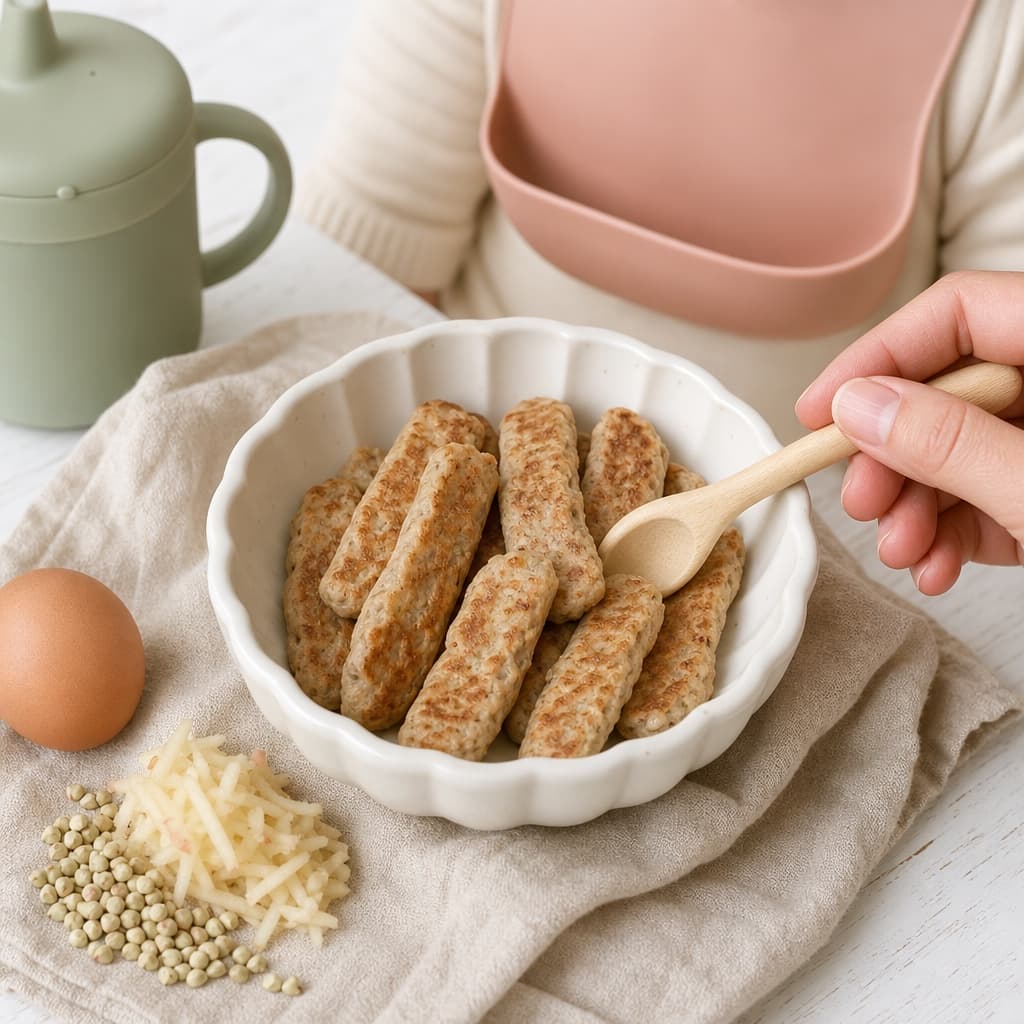
Apple Buckwheat Pancake Strips
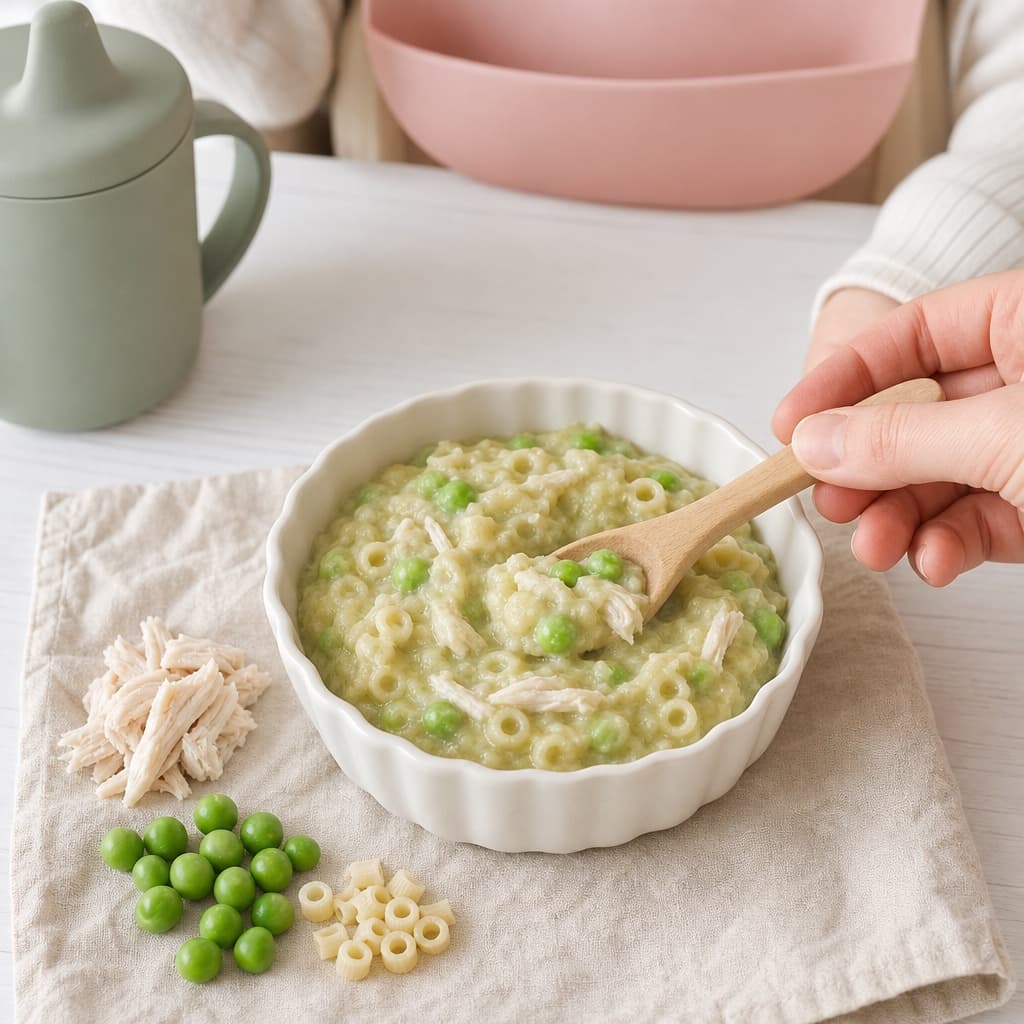
Chicken Pea Tiny Pasta Bowl
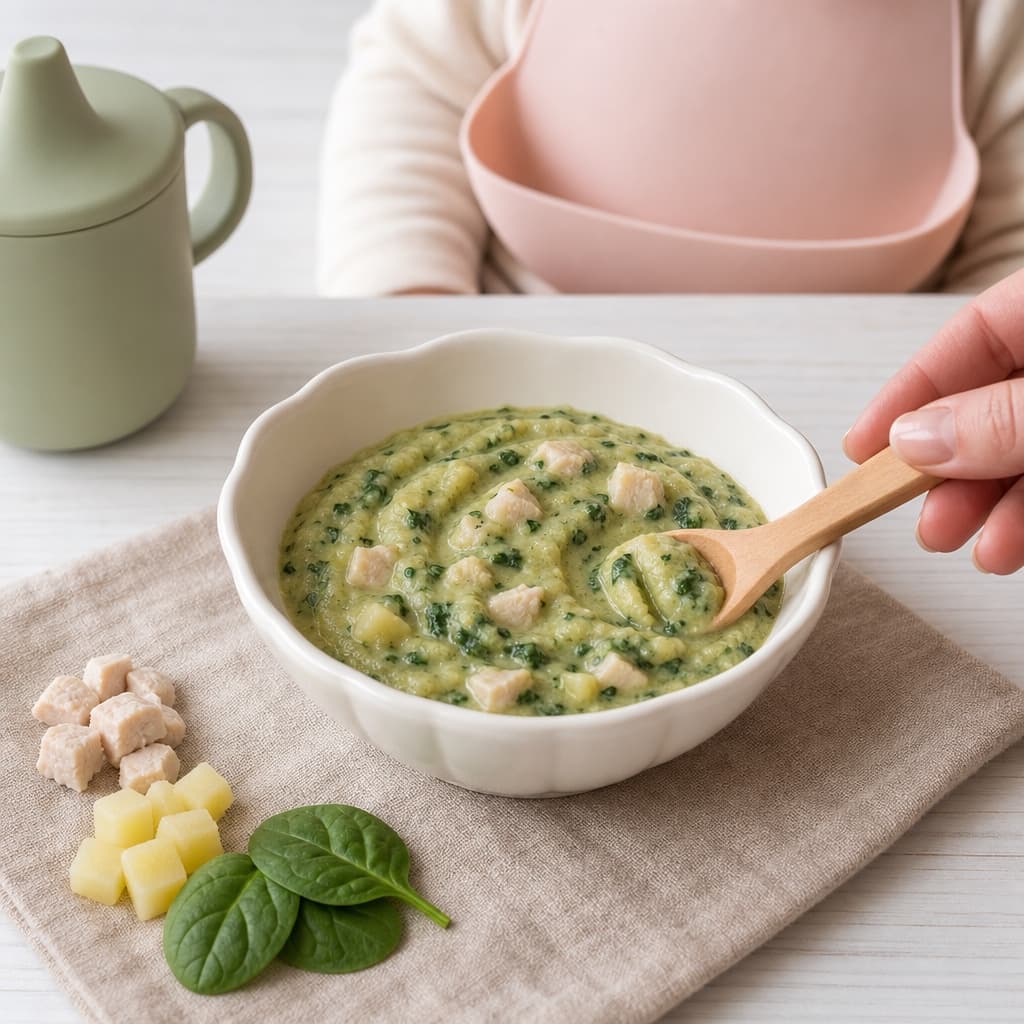
Chicken Spinach Potato Bowl
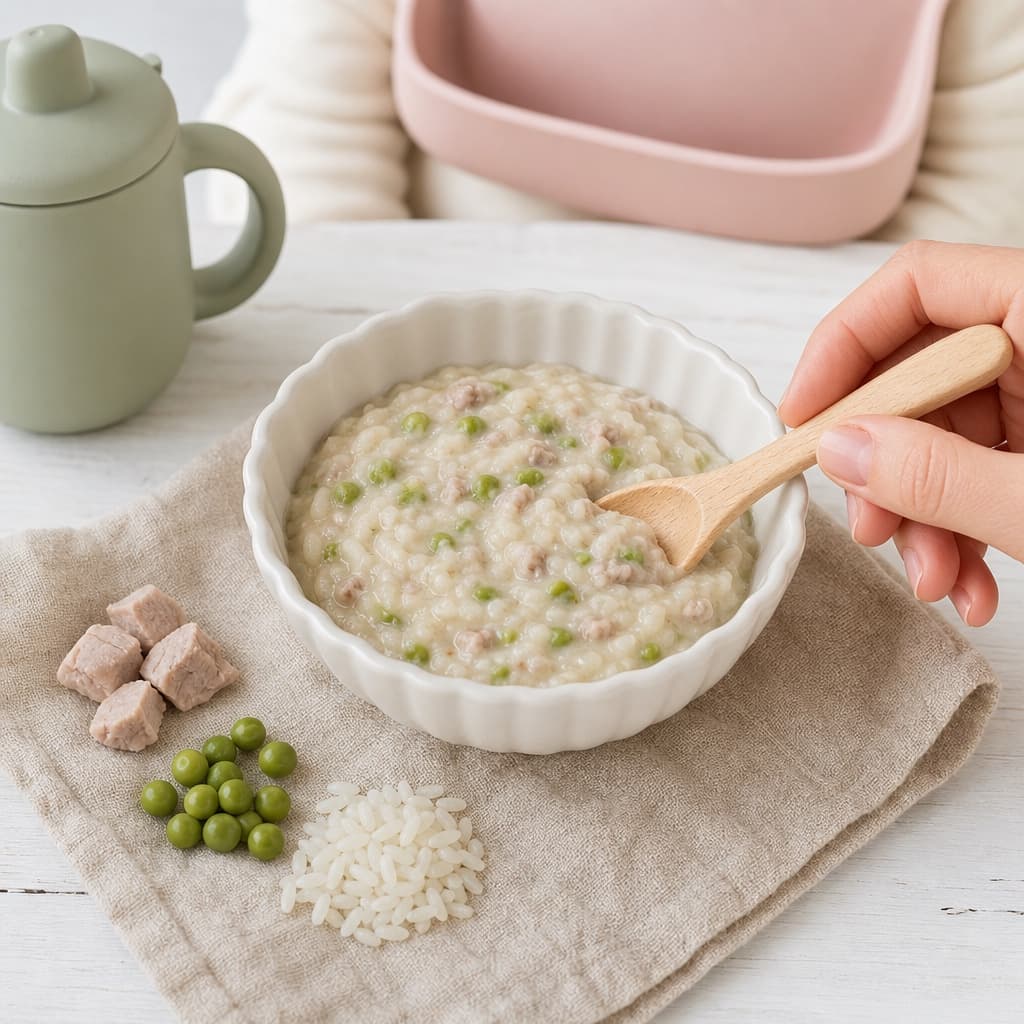
Veal Pea Rice Mash
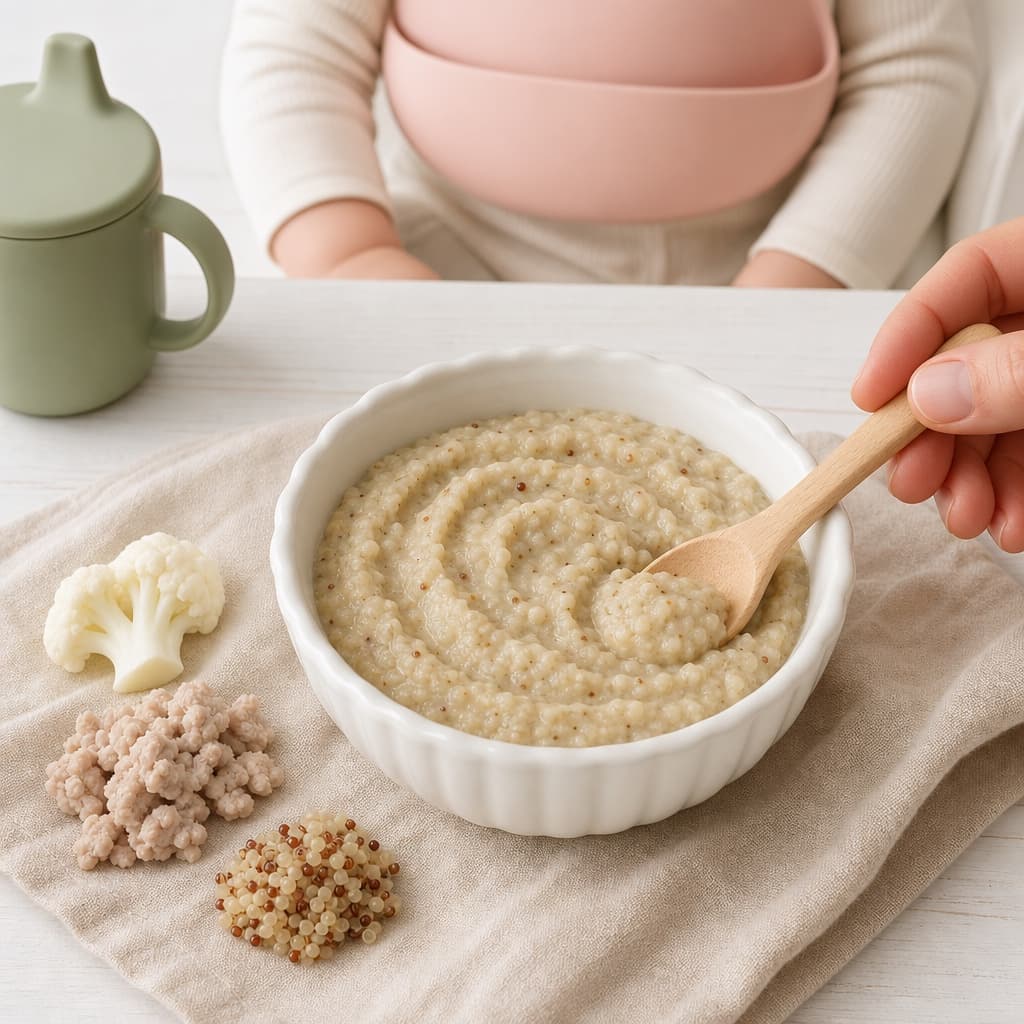
Turkey Cauliflower Quinoa Bowl
Frequently asked questions
Why should babies under 12 months avoid added salt?
Babies under 12 months have immature kidneys that cannot process excess sodium effectively. Added salt can strain their kidneys and increase the risk of health problems, so guidelines recommend avoiding any added salt during this period.
How much salt is safe for babies over 12 months?
After 12 months, salt intake should still be very limited. The recommended maximum is less than 1 gram of salt per day (about 0.4 grams of sodium). This helps protect kidney health and supports healthy blood pressure.
Are there hidden sources of salt in baby foods?
Yes, many processed and store-bought baby foods, as well as common foods like bread, cheese, and restaurant meals, can contain significant amounts of salt. Always check labels and choose low-sodium options where possible.
Can I add salt to homemade baby food after 12 months?
It is best to avoid adding salt to homemade baby food even after 12 months. Instead, use natural herbs and spices to enhance flavor without increasing sodium intake.
What are the risks of too much salt in early childhood?
Excess salt intake in early childhood can increase the risk of developing high blood pressure and kidney problems later in life. It may also influence taste preferences, leading to a preference for salty foods.
How can I reduce salt in my toddler’s diet?
Limit processed and packaged foods, choose fresh or minimally processed options, avoid adding salt during cooking, and read nutrition labels to select low-sodium products.
Is sea salt or Himalayan salt better for babies?
All types of salt contain sodium and should be limited for babies. There is no health benefit to using sea salt or Himalayan salt over regular salt for young children.
What guidelines do health authorities provide about salt for babies?
Leading health authorities like the NHS, AAP, and WHO recommend no added salt for babies under 12 months and very limited salt intake thereafter to support healthy development and reduce health risks.
Get recipes + a feeding plan for your baby
Save this food to your baby's list, get age-appropriate recipes and follow a personalized feeding schedule - 350+ baby-safe meals in the app.
verifiedSources & References
This guide is informed by current guidelines from leading health organizations: