When can babies eat zucchini?
Zucchini can be introduced around 6 months, when your baby can sit up with support, holds their head steady, and shows interest in food. Pediatric guidance from groups like the AAP and NHS focuses on these readiness signs rather than a fixed date, since babies develop at their own pace. Because zucchini cooks down to a soft, mild texture, it is an easy early vegetable for both purees and finger-food approaches.
Zucchini is not one of the common food allergens, so there is no need to delay it. In fact, current guidance encourages introducing a variety of foods, including allergens like peanut and egg, early and often once solids begin. Offer zucchini alongside other single-ingredient foods so you can watch how your baby responds, and introduce new foods one at a time over a few days.
How to serve zucchini safely
From about 6 to 9 months, serve zucchini cooked until very soft so it is easy to gum and swallow. You can offer a smooth or lightly textured puree on a preloaded spoon, or cut a cooked zucchini into long, finger-sized spears that your baby can hold and self-feed. Leaving the skin on a soft-cooked spear can give a little extra grip, but make sure the flesh is tender all the way through.
From around 9 to 12 months and up, as your baby's pincer grasp develops, you can move to small, soft, bite-sized pieces of cooked zucchini that are easy to pick up. Always cook zucchini until soft rather than serving it raw or crunchy, since firm pieces and round coin shapes are harder to manage. Avoid large chunks and tough skin, and keep pieces about the size your baby can safely chew and swallow.
Nutritional benefits for babies
- 💚Has a high water content that helps with hydration alongside breast milk or formula
- 💚Provides vitamin C, which supports the immune system and helps the body absorb iron
- 💚Contains vitamin A and antioxidants like lutein that support healthy vision
- 💚Offers some potassium, a mineral important for fluid balance and muscle function
- 💚Adds gentle dietary fiber that supports healthy digestion
- 💚Naturally low in sodium with a soft, mild flavor that is easy for new eaters to accept
Safety considerations
- ✓Zucchini is not a common allergen, but introduce it on its own for a few days so you can spot any reaction.
- ✓Always cook zucchini until soft; firm, raw, or round coin-shaped pieces are a choking hazard.
- ✓Cut zucchini into age-appropriate shapes: finger-sized spears for younger babies, small soft pieces for older ones.
- ✓Stay within arm's reach and keep your baby seated upright in a high chair during every meal.
- ✓Introduce zucchini one new food at a time so any sensitivity is easier to identify.
Recipes with zucchini for babies
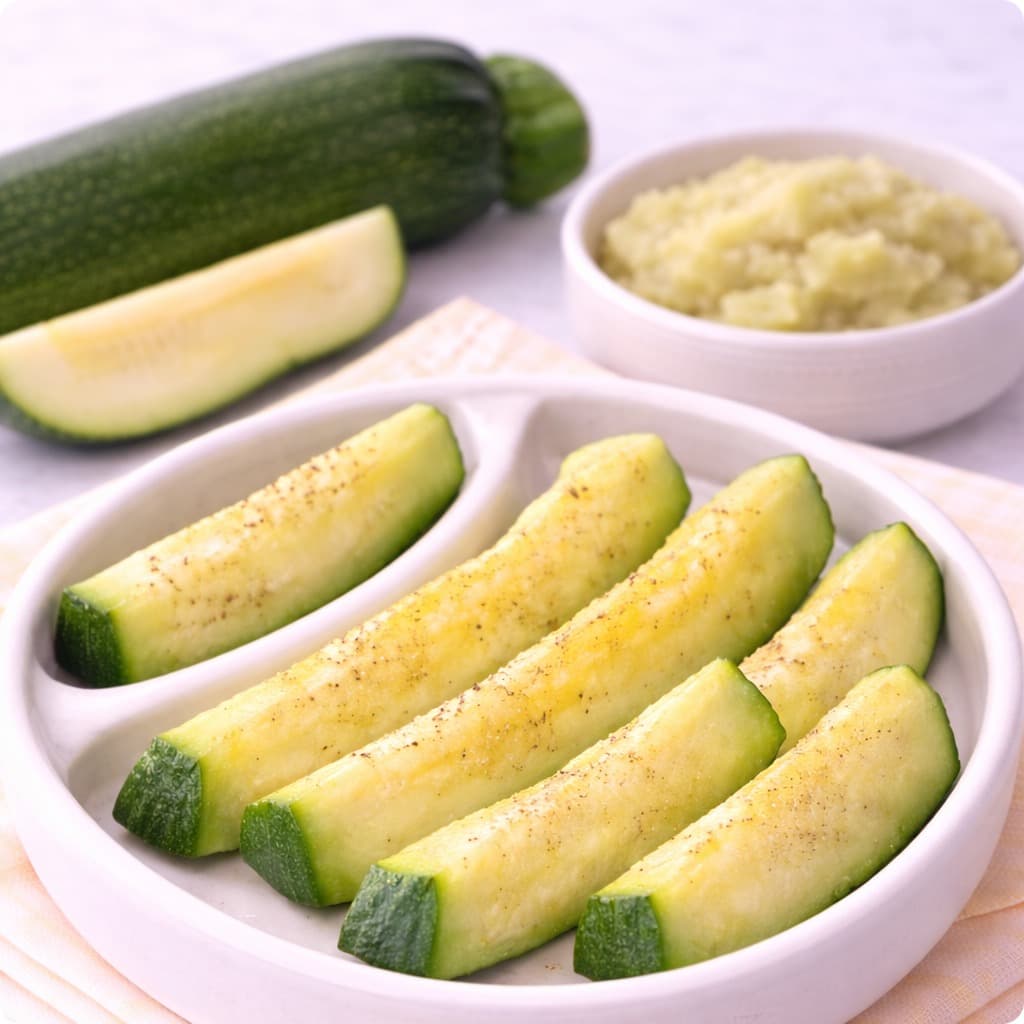
Soft Zucchini Spears
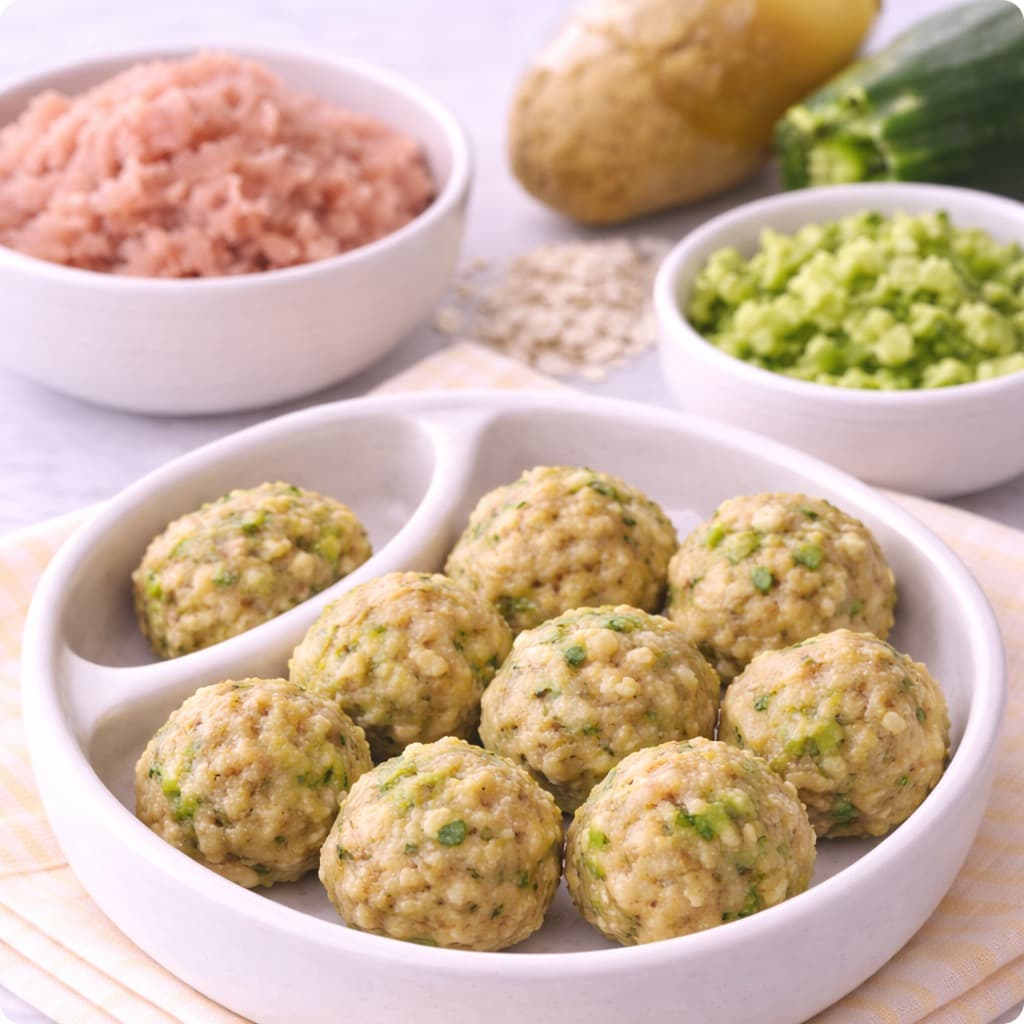
Turkey BLW Meatballs
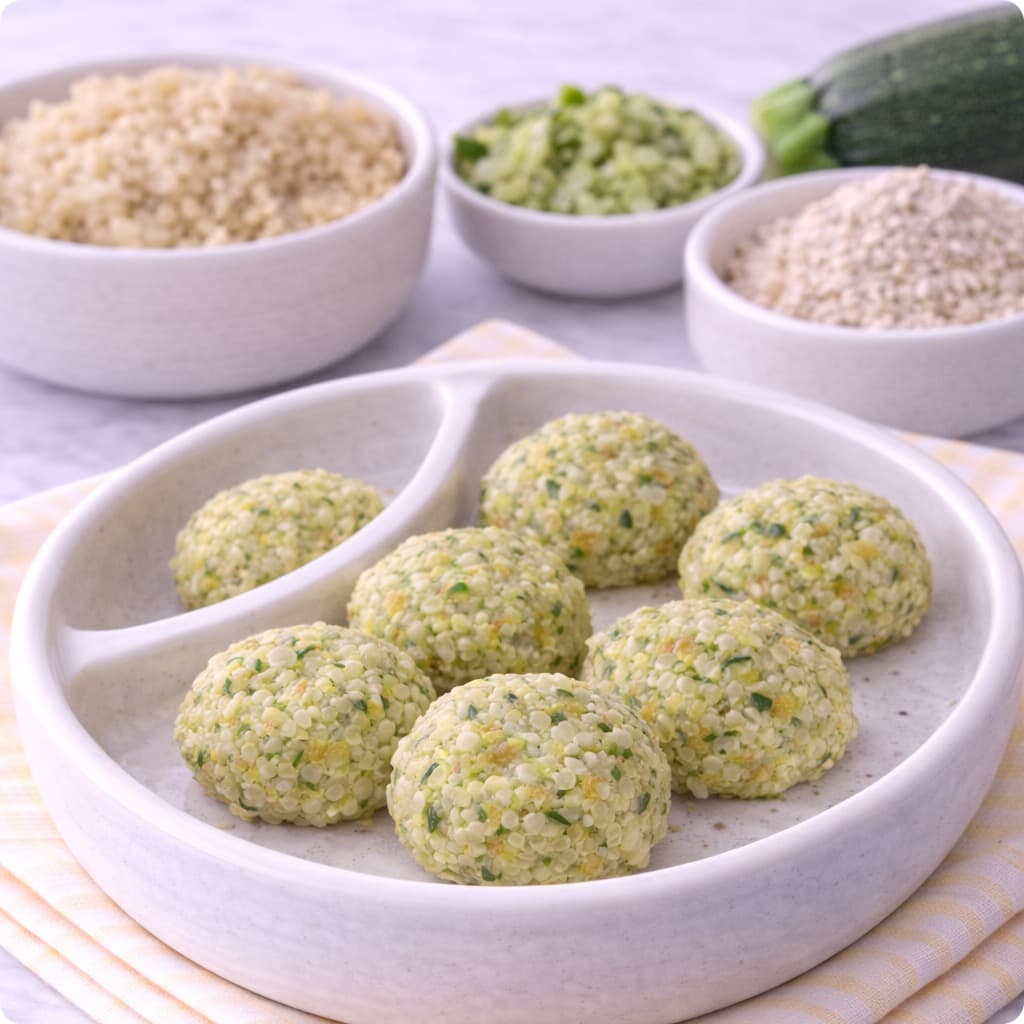
Zucchini Quinoa Balls
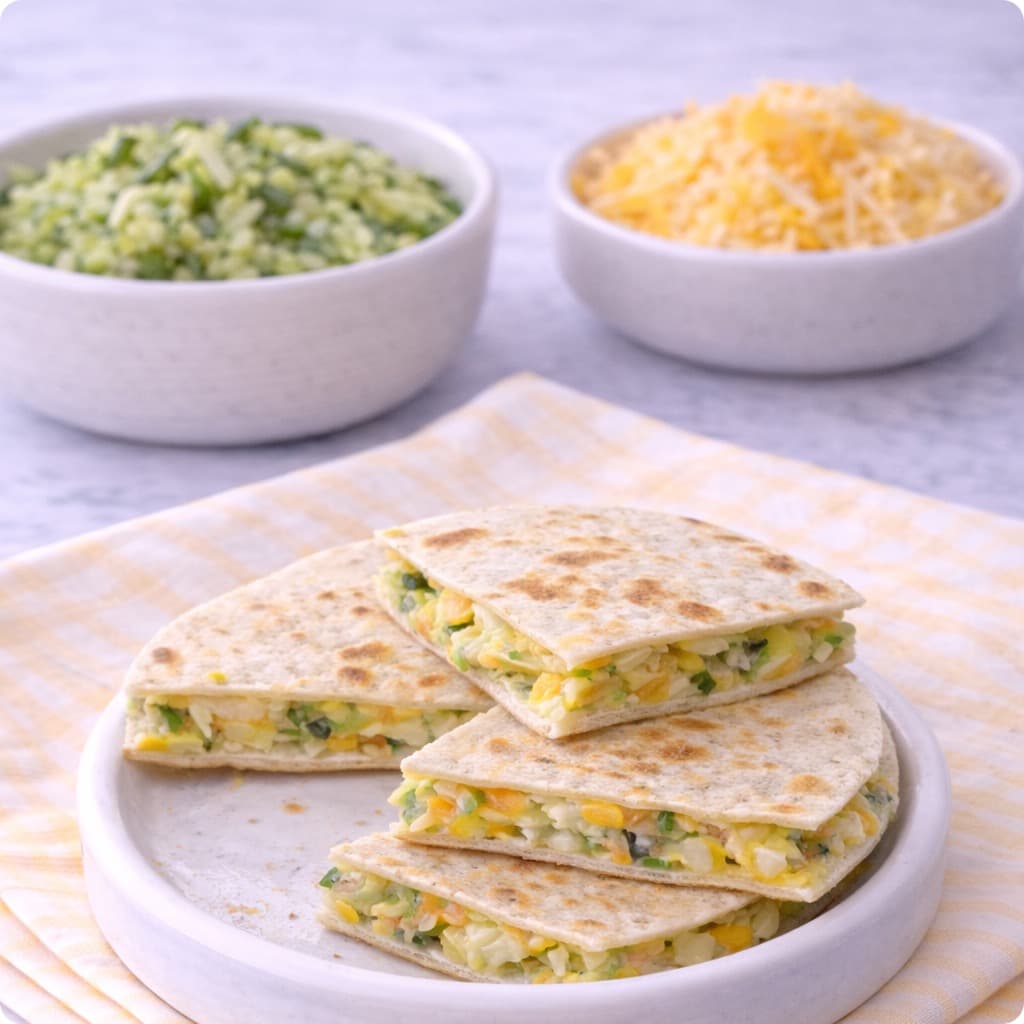
Mini Veggie Quesadilla
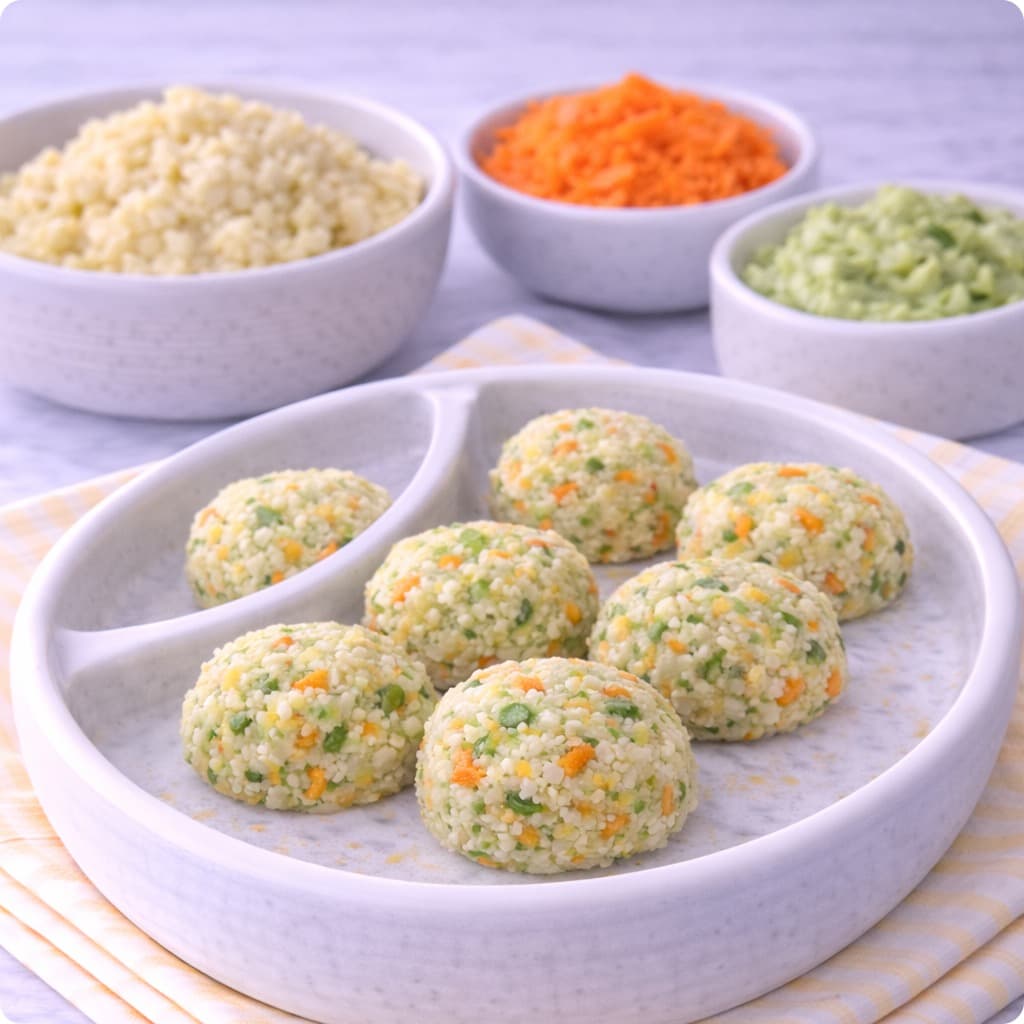
Soft Veggie Couscous Balls

Zucchini Purée
Frequently asked questions
Do you peel zucchini for babies?
You do not have to peel zucchini for babies as long as it is cooked until very soft. The skin holds extra nutrients and can give a soft-cooked spear a bit more grip. If the skin feels tough or your baby is just starting solids, you can peel it for an even smoother texture.
Can babies eat raw zucchini?
It is best to wait on raw zucchini for babies, since the firm, crunchy texture is harder to chew and can be a choking hazard. Cook it until soft and tender for at least the first year. Raw vegetables are usually better suited to older toddlers who chew well.
Is zucchini a common allergen for babies?
Zucchini is not one of the common food allergens, so reactions are rare. As with any new food, introduce it on its own for a few days and watch for any signs of a reaction. If your baby has a known food allergy or you have concerns, talk with your pediatrician.
How do I cook zucchini for baby-led weaning?
For baby-led weaning, steam, roast, or boil zucchini until it is soft enough to mash with gentle pressure. Cut it into long, finger-sized spears so your baby can grasp and self-feed. Avoid serving it raw or in hard round slices.
Can zucchini cause constipation in babies?
Zucchini is unlikely to cause constipation because it has a high water content and some fiber, both of which support digestion. Stool changes are common as babies start solids. If constipation persists or your baby seems uncomfortable, check with your pediatrician.
Can I mix zucchini with other foods for my baby?
Yes, once your baby has already tried zucchini and other ingredients on their own, you can combine them. Zucchini blends well with potato, peas, chicken, or a little iron-rich food for variety. Introducing each food separately first makes it easier to spot any reaction.
How much zucchini can a baby eat?
There is no set amount; offer a small portion and let your baby's appetite guide how much they eat. Breast milk or formula still provides most of their nutrition in the first year, so solids are about practice and exposure. Start small and follow your baby's hunger and fullness cues.
Get recipes + a feeding plan for your baby
Save this food to your baby's list, get age-appropriate recipes and follow a personalized feeding schedule - 350+ baby-safe meals in the app.
verifiedSources & References
This guide is informed by current guidelines from leading health organizations: