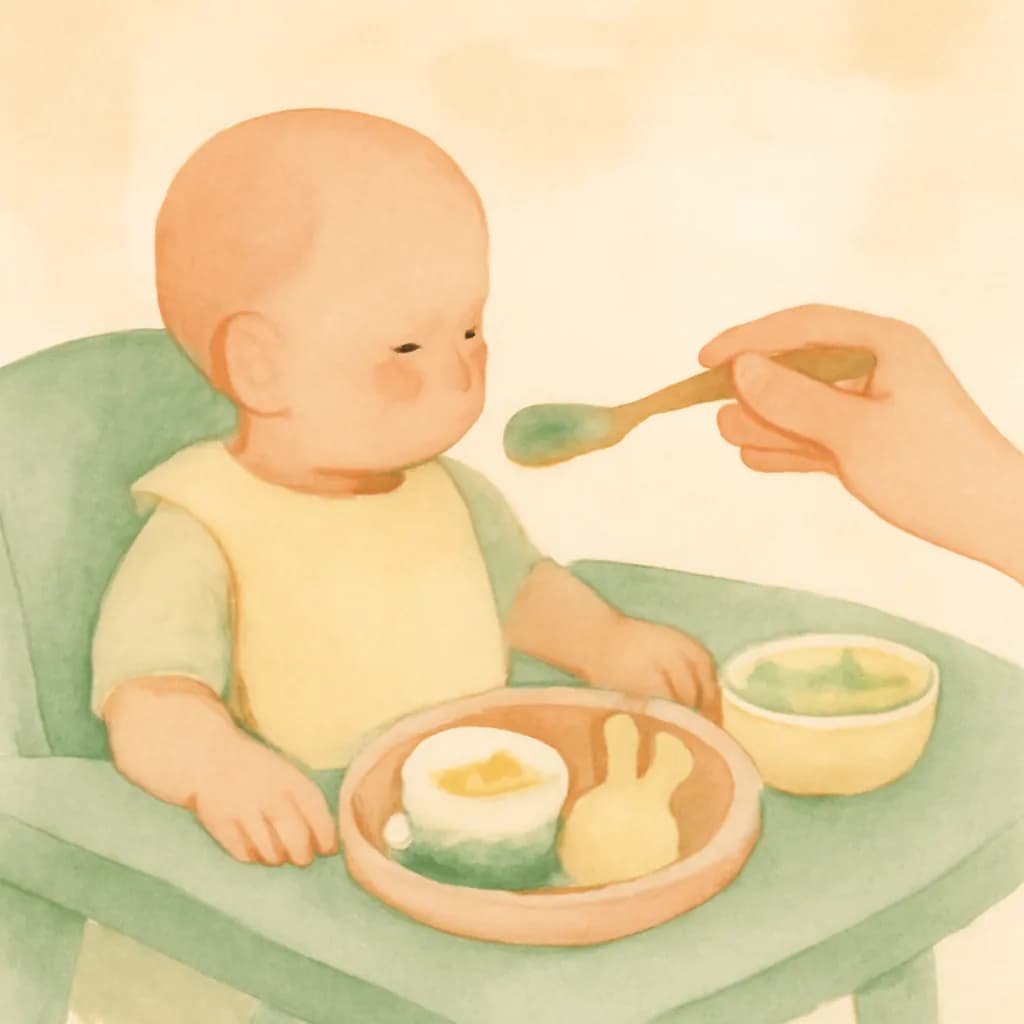
Is it normal for babies to try eggs and spring veggies at 6 months?
Yes, it is normal and encouraged to introduce eggs and soft-cooked spring vegetables to babies from around 6 months of age. This helps expose them to new tastes and textures while providing essential nutrients.
Babies may initially be hesitant or show preferences, but repeated small exposures to eggs and vegetables help build acceptance and support healthy eating habits.
Why introduce eggs and spring vegetables at 6 months?
- Eggs provide high-quality protein and important nutrients like choline and vitamin D.
- Introducing egg allergen early can reduce the risk of allergy development, as per AAP guidance.
- Spring vegetables such as asparagus, peas, carrots, and spinach offer vitamins, minerals, and fiber.
- Soft-cooked vegetables are easy to chew and digest for babies starting solids.
- Varied textures and flavors support oral motor development and acceptance of diverse foods.
- Avoiding chocolate eggs and nuts under 12 months prevents choking and allergic reactions.
When to call your doctor
- Signs of allergic reaction such as hives, swelling, vomiting, or difficulty breathing after eating eggs.
- Persistent refusal to eat or drink causing dehydration or weight loss.
- Choking episodes or difficulty swallowing foods.
- Severe digestive symptoms like persistent diarrhoea or blood in stools.
What to try for Easter baby meals
Scrambled eggs
Serve small amounts of fully cooked scrambled eggs to introduce egg protein safely. Use minimal seasoning and ensure eggs are cooked through.
Soft-boiled eggs
Offer soft-boiled eggs with fully cooked yolks, cut into small pieces or mashed for easy eating.
Omelette strips
Prepare thin omelette strips with no added salt or spices. Cut into manageable sizes for baby-led feeding.
Steamed spring vegetables
Steam asparagus, peas, carrots, and baby spinach until soft. Cut into batons or mash to appropriate textures.
Shredded lamb (12m+)
For babies over 12 months, offer low-sodium shredded lamb as a protein-rich addition to meals.
Nut-free hot cross buns
Offer small pieces of nut- and seed-free hot cross buns to babies over 12 months, avoiding choking hazards.
Frequently asked questions
When can I introduce eggs to my baby?
Eggs can be introduced from around 6 months of age, following AAP guidance. Start with small amounts of fully cooked eggs like scrambled or soft-boiled to reduce allergy risk.
Are chocolate Easter eggs safe for babies?
Chocolate eggs are not recommended for babies under 2 years due to choking risks and added sugars. Focus on nutritious egg and vegetable options instead.
How should I prepare spring vegetables for my baby?
Steam vegetables like asparagus, peas, carrots, and spinach until soft. Cut or mash them into sizes and textures suitable for your baby’s eating stage.
Can I give my baby hot cross buns at Easter?
Nut- and seed-free hot cross buns can be offered to babies over 12 months in small, manageable pieces to avoid choking hazards.
What if my baby shows signs of egg allergy?
If your baby develops hives, swelling, vomiting, or breathing difficulties after eating eggs, seek medical advice immediately.
How often should I offer eggs to my baby?
Offering small amounts of eggs repeatedly over time helps build tolerance and acceptance. Aim to include eggs regularly as part of a varied diet.
Is shredded lamb suitable for all babies?
Shredded lamb is suitable for babies 12 months and older. Ensure it is low in salt and finely shredded to reduce choking risk.
Get your baby's personalized feeding plan
A daily feeding schedule, 350+ age-matched recipes, allergen tracking and cutting guides - all tailored to your baby's age in the Nibli app.
verifiedSources & References
This guide is informed by current guidelines from leading health organizations: