Skip to content

Eating out with a baby - restaurant strategies for solids

Last updated May 2026

Taking your baby out to eat can feel challenging at first, but with some simple planning, it becomes an enjoyable experience for the whole family. Using baby-led weaning principles, you can confidently choose suitable foods and manage mealtime smoothly.

6 months+

Why Eating Out with Your Baby Matters

Introducing your baby to restaurant meals helps them explore new tastes and textures in a real-world setting.

It also supports family bonding and builds your baby’s confidence with different environments and social mealtimes.

When to Ask for Help

  • Your baby shows signs of choking or difficulty swallowing during meals.
  • Persistent refusal to eat or drink that lasts more than a few days.
  • Signs of allergic reactions such as rash, swelling, or difficulty breathing after eating.
  • Severe vomiting or diarrhea following restaurant meals.

What Makes Restaurant Feeding Work

  • Choosing simple, soft foods like plain rice, soft vegetables, and mashed avocado ensures your baby can eat safely.
  • Avoiding high salt, sugar, honey, and sauces protects your baby’s developing digestive system and taste preferences.
  • Bringing backup foods such as pouches or BLW bites prepares you for unexpected delays or limited menu options.
  • Using a suction plate or highchair with proper etiquette keeps mealtime tidy and comfortable for your baby.
  • Selecting baby-friendly cuisines like Italian, Asian, Mexican, or American offers familiar, gentle foods.
  • Keeping restaurant meals short and patient helps your baby adjust gradually without overwhelming them.

Steps to Enjoy Restaurant Meals with Your Baby

  1. Plan Your Order

    Choose baby-friendly dishes such as plain pasta, steamed rice, soft fish, or plain yogurt to keep meals simple and nutritious.

  2. Bring Backup Foods

    Pack familiar pouches or baby-led weaning bites to ensure your baby has something to eat if the menu options are limited.

  3. Use a Suction Plate

    A suction plate helps keep food in place, reducing mess and making it easier for your baby to self-feed.

  4. Practice Highchair Etiquette

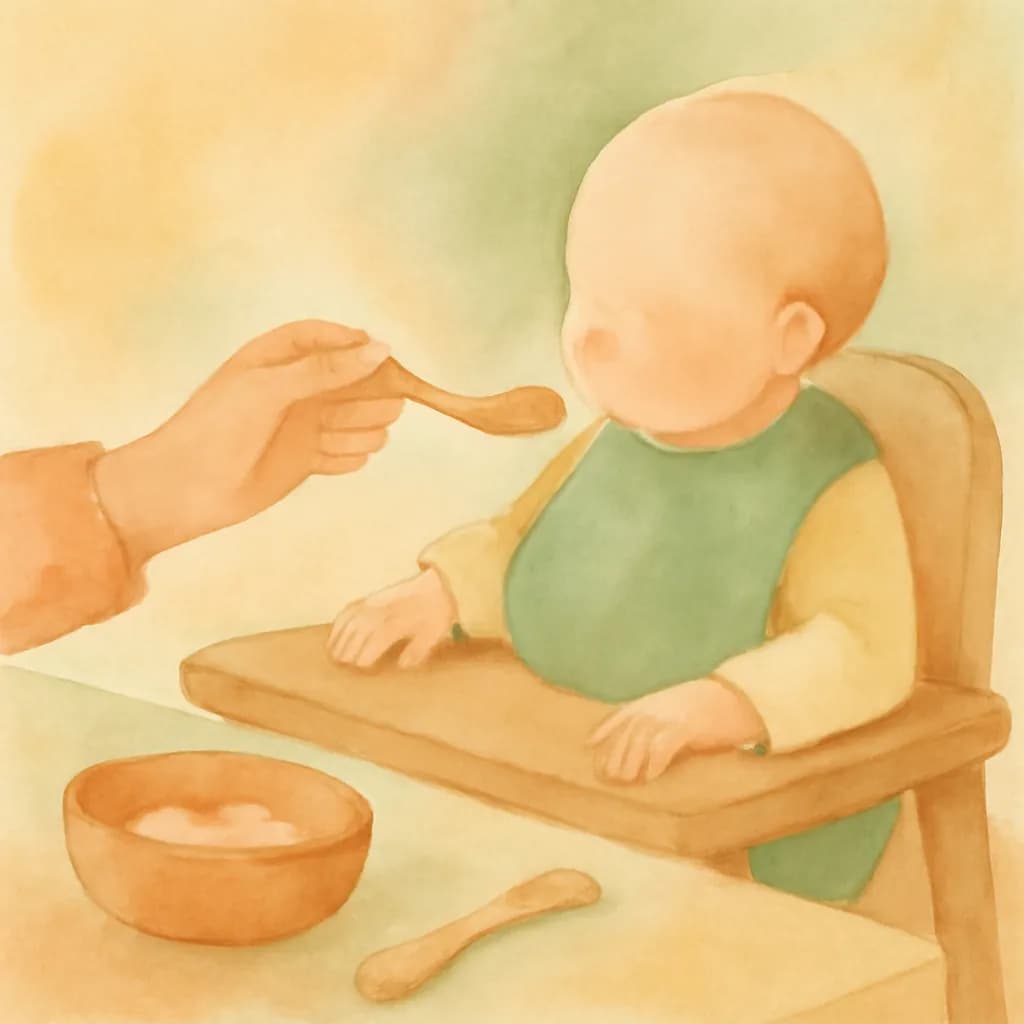
    Secure your baby safely and bring a bib or wipe to manage spills, helping everyone enjoy mealtime calmly.

  5. Be Patient and Keep Meals Short

    Allow your baby to explore food at their own pace and keep restaurant visits brief to avoid overwhelming them.

  6. Respect Tipping and Food Policies

    If bringing your own food, discreetly check restaurant policies and tip appropriately to maintain good etiquette.

Frequently asked questions

What are good first foods to order for my baby at a restaurant?

Opt for simple, soft options like plain rice, soft cooked vegetables, plain pasta, mashed avocado, soft fish, or plain yogurt. These foods are easy for babies to handle and digest.

Can I bring my own baby food to a restaurant?

Yes, bringing your own food like pouches or BLW bites is a smart backup plan. Just be mindful of the restaurant’s policies and tip accordingly to respect their service.

How can I keep my baby’s food from making a mess at the table?

Using a suction plate helps keep food in place. Also, bring a bib and wipes to manage spills and keep your baby comfortable during mealtime.

Is it okay to feed my baby foods with sauces or seasoning at restaurants?

It’s best to avoid sauces, high salt, sugar, and honey for babies under one year, as these can be harsh on their developing digestive systems and taste buds.

How long should my baby’s first restaurant meals last?

Keep initial restaurant meals short and relaxed, around 20-30 minutes, to help your baby adjust without becoming overwhelmed.

What cuisines are typically baby-friendly when eating out?

Italian (pasta, mozzarella), Asian (steamed rice, plain noodles), Mexican (beans, avocado), and American (eggs, fruit) often offer simple, soft foods suitable for babies.

How can I safely introduce baby-led weaning at restaurants?

Bring familiar BLW foods, choose soft and plain menu items, use a suction plate, and be patient as your baby explores new tastes and textures in a busy environment.

Sources & References

This guide is informed by current guidelines from leading health organizations:

Add as a preferred source on Google