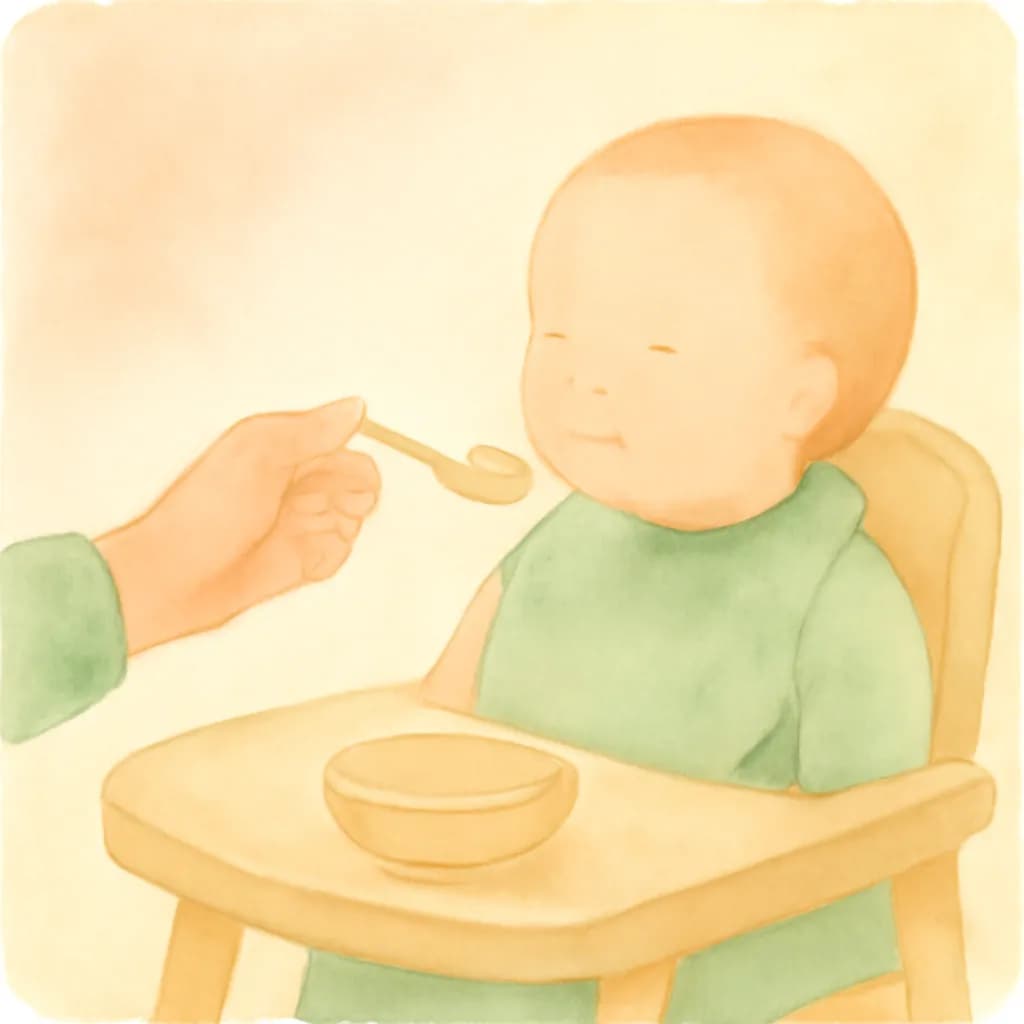
Is it normal if my baby isn’t chewing yet?
Many babies at this age primarily gum or mash food with their gums because their molars, which help with chewing, are just starting to erupt.
Chewing is a skill that develops gradually as oral muscles strengthen and babies get used to different food textures.
Why might my baby not be chewing yet?
- Molars are still erupting between 8 and 12 months, limiting effective chewing.
- Babies are still developing oral motor skills needed to chew.
- Preference for softer, pureed foods can reduce motivation to chew.
- Reflux or oral aversion may make textured foods uncomfortable.
- Lack of regular exposure to textured, soft chunky foods.
- Individual variation in development pace.
When to seek medical advice
- Persistent gagging or choking on textured foods past 12 months
- No molars visible by 18 months
- Concerns about your baby’s weight gain or growth
- Ongoing refusal of textured foods or oral aversion
How to encourage chewing skills
Offer textured foods consistently
Introduce soft, chunky foods regularly rather than only purees to help your baby experience different textures safely.
Model chewing
Eat alongside your baby and exaggerate chewing motions to demonstrate how to chew.
Use soft chunks
Provide foods that are soft enough to mash with gums but have some texture, such as ripe banana pieces or cooked vegetables.
Avoid pressure
Encourage but don’t force chewing; let your baby explore foods at their own pace to build positive associations.
Watch for reflux or aversion
If your baby seems uncomfortable or refuses textured foods, discuss this with your pediatrician as it may indicate reflux or oral sensitivity.
Frequently asked questions
Is it normal if my baby only gums food at 10 months?
Yes, many babies at 10 months gum or mash food as their molars are still coming through. This is a normal part of development, and with time and exposure to textured foods, chewing skills will improve.
How can I help my baby learn to chew?
Offer soft, chunky foods regularly, model chewing by eating with your baby, and avoid pressuring them. Let your baby explore textures at their own pace to build confidence.
When should my baby have molars?
Molars typically start to erupt between 8 and 12 months but can vary. If no molars are visible by 18 months, it’s a good idea to consult your pediatrician.
Could reflux affect my baby’s chewing?
Yes, reflux or oral aversion can make textured foods uncomfortable, leading to reluctance to chew. If you suspect this, discuss it with your healthcare provider.
What foods are best to encourage chewing?
Soft, chunky foods like ripe banana pieces, cooked carrots, or soft pasta encourage chewing without being too hard or pureed.
Should I worry if my baby gags on textured foods?
Gagging is common as babies learn to manage new textures. However, persistent gagging beyond 12 months should be discussed with a pediatrician or speech-language therapist.
Get unstuck + a plan for your baby
Personalized, age-aware troubleshooting plus a feeding schedule and recipes built around your baby, so mealtimes get easier from here.
verifiedSources & References
This guide is informed by current guidelines from leading health organizations: