Is this normal?
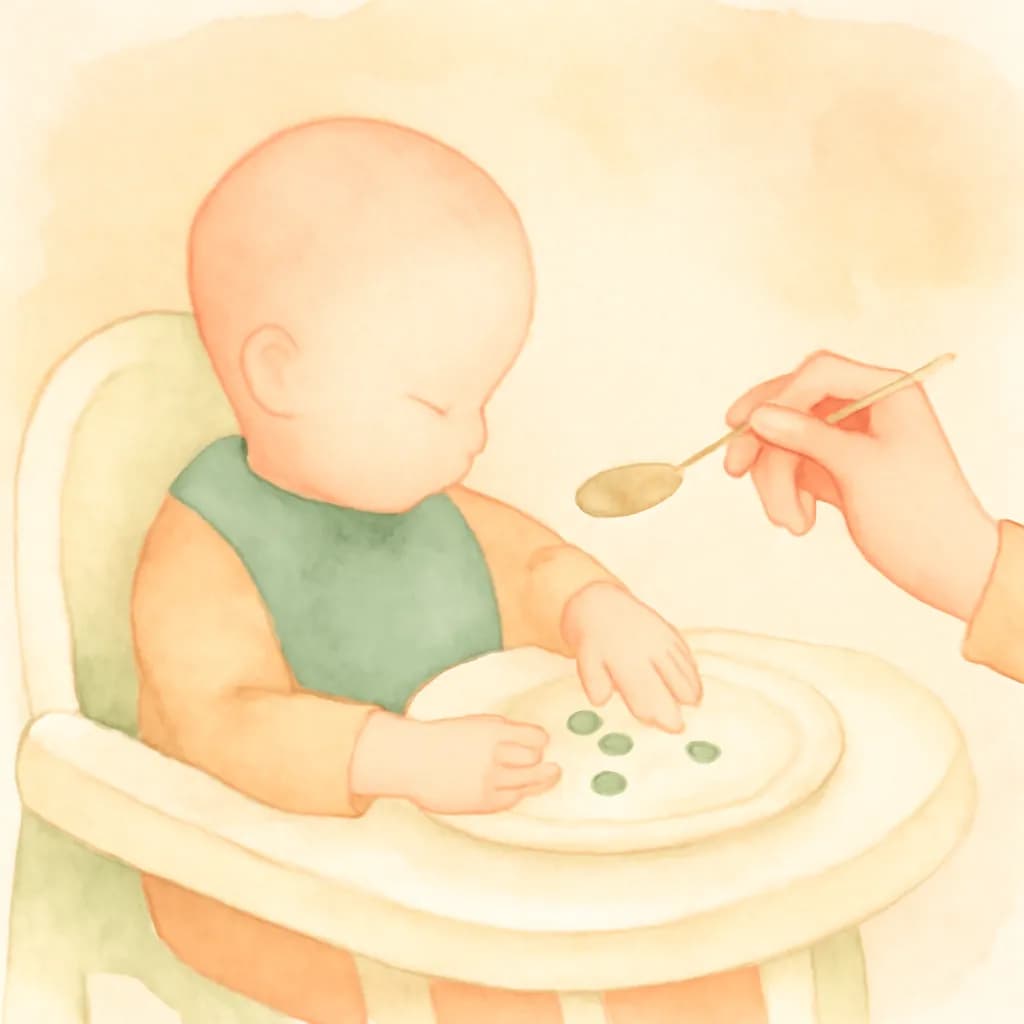
Yes, playing with food is a typical and healthy part of your baby’s development during this stage. Babies use their senses to explore new foods by touching, squishing, and even throwing it.
This behavior helps build their motor skills and understanding of food, so try to see it as a positive step rather than a mealtime challenge.
Why it happens
- Babies learn best through sensory exploration, using touch, sight, and taste.
- Developing hand-eye coordination by handling different textures.
- Building independence and control over their eating experience.
- Experimenting with cause and effect, like what happens when food is thrown.
- Adjusting to new tastes and textures as they transition from milk to solids.
- Expressing curiosity and practicing new skills in a safe environment.
When to call your doctor
- Your baby shows no interest in bringing food to their mouth for several weeks.
- Concerns about your baby’s weight gain or growth.
- Persistent gagging or choking that worries you.
- Refusal of all solid foods beyond the typical adjustment period.
What to try
Lower your expectations
Accept that mealtimes will be messy and focus on the learning experience rather than just eating.
Eat together
Share mealtimes as a family to model eating behavior and make food more interesting.
Offer smaller portions
Provide small amounts of food to reduce waste and keep your baby engaged without overwhelming them.
Use a mat under the highchair
Place a washable mat or tray beneath the highchair to catch spills and make cleanup easier.
Encourage self-feeding
Let your baby try feeding themselves with safe, manageable pieces to build confidence and skills.
Stay patient and positive
Celebrate small successes and keep mealtimes relaxed to support your baby’s enjoyment of food.
Frequently asked questions
Is it normal for my baby to throw food?
Yes, throwing food is a common way babies explore cause and effect. It’s part of their learning process and not a sign of bad behavior.
How can I reduce mess during mealtimes?
Using a mat under the highchair, offering smaller portions, and dressing your baby in easy-to-clean clothes can help manage mess while still allowing exploration.
When should I worry if my baby isn’t eating solids?
If your baby shows no interest in bringing food to their mouth for several weeks or if you have concerns about their growth, it’s a good idea to consult your healthcare provider.
How can I encourage my baby to eat more?
Eating together as a family and offering a variety of textures and tastes in small portions can encourage your baby to try and enjoy more foods.
Is playing with food a sign of picky eating?
No, playing with food is a normal developmental stage and does not mean your baby is picky. It’s their way of learning about food.
Should I stop offering solids if my baby plays with food?
No, continue offering solids regularly. Playing with food is part of learning, and consistent exposure helps your baby develop healthy eating habits.
Get unstuck + a plan for your baby
Personalized, age-aware troubleshooting plus a feeding schedule and recipes built around your baby, so mealtimes get easier from here.
verifiedSources & References
This guide is informed by current guidelines from leading health organizations: