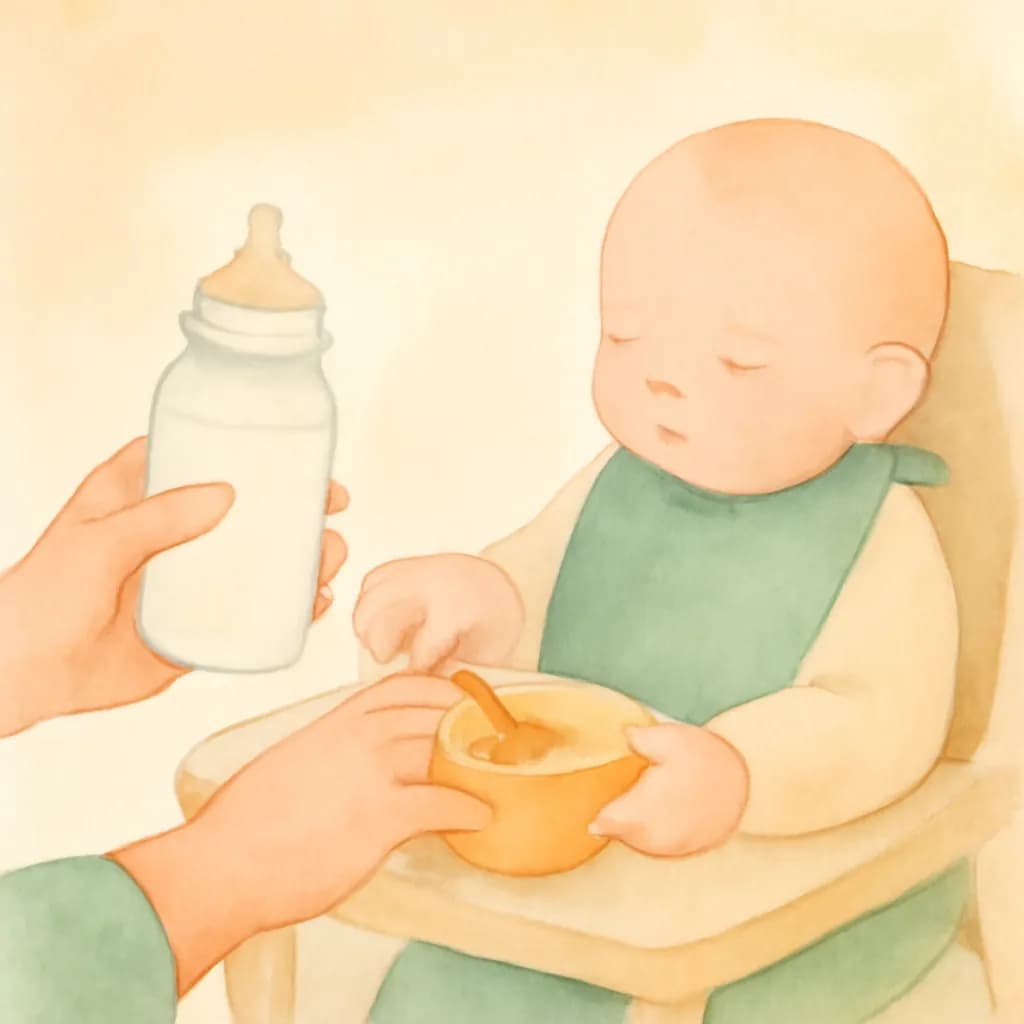
What 6-12 month olds need
Babies between 6 and 12 months are developing new feeding skills and starting to enjoy a variety of solid foods alongside their milk feeds.
Milk remains an important source of nutrition, but solid meals gradually become a bigger part of their diet as they learn to use cups and reduce bottle feeds.
Why this schedule works
- Introducing solids at around 6 months supports nutritional needs as milk alone is no longer enough.
- Starting an open cup from 6 months encourages oral motor skills and independence.
- Using a straw cup from 9 months helps develop lip and tongue movements important for speech.
- Gradually replacing bottles with cups reduces reliance on bottle feeding and supports dental health.
- Keeping the last morning and bedtime bottle longest provides comfort during the transition.
- Reducing bottle feeds by 12-18 months aligns with health guidelines to prevent tooth decay and promote balanced nutrition.
When to consult your pediatrician
- Your baby consistently refuses solids or milk and shows low intake.
- There is poor weight gain or noticeable weight loss over time.
- Your baby has difficulty swallowing or persistent choking.
- Signs of dehydration such as very few wet nappies or dry mouth.
Sample daily schedule
7am - Morning milk feed
Offer the usual bottle feed to start the day, helping your baby feel secure and nourished.
9am - Breakfast with solids and milk
Introduce a small portion of soft solids alongside milk, encouraging your baby to explore new tastes and textures.
11am - Milk in an open cup
Offer milk in an open cup to practice drinking skills, replacing one bottle feed gradually.
1pm - Lunch with solids and milk
Serve a balanced solid meal with milk offered alongside in a cup, helping your baby get used to eating real meals.
3pm - Snack and milk in a straw cup
Provide a healthy snack and offer milk in a straw cup to develop oral motor skills.
6pm - Dinner with solids and milk
Offer a solid dinner with milk in a cup, continuing to reduce bottle feeds.
7:30pm - Last bottle feed
Keep the bedtime bottle for comfort but start to reduce the amount gradually to protect teeth and encourage cup use.
Frequently asked questions
When should I start introducing solids alongside milk?
Solids are typically introduced around 6 months of age, alongside continued milk feeds. This helps meet your baby's growing nutritional needs while they learn to enjoy new textures and flavors.
How do I introduce an open cup to my baby?
Start offering small amounts of milk in an open cup from 6 months, encouraging your baby to sip with your support. This practice helps develop oral skills and independence.
When should I start using a straw cup?
Around 9 months, you can introduce a straw cup to help your baby develop lip and tongue movements important for speech and drinking skills.
How do I reduce bottle feeds safely?
Gradually drop one bottle feed at a time, replacing it with milk offered in a cup during meals. Keep the morning and bedtime bottles longest to provide comfort during the transition.
Why is it important to reduce bedtime bottle feeds?
Bedtime bottles, especially with milk or sugary drinks, can increase the risk of tooth decay. Reducing or stopping these feeds by 12-18 months helps protect your baby’s teeth.
Is it normal if my baby prefers the bottle over solids?
Yes, many babies take time to adjust to solids and may prefer milk initially. Keep offering a variety of textures and tastes alongside milk to encourage acceptance.
What if my baby refuses to drink from a cup?
Be patient and try different cup types like open or straw cups. Offer milk in small amounts and make it a positive experience. Most babies learn with time and practice.
Get your baby's personalized feeding plan
A daily feeding schedule, 350+ age-matched recipes, allergen tracking and cutting guides - all tailored to your baby's age in the Nibli app.
verifiedSources & References
This guide is informed by current guidelines from leading health organizations: