When can babies eat rice?
Babies can eat rice from around 6 months. Iron-fortified infant rice cereal mixed with breast milk or formula is a traditional first food because it's smooth and easy to spoon-feed, and the added iron is important from 6 months when stores from birth start running low.
Soft-cooked plain rice (not rice cereal) becomes a great finger food from around 9 months as your baby's pincer grasp develops. Rinse rice before cooking and cook in extra water (then drain) to reduce arsenic content.
How to serve rice safely
For 6-9 month babies, mix iron-fortified infant rice cereal with breast milk or formula until smooth. As they progress, soft-cooked white or brown rice can be mashed with vegetables or moist proteins. Cook rice extra-soft and slightly sticky so small clumps stay together on a spoon or in a baby's hand.
For 9-12+ month babies with pincer grasp, sticky rice clumps work as finger food, or stir cooked rice into vegetable purees, lentils, or curries (no salt). Vary grains - oatmeal, quinoa, barley, and whole-wheat - rather than relying on rice every day.
Nutritional benefits for babies
- 💚Iron-fortified rice cereal provides crucial iron from 6 months when natural stores deplete.
- 💚Carbohydrates provide energy for active, growing babies.
- 💚Brown rice adds fibre and B vitamins compared with white rice.
- 💚Easy-to-digest grain that's gentle on a baby's developing gut.
Safety considerations
- ✓Arsenic concern: rice naturally absorbs more inorganic arsenic from soil than other grains. The FDA and AAP recommend varying baby's grains - don't make rice cereal the only grain offered every day.
- ✓Rinse rice before cooking and cook in 6:1 water-to-rice (then drain) to reduce arsenic by up to 60 percent.
- ✓Choose iron-fortified infant rice cereal labelled for babies; adult rice products aren't fortified.
- ✓Cook rice until very soft and slightly sticky - hard or dry rice can be a choking risk.
- ✓Avoid adding salt, sugar, or strong seasonings; rice is a vehicle for other nutrients, not a flavour star.
Rice recipes for babies
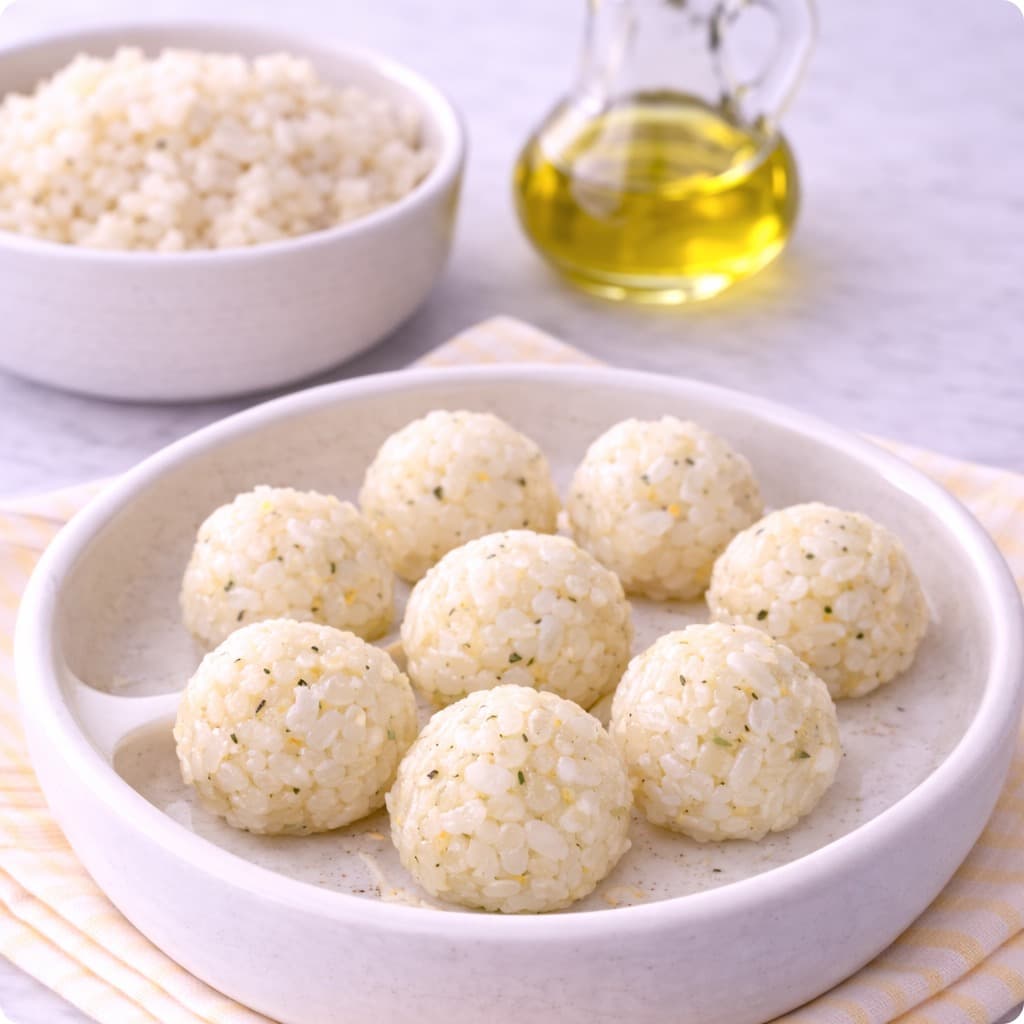
Rice Balls (Baby Rice Balls)
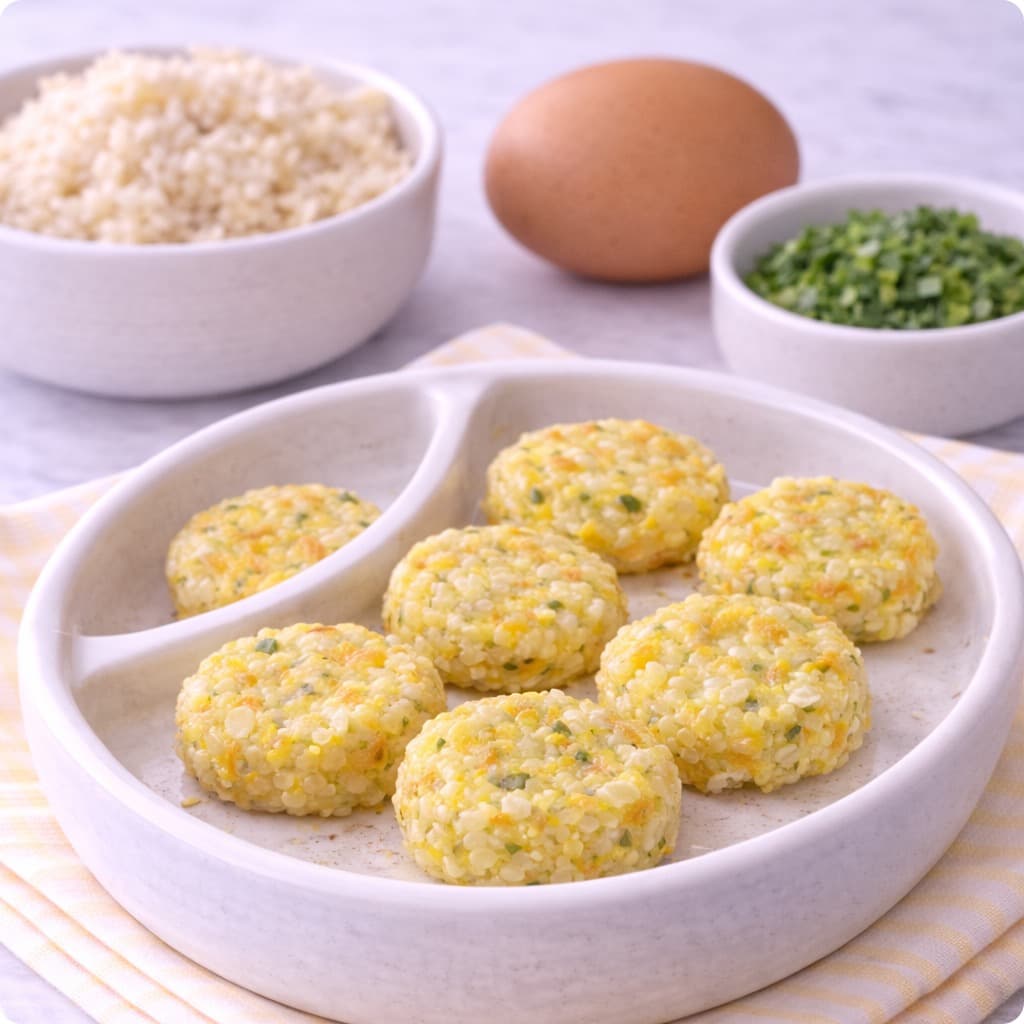
Egg Rice Pancakes
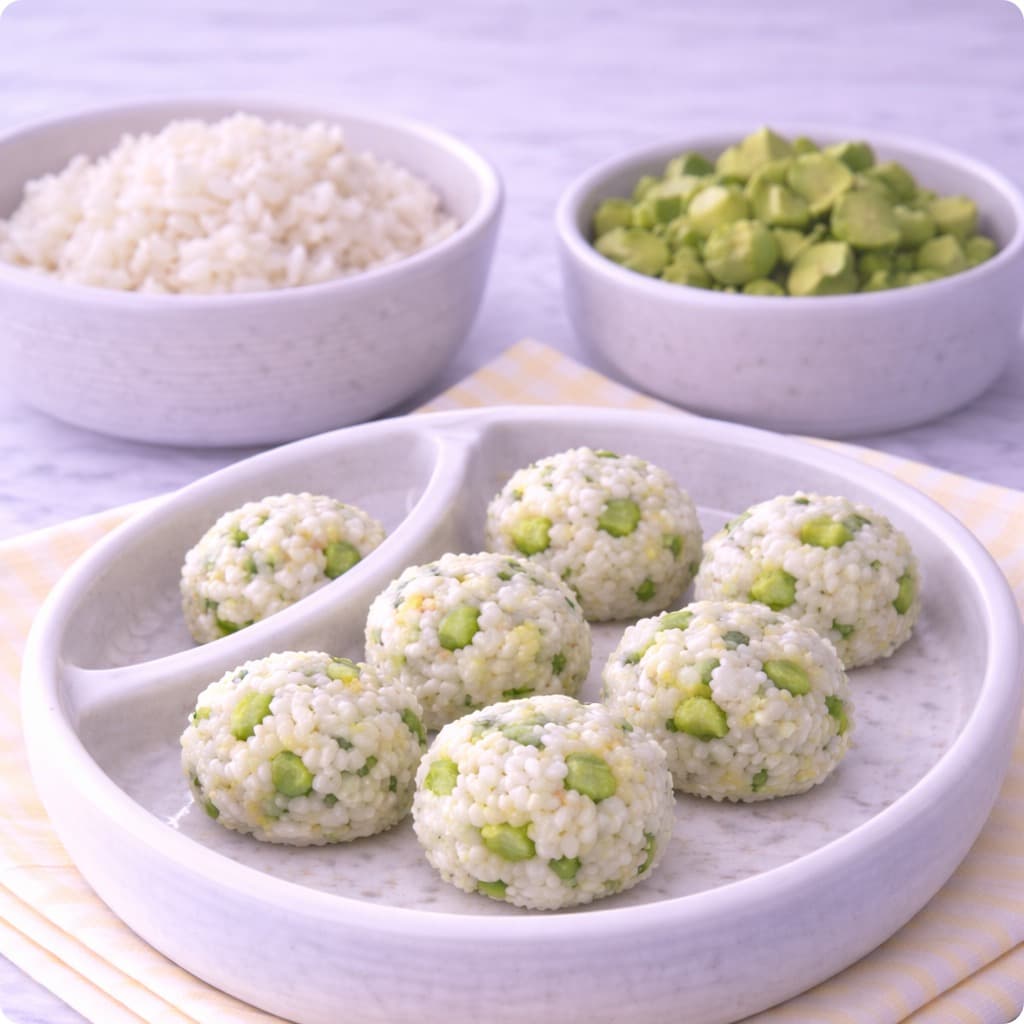
Baby Sushi Rice Balls
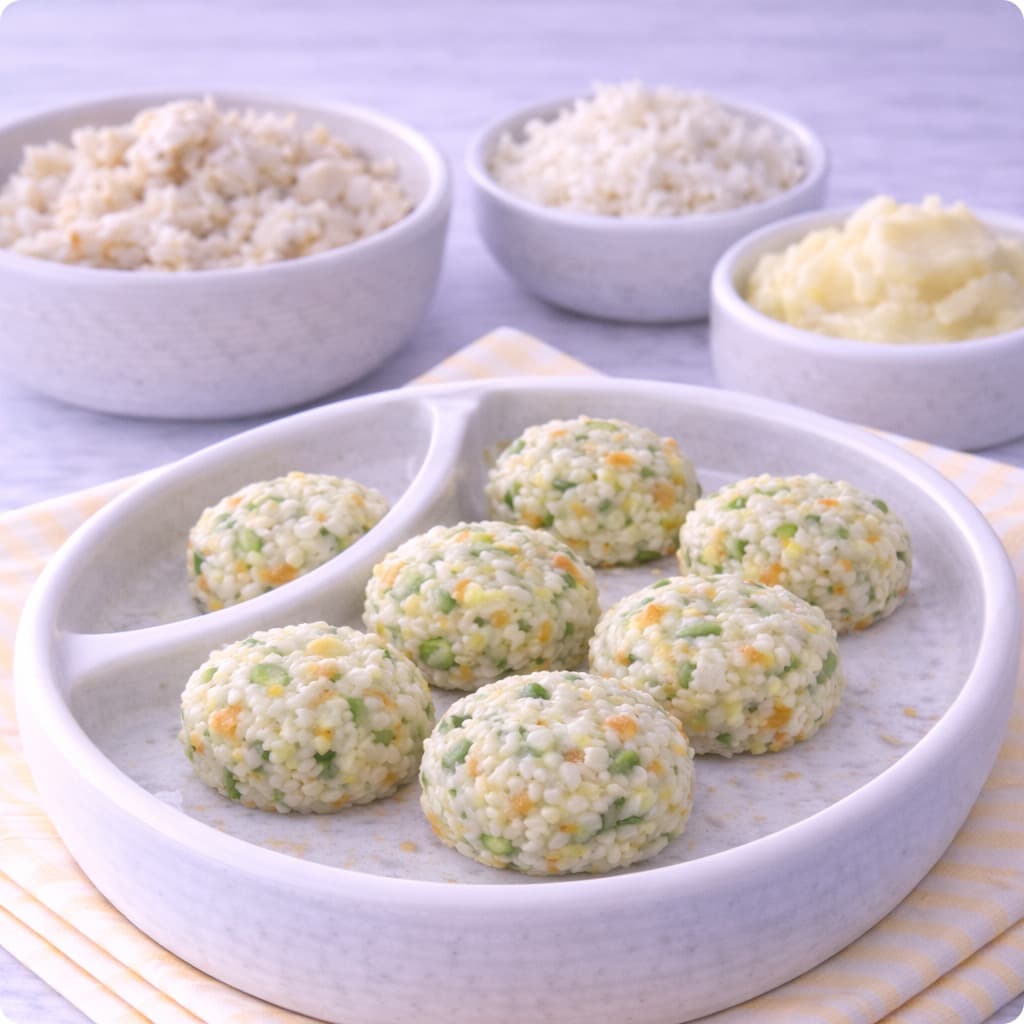
Soft Fish Rice Cakes
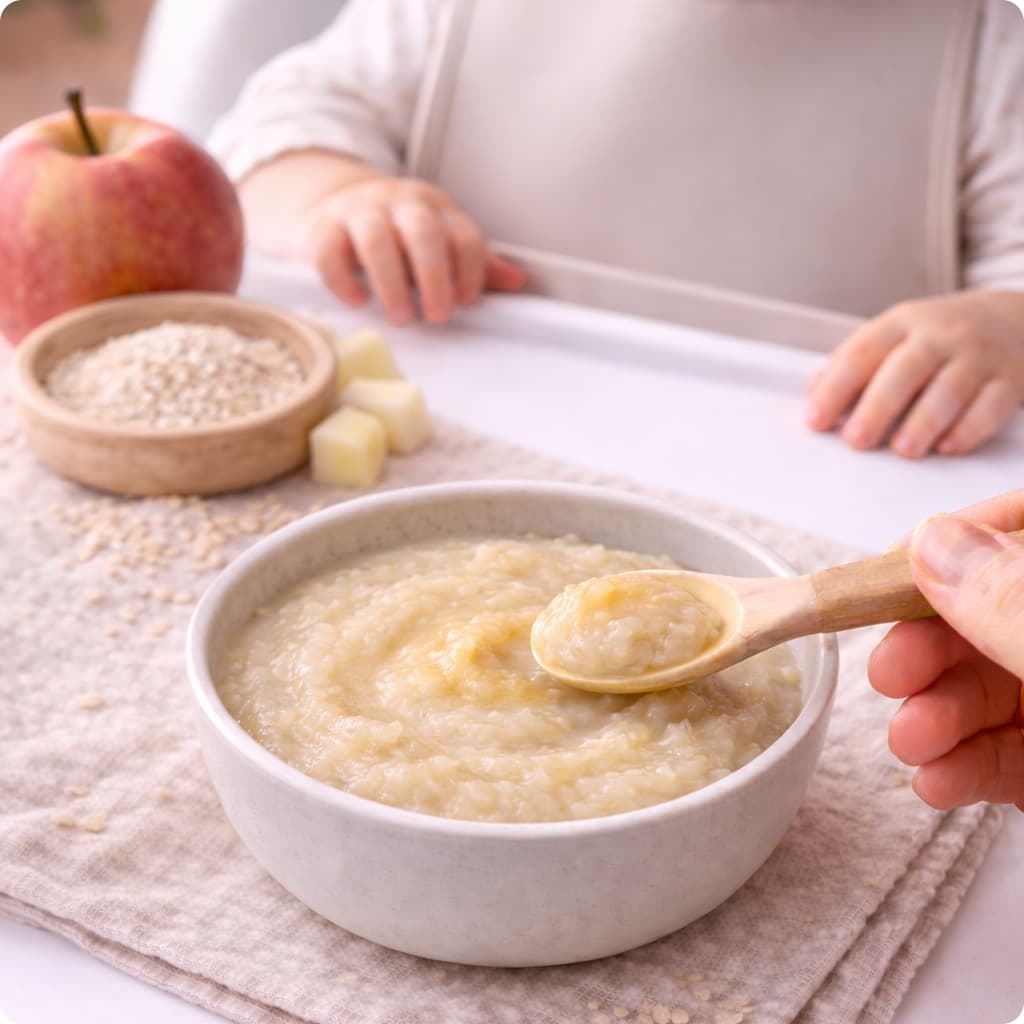
Apple Rice Cereal
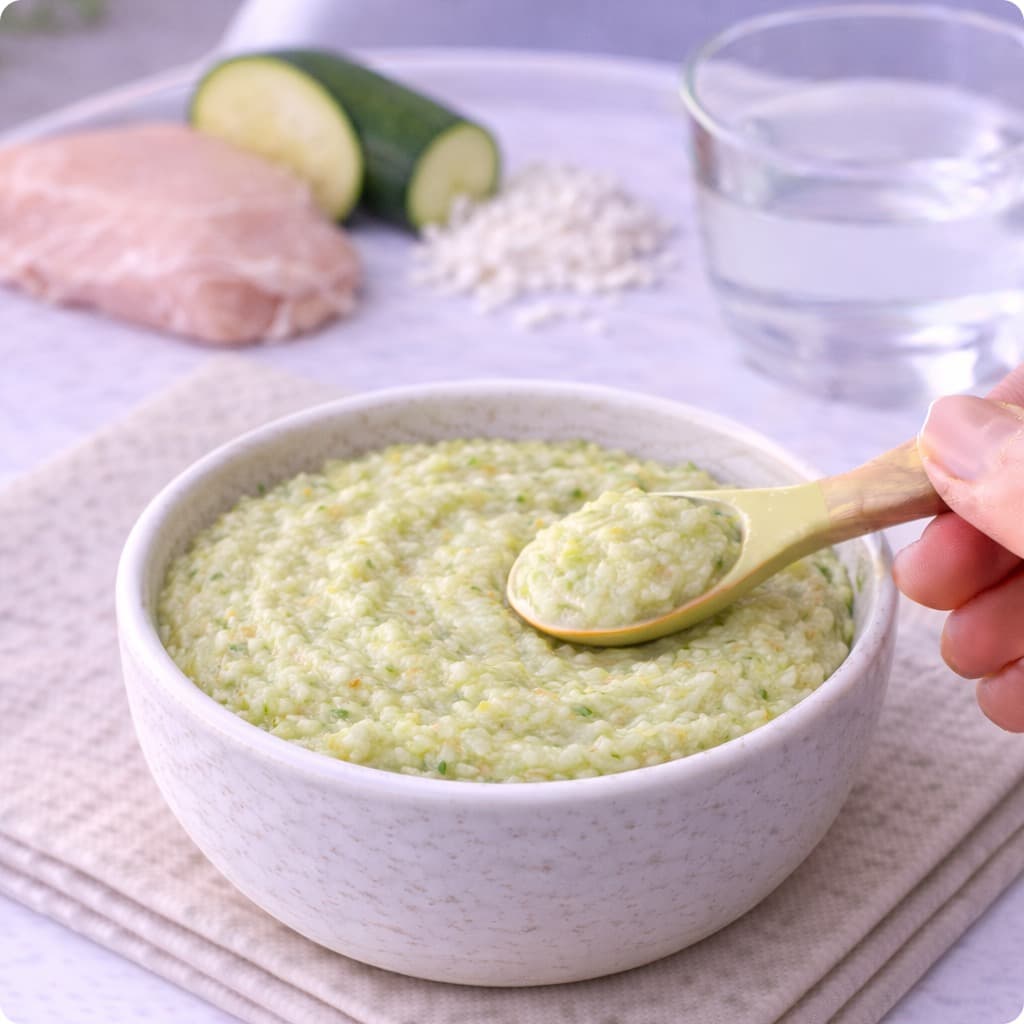
Chicken, Zucchini & Rice Mash
Frequently asked questions
Is rice safe for babies given the arsenic concern?
Rice is safe in moderation as part of a varied diet. The concern is that rice absorbs more inorganic arsenic than other grains, and over years this could affect development. The FDA and AAP recommend giving rice as one of several grains, not daily. Rinsing and cooking in extra water (then draining) reduces arsenic significantly.
Should I give my baby iron-fortified rice cereal?
Iron-fortified infant rice cereal is one option for the iron babies need from 6 months, but it's not the only one. Iron-fortified oatmeal cereal is another good choice with less arsenic concern, and iron-rich foods like meat, lentils, beans, and tofu can also fill the gap.
What's the difference between baby rice cereal and regular rice?
Baby rice cereal is finely milled, pre-cooked, and fortified with iron and other nutrients. Regular cooked rice provides energy and texture but has no added iron. Both can be part of a baby's diet from 6 months, but for the iron benefit specifically, fortified cereal does what plain rice can't.
Can babies eat brown rice?
Yes, brown rice is fine from 6 months and offers more fibre and B vitamins than white rice. Cook it longer until very soft. Note that brown rice can have slightly higher arsenic than white because the husk is retained, so variety still matters.
Is rice a choking hazard for babies?
Cooked white rice is small enough to be a moderate choking risk if served dry or in mounds. Cook rice extra-soft and slightly sticky so it forms small clumps your baby can scoop or grasp. Avoid serving puffed rice cereal as a snack to young babies.
Can my baby eat sushi rice or rice from sushi?
Plain cooked sushi rice is fine if salt and seasoning are minimal, but the raw fish in most sushi is not recommended for babies due to listeria and parasite risk. Cooked sushi options like avocado, cucumber, or fully-cooked egg rolls are safer.
How much rice should a baby eat per day?
There's no fixed amount, but a few tablespoons of cooked rice or fortified cereal is plenty as part of a meal. Vary grains across the week - rice today, oatmeal tomorrow, quinoa or barley another day - to balance nutrients and minimize arsenic exposure.
Get recipes + a feeding plan for your baby
Save this food to your baby's list, get age-appropriate recipes and follow a personalized feeding schedule - 350+ baby-safe meals in the app.
verifiedSources & References
This guide is informed by current guidelines from leading health organizations: