Iron-Rich Baby Recipes
Iron is crucial for healthy brain development and preventing anaemia. Babies need iron-rich foods daily after 6 months.
These recipes feature iron from meat, poultry, beans, lentils, fortified cereals, and leafy greens.
Pair plant-based iron sources with vitamin C (e.g. fruit or vegetables) to boost absorption.
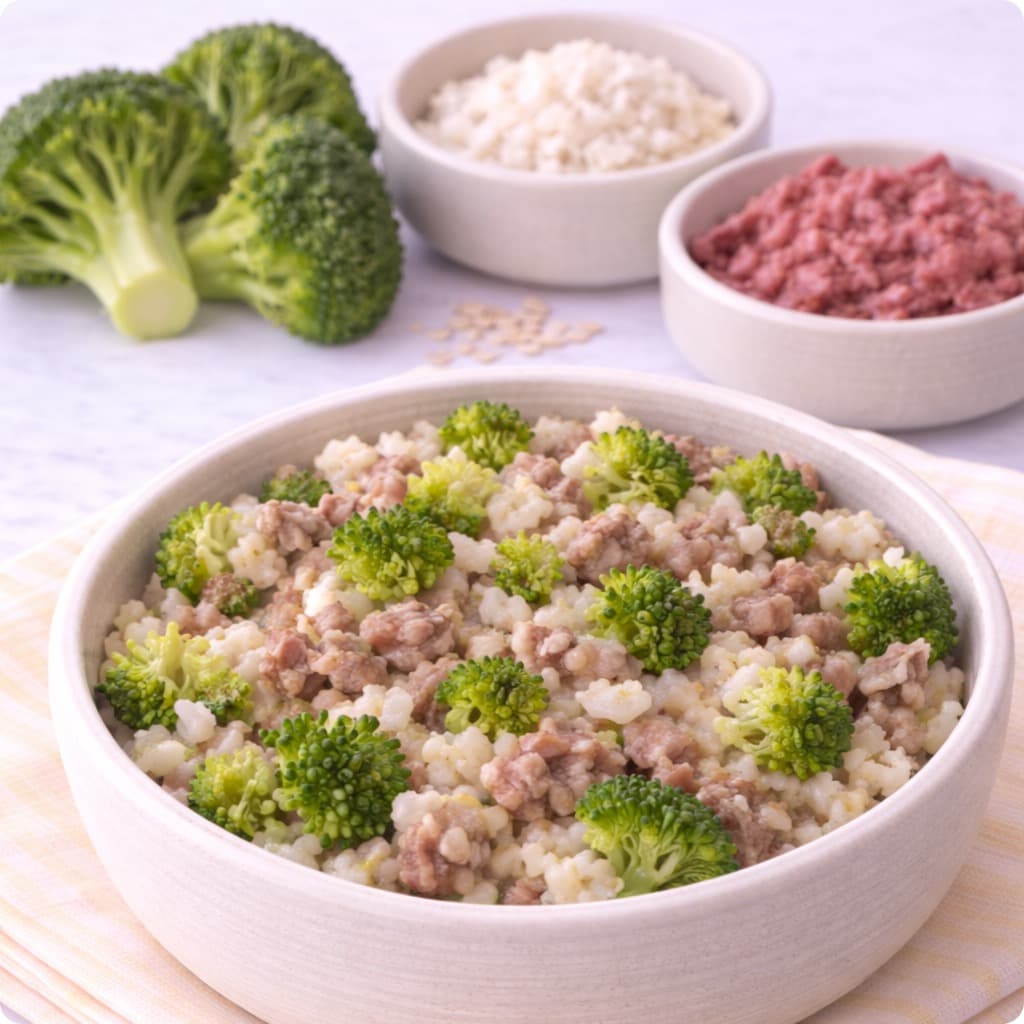
53 recipes
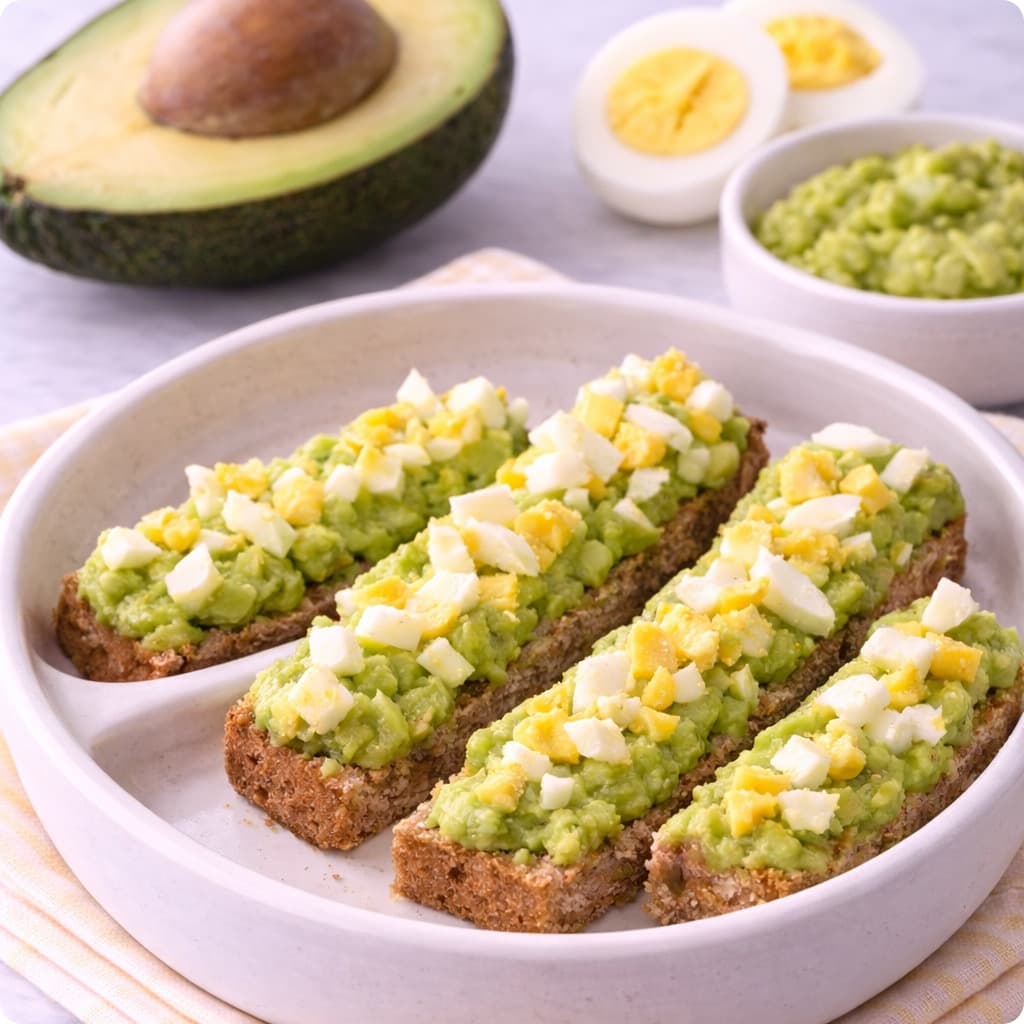
Egg Avocado Toast Fingers
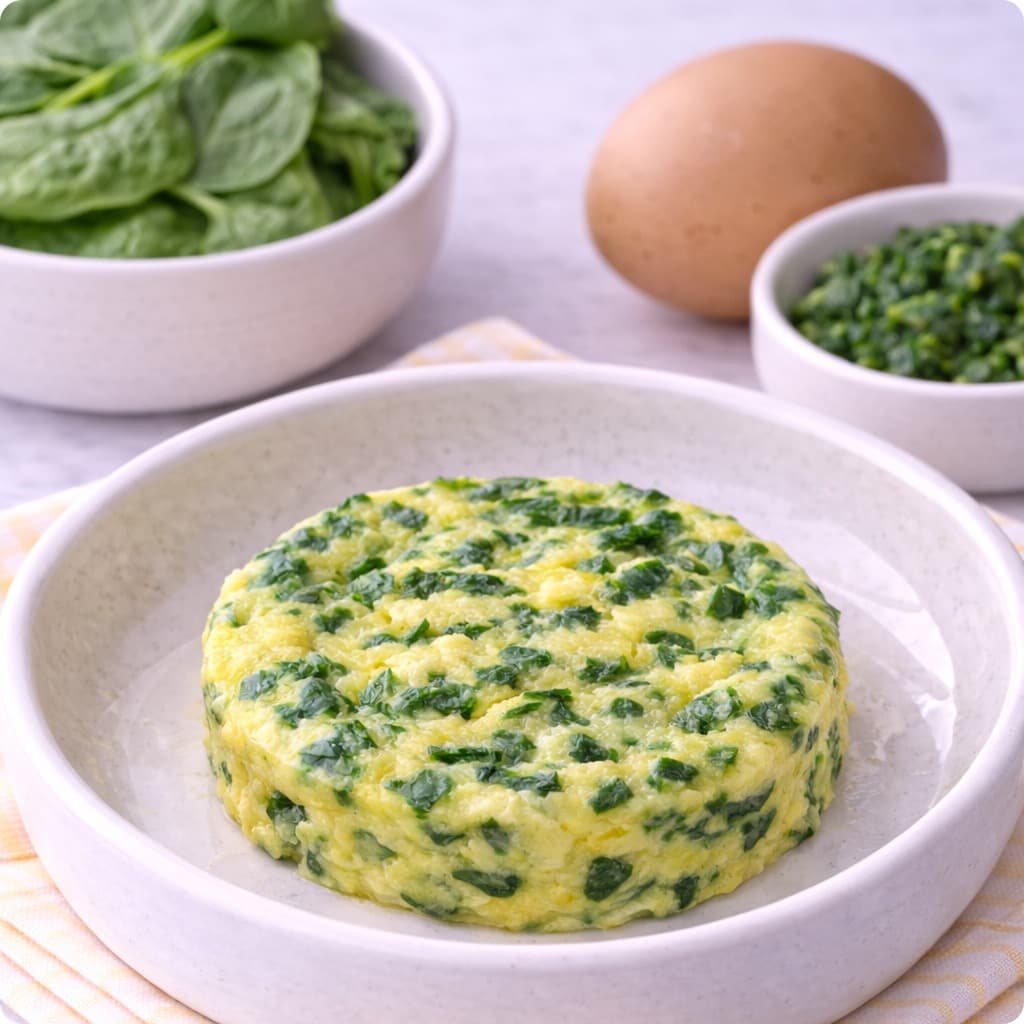
Spinach Egg Mini Omelette
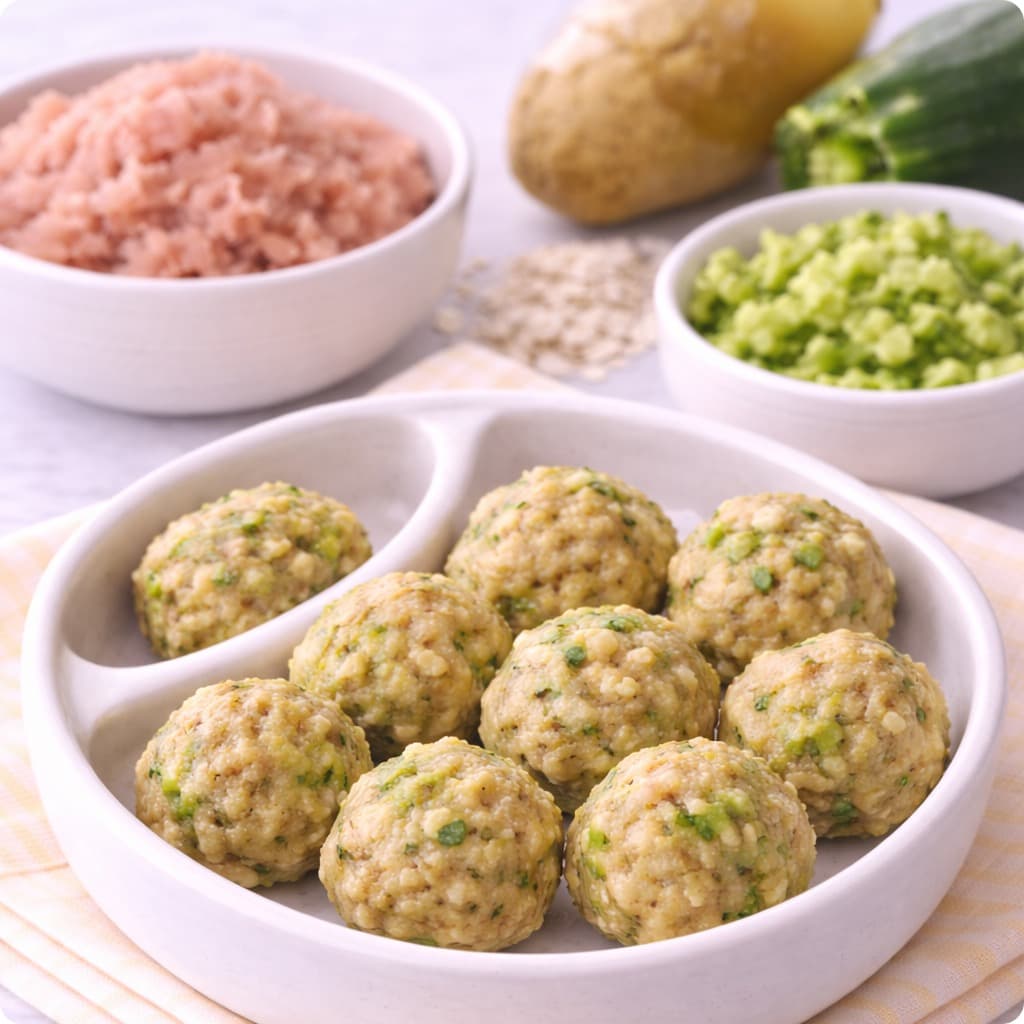
Turkey BLW Meatballs
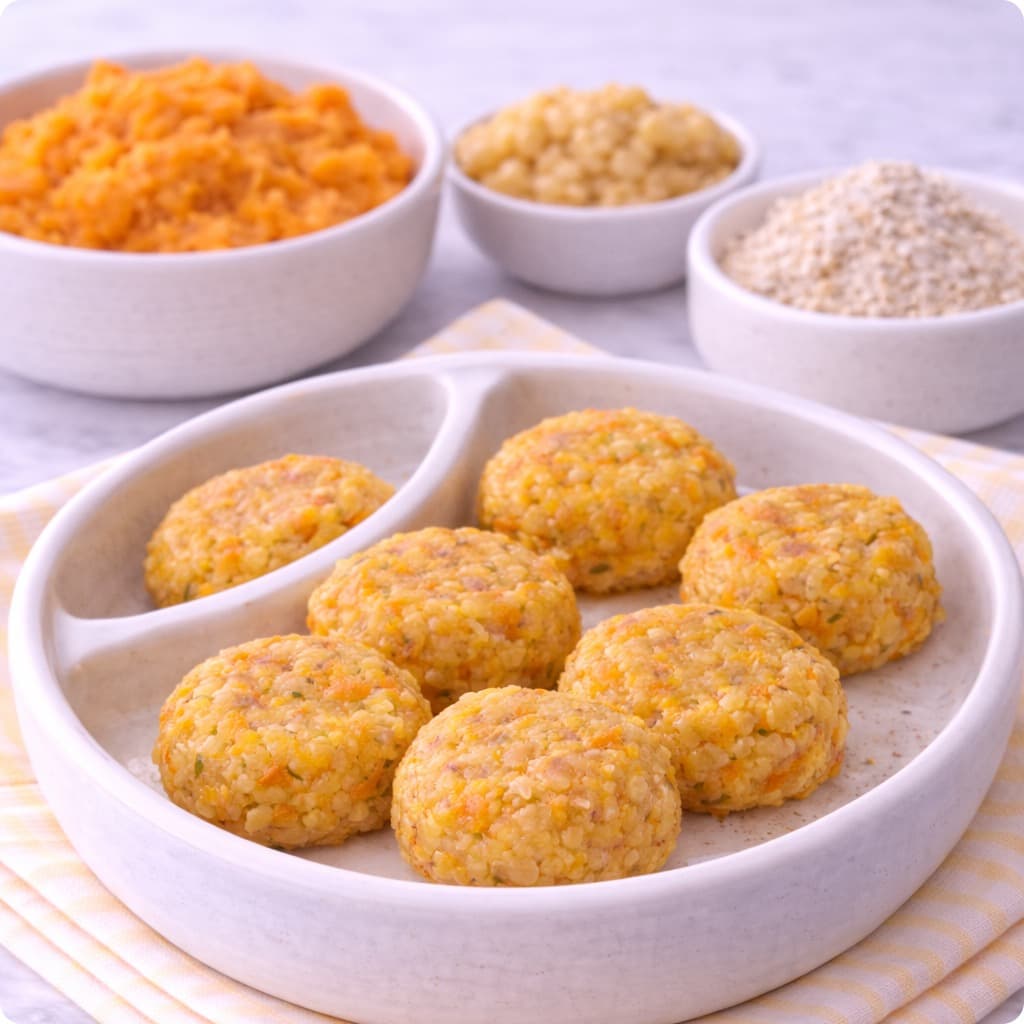
Sweet Potato Chickpea Patties
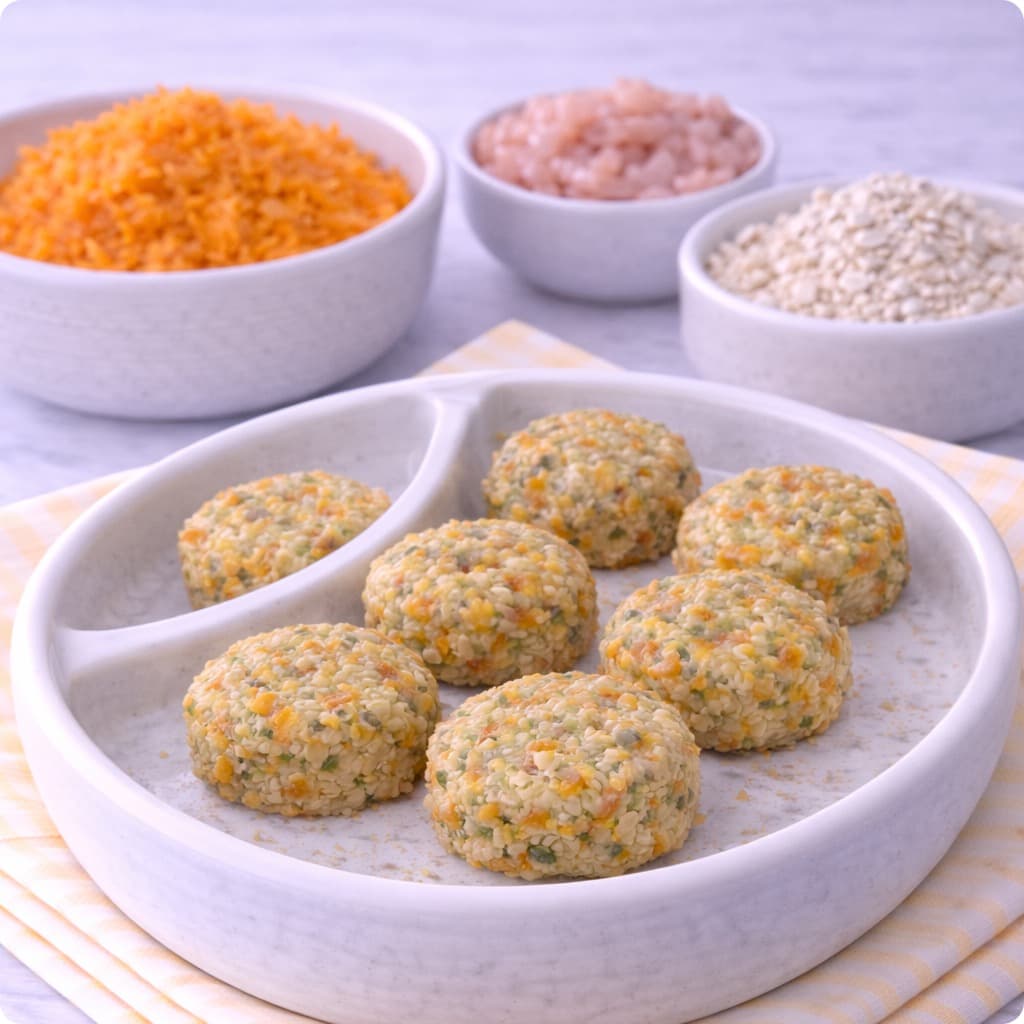
Chicken Veggie Nuggets
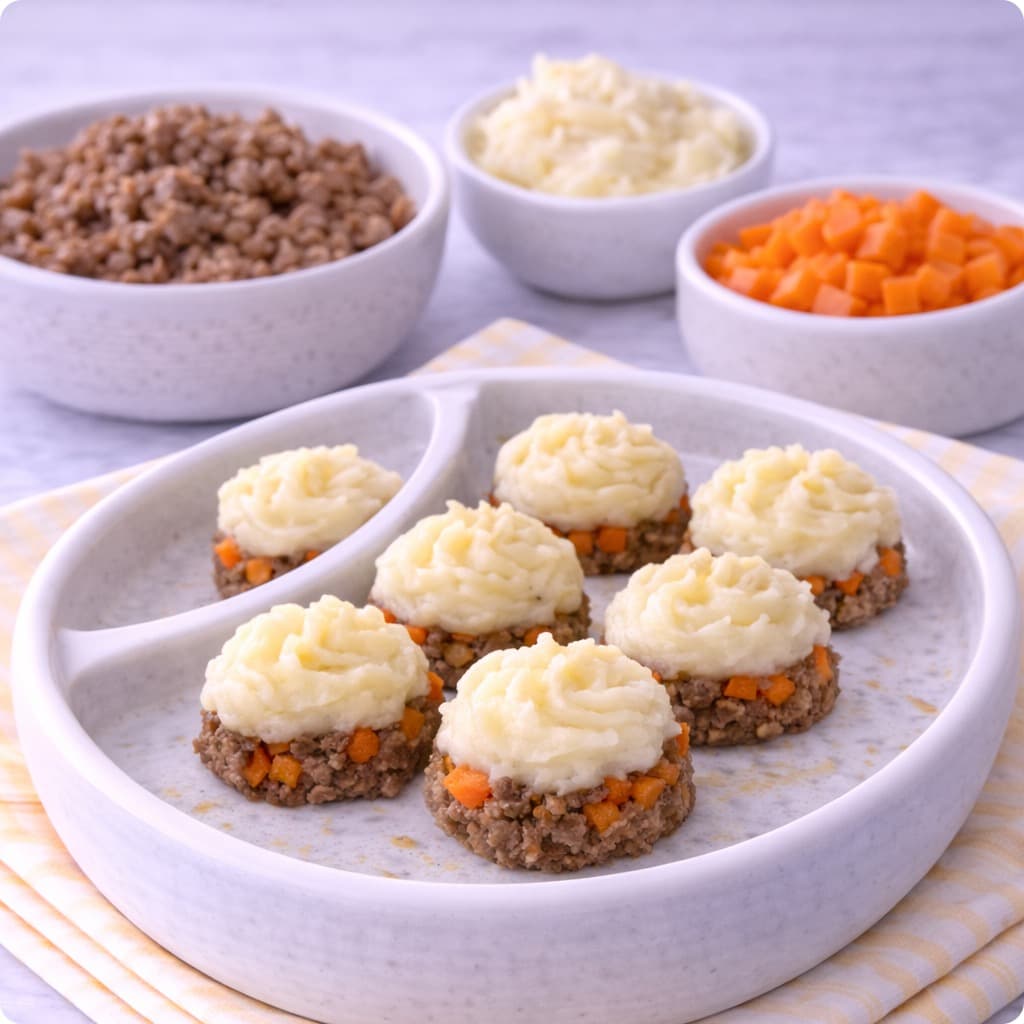
Mini Shepherd's Pie Bites
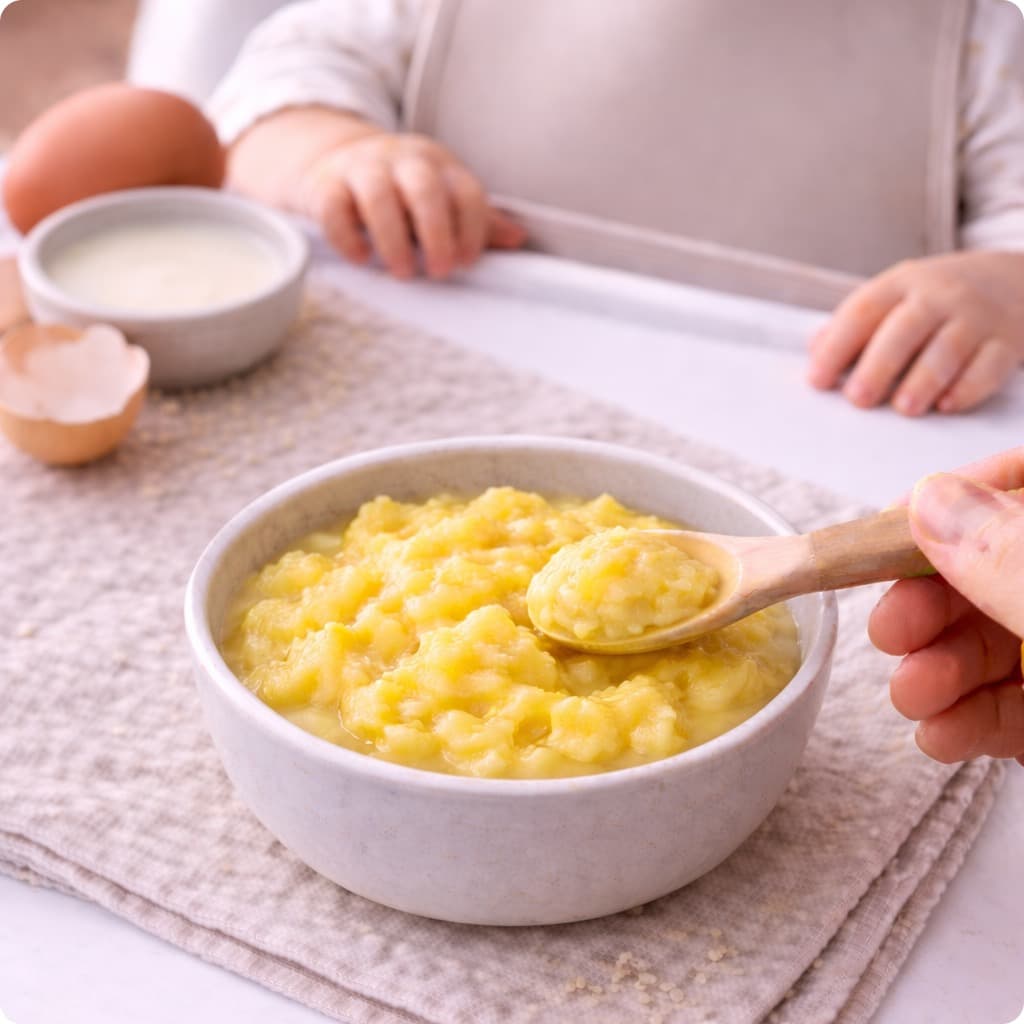
Scrambled Eggs

Egg Yolk Mash
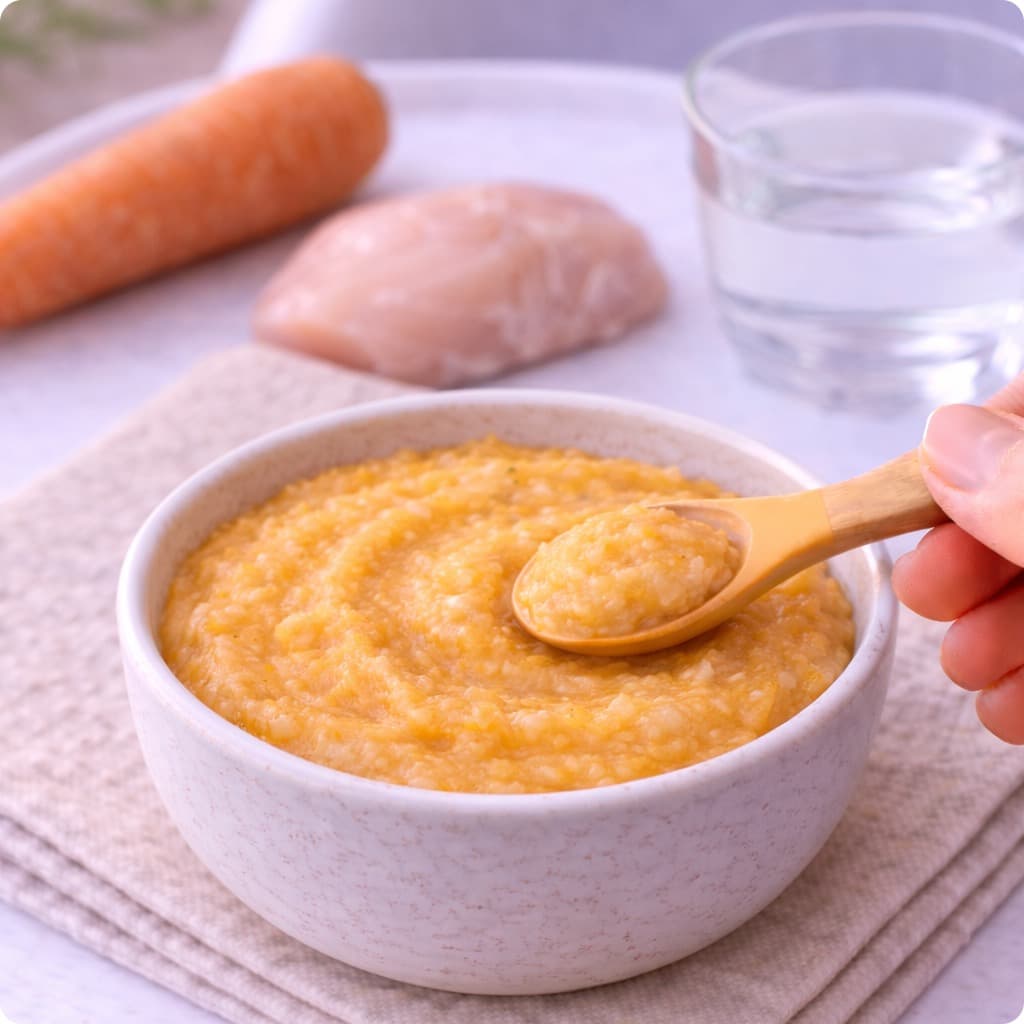
Chicken & Carrot Purée
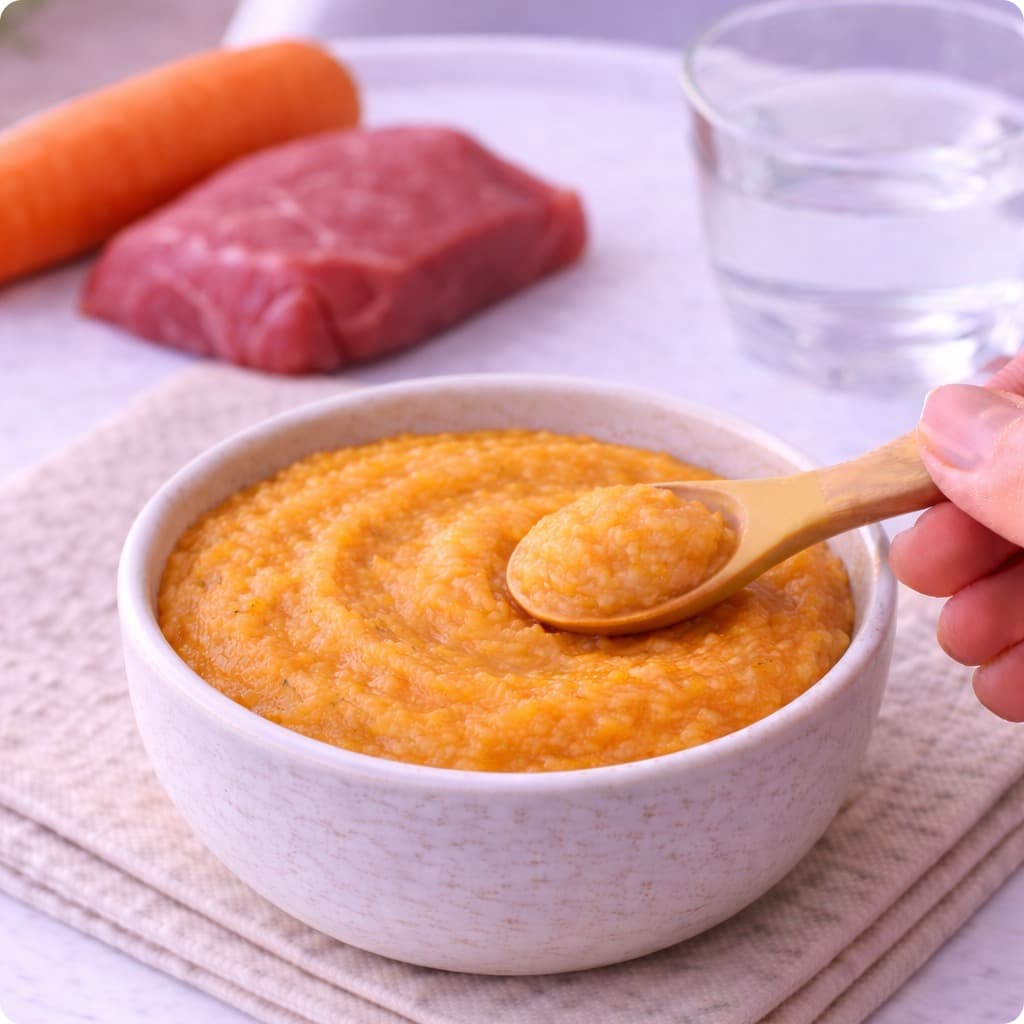
Beef & Carrot Purée
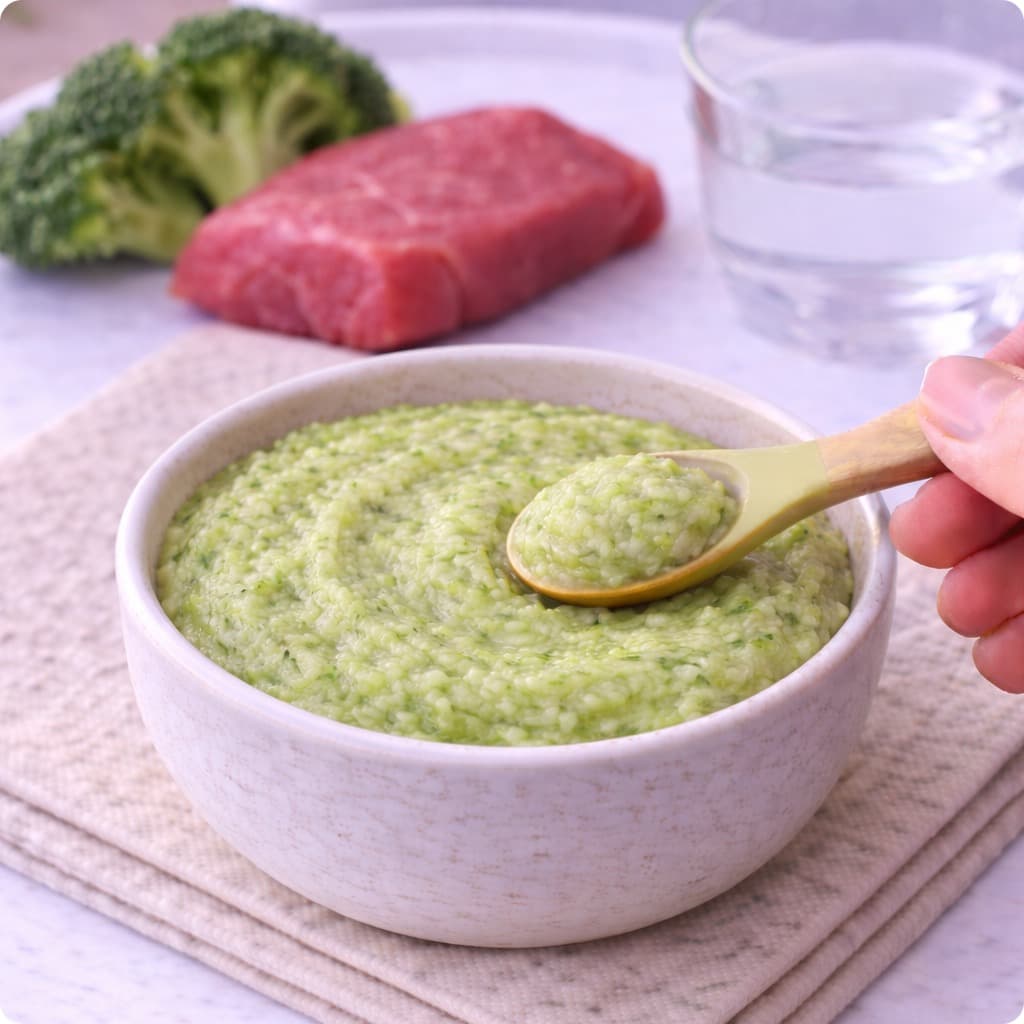
Beef & Broccoli Purée
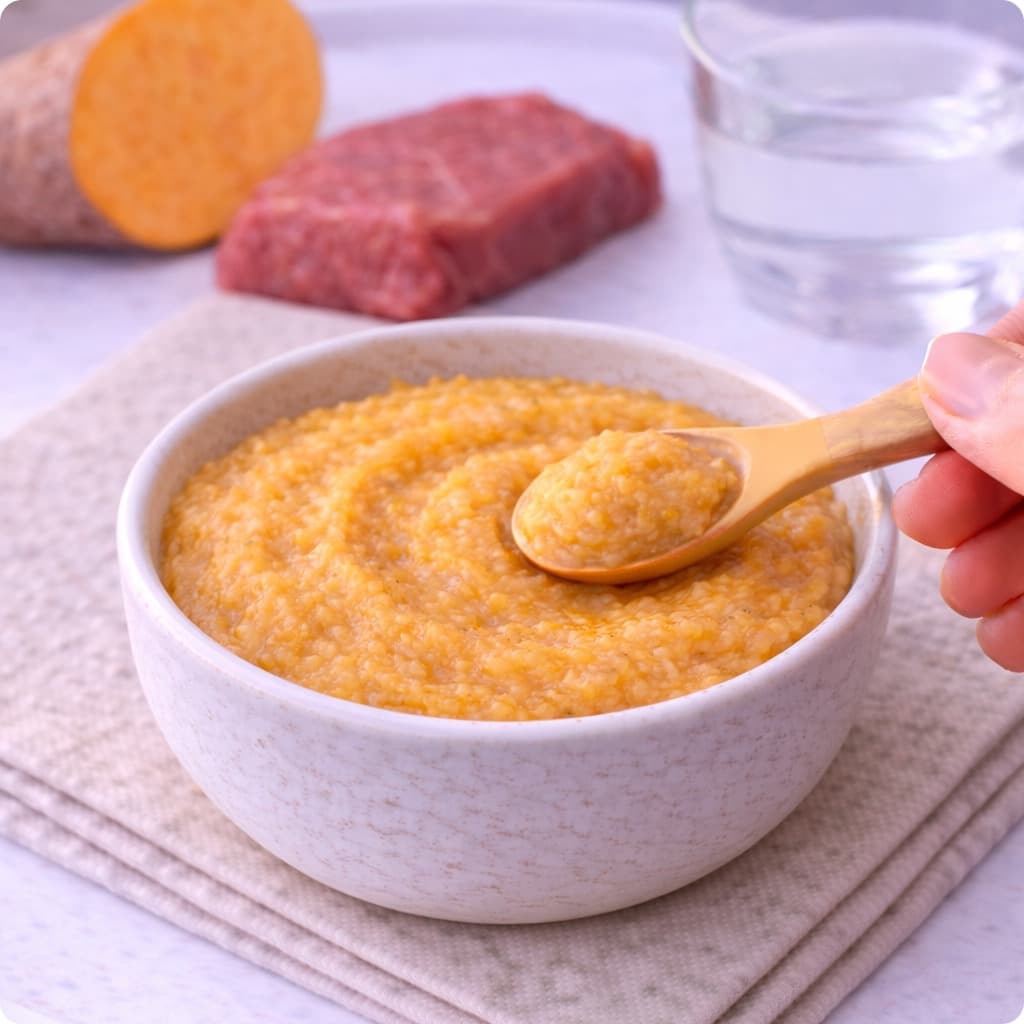
Beef & Sweet Potato Mash
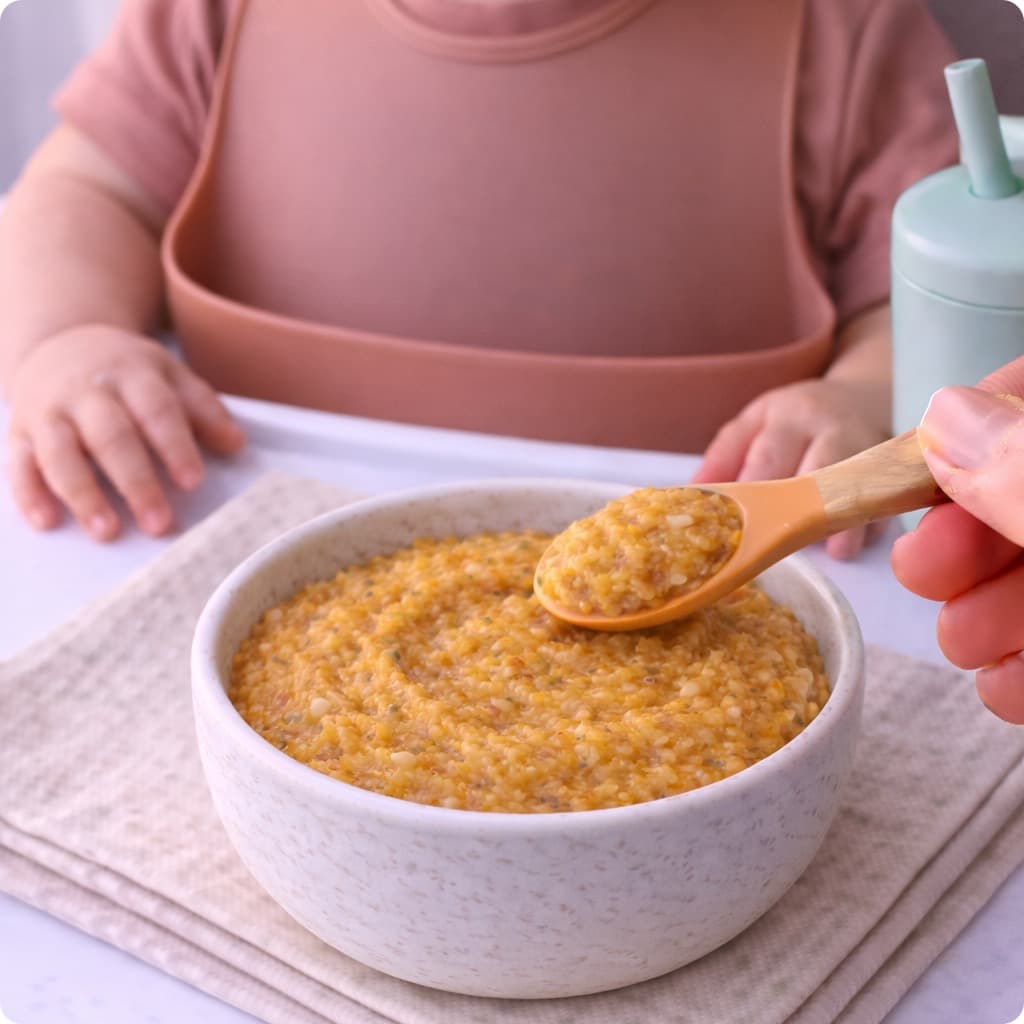
Beef, Pumpkin & Barley Mash
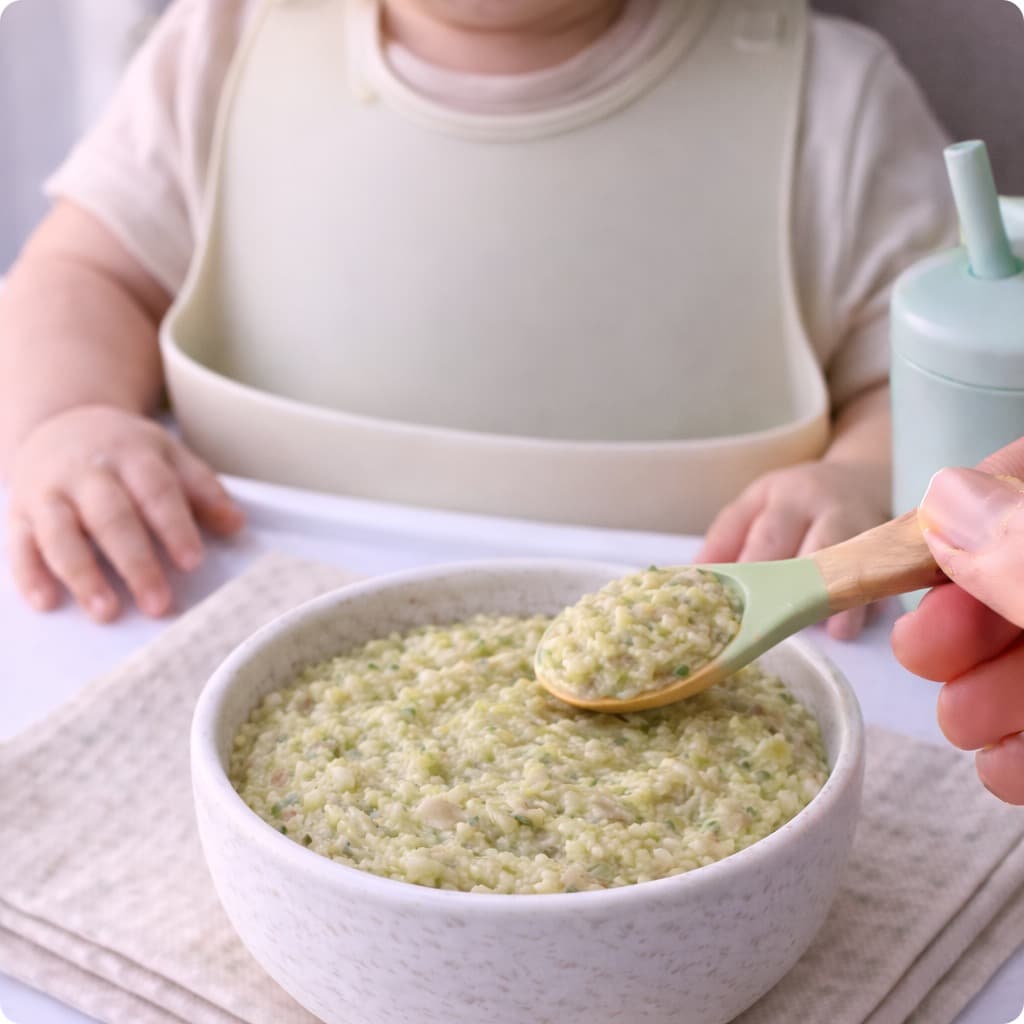
Beef, Broccoli & Potato Mash
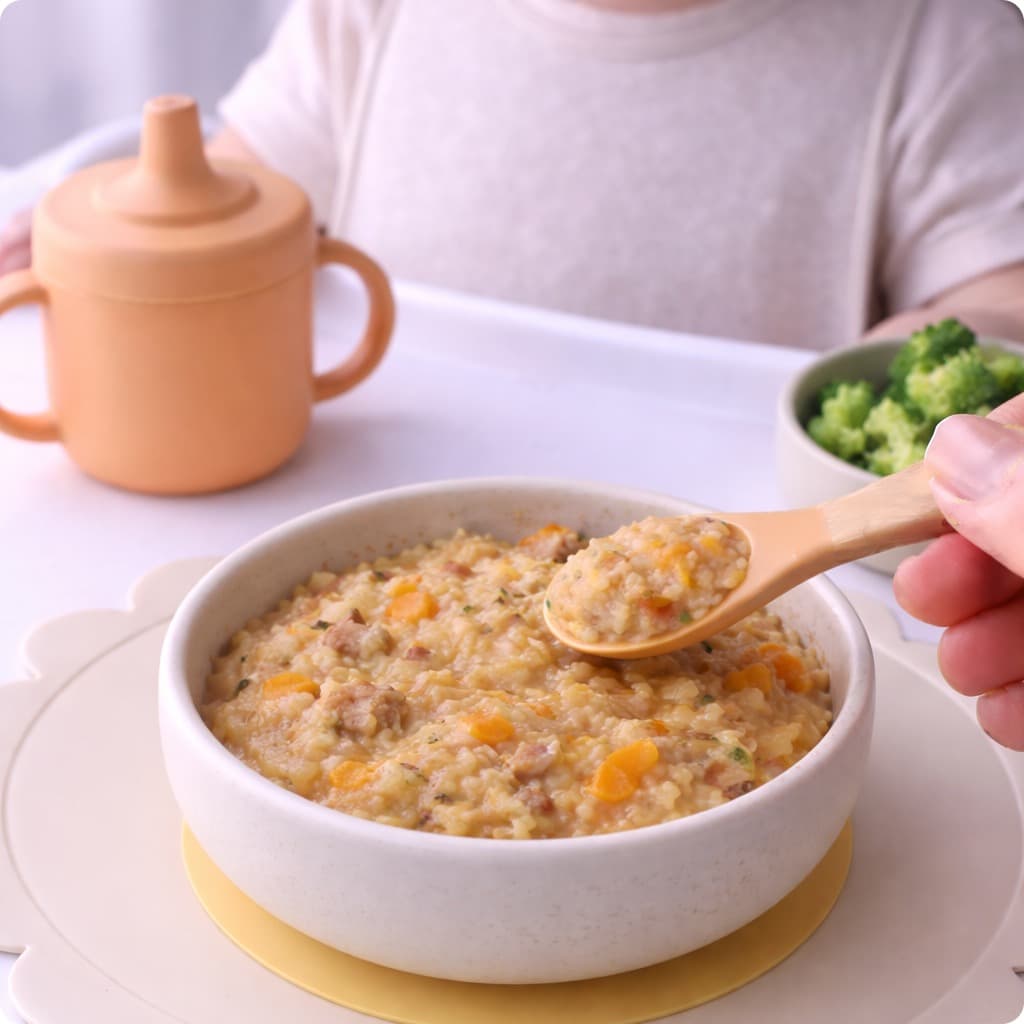
Beef Stew Mash

Beef, Potato & Green Beans Mash
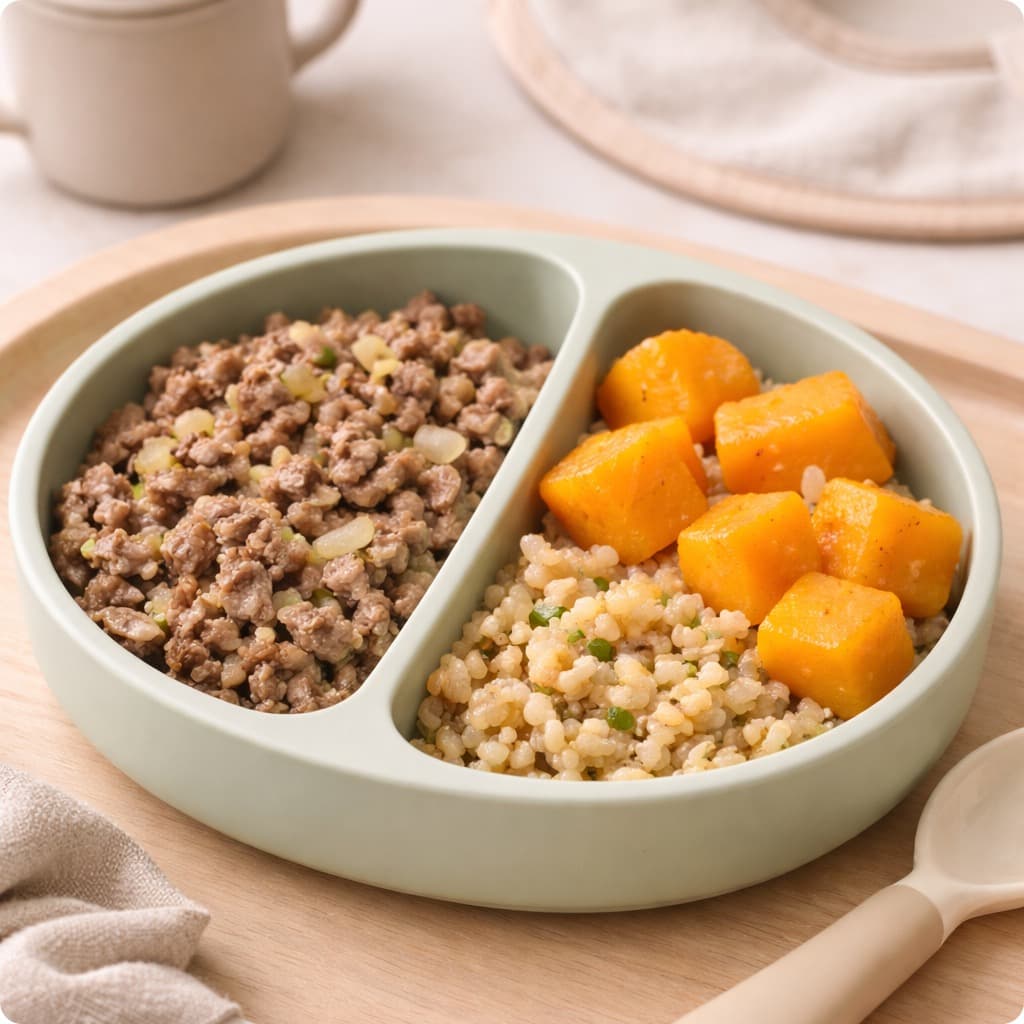
Beef, Pumpkin & Barley Bowl
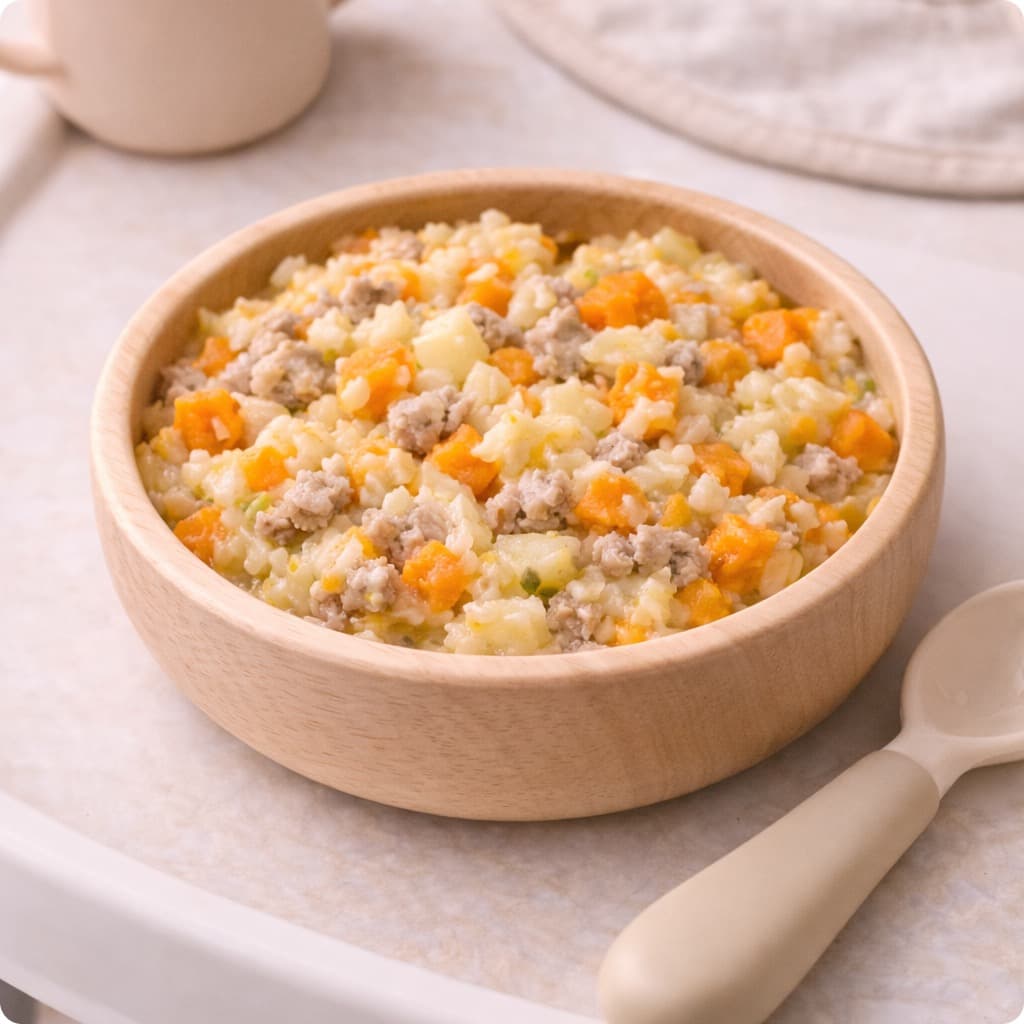
Veal + Carrot + Potato Mash
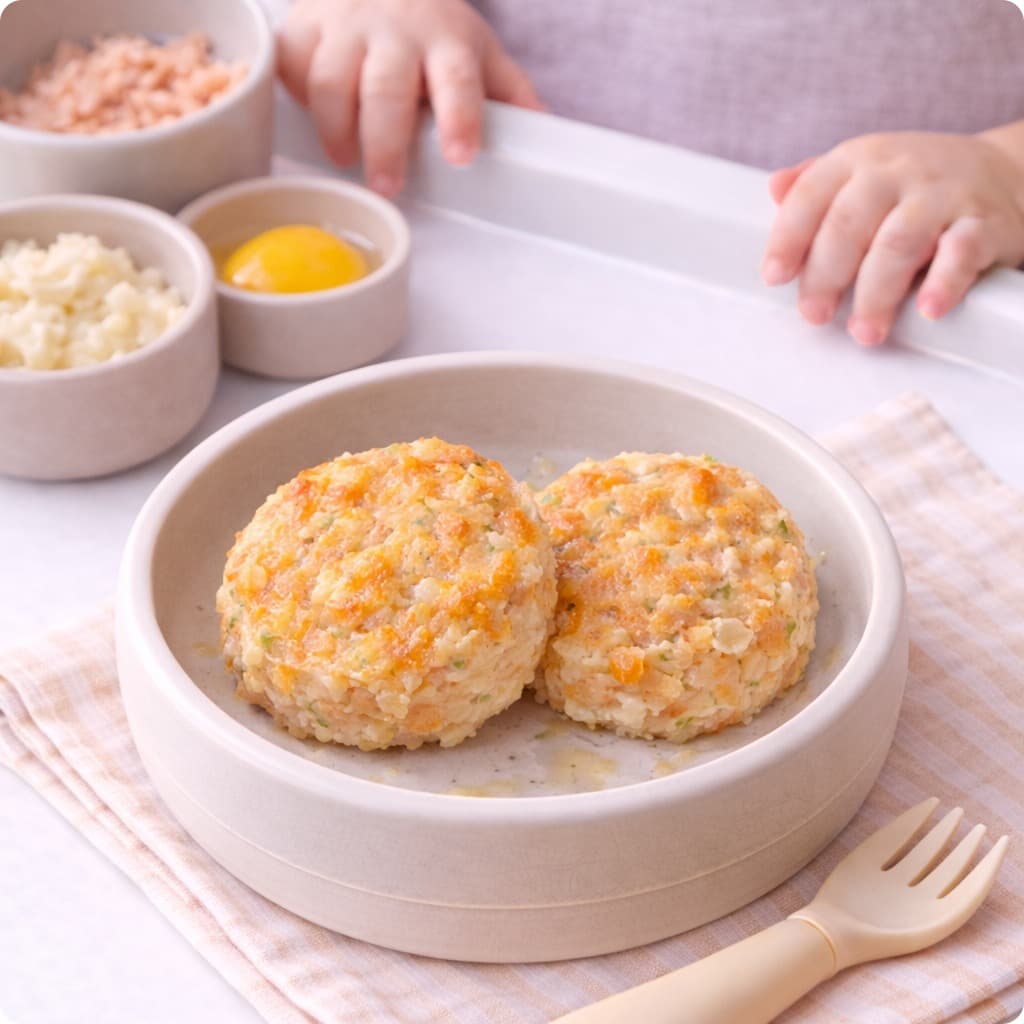
Salmon BLW Cakes (Soft Flakes)
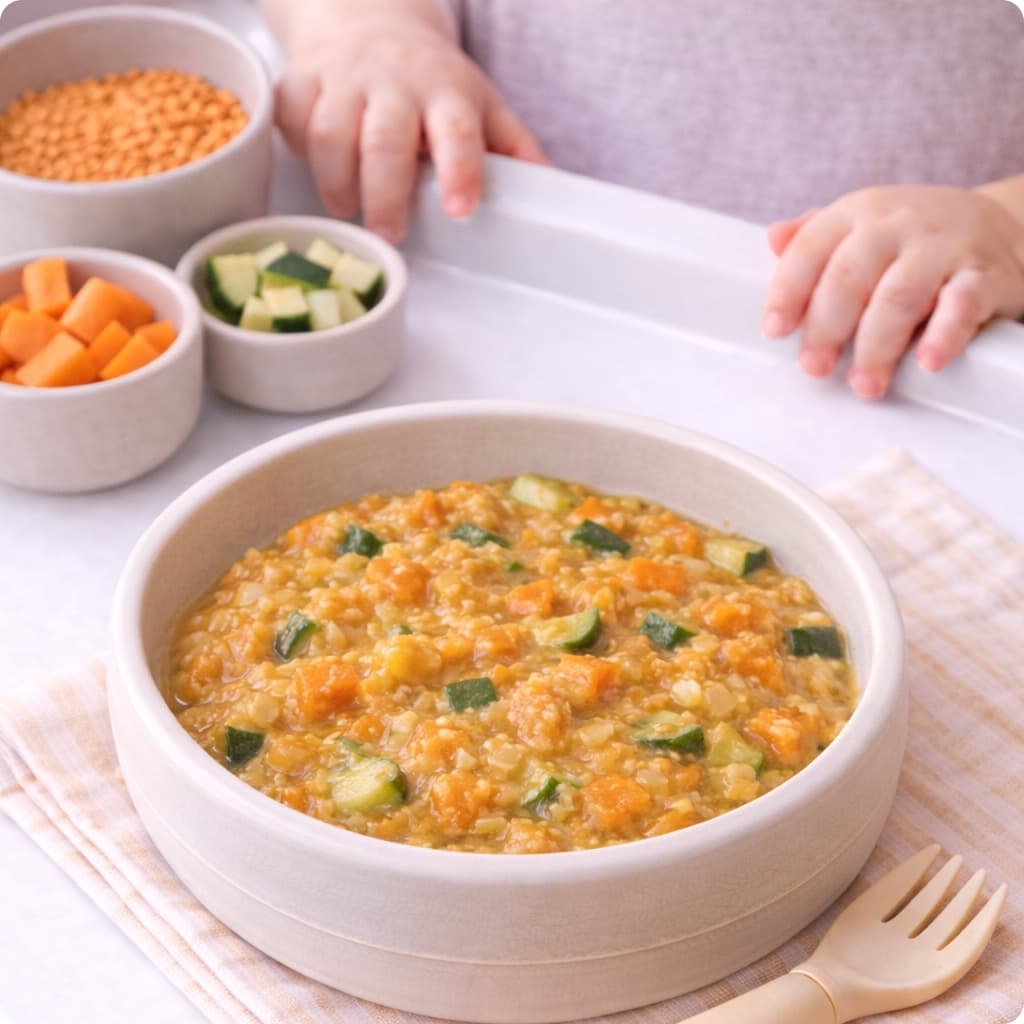
Baby Red Lentil Dahl
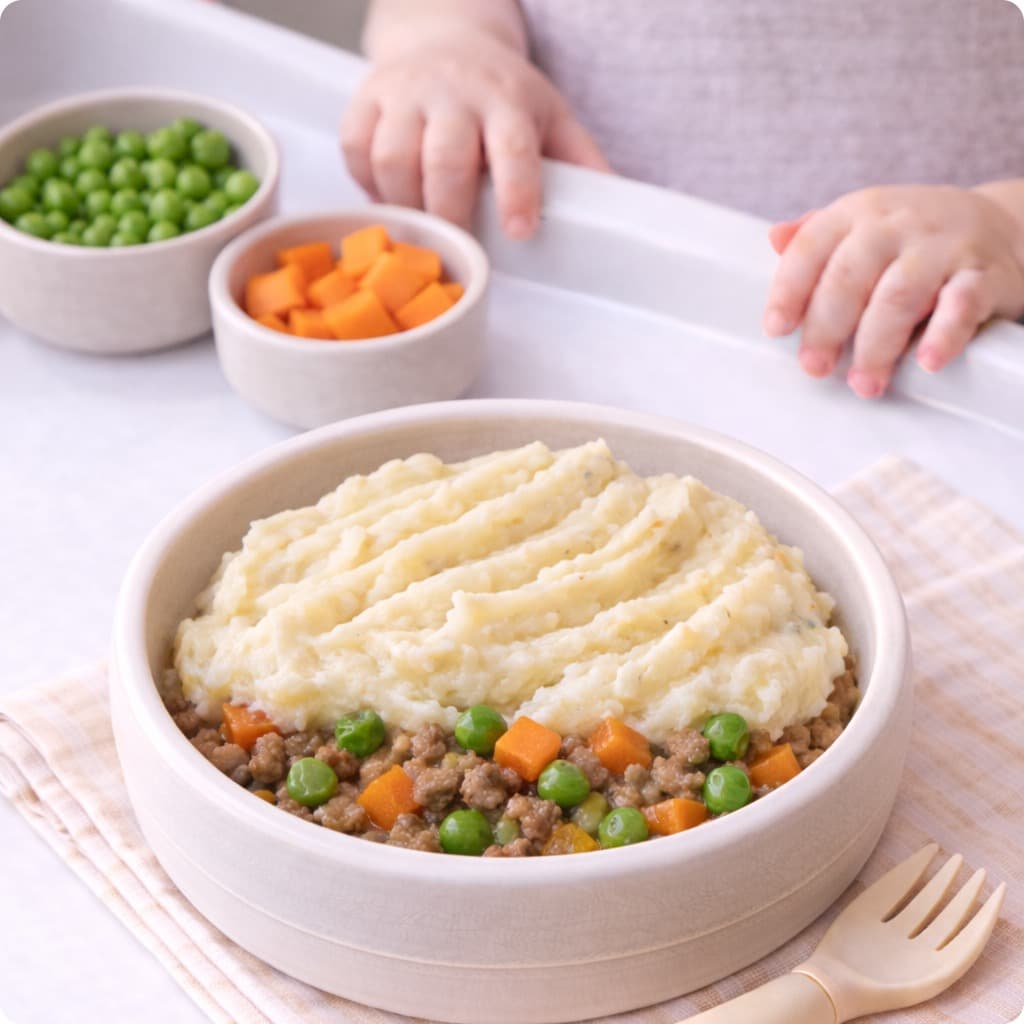
Shepherd's Pie Baby Version
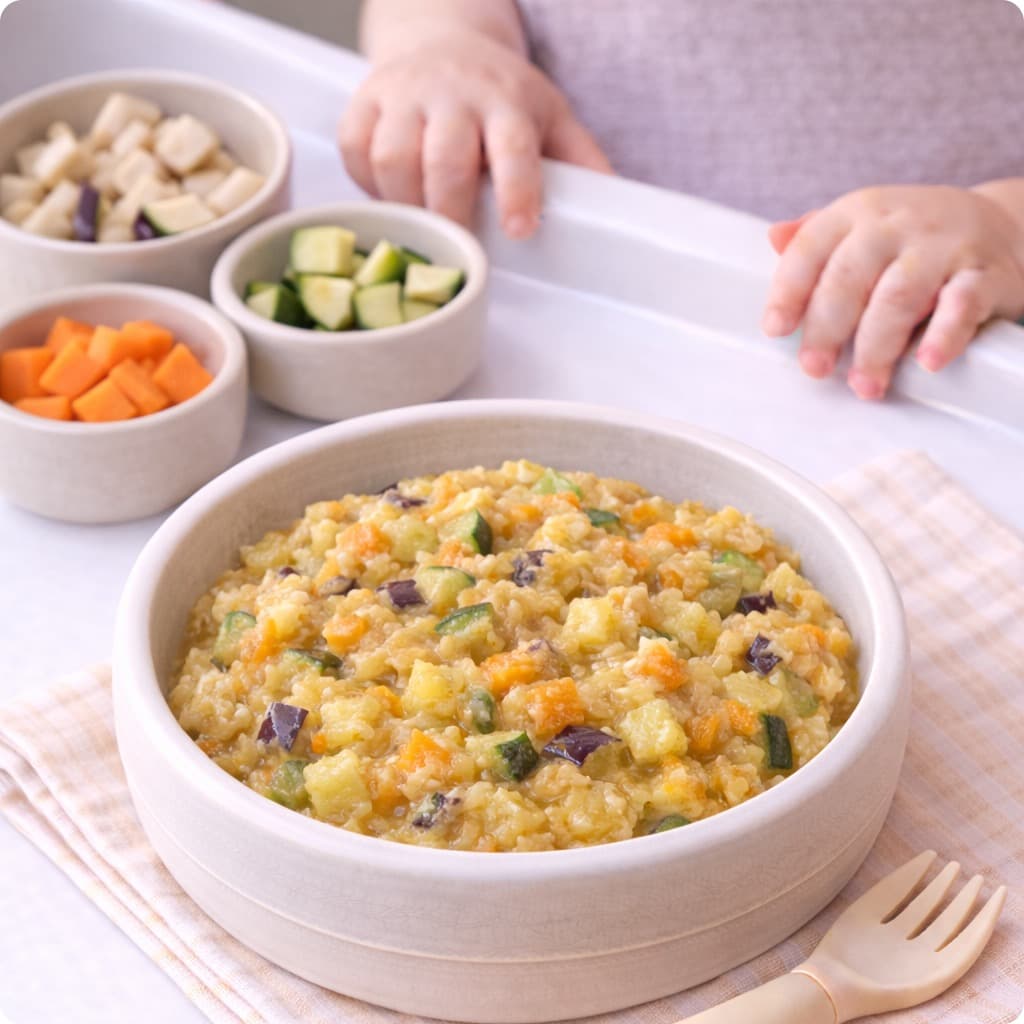
Ratatouille Baby Mash (No Tomato <10m)
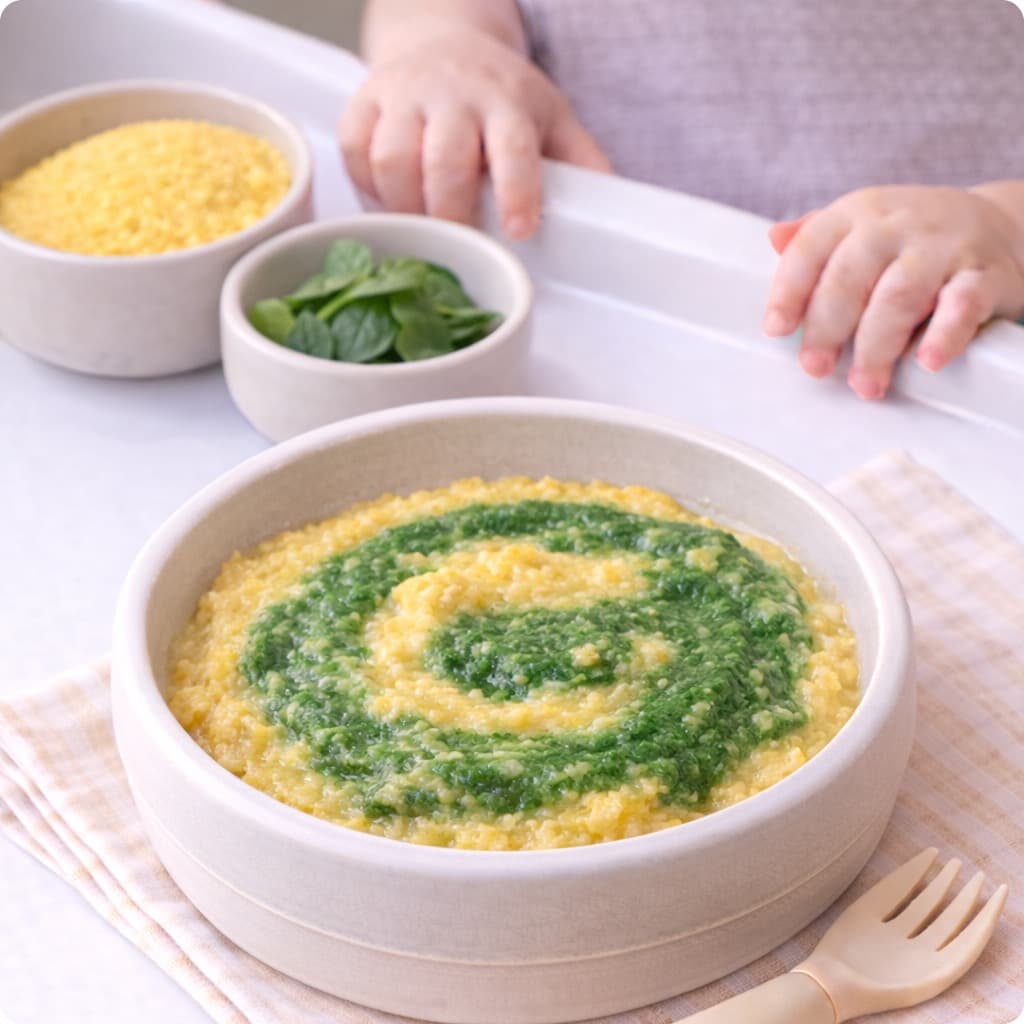
Italian Baby Polenta + Spinach Cream
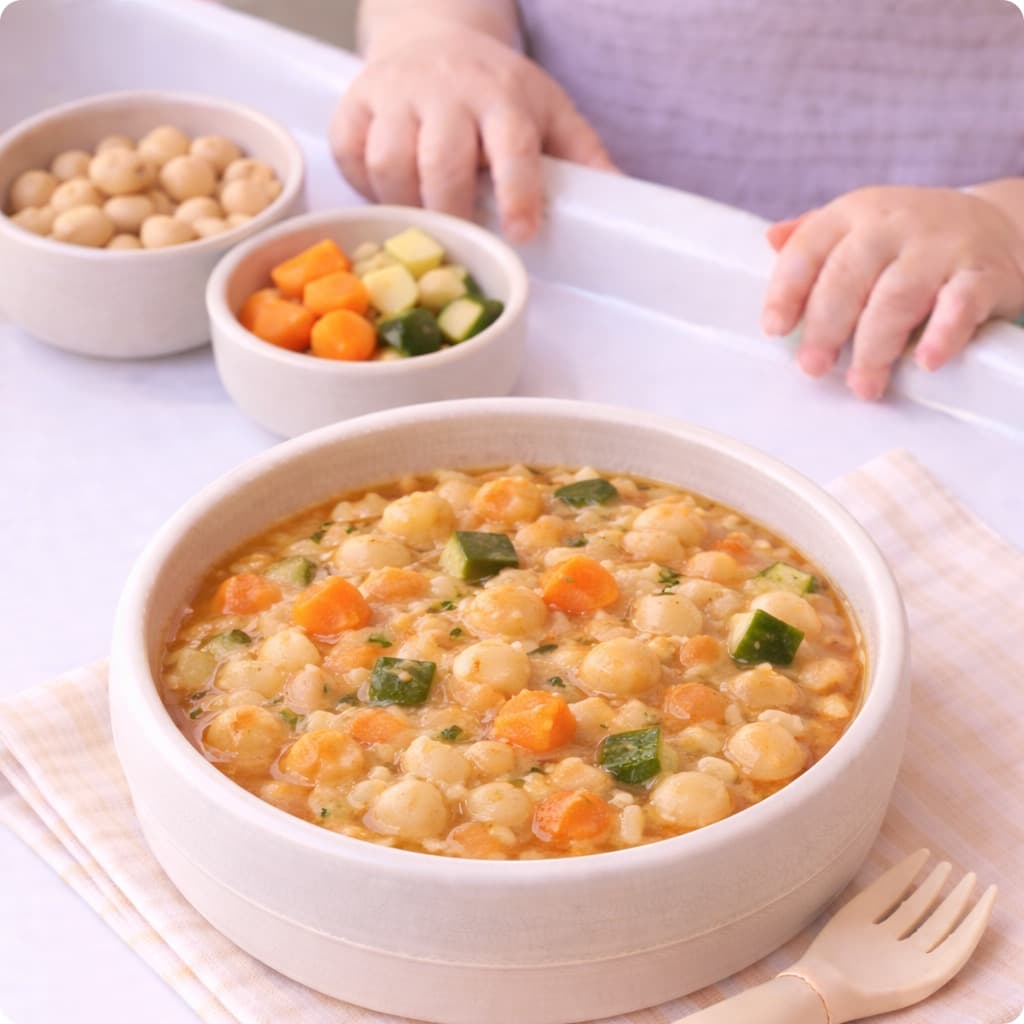
Soft Bean & Vegetable Stew (Baby Cassoulet)
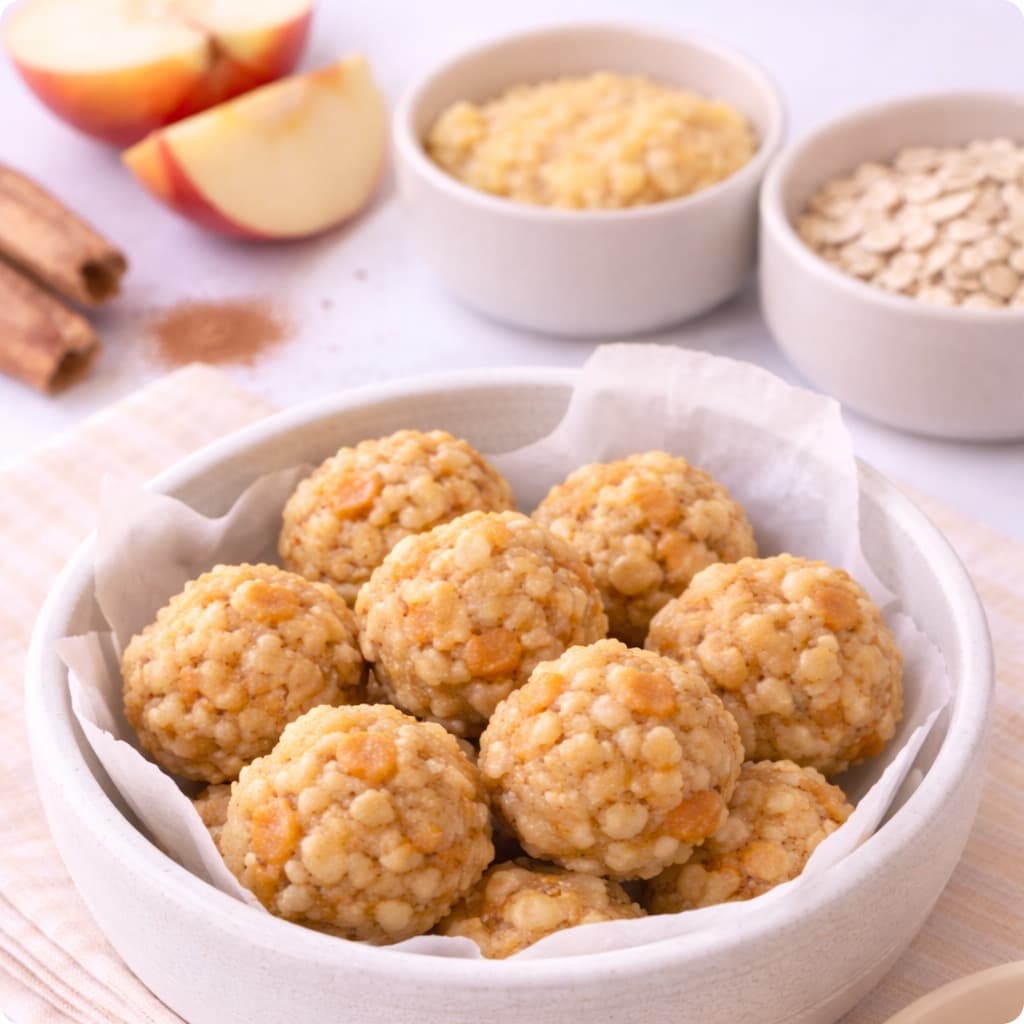
Apple Cinnamon Oat Bites

Soft Pumpkin Oat Bars

Banana Oat Cookies (2 Ingredients)

Sweet Potato Mini Muffins
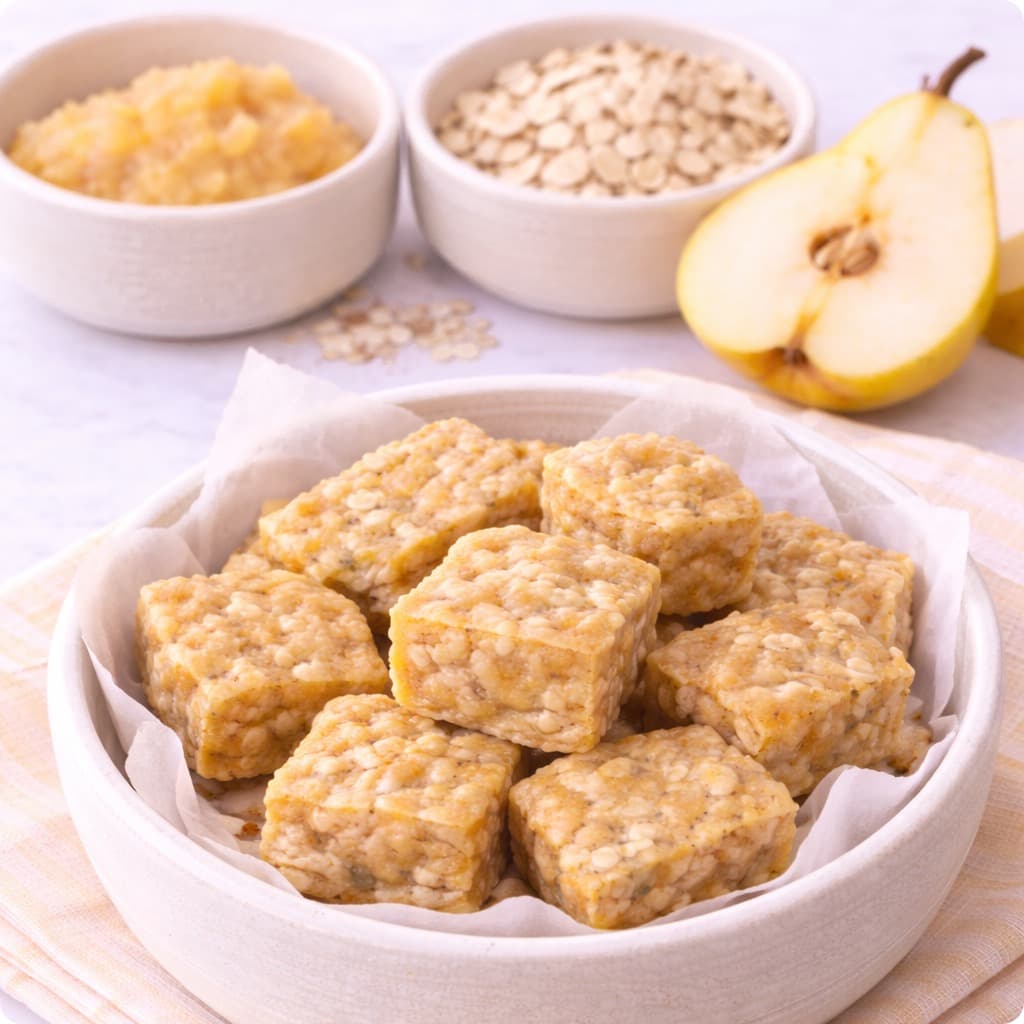
Oat & Pear Soft Squares

Banana Pancake Bites

Soft Pumpkin & Oat Mini Bakes (No Added Sugar)

Soft Fruit & Oat Porridge (No Nuts)
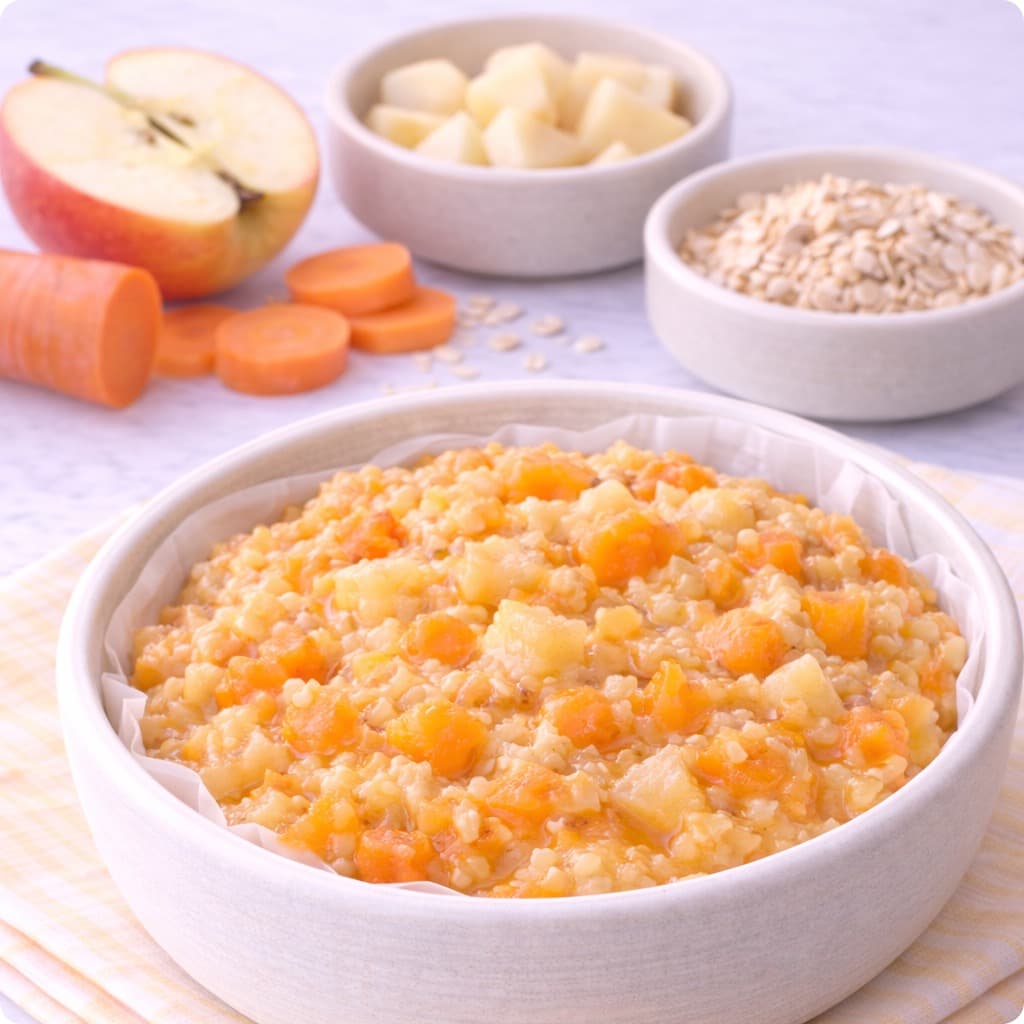
Apple + Carrot + Oat Fusion Bowl
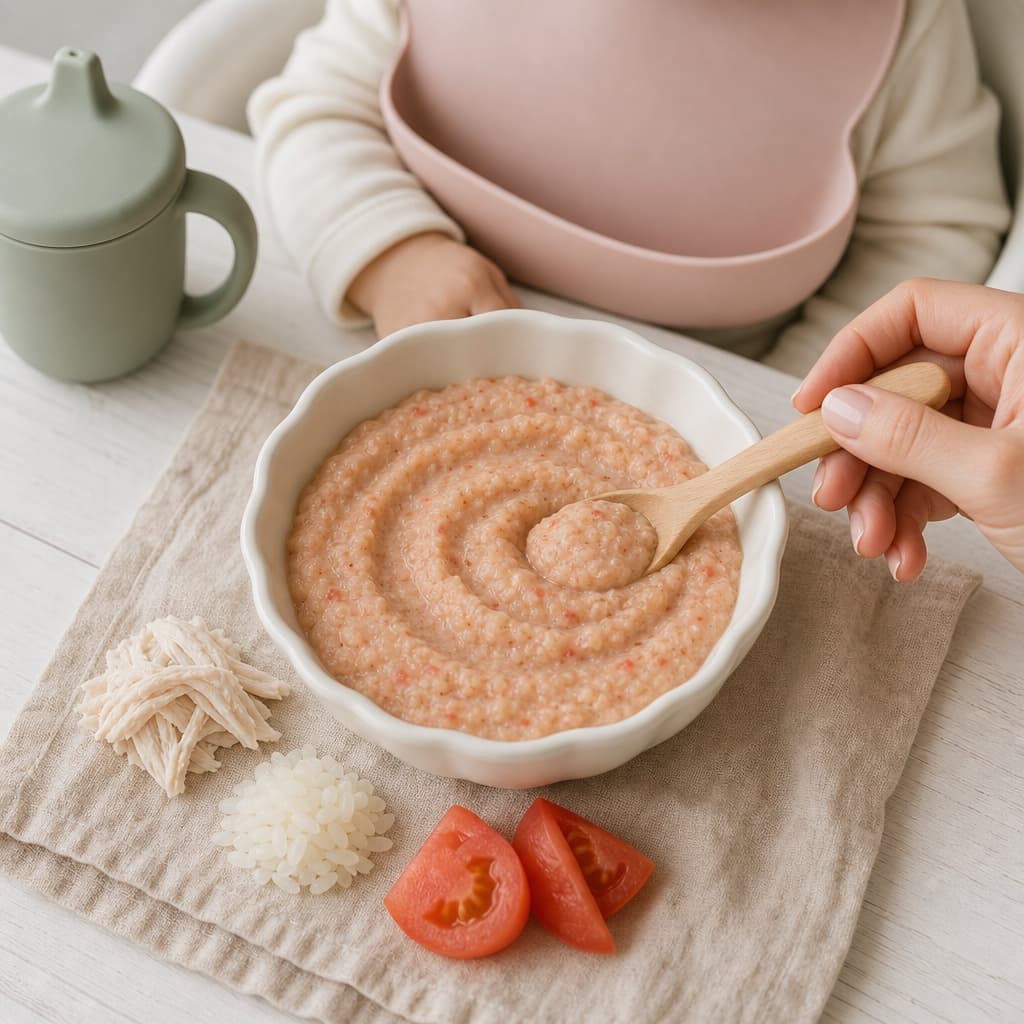
Chicken Tomato Rice Bowl
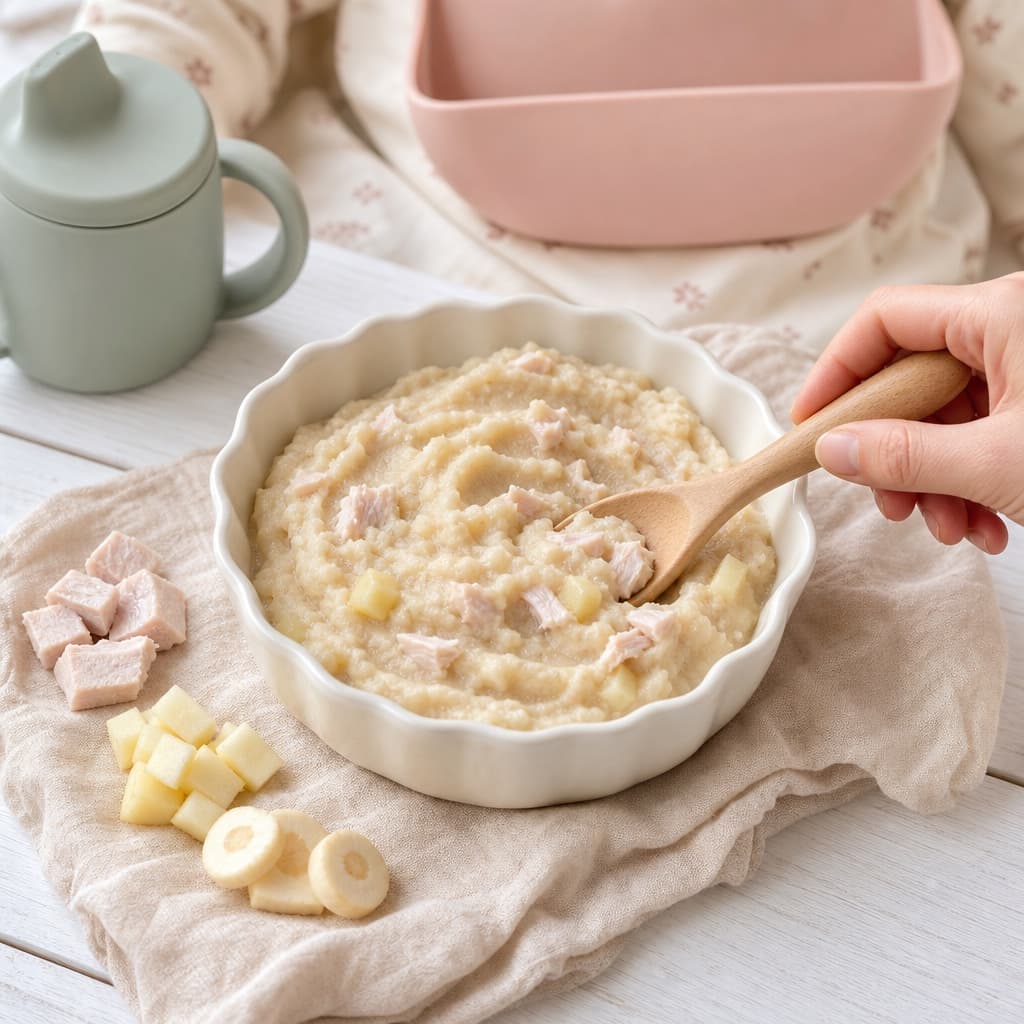
Turkey Apple Parsnip Bowl
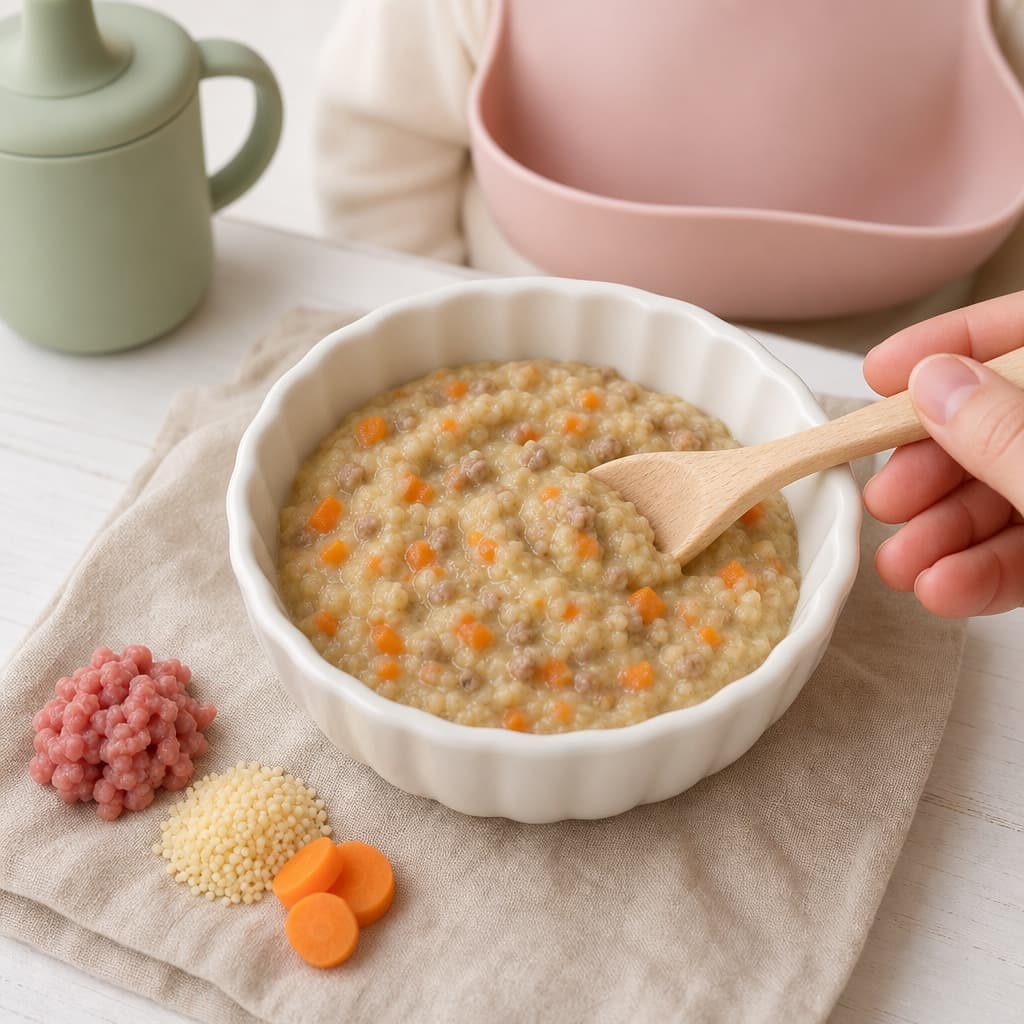
Lamb Carrot Couscous Bowl
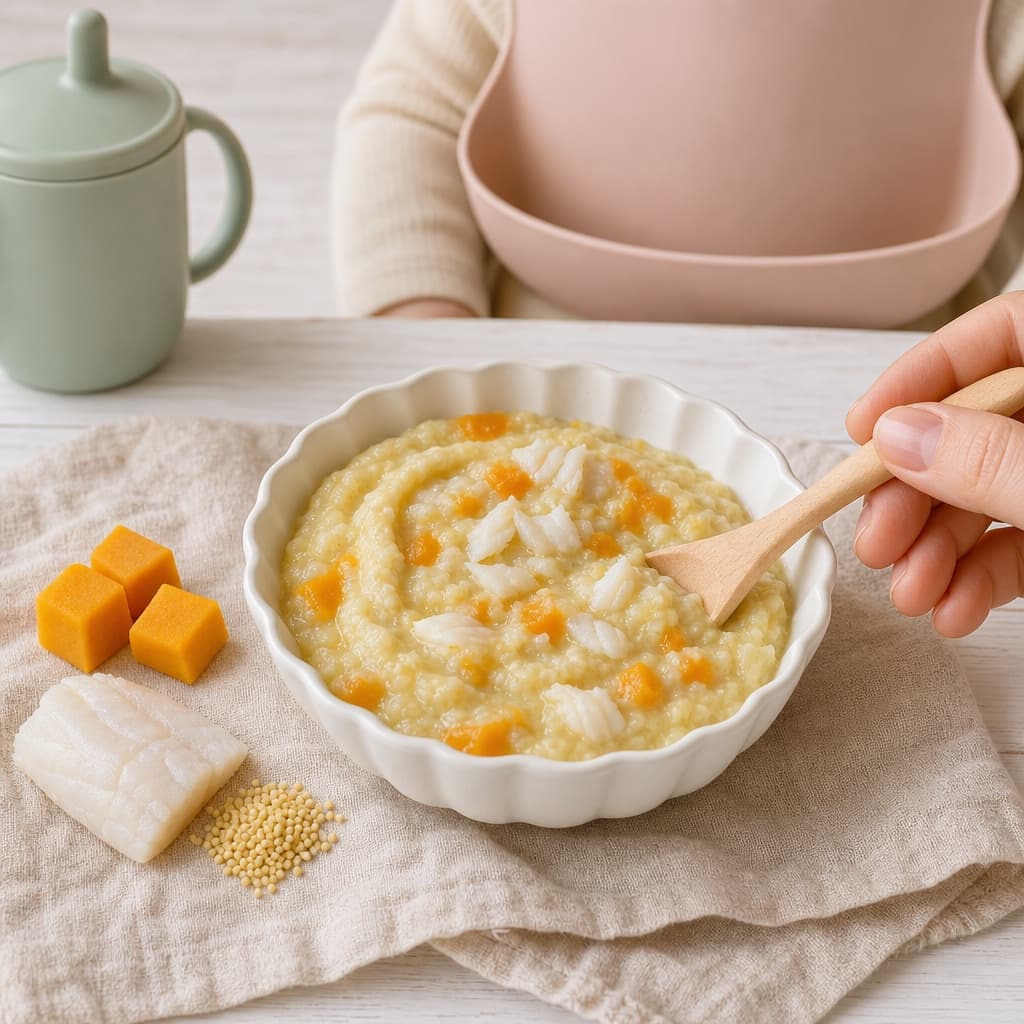
White Fish Pumpkin Millet Bowl
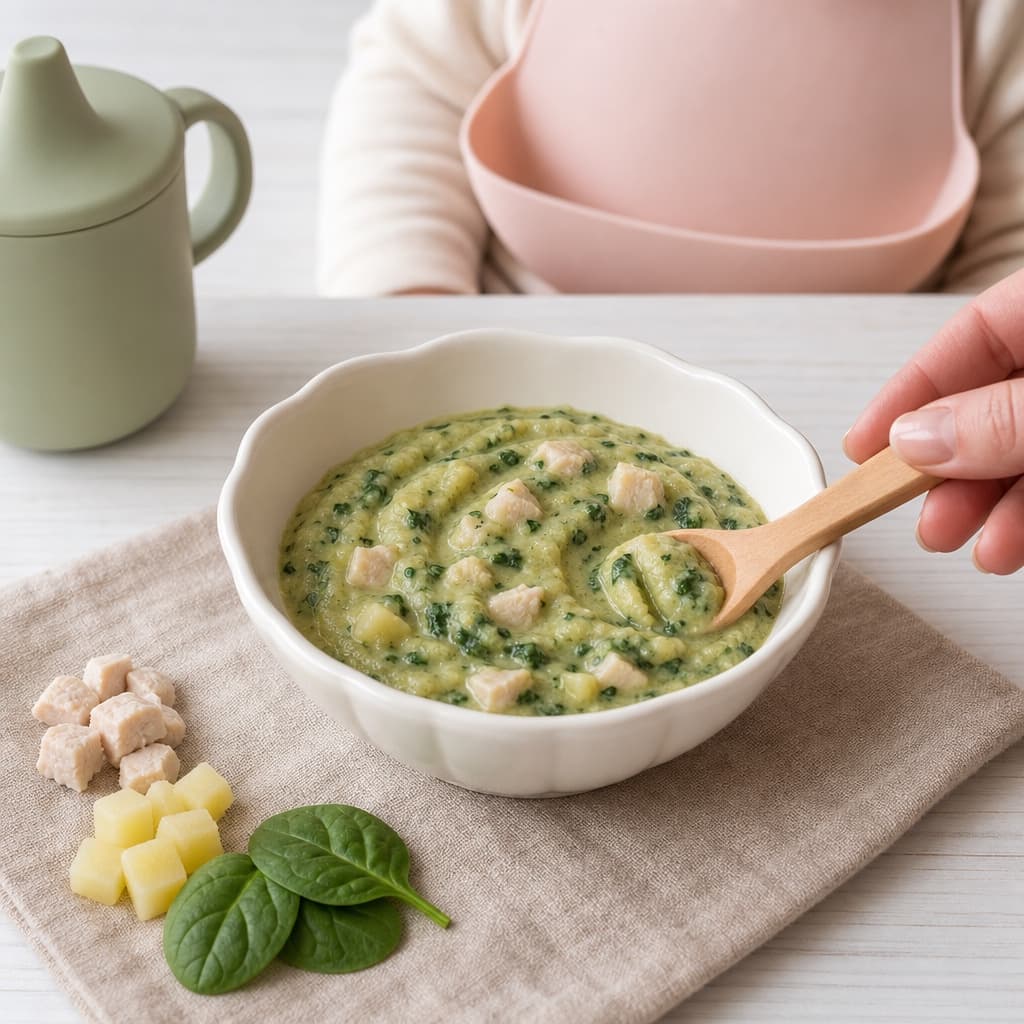
Chicken Spinach Potato Bowl
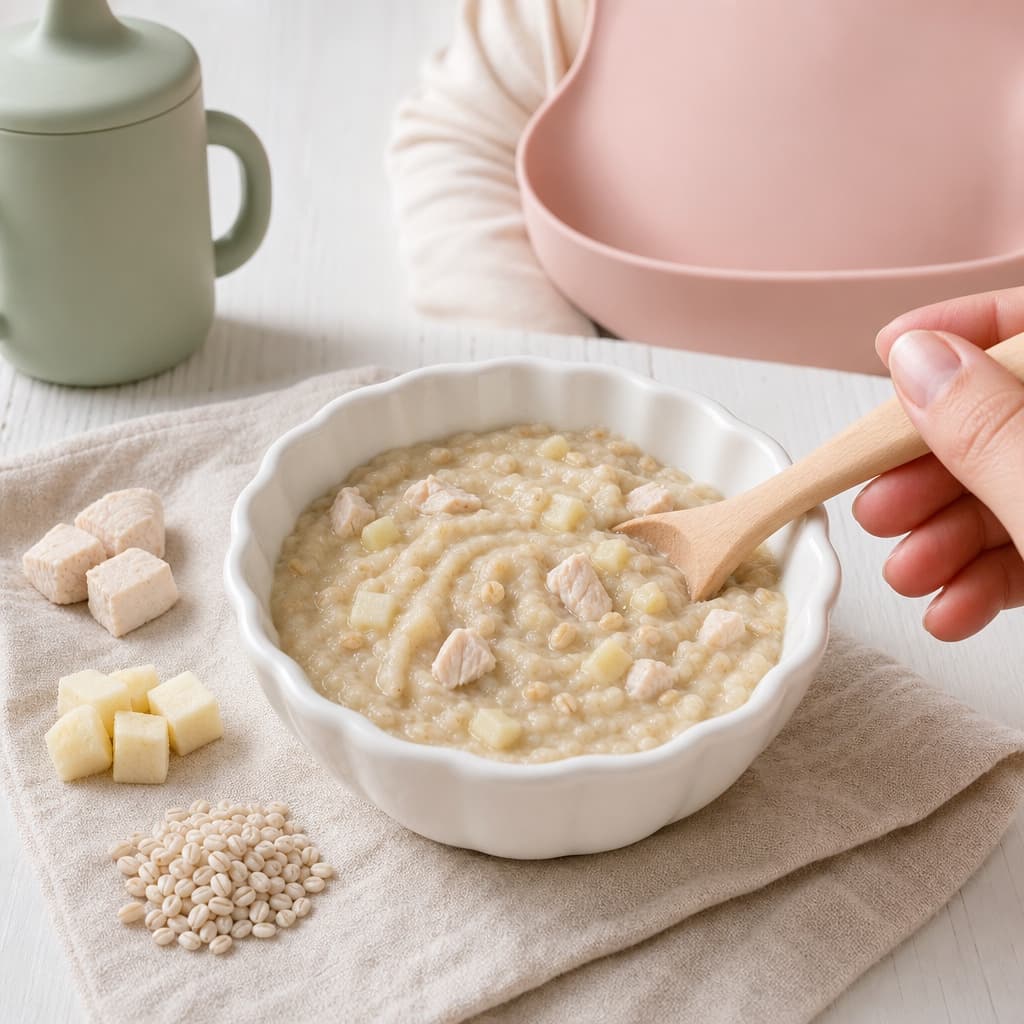
Chicken Parsnip Barley Bowl
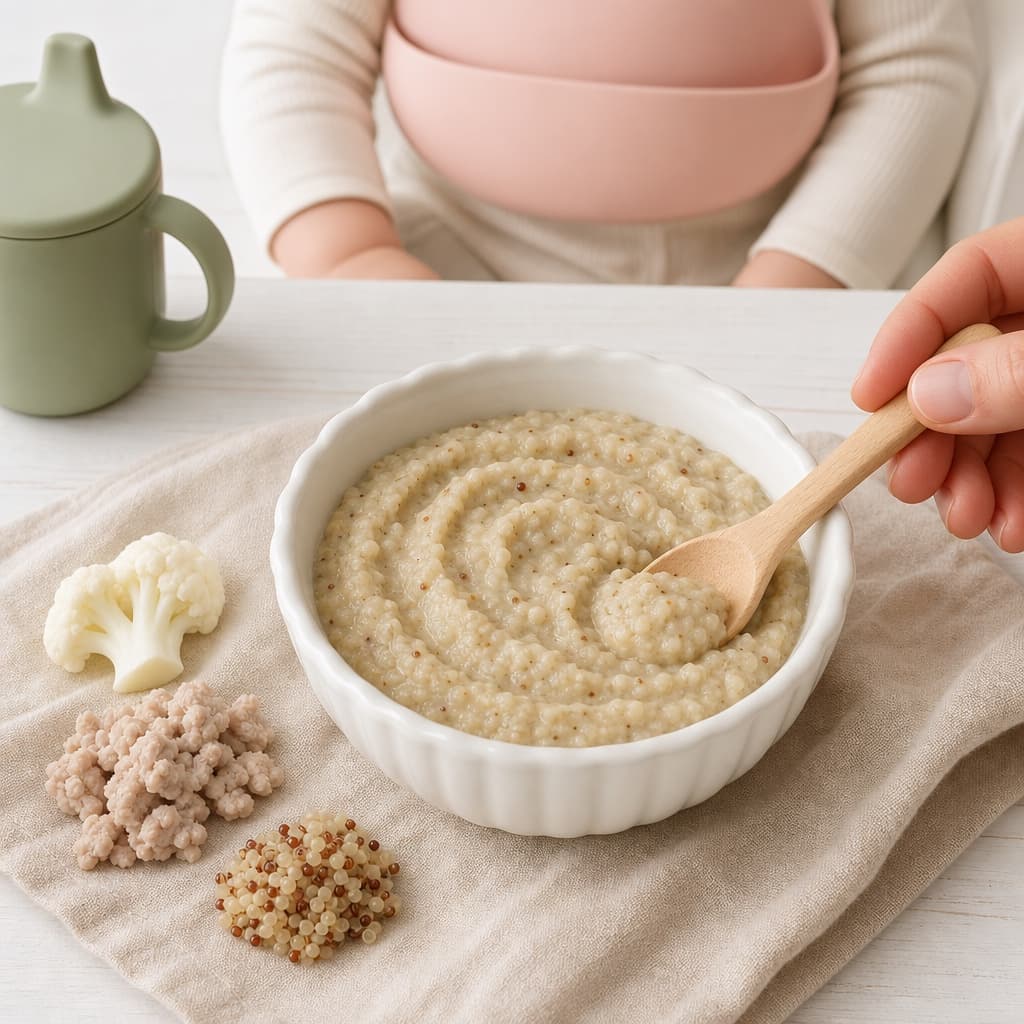
Turkey Cauliflower Quinoa Bowl
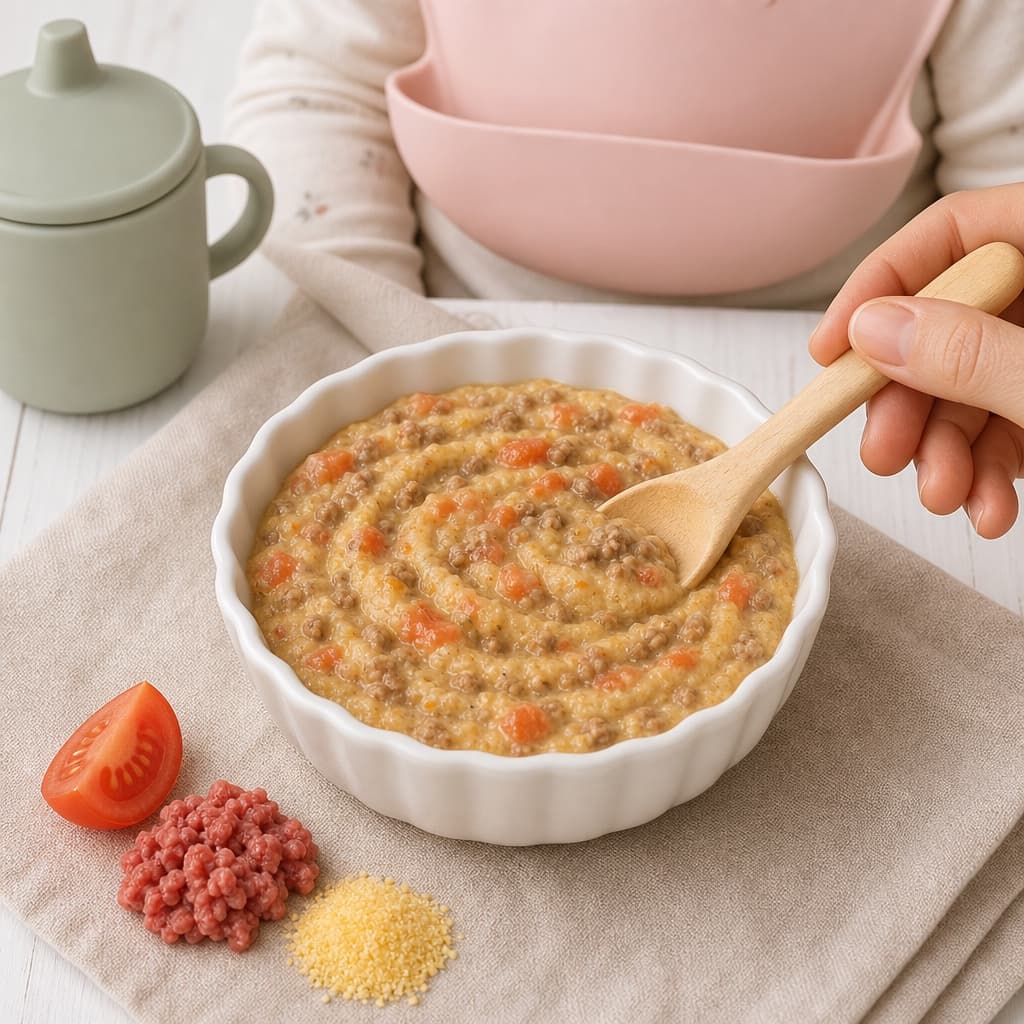
Beef Tomato Polenta Bowl
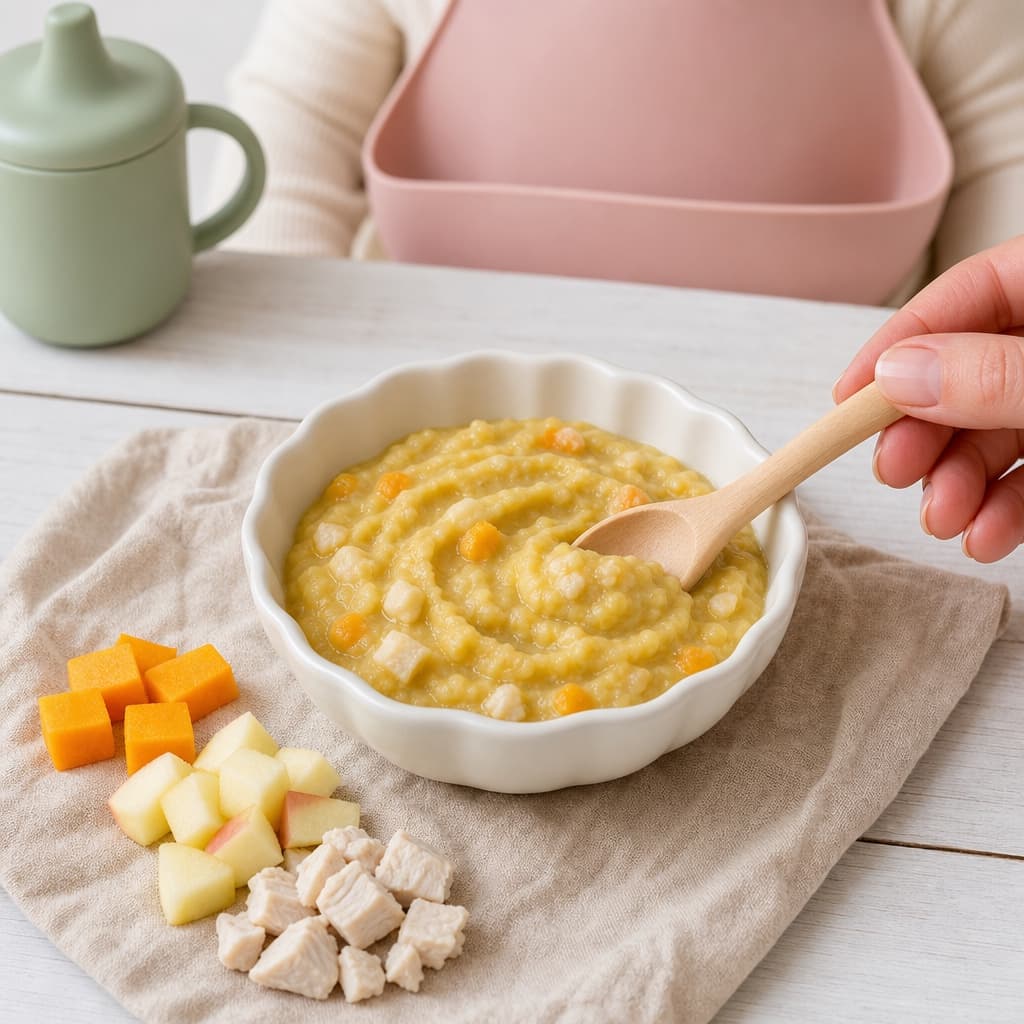
Chicken Apple Squash Bowl
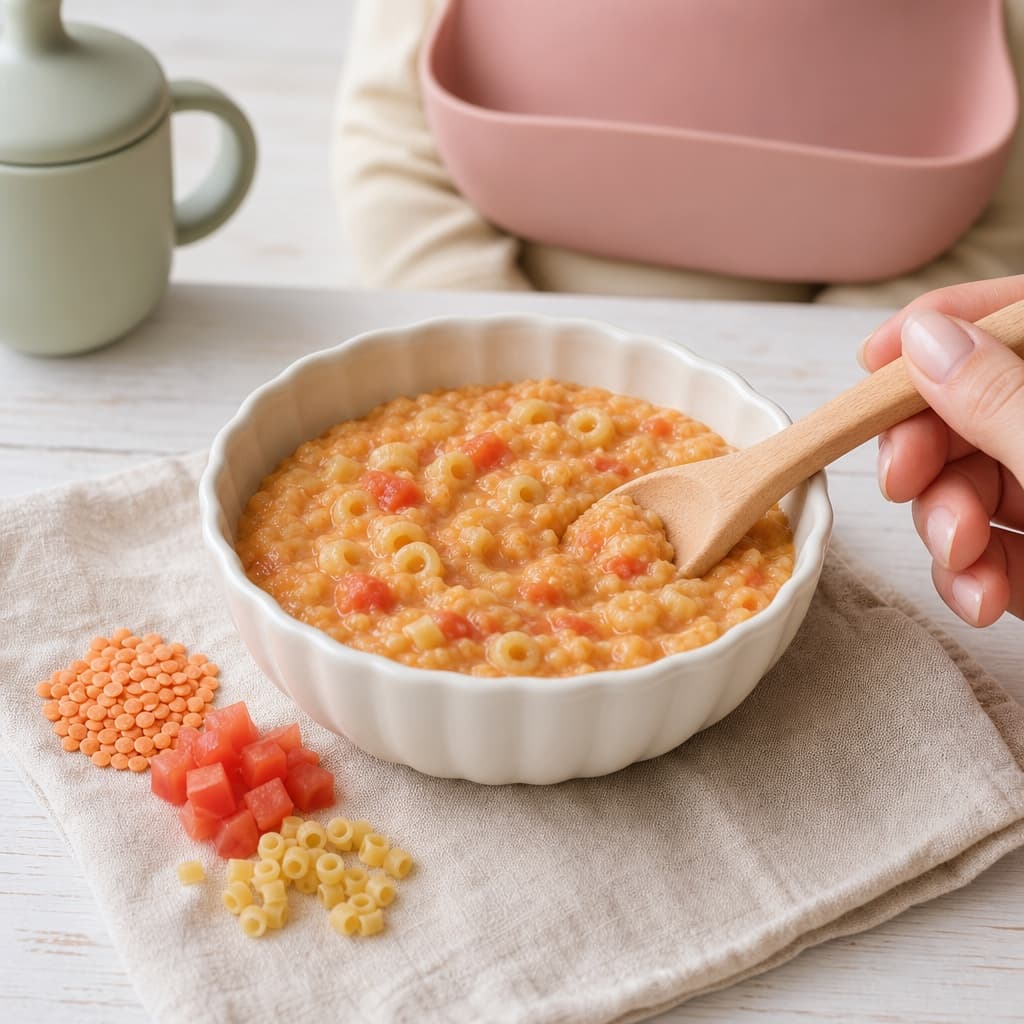
Lentil Tomato Mini Pasta Bowl
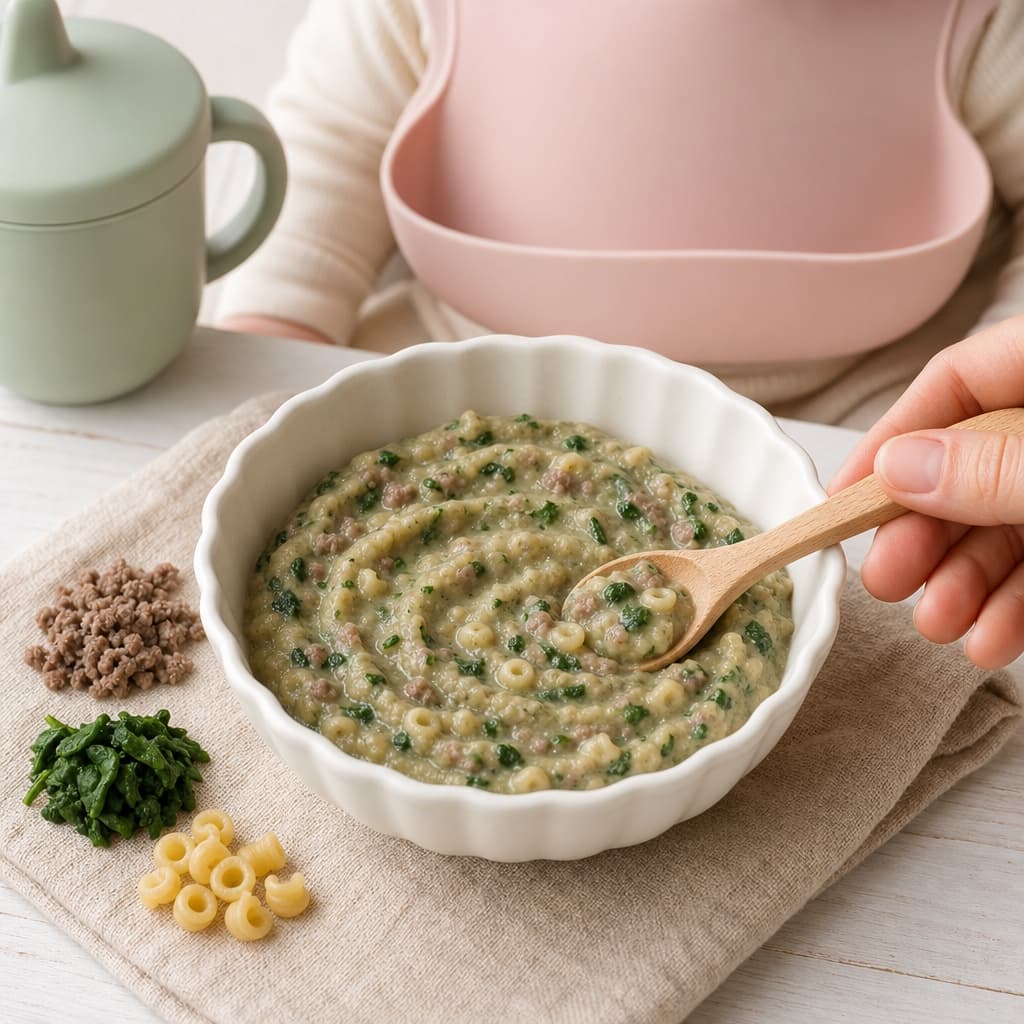
Beef Spinach Pasta Bowl
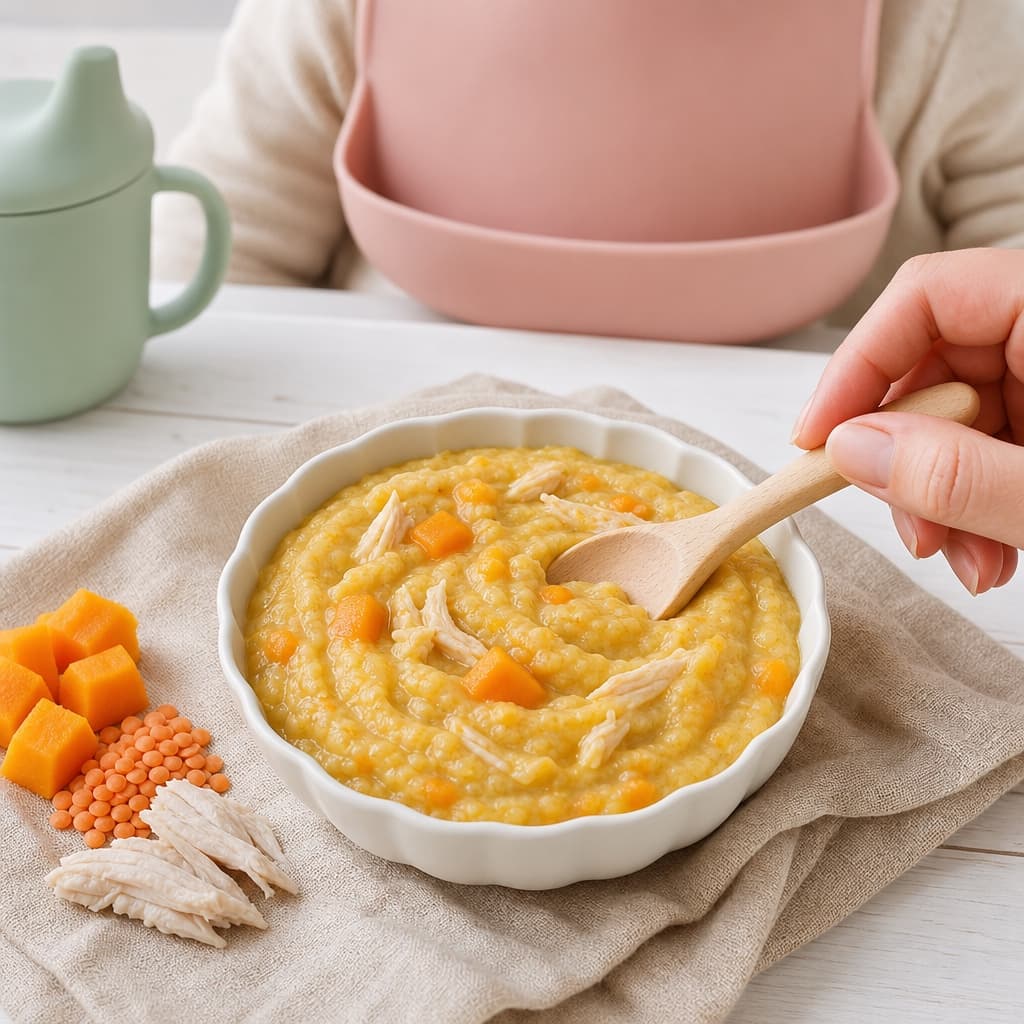
Chicken Lentil Pumpkin Stew
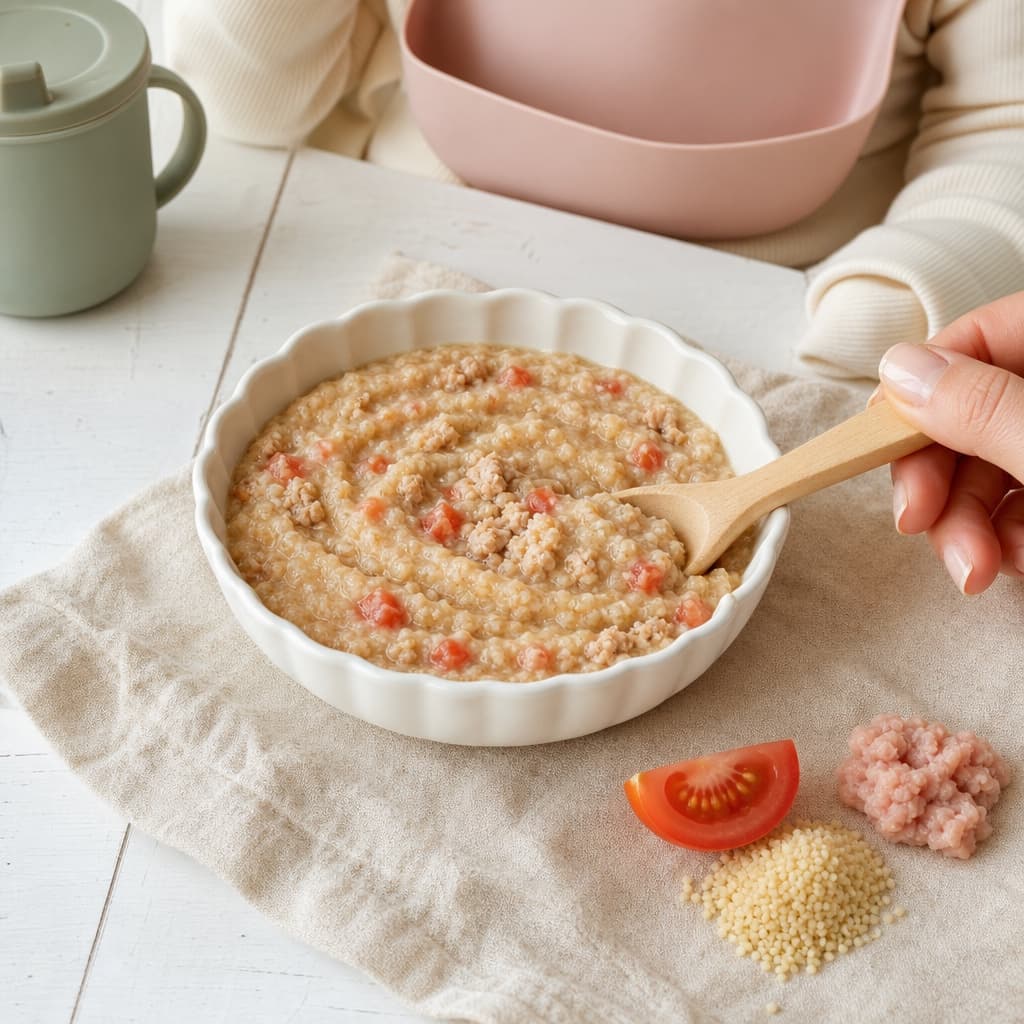
Turkey Tomato Couscous Bowl
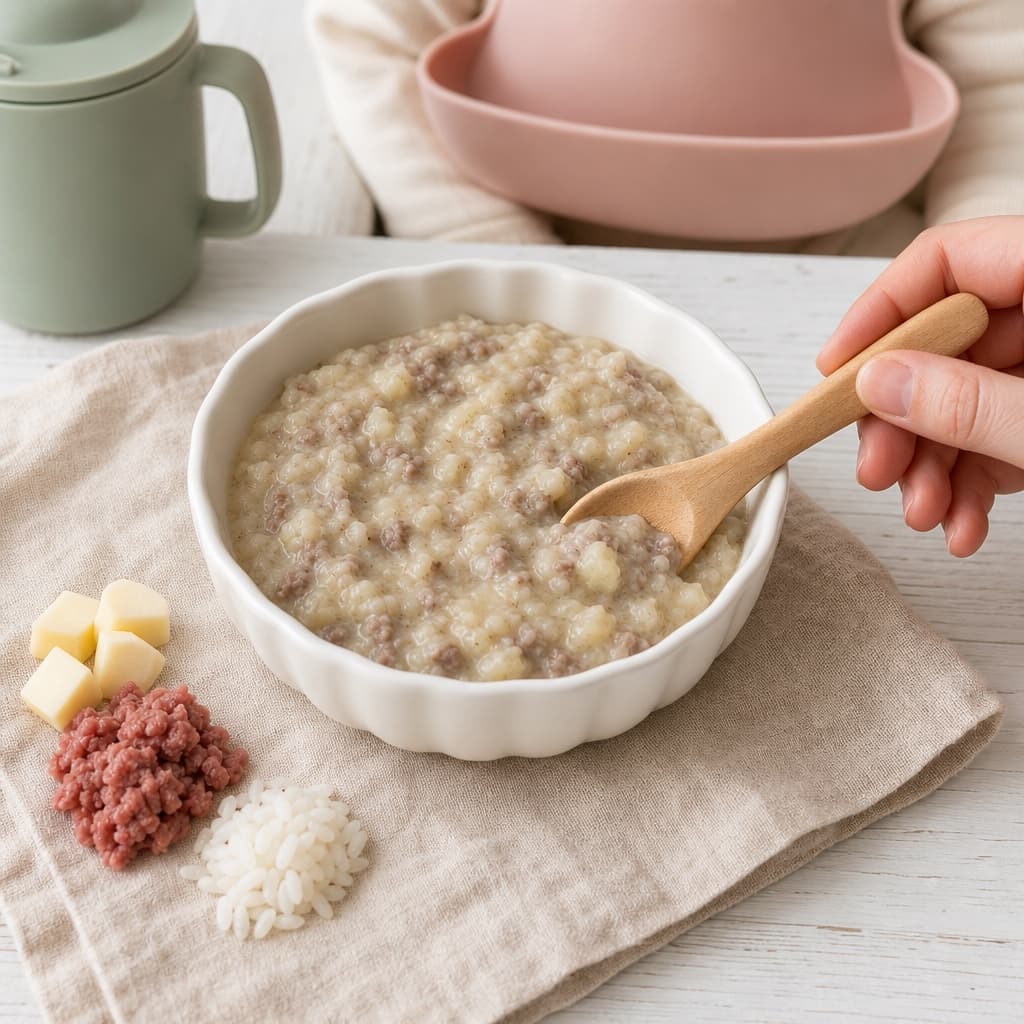
Beef Parsnip Rice Bowl
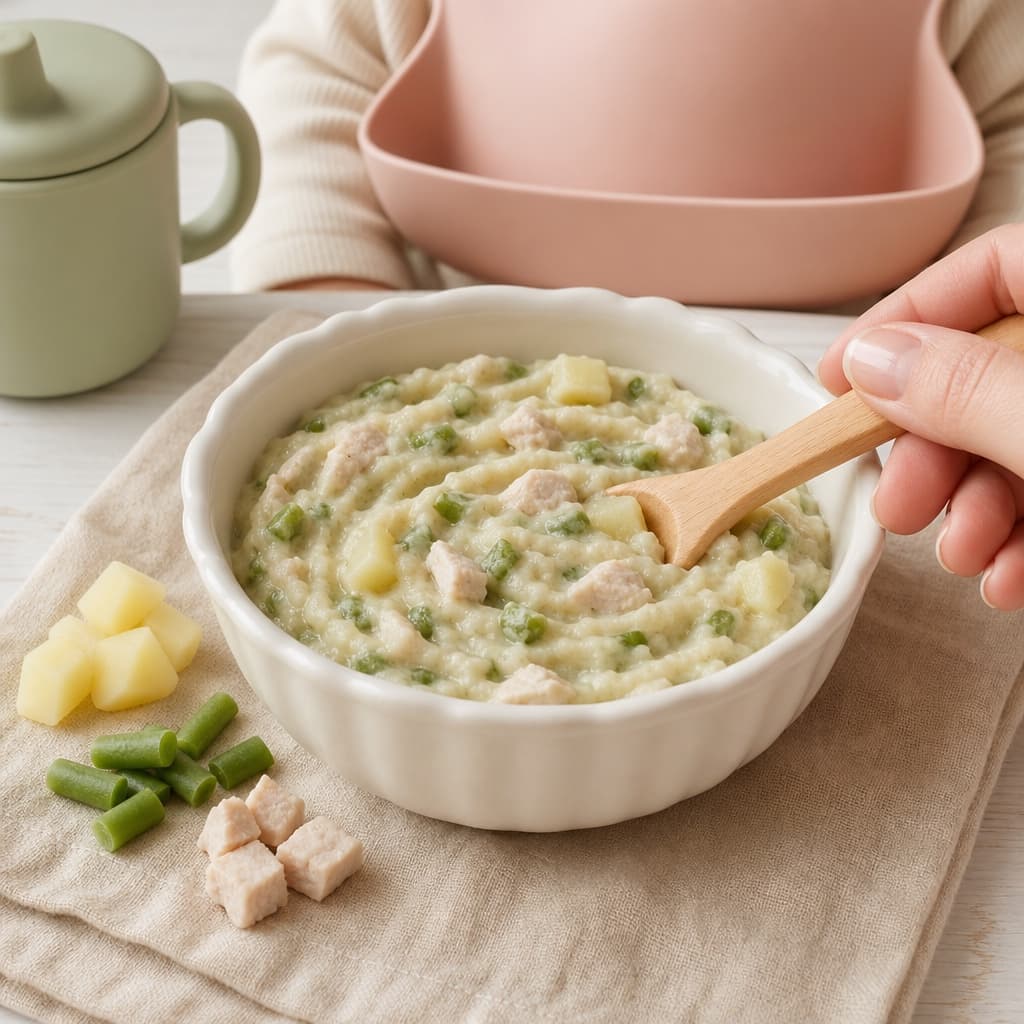
Turkey Green Bean Potato Bowl
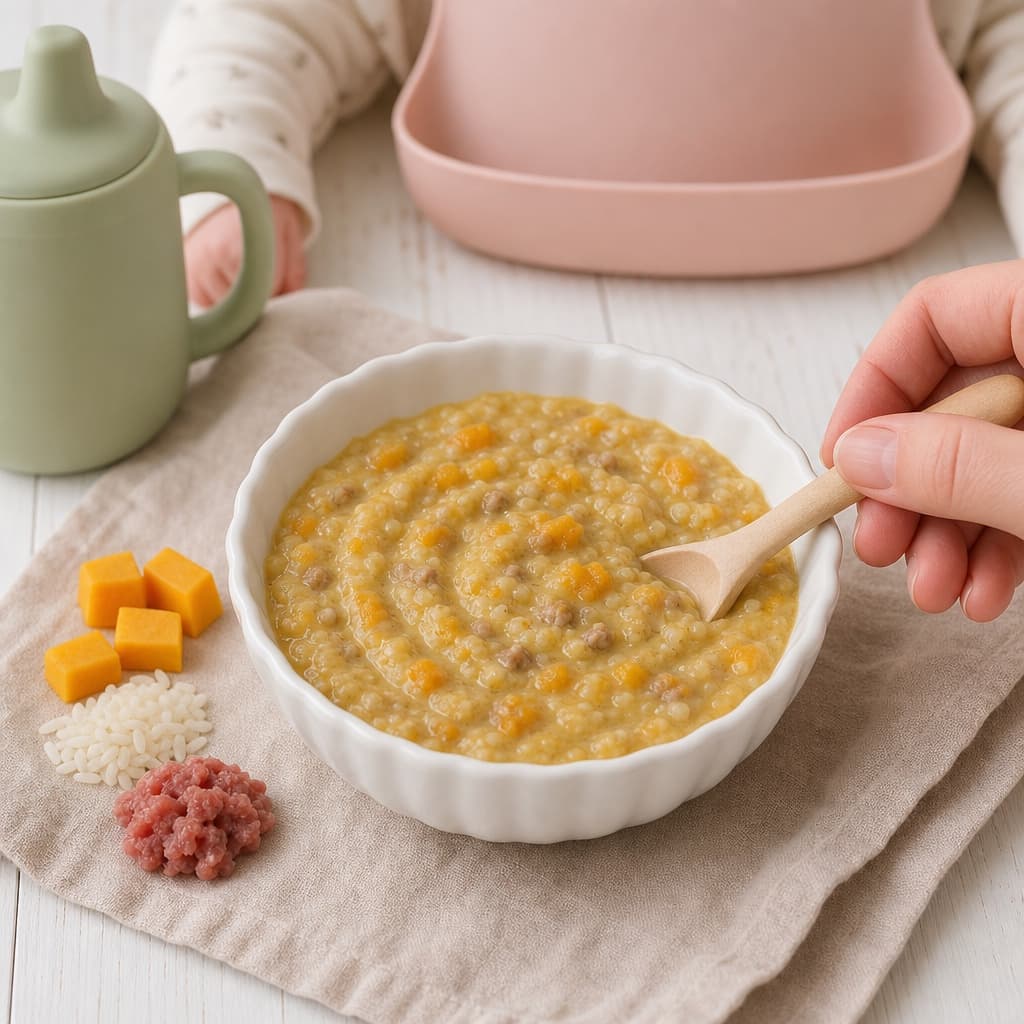
Lamb Pumpkin Rice Stew
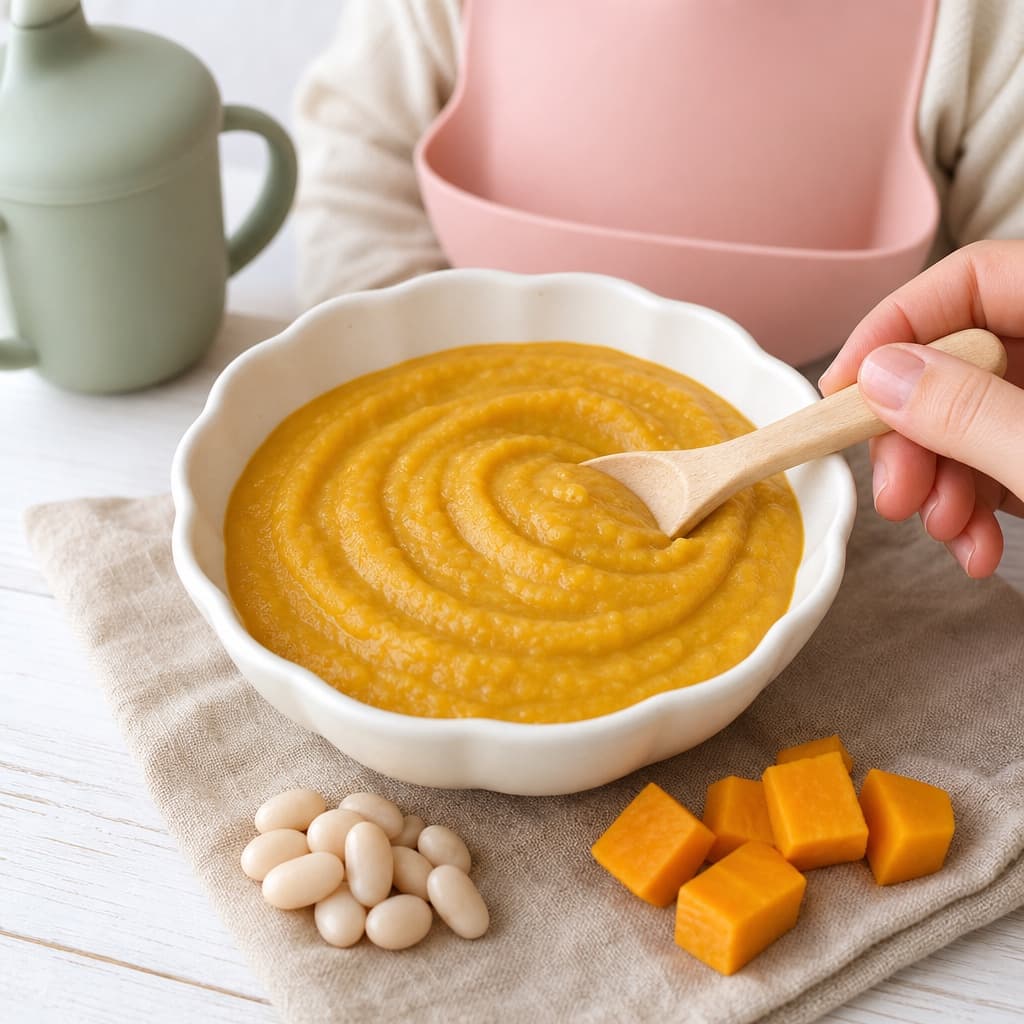
White Bean Pumpkin Cream
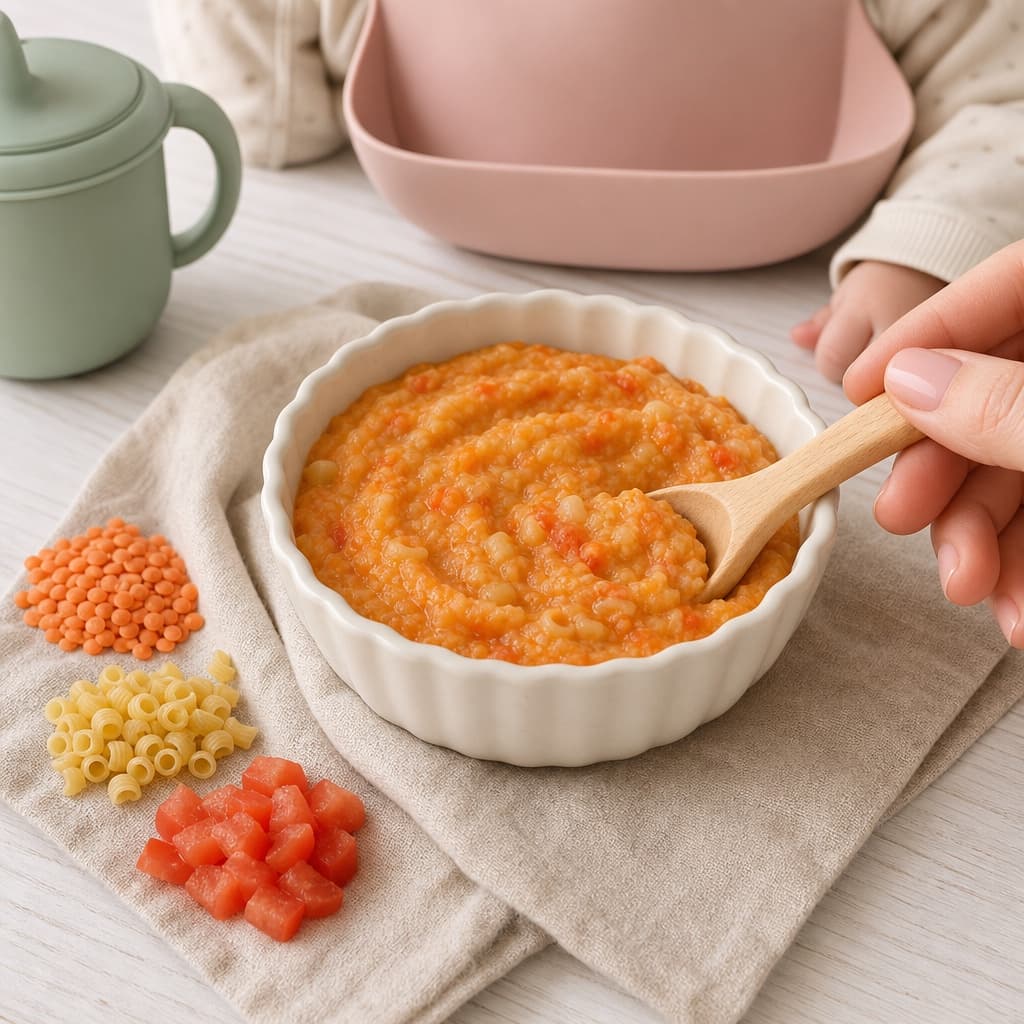
Red Lentil Pasta Sauce
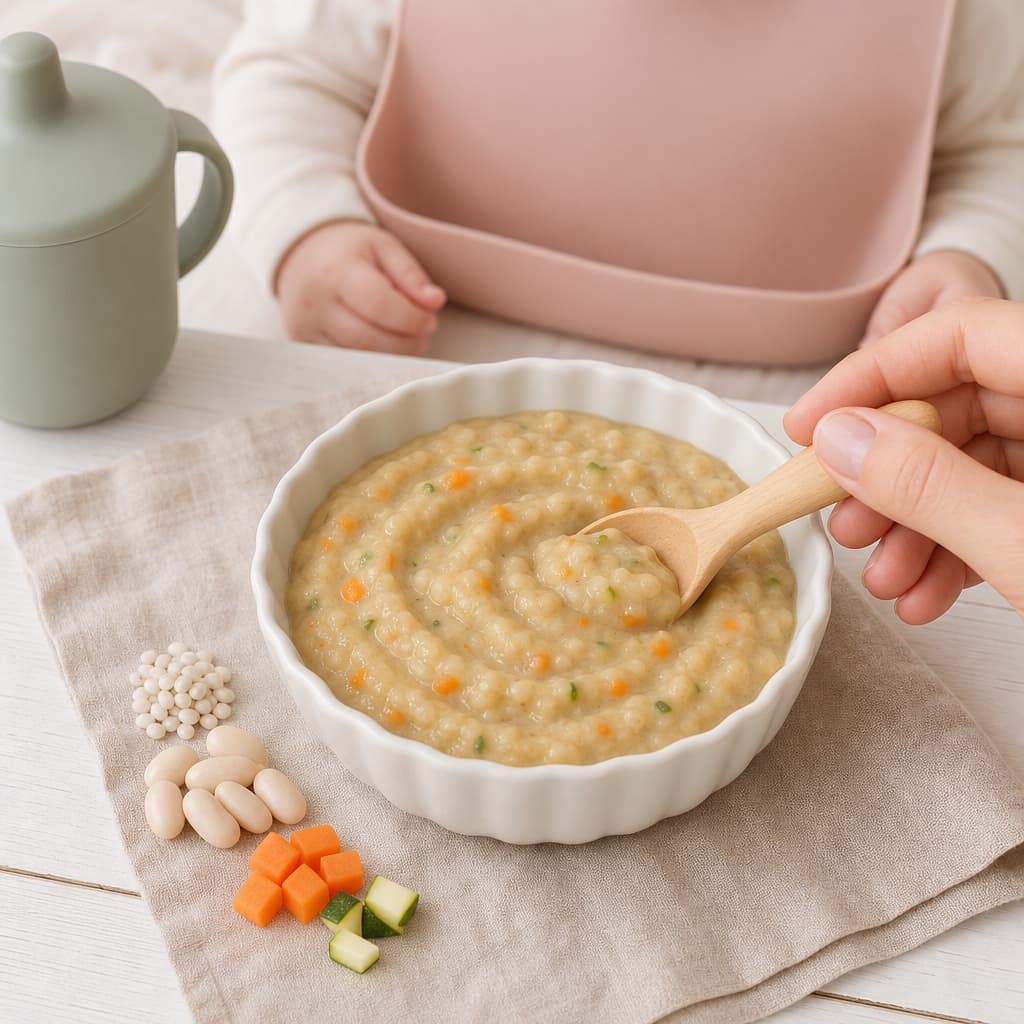
Mild Bean Barley Stew
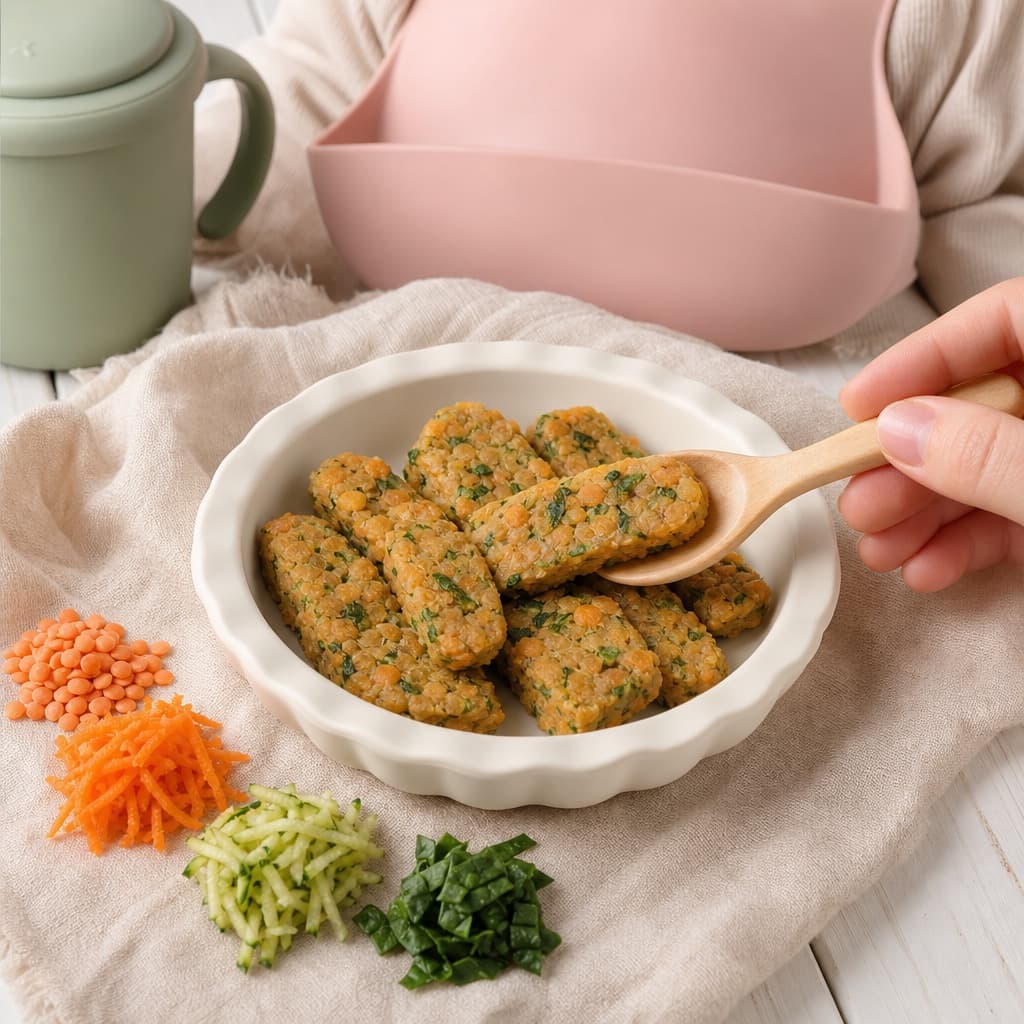
Soft Lentil Veggie Squares
Frequently Asked Questions
What are healthy baby recipes?
Healthy baby recipes often include simple meals made with fruits, vegetables, grains, and protein sources prepared in soft textures.
What meals can babies eat with baby led weaning?
Many meals can be adapted for baby-led weaning by serving foods as soft finger foods that babies can hold and eat independently.
How do you make meals for babies?
Baby meals are typically made using simple ingredients cooked until soft and served in textures suitable for babies.
What foods are best for baby meals?
Fruits, vegetables, grains, and protein sources like eggs, lentils, or meats are commonly used in baby meals.
Are these recipes suitable for starting solids?
Many baby recipes can be adapted for babies starting solids by adjusting textures to match their developmental stage.
Can baby recipes be made ahead and stored?
Yes. Most baby recipes refrigerate for 1-2 days and freeze for 1-2 months. Cool fully before storing, freeze in single-serve portions (silicone trays work well), and thaw overnight in the fridge before reheating to safe temperature.
How do I adapt these recipes for baby led weaning?
Serve in graspable shapes - strips, wedges, or finger food sizes - instead of pureed. Cooked foods should mash between two fingers. Skip salt, added sugar, and honey for babies under 12 months.
Are these baby recipes free of salt and sugar?
Yes. All recipes for babies on this site avoid added salt (kidneys can't process it before 12 months), added sugar, and honey (botulism risk under 12 months). Natural sweetness comes from fruit and natural savor from herbs and spices.
Can I scale these recipes for batch cooking?
Most baby recipes scale well. Double or triple ingredient amounts, then portion into ice cube trays or silicone molds before freezing. One batch typically yields 8-12 baby portions.
Are these recipes pediatrician-approved?
Recipes follow current AAP, WHO, and NHS guidance on infant feeding (early allergen introduction, no honey/added salt before 12 months, iron-rich foods from 6 months). Always check with your own pediatrician for specific dietary advice.
Can I use these recipes if my baby has allergies?
Most recipes can be adapted. Common swaps: dairy-free yogurt or coconut milk for cow's milk, oat or rice for wheat, ground flax + water for eggs. Always check the full ingredient list and watch for cross-contamination.
Sources & References
This guide is informed by current guidelines from leading health organizations:
- ●AAP - Iron Needs for Babies and Toddlers AAP
- ●NIH - Iron Fact Sheet for Health Professionals NIH
- ●WHO - Complementary Feeding WHO
