When can babies eat tahini?
Tahini can be offered from around 6 months, when your baby is showing readiness signs such as sitting up with little support, good head and neck control, and reaching for food. Because sesame is a common allergen, current guidance from groups like the AAP and NHS encourages introducing it early alongside other first foods rather than holding off. Introducing common allergens in the first year, once solids have started, may help reduce the chance of developing a food allergy.
Start with a small amount on a day when you can watch your baby for a few hours afterward. Offer tahini on its own first, separate from other new allergens, so that if a reaction does happen you know what caused it. Once your baby has had it a few times without any problem, you can keep including it as part of regular meals.
How to serve tahini safely
At 6 to 9 months, thin tahini is easiest and safest. Stir a small amount into yogurt, mashed vegetables, oatmeal, or pureed fruit, or spread it very thinly onto a strip of soft toast your baby can hold. Never feed a thick spoonful of straight tahini, since the sticky paste can clump at the back of the mouth and become a choking hazard. Loosening it with water, breast milk, formula, or the food it is mixed into makes it smooth and easy to manage.
From 9 to 12 months and beyond, your baby can handle slightly thicker textures as their pincer grasp and chewing develop. You can swirl tahini into hummus, blend it into sauces and dressings, or spread it thinly on soft bread fingers and crackers that soften easily. Keep it spread thin rather than dolloped on, always seat your baby upright for meals, and stay close and attentive while they eat.
Nutritional benefits for babies
- 💚A good plant source of protein to support growth
- 💚Provides healthy unsaturated fats that babies need for energy and brain development
- 💚Rich in calcium, which supports developing bones and teeth
- 💚Contains iron, an important nutrient as babies' iron stores begin to drop after 6 months
- 💚Supplies minerals like magnesium, zinc, and phosphorus
- 💚Offers a smooth way to add extra calories and nutrients to everyday meals
Safety considerations
- ✓Tahini is made from sesame, a common food allergen. Introduce it early and on its own, and watch for signs of a reaction such as hives, swelling, vomiting, or trouble breathing.
- ✓Always thin tahini before serving. Thick, sticky paste can be a choking hazard, so stir it into food or spread it thinly rather than offering spoonfuls.
- ✓Introduce new allergens one at a time, a few days apart, so you can tell which food caused any reaction.
- ✓If your baby also reacts to tree nuts, dairy, or wheat, keep those introductions separate too, and check labels on products like halva or prepared hummus that may combine allergens.
- ✓Stay nearby and keep your baby seated upright and supervised during every meal. Get medical help right away if you notice signs of a serious allergic reaction.
Recipes with tahini for babies
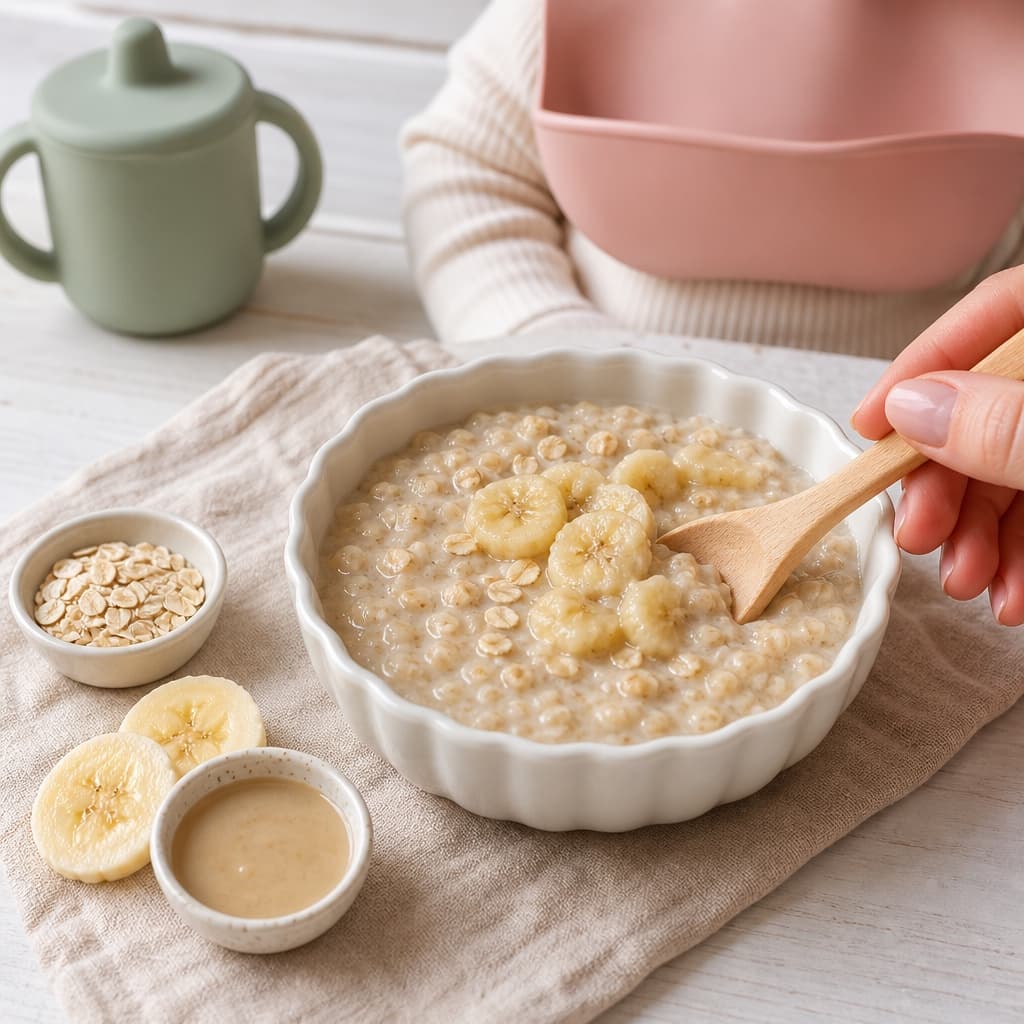
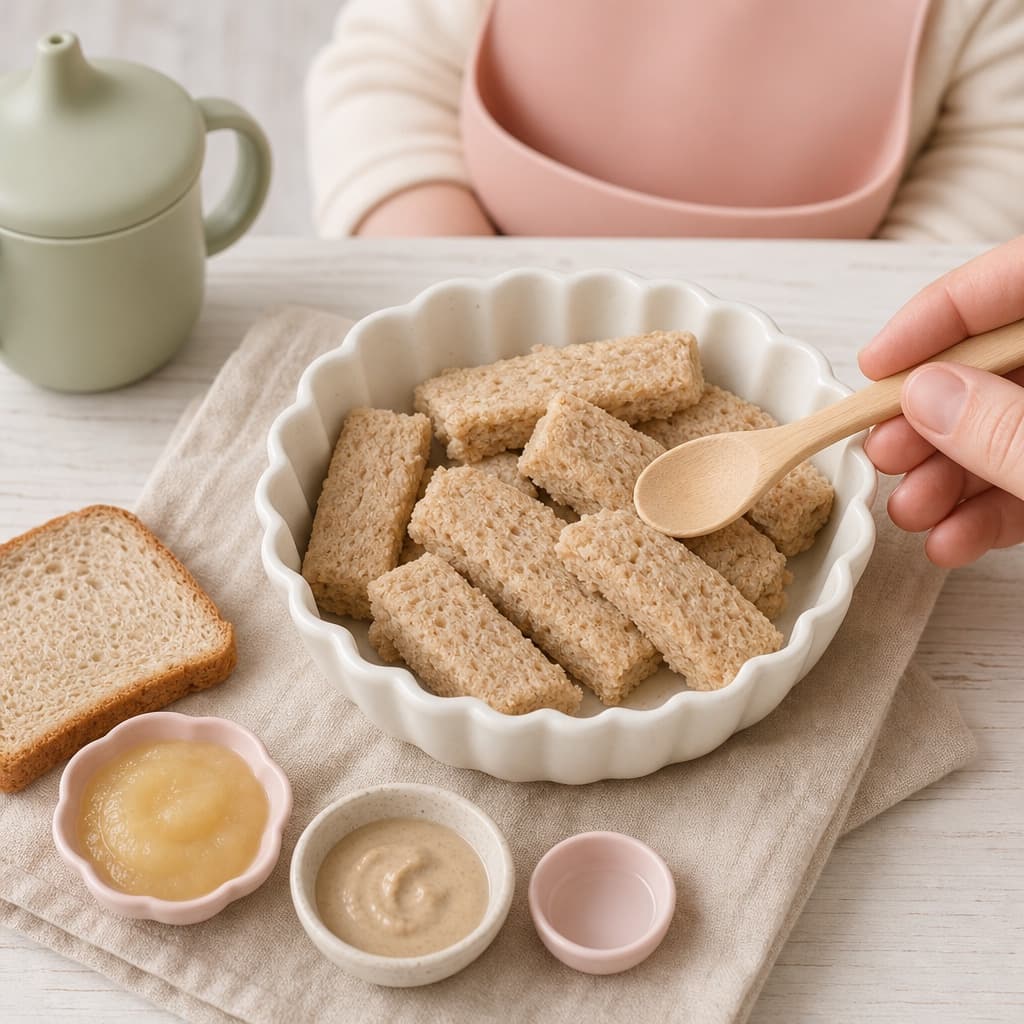
Frequently asked questions
Is tahini a choking hazard for babies?
Thick tahini straight from the jar can be a choking hazard because the sticky paste can clump in the mouth. To serve it safely, thin it with water, breast milk, formula, or the food it is mixed into, or spread it very thinly onto soft toast. Always supervise your baby while they eat.
Is tahini an allergen?
Yes, tahini is made from sesame seeds, and sesame is one of the most common food allergens. Current guidance encourages introducing it early, around 6 months, rather than delaying. Offer it on its own at first and watch for any signs of a reaction.
How much tahini can I give my baby?
Start with a small amount, such as a teaspoon stirred into other food, the first few times you offer it. Once your baby has had it without any reaction, you can include modest amounts as part of regular meals. There is no need for large quantities; tahini is best as a flavorful, nutrient-rich addition.
Can I give tahini to my baby every day?
Yes, once your baby has tried tahini a few times without a reaction, it can be part of a varied daily diet. Keep portions modest and mix it into a range of foods. Variety across the week helps your baby get a balance of different nutrients.
Is hummus or tahini better for babies?
Both can be great for babies. Tahini is pure ground sesame, while hummus combines tahini with blended chickpeas, which adds extra protein and fiber. If you offer hummus, check that the chickpeas are well cooked and blended smooth, and watch for sesame as the shared allergen.
What can I mix tahini with for my baby?
Tahini blends well into yogurt, oatmeal, mashed vegetables, pureed fruit, hummus, and smooth sauces or dressings. You can also spread it thinly on soft toast strips. Mixing it into other foods both thins the paste for safety and adds flavor and nutrients.
What should I do if my baby reacts to tahini?
Stop offering it and watch your baby closely. Mild signs like a few hives or some redness can be discussed with your pediatrician. If you see swelling of the face or lips, repeated vomiting, or any difficulty breathing, seek emergency medical care right away.
Get recipes + a feeding plan for your baby
Save this food to your baby's list, get age-appropriate recipes and follow a personalized feeding schedule - 350+ baby-safe meals in the app.
verifiedSources & References
This guide is informed by current guidelines from leading health organizations: