How to Cut Toast for Baby
Last updated October 2026
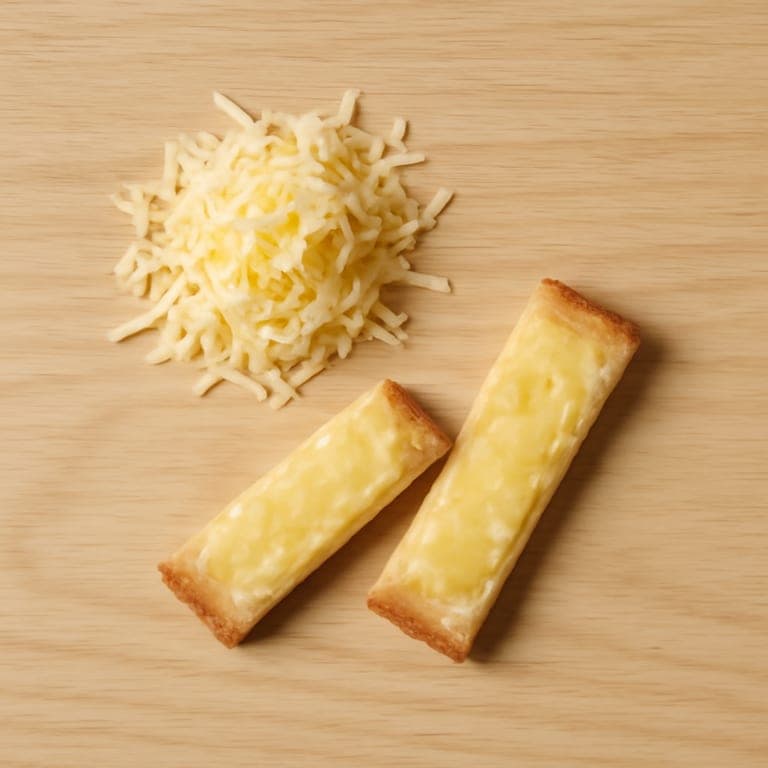
Lightly toasted bread cut into easy-to-grasp narrow strips can be offered when a baby is ready for solids, generally around six months. Light toasting can make soft white bread less likely to form a sticky doughy lump when chewed, as NHS guidance explains.
The aim is bread that is neither gluey and compact nor hard and sharp. Inspect the crust, skip loaves with whole nuts or large hard seeds, and adapt the pieces to the baby's current grasp and chewing skills rather than an exact centimetre rule.
Quick answer
NHS feeding guidance lists toast fingers as a complementary food once a baby shows readiness for solids, generally around six months. A baby who cannot yet manage pieces can try an alternative soft textured wheat food rather than a hard piece of toast.
Select Baby's Age
6–8 months
Starting solids: lightly toasted, graspable strips
Lightly toast plain bread so the centre is no longer doughy but can still soften in the mouth. Cut it into narrow strips that a beginning eater can hold with a little extending beyond the fist, trimming sharp or very hard crust if needed. Offer plain or spread a thin layer of already-tolerated mashed avocado or another soft topping. For nut or seed butter, use only a thin, smooth smear after suitable allergen introduction; never leave a thick sticky glob on the bread. Watch how the actual toast softens and breaks apart.
6 month baby feeding schedule for more tips.
9–11 months
Developing finer grasp: manageable tender pieces
When a baby reliably picks up smaller pieces and chews them, soft lightly toasted strips may be shortened or offered in manageable pieces. If pieces compact into a gummy ball, change the bread or toasting level. If the crust is hard, trim it. There is no obligation to switch to cubes at nine months; a graspable strip may still work better for some children.
12+ months
Toddler breakfast: keep bread and toppings manageable
Offer toast strips or small tender pieces according to the child's chewing ability. Continue to avoid very hard dry crusts, nuts or large seeds baked into bread, and thick sticky nut-butter mounds. Soft fruit mash or already-tolerated thin spreads can add moisture. Always serve seated with an adult watching rather than handing toast to a child who is walking.
When can a baby try toast?
Wheat contains gluten and is a common allergenic food. Introduce it in an appropriate form, observing for any reaction; if a food allergy is already diagnosed, follow your child's clinician-led plan.
Choose bread with modest added salt, no whole nuts or large hard seeds, and avoid thick sticky toppings. A light toast is usually preferable to very soft white bread that balls up or an over-toasted hard slice.
See our first foods for baby guide for more ideas.
Simple toast-finger serving ideas
These are illustrative combinations, not kitchen-tested recipes. Choose ingredients your child has already tolerated and confirm texture before feeding.
- Lightly toasted bread fingers with thin mashed avocado
- Thinly spread smooth nut butter in a baby-appropriate form after peanut introduction
- Soft mashed banana on lightly toasted wheat bread
- Moist egg spread on toast fingers after egg has been introduced
Explore our baby-led weaning food list and first foods for baby for more inspiration.
More Cutting Guides
Related Guides
View all feeding guidesFrequently Asked Questions
Should I toast bread for a six-month-old?
Light toasting can reduce the risk of white bread forming a doughy ball, according to the NHS. Check that it is still easy to soften and is not hard or sharp.
What shape should beginning eaters try?
Narrow lightly toasted strips can be easier to hold with a whole-hand grip. The child's ability and the actual bread texture matter more than a precise measurement.
Can I put peanut butter on baby toast?
Use only smooth peanut butter in a very thin layer or mixed into soft food, after appropriate peanut introduction. Never serve a thick sticky glob, and discuss high-risk peanut introduction with a clinician.
Can babies eat seeded bread?
Avoid loaves containing whole nuts, large hard seeds or kernels that could be difficult to chew or swallow. Check each loaf rather than assuming all wholegrain breads have the same texture.
Sources & References
This guide is informed by current guidelines from leading health organizations:
- ●NHS - Preparing Food Safely for Babies NHS
- ●NHS - Feeding your baby from around 6 months NHS
- ●NHS - Food Allergies in Babies NHS
- ●CDC — Choking Hazards (reviewed March 2026) CDC
- ●NHS - Your Baby's First Solid Foods NHS
