How to Cut Cheese for Baby
Last updated October 2026
Cheese can be offered when a baby is ready for solids, usually around six months, but the type of cheese matters as much as the cut. Choose pasteurised full-fat varieties, check the salt label and avoid cheeses with higher listeria risk, including uncooked mould-ripened soft and soft blue-veined cheeses.
A cube of firm or rubbery cheese is not automatically safe after a first birthday. Grate suitable hard cheese finely, mash soft cheese into food or offer tender shreds that your child can manage. Check melted cheese for stretchy strands as it cools.
Quick answer
The NHS includes pasteurised full-fat hard cheese, cottage cheese and cream cheese from around six months as complementary foods. This is different from cow's milk as a main drink, which is not recommended before 12 months.
Select Baby's Age
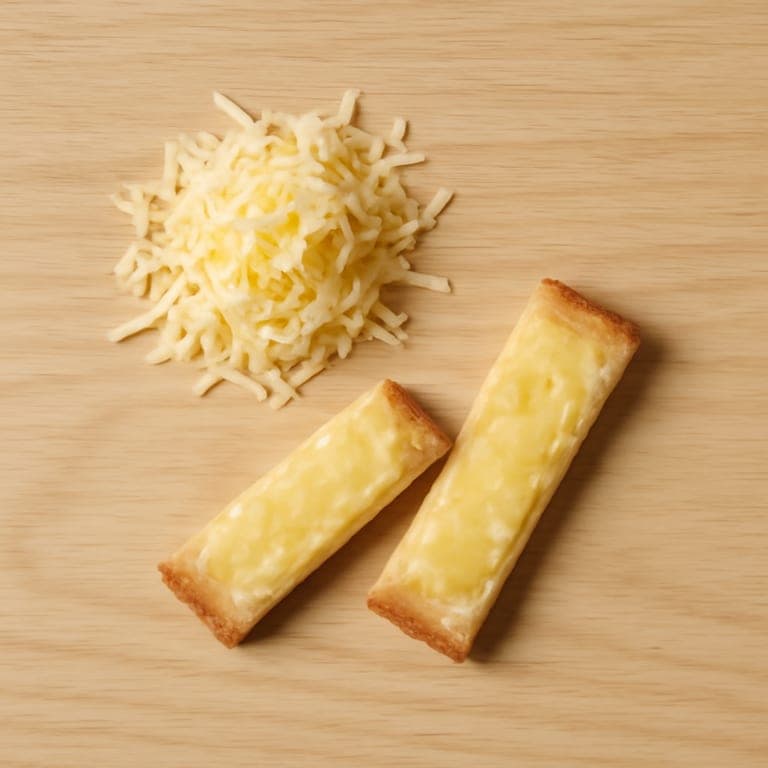
6–8 months
Starting solids: grate or mash suitable cheese
Choose pasteurised, lower-salt cheese. Finely grate a little suitable hard cheddar over a moist cooked food, or mash plain ricotta or cottage cheese into a familiar vegetable purée, after considering milk-allergen introduction. Cool melted cheese and check for long stretchy strands. Avoid firm chunks, rubbery cubes and unpasteurised or mould-ripened soft cheeses.
6 month baby feeding schedule for more tips.
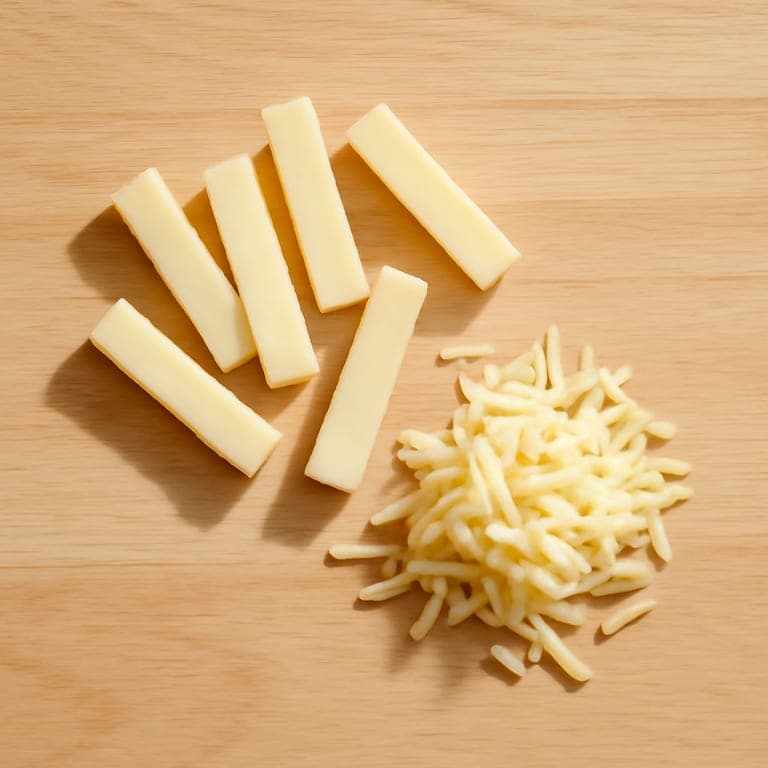
9–11 months
Developing finger skills: tender shreds, not cubes
As finger control develops, offer grated or very tender shredded pasteurised cheese in a manageable moist meal. Fresh mozzarella can form rubbery lumps depending on the product; tear finely and check actual softness. Do not use fixed 1-cm sticks or assume firm small cubes eliminate choking risk. Keep checking salt and milk-allergen labels.
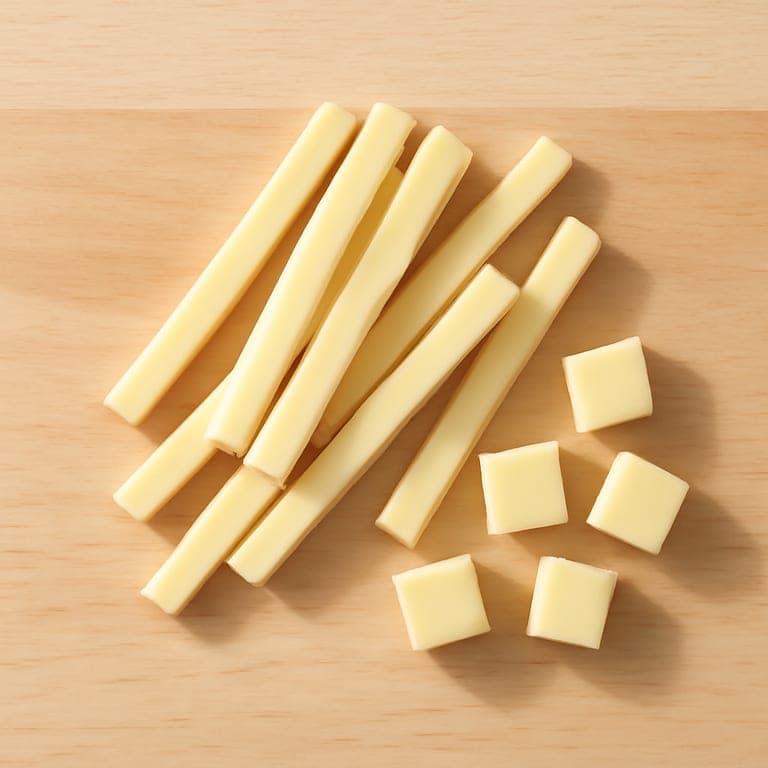
12+ months
For toddlers: keep checking firmness and stickiness
A first birthday does not make hard cubes or cylindrical pieces of string cheese automatically suitable. Continue finely grating, shredding or mashing cheese according to chewing ability, and inspect any melted cheese for long stretchy strands. Pair modest portions with other foods including iron-rich choices; cheese should not displace them.
When can babies eat cheese?
Milk proteins are allergens. If dairy is new, introduce a small portion separately from other unfamiliar allergens when practical; a child with diagnosed cow's-milk protein allergy needs an individual clinician-led plan. Check pasteurisation, expiry and salt per 100 g on the actual package.
Do not offer raw unpasteurised cheeses, mould-ripened soft cheeses such as brie or camembert or soft blue-veined varieties such as roquefort unless used in a thoroughly cooked recipe following food-safety guidance.
See our first foods for baby guide for more ideas.
Cheese recipe ideas for baby-led weaning
Try these simple and tasty cheese recipes that are perfect for babies starting solids and practicing baby-led weaning.
- Soft cheese melted on toast strips
- Grated cheese mixed into vegetable purees or pasta
- Thin cheese strips served with steamed veggies
- Cheese and fruit finger food platter
Explore our baby-led weaning food list and first foods for baby for more inspiration.
More Cutting Guides
Related Guides
View all feeding guidesFrequently Asked Questions
Which cheeses can a six-month-old try?
The NHS includes pasteurised full-fat hard cheese, cottage cheese and cream cheese from around six months. Choose a suitable texture and compare salt labels for the actual product.
Can babies eat brie, camembert or blue cheese?
Avoid uncooked mould-ripened soft and soft blue-veined cheeses for babies because of listeria risk, even if made from pasteurised milk. Thorough cooking in an appropriate recipe changes that risk; follow NHS guidance.
Are cheese cubes safe once my baby turns one?
Not automatically. Hard or rubbery cubes and large chunks of cheese are choking hazards for young children. Use tender shreds, finely grated cheese or a mash suited to the child's skills.
Can cheese be offered with a cow's-milk allergy?
No unsupervised exposure is appropriate for a diagnosed milk-protein allergy. Cheese still contains milk proteins, even when lactose-free; follow the child's medical plan.
Sources & References
This guide is informed by current guidelines from leading health organizations:
- ●NHS - Foods to Avoid Giving Babies NHS
- ●NHS - Your Baby's First Solid Foods NHS
- ●CDC — Choking Hazards (reviewed March 2026) CDC
- ●NHS Best Start in Life - Introducing foods that could trigger an allergic reaction NHS
- ●NHS - Preparing Food Safely for Babies NHS
