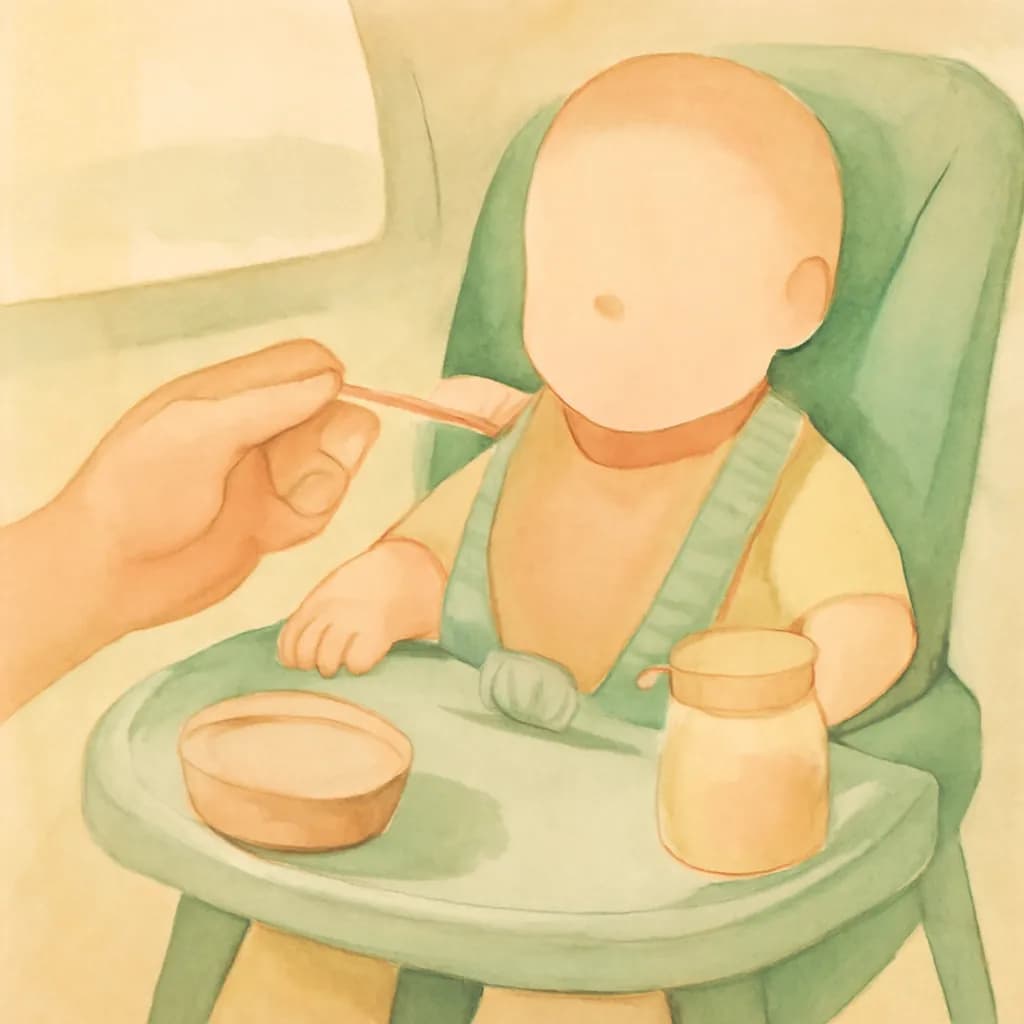
Is it normal for babies to be fussy or irregular with eating on road trips?
Yes, it is common for babies to have changes in appetite or fussiness during travel due to unfamiliar environments and disrupted routines.
Maintaining regular meal and nap times as much as possible can help your baby adjust and feel more comfortable during the journey.
Why do feeding challenges happen on road trips?
- Disrupted daily routines affecting hunger cues
- Unfamiliar surroundings causing distraction or discomfort
- Limited access to fresh or preferred foods
- Changes in temperature affecting food freshness
- Long periods in the car limiting feeding opportunities
- Increased tiredness or overstimulation impacting appetite
When to call your doctor
- Persistent refusal to eat or drink leading to dehydration
- Signs of choking or difficulty breathing
- Unusual lethargy or irritability
- Vomiting or diarrhoea lasting more than 24 hours
What to try when feeding your baby on a road trip
Pack a cooler with ice packs
Use a cooler with ice packs or an insulated bag to keep perishable foods like cheese cubes and soft fruit fresh and safe.
Choose easy, mess-friendly snacks
Bring finger foods such as Cheerios, soft fruit pieces (banana, mango), cheese cubes, crackers, and dry oatmeal pouches that are easy to eat on the go.
Use mess-friendly feeding tools
Pouches, bibs, and suction-bottom plates help contain messes and make feeding easier during travel.
Plan regular stops for proper meals
Stop every 2-3 hours to offer full meals using a highchair adapter or picnic setup, allowing your baby to eat comfortably and safely.
Avoid choking hazards
Do not offer hot dogs, whole grapes, popcorn, or hard sticky foods as these pose choking risks if your baby is unsupervised.
Stay hydrated and prepared
Bring plenty of fluids, extra wipes, and a change of clothes to keep your baby comfortable and clean throughout the trip.
Frequently asked questions
What are safe snacks to bring for a 6-month-old on a road trip?
Safe snacks include soft finger foods like banana or mango pieces, cheese cubes, Cheerios, crackers, and dry oatmeal pouches. These are easy to handle and less likely to cause choking.
How can I keep my baby's food fresh during a long drive?
Use a cooler with ice packs or an insulated bag to store perishable items. This helps maintain freshness and reduces the risk of foodborne illness.
How often should we stop for meals during a road trip with a baby?
Plan to stop every 2 to 3 hours to offer proper meals in a safe and comfortable setting, such as using a highchair adapter or having a picnic.
What foods should I avoid giving my baby on a road trip?
Avoid hot dogs, whole grapes, popcorn, and hard or sticky foods as they pose choking hazards, especially when your baby is unsupervised.
How can I manage feeding around my baby's naps during travel?
Try to time meals before or after your baby's usual nap times to help maintain their routine and reduce fussiness during feeding.
What should I pack besides food when traveling with a baby?
Bring extra wipes, a change of clothes, bibs, and feeding utensils like suction-bottom plates to manage messes and keep your baby comfortable.
Get your baby's personalized feeding plan
A daily feeding schedule, 350+ age-matched recipes, allergen tracking and cutting guides - all tailored to your baby's age in the Nibli app.
verifiedSources & References
This guide is informed by current guidelines from leading health organizations: