When can babies have cow's milk?
Whole cow's milk as a drink starts at 12 months. Before that, breast milk or formula should be the primary milk in your baby's diet - cow's milk doesn't have the right balance of iron, vitamin E, or fatty acids for under-1 babies.
Yogurt, cheese, and other milk products are fine from around 6 months when solids start. Milk used in cooking or baking (porridge, pancakes, pasta) is also fine from 6 months. Only the drink form is restricted before 12 months.
After 12 months, offer whole cow's milk (full-fat) in a cup, not a bottle. Aim for around 16-20 oz (500-600 ml) per day, with the rest of nutrition coming from food. Switch to lower-fat milk only after age 2 unless your pediatrician advises otherwise.
How to introduce cow's milk safely
From 6 months, offer plain full-fat yogurt (no added sugar) on a pre-loaded spoon or as a topping. Soft pasteurized cheeses (small grated portions of cheddar, Edam, paneer, ricotta) and pasteurized milk in cooking or baking are all fine.
At 12 months, transition from formula or breast milk to whole cow's milk gradually over 1-2 weeks. Start by replacing one bottle with milk in a cup, then increase. Use a regular cup or straw cup - not a bottle - to support oral development.
Don't let cow's milk crowd out food. More than 24 oz (700 ml) per day in toddlers is linked to iron deficiency anemia because milk fills the stomach without providing iron. Stick to around 16-20 oz daily after 12 months.
Nutritional benefits for babies
- 💚Calcium supports bone and tooth development.
- 💚Vitamin D (when fortified) supports calcium absorption and bone health.
- 💚Protein supports growth and tissue repair.
- 💚Vitamin B12 supports nervous system and red blood cell health.
- 💚Whole milk fat supports brain development - keep full-fat until age 2.
Safety considerations
- ✓No cow's milk as a drink before 12 months - low iron, kidney load, and iron-absorption interference.
- ✓Cow's milk protein is one of the top-9 allergens. Watch for hives, vomiting, eczema, reflux, or blood in stool when introducing dairy.
- ✓Always use pasteurized milk and pasteurized cheeses for under-2s. Raw milk can carry listeria, E. coli, and salmonella.
- ✓Limit total daily milk to about 20 oz (600 ml) after 12 months to prevent iron deficiency anemia.
- ✓Plant milks (oat, almond, soy, rice) are not nutritionally equivalent to cow's milk or formula and shouldn't replace them before 12 months without pediatrician guidance. Rice milk in particular can carry arsenic and isn't recommended for under-5s.
- ✓Use cups, not bottles, for cow's milk after 12 months to support dental health and oral development.
Yogurt recipes for babies

Broccoli Cheese Patties

Mini Veggie Quesadilla

Mini Veggie Pasta Bake Bites
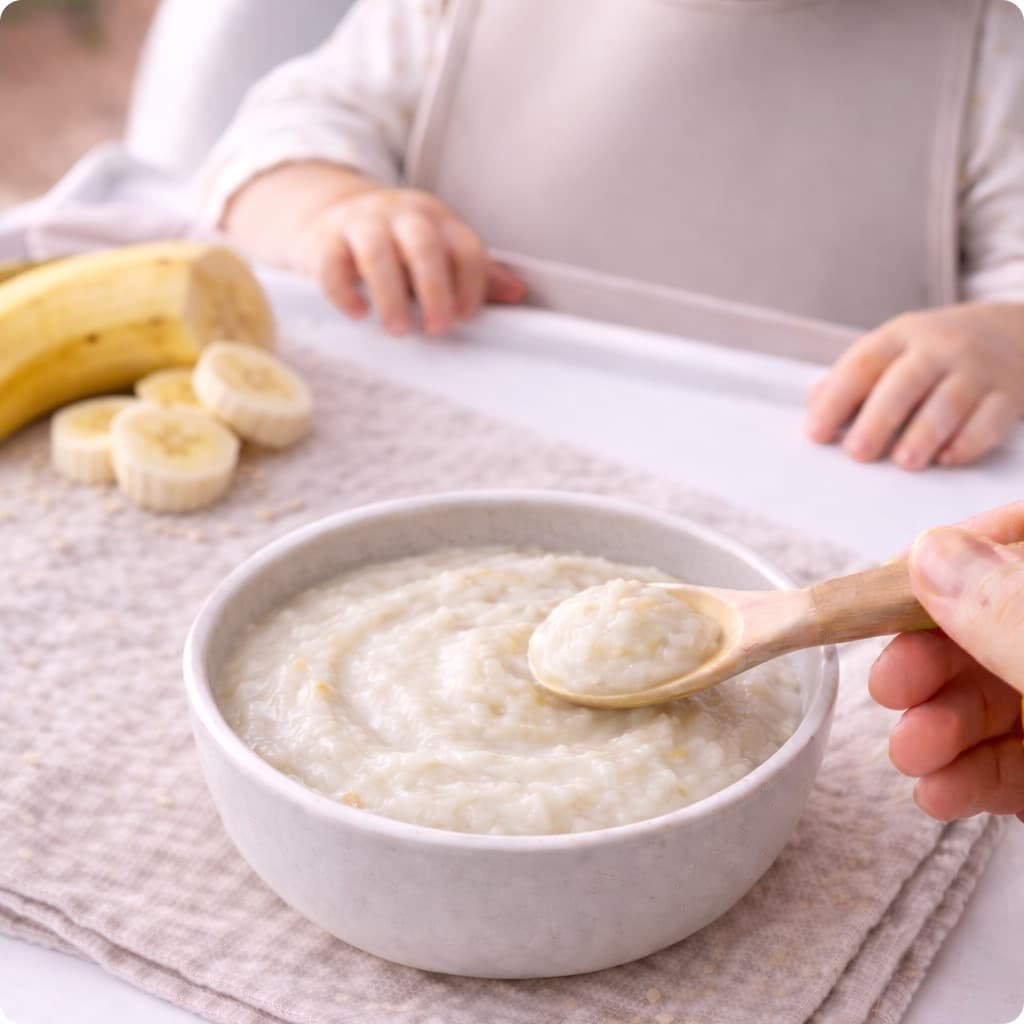
Banana Greek Yogurt

Berry Greek Yogurt
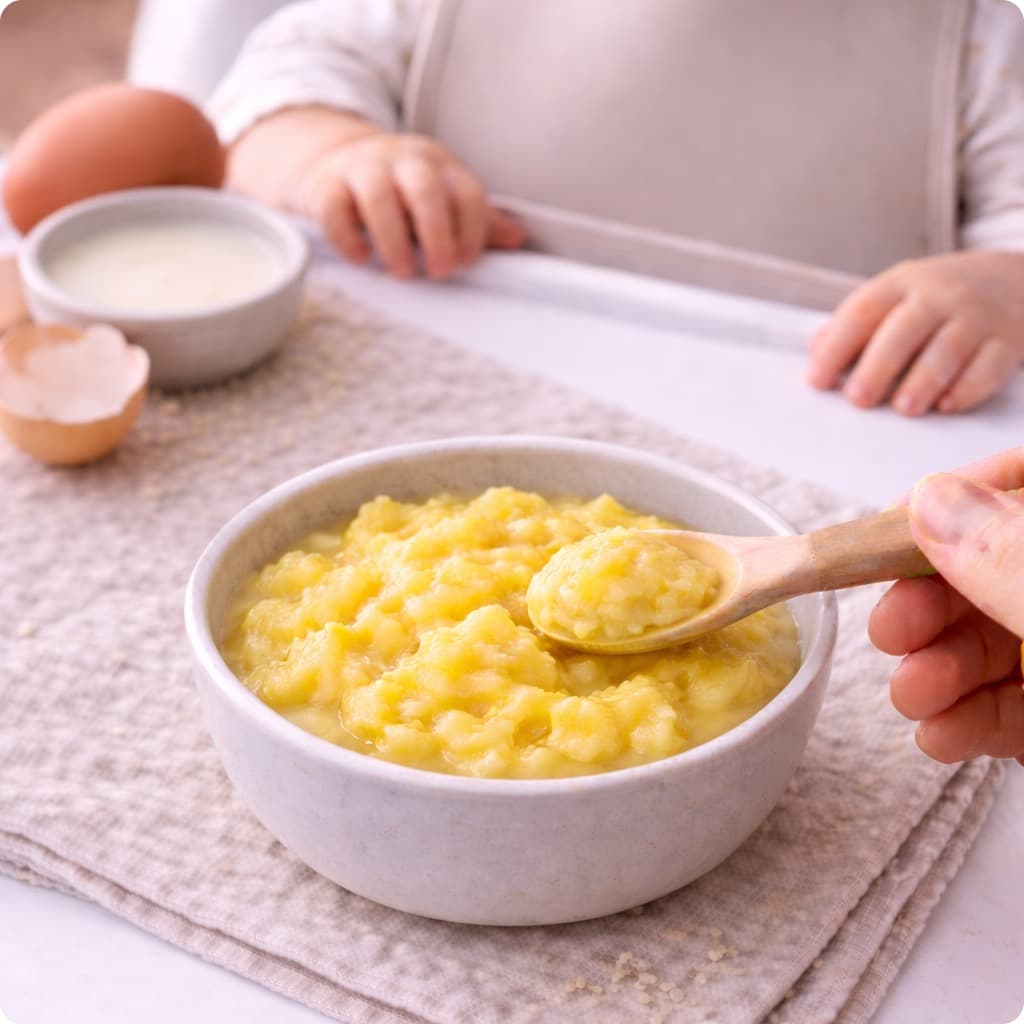
Scrambled Eggs
Frequently asked questions
Why can't babies drink cow's milk before 12 months?
Three reasons: (1) cow's milk is very low in iron and can interfere with iron absorption from food, leading to anemia; (2) the protein and mineral load is too high for young kidneys; (3) it lacks the right balance of essential fatty acids for brain development. Breast milk or formula is designed for under-1s; cow's milk isn't.
Can babies have yogurt or cheese before 12 months?
Yes - plain full-fat yogurt and pasteurized cheese are fine from around 6 months when solids start. The restriction is on cow's milk as a drink, not on dairy products generally. Yogurt and cheese have different protein structures and don't carry the same iron-absorption concerns as plain milk.
Can I cook with cow's milk for a baby under 12 months?
Yes - milk used in cooking or baking (oatmeal, pancakes, pasta sauces, scrambled eggs) is fine from 6 months. The amount is small and the protein structure changes slightly with heat. Only the bottle/cup-drink form of cow's milk is restricted.
What about plant milks like oat or almond milk?
Plant milks (oat, almond, soy, hemp, coconut) shouldn't replace breast milk or formula before 12 months because they don't provide the calories, protein, fat, or specific nutrients babies need. After 12 months, fortified soy or pea milk can be reasonable cow's milk alternatives, but check with your pediatrician. Avoid rice milk under 5 (arsenic content).
How much cow's milk should a 1 year old drink?
Around 16-20 oz (500-600 ml) of whole milk per day is plenty for most 12-24 month olds. More than 24 oz daily is linked to iron deficiency anemia because milk fills the stomach without providing iron. Use cups, not bottles, and serve with meals or as a snack alongside food.
Should I switch from whole milk to lower-fat milk?
Stick with whole (full-fat) cow's milk until age 2 - the fat is important for brain development. After 2, you can switch to 2% (semi-skimmed) or lower if your pediatrician agrees. Children with overweight concerns may transition earlier under medical guidance.
Can my baby be allergic to cow's milk?
Yes - cow's milk protein allergy is one of the most common food allergies in infants. Reactions can be immediate (hives, vomiting, swelling) or delayed (eczema, reflux, blood in stool). If you suspect a reaction, stop dairy and see your pediatrician before reintroducing. Many babies outgrow milk allergy by age 3-5.
Get recipes + a feeding plan for your baby
Save this food to your baby's list, get age-appropriate recipes and follow a personalized feeding schedule - 350+ baby-safe meals in the app.
verifiedSources & References
This guide is informed by current guidelines from leading health organizations: