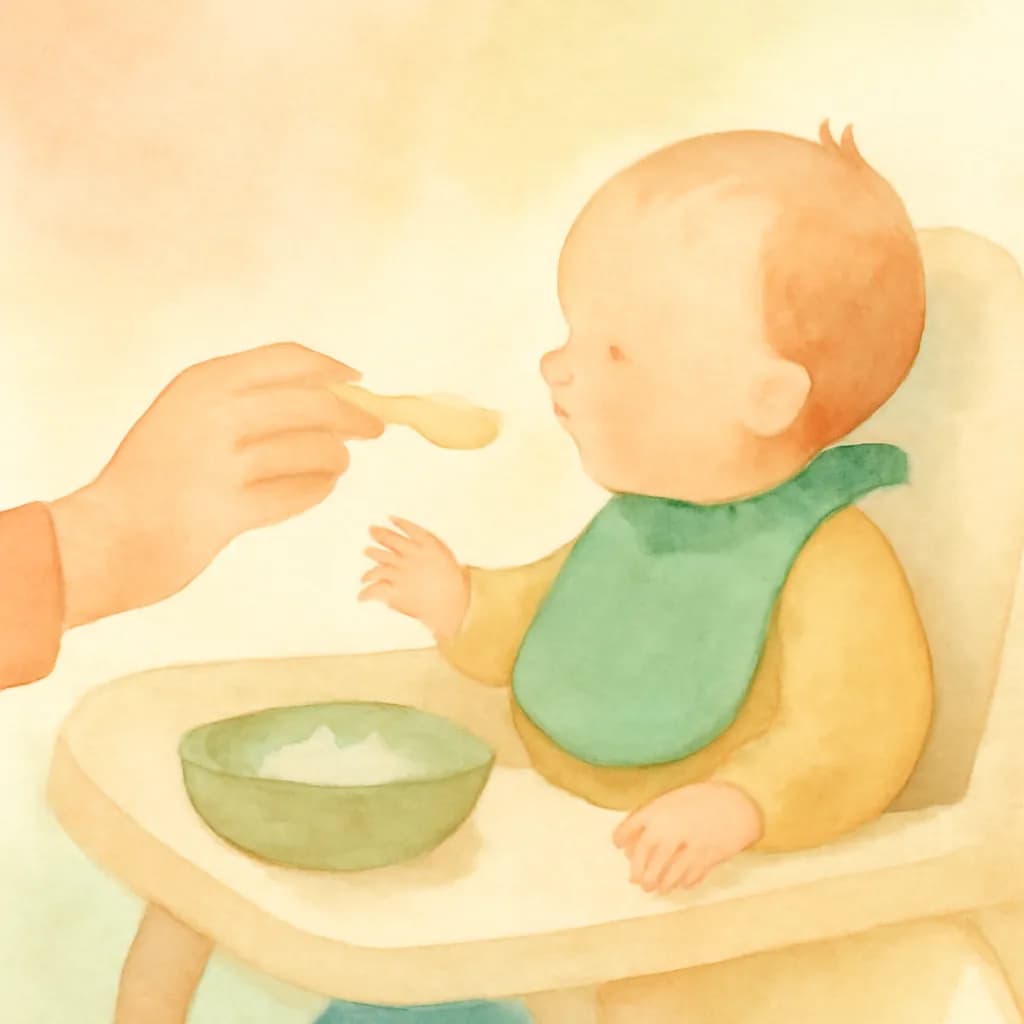
Is it normal for babies to be distracted during meals?
Yes, it is completely normal for babies aged 8 months and older to become distracted during meals. At this stage, their curiosity about the world around them is blossoming, which can make focusing on eating more challenging.
Distraction during meals is a typical developmental milestone and does not usually indicate any feeding problems. With consistent routines and a supportive environment, most babies learn to concentrate better over time.
Why does my baby get distracted during meals?
- Increased curiosity about surroundings as part of normal development
- Over-stimulation from screens, toys, or noisy environments
- Lack of hunger due to snacking before meals
- Eating in an inconsistent or distracting setting, such as on a lap instead of a highchair
- Long mealtimes that exceed the baby’s attention span
- Using a spoon to chase the baby instead of allowing natural hunger cues to guide eating
When to call your doctor
- Your baby consistently refuses to eat or shows distress at mealtimes
- Significant weight loss or failure to gain weight appropriately
- Persistent gagging, choking, or vomiting during meals
- Developmental concerns affecting feeding or swallowing
What to try to help your baby focus during meals
Use a highchair
Seat your baby in a highchair rather than on your lap to create a consistent eating environment that helps them focus on their food.
Turn off screens
Switch off the TV and other screens during mealtimes to reduce distractions and encourage your baby to engage with their food and family.
Eat together as a family
Having family meals where everyone eats together models good eating habits and keeps your baby’s attention on mealtime.
Limit toys at the table
Remove toys and other distractions from the eating area so your baby can concentrate on their meal.
Keep mealtimes short
Aim for meals lasting no longer than 15-20 minutes to match your baby’s natural attention span and prevent over-stimulation.
Avoid spoon chasing
Don’t chase your baby with the spoon; instead, allow hunger to guide their interest in eating, which naturally helps focus their attention.
Frequently asked questions
Is it normal for my baby to lose interest in food quickly?
Yes, babies often have short attention spans during meals. Keeping mealtimes brief and distraction-free helps maintain their interest.
Should I worry if my baby plays with their food instead of eating?
Playing with food is a normal part of learning and exploring textures. It helps develop motor skills and does not usually indicate a feeding problem.
How can I reduce distractions during mealtime?
Create a calm environment by turning off screens, limiting toys at the table, and sitting your baby in a highchair to help them focus on eating.
Is it okay to give snacks before meals?
Avoid heavy snacking before meals as it can reduce your baby’s hunger and focus during mealtime. Aim to offer snacks at least an hour before eating.
How long should a typical meal last for my baby?
Meals should generally last no longer than 15 to 20 minutes to match your baby’s attention span and prevent over-stimulation.
Can watching TV during meals affect my baby’s eating habits?
Yes, screen time during meals can distract your baby and reduce their interest in food. Turning off screens helps promote better eating habits.
What if my baby refuses to eat despite reducing distractions?
If your baby consistently refuses food or shows distress, consult your healthcare provider to rule out any underlying issues.
Get unstuck + a plan for your baby
Personalized, age-aware troubleshooting plus a feeding schedule and recipes built around your baby, so mealtimes get easier from here.
verifiedSources & References
This guide is informed by current guidelines from leading health organizations: