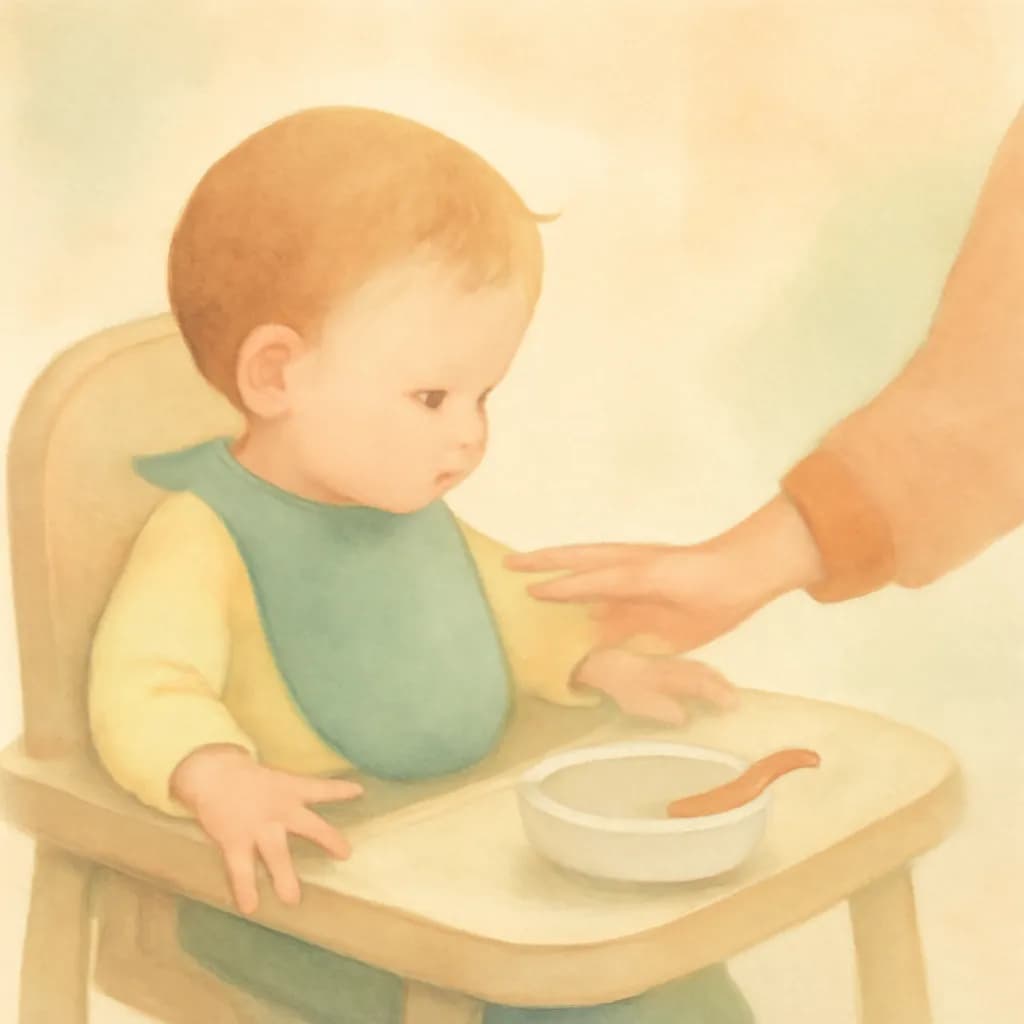
Is this normal?
Yes, many babies at this age are still developing the core strength and balance needed to sit comfortably in a highchair. Some may find the experience unfamiliar or even stressful.
Refusing the highchair can also be linked to sensory sensitivities or the timing of hunger and feeding routines. This behavior often improves as your baby grows and gains confidence.
Why it happens
- Your baby may not yet have full core stability to sit upright comfortably.
- The highchair might not be adjusted ergonomically to support their posture.
- Sensory overwhelm from new textures, sounds, or surroundings during mealtime.
- Negative associations if previous mealtime experiences were stressful.
- Hunger timing may not align with sitting in the highchair, causing fussiness.
- Your baby might simply prefer other positions or environments at this stage.
When to call your doctor
- Your baby has not developed trunk control by 9 months of age.
- There is persistent discomfort or pain when sitting.
- Your baby shows signs of developmental delays in other areas.
- You notice unusual muscle tone or movement difficulties.
What to try
Check core stability
Ensure your baby has enough trunk control to sit safely. Support them with cushions if needed and observe their comfort level.
Adjust the highchair fit
Make sure knees are bent at about 90 degrees and feet are supported to help your baby feel secure and balanced.
Keep sessions short
Start with brief periods in the highchair and gradually increase as your baby becomes more comfortable.
Use fun toys
Introduce colorful or favorite toys to create a positive and engaging environment during mealtime.
Eat alongside your baby
Sit next to your baby while you eat to model mealtime behavior and provide reassurance.
Encourage low-pressure exploration
Allow your baby to explore sitting in the highchair without forcing them, making it a relaxed and enjoyable experience.
Frequently asked questions
Is it normal for my baby to dislike the highchair?
Yes, many babies take time to get used to sitting in a highchair. It can feel unfamiliar or uncomfortable at first, especially if they are still developing their sitting skills.
How can I make the highchair more comfortable?
Ensure the highchair supports good posture with knees at 90 degrees and feet supported. Adding cushions or adjusting straps can also help your baby feel secure.
What if my baby cries when placed in the highchair?
Try shorter sessions and include toys or your presence nearby to create a positive experience. Avoid forcing your baby to stay seated if they are upset.
When should I be concerned about my baby’s sitting skills?
If your baby cannot sit with trunk control by around 9 months, or shows other developmental delays, it’s a good idea to discuss this with your healthcare provider.
Can sensory issues cause my baby to refuse the highchair?
Yes, some babies are sensitive to new textures, sounds, or the feeling of the highchair, which can make them reluctant to sit there.
How can I encourage my baby to enjoy mealtimes?
Eating together, offering toys, and creating a calm, low-pressure environment can help your baby associate mealtimes with positive experiences.
Is it okay to feed my baby outside the highchair if they refuse it?
Yes, it’s fine to feed your baby in other safe, comfortable positions while gently encouraging highchair use over time.
Get unstuck + a plan for your baby
Personalized, age-aware troubleshooting plus a feeding schedule and recipes built around your baby, so mealtimes get easier from here.
verifiedSources & References
This guide is informed by current guidelines from leading health organizations: