Cup Drinking for Babies: When and How to Start
Last updated May 2026
A practical guide to introducing cups and confidently moving away from bottles.
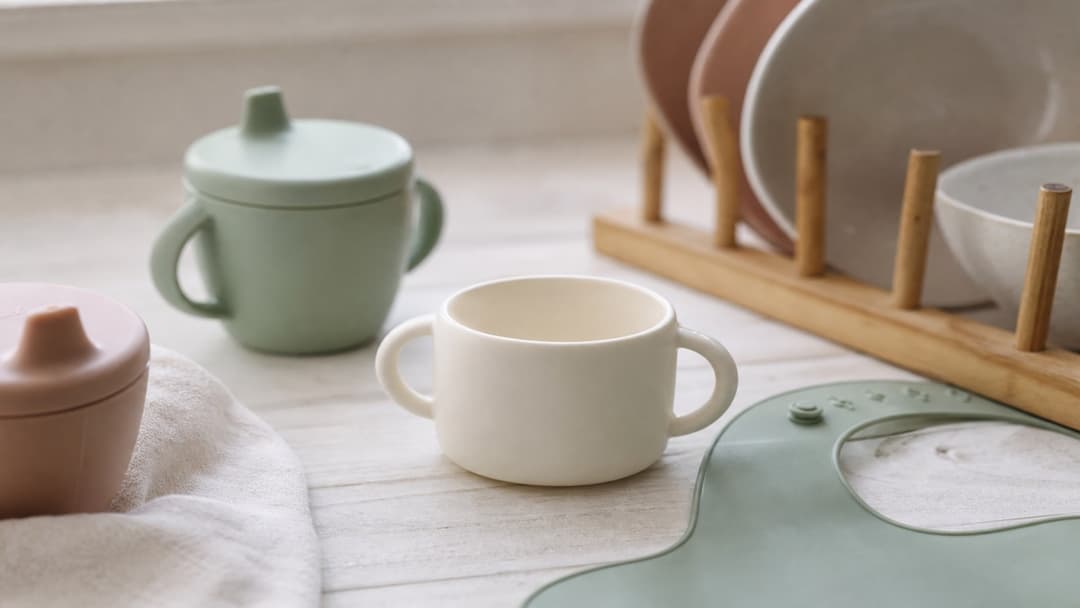
Learning to drink from a cup is a big milestone in your baby’s feeding journey. It supports oral development, builds independence, and helps your child transition away from bottles at the right time. Many parents aren’t sure when to start or which type of cup to use, and it’s completely normal to feel unsure.
Health organisations like the NHS and American Academy of Pediatrics (AAP) recommend introducing a cup around 6 months, when solids begin. Starting early gives your baby time to practice this new skill gradually, without pressure. It’s not about replacing milk feeds overnight, but about building familiarity.
This guide walks you through when and how to introduce cups, the differences between open and straw cups, and how to handle common challenges. You’ll also learn how to safely phase out bottles while keeping your baby well hydrated and supported.
Key takeaways
- Start cup drinking around 6 months alongside solids.
- Offer small sips of water during meals for practice.
- Open and straw cups both support healthy development.
- Spills and mess are normal parts of learning.
- Begin transitioning off bottles around 12 months.
- Avoid prolonged use of sippy cups and bottles.
- Milk remains the main drink until 12 months.
When to Introduce a Cup
Most babies are ready to start cup drinking around 6 months, alongside their first solid foods. At this stage, babies can usually sit upright with support and are developing the coordination needed to bring objects to their mouth. Offering small sips of water in a cup at mealtimes helps them learn without replacing breast milk or formula.
Both the NHS and AAP recommend introducing a cup early and aiming to reduce bottle use by around 12–18 months. Starting earlier makes the transition smoother because your baby learns the skill gradually. Waiting too long can make it harder to break bottle habits later.
In the beginning, your baby will mostly play, spill, and explore the cup. That’s expected and part of learning. Keep offering small amounts (1–2 tablespoons or 15–30 ml of water) during meals, and focus on practice rather than intake.
- Start around 6 months when solids begin
- Offer small sips of water with meals
- Use practice, not pressure, as your goal
- Continue breast milk or formula as the main drink
- Expect spills and mess-it’s part of learning
Types of Cups Explained
There are several types of cups marketed for babies, and each supports slightly different skills. The most recommended options are open cups and straw cups, as they promote natural oral development and drinking patterns. Sippy cups with valves are less encouraged because they can mimic bottle sucking.
An open cup is simply a small cup your baby drinks from without a lid. It helps develop lip control, tongue movement, and coordination. A straw cup requires your baby to suck liquid through a straw, which supports oral strength and coordination in a different way.
Some parents use both types of cups, offering variety and flexibility. The key is to avoid prolonged reliance on no-spill sippy cups, as they can delay skill development and prolong bottle-like habits.
- Open cup: supports natural drinking skills
- Straw cup: builds oral strength and coordination
- Sippy cup: less preferred for long-term use
- Start with small, lightweight cups
- Choose easy-to-clean designs
How to Teach Cup Drinking
Teaching your baby to drink from a cup is a gradual, hands-on process. Start by offering a small open cup with just a little water. Hold it for your baby and gently tip it toward their lips. Let them explore the sensation of sipping without expecting them to drink much.
For straw cups, you can demonstrate by exaggerating sipping actions or using a cup that allows you to gently squeeze liquid up the straw. Many babies learn quickly through imitation. Repetition and consistency are key-offer the cup at most meals.
Keep sessions relaxed and positive. Avoid correcting or rushing your baby, as this can create resistance. Over time, your baby will develop better coordination and begin drinking more independently.
- Start with 1–2 tablespoons (15–30 ml) of water
- Hold the cup and guide it to their mouth
- Model drinking behaviour
- Practice daily during meals
- Expect gradual progress over weeks
Open Cup vs Straw Cup
Both open cups and straw cups are considered good choices, and many experts suggest offering both. Open cups support natural sipping mechanics and help your baby learn to control liquid flow. They also encourage better posture during drinking.
Straw cups are often easier for babies to manage earlier because they require less tilting. They can also reduce spills and allow babies to drink more independently sooner. For some families, straw cups are more practical when out and about.
There’s no need to choose just one. Offering both types allows your baby to develop a wider range of skills. What matters most is avoiding prolonged use of bottles or spill-proof cups that mimic sucking.
- Open cups: best for oral development
- Straw cups: practical and portable
- Both can be used from around 6 months
- Rotate to build different skills
- Avoid long-term reliance on sippy cups
Common Challenges and Fixes
Spilling is one of the most common concerns, especially with open cups. While messy, it’s a normal part of learning. Using small amounts of liquid and practicing at predictable times (like meals) can help manage this stage.
Some babies refuse cups at first, especially if they are used to bottles. In this case, try offering the cup when your baby is calm and not overly hungry. You can also let them explore the cup without pressure, or try a different type such as a straw cup.
Gagging or coughing can happen if too much liquid flows too quickly. Slow down, use smaller sips, and support your baby’s posture by keeping them upright.
- Use small volumes to reduce spills
- Practice when baby is calm and alert
- Try different cup styles if needed
- Keep baby upright during drinking
- Stay patient-skills take time
Weaning from the Bottle
The AAP recommends beginning to transition away from bottles around 12 months and completing the transition by 18 months. Prolonged bottle use is linked to dental issues and can affect appetite for solid foods.
Start by replacing one bottle per day with a cup, often beginning with daytime feeds. Gradually reduce bottle use over weeks rather than stopping suddenly. Many parents find the bedtime bottle is the hardest to remove, so it’s often tackled last.
Offer milk in a cup during meals instead of between meals. This helps your baby associate cups with drinking and supports structured eating habits.
- Begin reducing bottles around 12 months
- Replace one bottle at a time
- Keep bedtime bottle for last if needed
- Offer milk in a cup with meals
- Aim to stop bottles by 18 months
How Much Should Babies Drink?
For babies aged 6–12 months, breast milk or formula remains the primary source of nutrition. Water is introduced mainly for practice, with small amounts (up to 60–120 ml per day) offered alongside meals. Excess water can reduce appetite for milk feeds, so moderation is important.
After 12 months, whole milk becomes a key drink, with recommended intake around 350–400 ml per day according to NHS guidance. Water should also be offered regularly, especially with meals and snacks.
Cup drinking helps regulate thirst naturally. Let your baby decide how much to drink, while ensuring regular opportunities throughout the day.
- 6–12 months: small sips of water (60–120 ml/day)
- 12+ months: 350–400 ml milk daily
- Offer water at every meal
- Avoid sugary drinks and juices
- Follow baby’s hunger and thirst cues
Safety and Hygiene Tips
Always supervise your baby while drinking, especially when using an open cup. Make sure your baby is seated upright to reduce the risk of choking or coughing. Avoid letting your baby walk or crawl while drinking.
Clean cups thoroughly after each use, especially straw cups which can trap residue. Regularly check for mould or buildup in valves and straws. Sterilising is recommended for younger babies under 12 months, depending on your local guidance.
Avoid putting anything other than water or milk in cups for babies. Sugary drinks and juices increase the risk of tooth decay and are not recommended by the NHS or WHO for infants.
- Always supervise drinking
- Keep baby seated upright
- Clean cups thoroughly after each use
- Check straws and valves for buildup
- Avoid juice and sugary drinks
Frequently Asked Questions
When should I introduce a cup to my baby?
Around 6 months, when your baby starts solids. Offer small sips of water during meals to build skills gradually.
What is the best cup for a 6 month old?
An open cup or a straw cup is best. Both support oral development better than traditional sippy cups.
How do I teach my baby to drink from an open cup?
Hold the cup and gently guide it to their lips with small amounts of water. Let them practice daily without pressure.
Can babies use straw cups at 6 months?
Yes, many babies can learn straw drinking from 6 months with guidance and practice.
How do I transition my baby off the bottle?
Start around 12 months by replacing one bottle at a time with a cup, gradually reducing bottle use over weeks.
Is it okay if my baby spills a lot when learning?
Yes, spilling is completely normal and part of learning coordination and control.
How much water should a 6 month old drink?
Only small amounts, about 60–120 ml per day, mainly for practice alongside meals.
Do I need to sterilise baby cups?
For babies under 12 months, sterilising is often recommended depending on local guidance. Always clean thoroughly.
When should my baby stop using bottles?
Aim to stop bottles by 12–18 months, as recommended by the AAP.
Can I give juice in a cup to my baby?
No, juice is not recommended for babies due to sugar content and dental risks. Stick to water and milk.
verifiedSources & References
This guide is informed by current guidelines from leading health organizations:
Build confident cup skills with personalised feeding guidance
Get step-by-step support, feeding schedules, and practical tips tailored to your baby’s age to make transitions like cup drinking easier and stress-free.