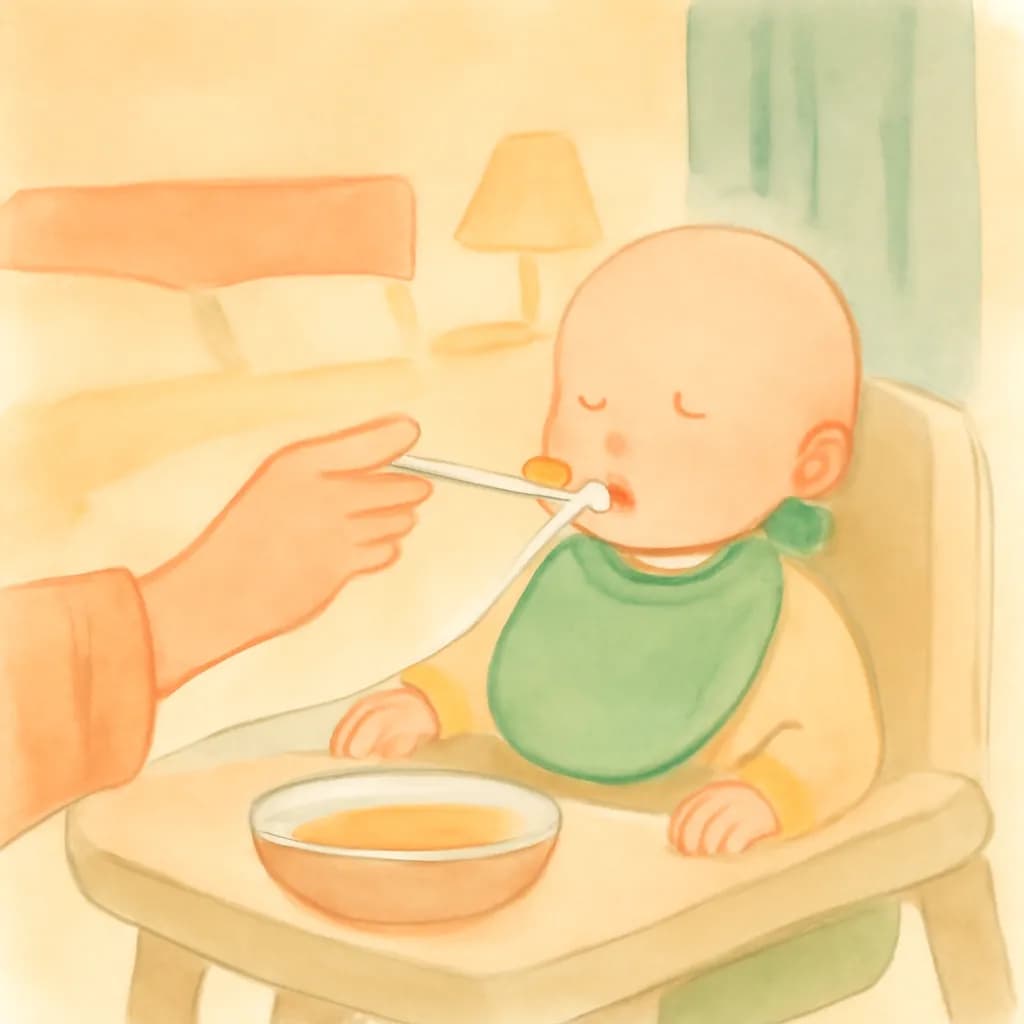
Is it normal for babies to have feeding changes when traveling?
Yes, it is common for babies to experience some changes in feeding patterns during travel due to new environments and routines.
Babies may be fussier or less interested in food temporarily, but this usually settles once they adjust to the new setting.
When to call your doctor
- Baby refuses all feeds for more than 12 hours.
- Signs of dehydration such as very few wet nappies or dry mouth.
- Persistent vomiting or diarrhoea lasting over 24 hours.
- High fever or unusual lethargy.
Why do feeding challenges happen when staying in hotels?
- Unfamiliar surroundings can make babies feel unsettled.
- Changes in daily routine and schedule.
- Limited access to usual feeding equipment or kitchen facilities.
- Different food options that may not suit the baby’s preferences.
- Travel fatigue affecting appetite and mood.
- Parental stress impacting feeding interactions.
What to try: practical hotel feeding strategies
Request room amenities
Ask the hotel in advance for a mini-fridge, kettle, and microwave to help with warming milk or baby food safely.
Pack essential feeding items
Bring a portable bottle warmer, formula dispenser, baby food pouches, dry oatmeal, baby spoons, bibs, and suction bowls or plates for convenience.
Choose simple room service options
Order plain foods such as rice, plain pasta, or fruit that are gentle on your baby’s digestion and easy to prepare.
Make use of continental breakfast
Select baby-friendly items like yogurt, bananas, and soft eggs to maintain familiar tastes and textures.
Communicate with restaurants
Request plain steamed vegetables or simple dishes without added salt or spices to suit your baby’s needs.
Keep snacks handy
Carry quick snacks such as fruit, cheese, and crackers to manage hunger between meals and maintain feeding schedules.