Iodine for Babies: Thyroid Health and Brain Development
Last updated May 2026
Understand why iodine matters, how much your baby needs, and how to include it safely in their diet.
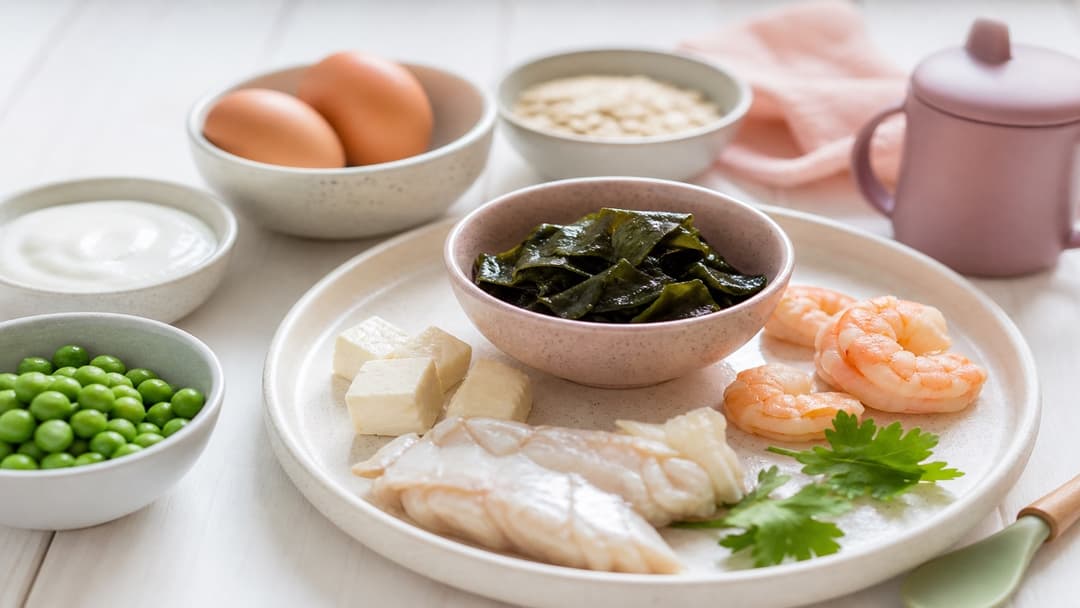
Iodine is a small but essential nutrient that plays a big role in your baby’s growth. It helps the thyroid gland produce hormones that guide brain development, metabolism, and overall growth. Because babies grow rapidly in their first year, getting enough iodine is especially important during this window.
Unlike some nutrients, iodine isn’t naturally abundant in many foods unless they come from the sea or are fortified. That means babies who are starting solids need thoughtful food choices to meet their needs, especially if they are breastfed and maternal intake is low.
The good news is that with a balanced approach-including breastmilk or formula and a few iodine-rich foods-you can easily support your baby’s needs. This guide breaks down how much iodine babies need, where to find it, and how to avoid both deficiency and excess.
Key takeaways
- Iodine supports brain development and thyroid hormone production in babies.
- Babies 7–11 months need about 70 mcg of iodine daily.
- Breastmilk and formula are primary iodine sources in early infancy.
- Fish, dairy, and eggs are safe iodine-rich foods for babies.
- Avoid adding salt to baby food, even if iodized.
- Too much iodine, especially from seaweed, can be harmful.
- Balanced diets usually meet iodine needs without supplements.
What Iodine Does for Babies
Iodine is essential for making thyroid hormones, which regulate your baby’s growth and brain development. These hormones influence how the brain forms connections, especially in the first 1,000 days of life. According to the World Health Organization (WHO), iodine deficiency in early life is one of the leading preventable causes of impaired cognitive development worldwide.
In babies, iodine supports not just brain function but also physical growth, energy use, and temperature regulation. Even mild deficiency can affect learning ability over time. This is why expert bodies like the American Academy of Pediatrics (AAP) emphasize ensuring adequate iodine intake during infancy.
Because babies rely heavily on milk feeds in the first year, their iodine intake depends on breastmilk iodine levels or fortified formula. As solids are introduced, including iodine-containing foods helps maintain steady intake as milk consumption gradually decreases.
How Much Iodine Is Needed?
Iodine needs vary by age, but the amounts required are small. According to EFSA (European Food Safety Authority), babies aged 7–11 months need about 70 micrograms (mcg) of iodine per day. For younger infants (0–6 months), needs are typically met through breastmilk or formula alone.
It’s not necessary to track iodine intake precisely each day. Instead, focus on offering a variety of iodine-containing foods alongside milk feeds. Most babies who are fed formula or whose breastfeeding parent has adequate iodine intake will meet their needs without difficulty.
As your baby transitions to more solids after 6 months, iodine intake from food becomes more important. Including iodine-rich foods a few times per week is usually enough to meet daily needs over time.
- 0–6 months: met through breastmilk or formula
- 7–11 months: ~70 mcg per day
- 12–24 months: ~90 mcg per day
- Needs are small but consistent intake matters
- Variety over the week is more important than daily tracking
Safe Food Sources of Iodine
Iodine is naturally found in foods from the sea and in some animal products. For babies starting solids, small portions of these foods can safely contribute to iodine intake. Fish is one of the best sources and also provides healthy fats that support brain development.
Dairy products like yogurt and cheese also contain iodine, depending on farming practices. Eggs are another useful source and can be introduced early, following safe allergen introduction guidance from the NHS and AAP.
Seaweed is extremely high in iodine, but it’s not recommended for babies due to the risk of excessive intake. Stick to mild, predictable sources where iodine levels are more consistent.
- Cooked white fish (e.g. cod): ~20–30 mcg per 20 g portion
- Salmon: ~10–15 mcg per 20 g portion
- Plain yogurt (full-fat): ~20–40 mcg per 100 g
- Egg (well-cooked): ~20–25 mcg per egg
- Cheese (pasteurised): ~5–15 mcg per 15 g
Iodized Salt and Babies
Iodized salt is a major source of iodine in many diets, but it is not recommended for babies under 12 months. The NHS advises avoiding added salt in baby foods because immature kidneys cannot handle high sodium levels.
This means babies won’t get iodine from iodized salt directly. Instead, they rely on natural food sources and milk feeds. Family meals prepared with iodized salt can contribute small amounts indirectly, but added salt should not be used in baby-specific portions.
After 12 months, small amounts of iodized salt in family foods can contribute to iodine intake, but it’s still important to keep overall salt intake low.
Signs of Iodine Deficiency
Iodine deficiency is uncommon in many developed countries but can still occur, especially if diets lack iodine-rich foods or if breastfeeding parents have low iodine intake. The effects are often subtle at first and may not be obvious without medical assessment.
In babies, deficiency can affect growth and brain development. Severe deficiency may lead to poor growth, delayed development, or thyroid enlargement (goitre), although this is rare. Because symptoms are not always clear, prevention through diet is key.
If you are concerned about your baby’s growth or development, or if your family follows a restricted diet (such as vegan without fortified foods), it’s worth discussing iodine intake with a healthcare professional.
- Slower growth or weight gain
- Developmental delays
- Low energy or lethargy
- Enlarged thyroid (rare)
- Often no obvious early symptoms
Risks of Too Much Iodine
While iodine is essential, too much can also disrupt thyroid function. Babies are particularly sensitive to excess iodine, especially from concentrated sources like seaweed or supplements. The EFSA sets upper intake levels to reduce this risk.
High iodine intake can interfere with normal thyroid hormone production, sometimes causing temporary thyroid dysfunction. This is why supplements containing iodine should only be given if recommended by a doctor.
The safest approach is to stick to food-based sources and avoid high-iodine foods like kelp or seaweed snacks. A balanced diet will provide enough iodine without approaching unsafe levels.
Iodine in Breastmilk and Formula
For babies under 6 months, breastmilk or infant formula is the primary source of iodine. The iodine content of breastmilk depends on the parent’s diet. If maternal iodine intake is low, breastmilk levels may also be low.
Infant formula is fortified with iodine and provides a reliable, consistent amount. According to regulatory standards, formula-fed babies typically meet their iodine needs without additional dietary sources.
For breastfeeding families, ensuring adequate iodine intake in the parent’s diet is important. This may include iodine-rich foods or supplements if recommended by a healthcare provider.
When to Consult a Doctor
Most babies will meet their iodine needs through a combination of milk feeds and a balanced diet. However, certain situations may require closer attention. If your baby has a restricted diet, feeding difficulties, or underlying health conditions, it’s worth discussing nutrient intake with a paediatrician.
You should also seek advice if you are breastfeeding and follow a diet that may be low in iodine, such as vegan or dairy-free without fortified foods. A healthcare professional can guide you on whether supplementation is needed.
If there are concerns about growth, development, or thyroid function, your doctor may recommend tests or dietary adjustments. Early guidance can help ensure your baby stays on track.
Frequently Asked Questions
Do babies need iodine every day?
Yes, but small amounts. Daily intake matters over time, though you don’t need to track it precisely if offering varied foods and milk feeds.
What are the best iodine rich foods for infants?
Fish, yogurt, eggs, and cheese are reliable sources. Small portions a few times a week usually meet needs.
Can babies eat seaweed for iodine?
No, seaweed can contain excessive iodine and is not recommended for babies due to risk of thyroid disruption.
Does formula contain iodine?
Yes, infant formula is fortified with iodine and typically meets a baby’s needs without additional sources.
Is iodine deficiency common in babies?
It’s uncommon in developed countries but can occur with low dietary intake or restricted diets.
Should I give my baby iodine supplements?
No, unless advised by a doctor. Most babies get enough iodine from milk and food.
Can breastfeeding affect my baby’s iodine intake?
Yes, breastmilk iodine depends on the parent’s diet. Low maternal intake can lead to lower levels.
When can babies have iodized salt?
Avoid added salt before 12 months. After that, small amounts in family foods are acceptable.
What happens if a baby gets too much iodine?
Excess iodine can disrupt thyroid function. Avoid high-iodine foods like seaweed and unnecessary supplements.
Are eggs a good source of iodine for babies?
Yes, one well-cooked egg provides around 20–25 mcg of iodine and is a safe, nutritious option.
verifiedSources & References
This guide is informed by current guidelines from leading health organizations:
Track nutrients and plan balanced meals with the Nibli app
Get personalised meal ideas, nutrient tracking, and simple ways to include iodine-rich foods in your baby’s diet with confidence.