Probiotics for Babies: Gut Health, Safety, and Benefits
Last updated May 2026
Understand how probiotics support your baby’s digestion, when they’re helpful, and how to use them safely.
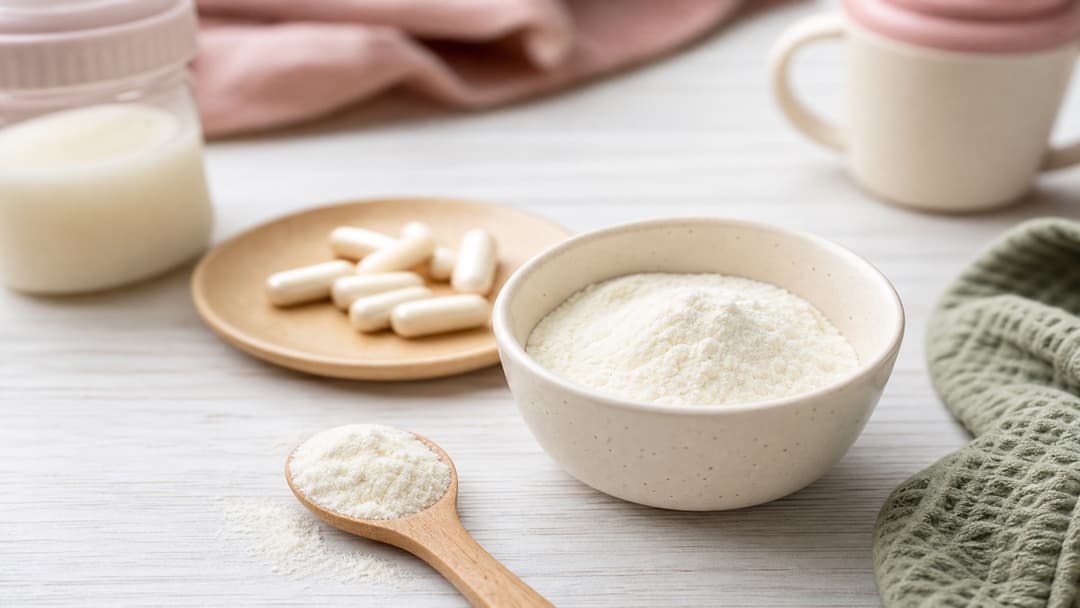
If your baby is dealing with tummy troubles or you’ve heard about “good bacteria,” you might be wondering whether probiotics for babies are worth trying. Probiotics are live microorganisms that can support gut health, and they’re a growing topic of interest for parents starting solids.
A baby’s gut is still developing during the first year of life, and this early period plays a key role in digestion, immunity, and even allergy risk. Breast milk naturally contains beneficial bacteria and prebiotics, but as solids begin, food choices can also influence gut health.
This guide explains what probiotics are, how they may benefit babies, and when they’re appropriate. You’ll also learn about safe food sources and when to speak to your paediatrician before offering probiotic supplements.
Key takeaways
- Probiotics are beneficial bacteria that support baby gut health.
- Yogurt and kefir are safe probiotic foods from 6 months.
- Supplements should only be used with paediatric guidance.
- Probiotics may help with mild digestive issues or after antibiotics.
- Prebiotics and probiotics work best together in a balanced diet.
- Not all babies need probiotics-focus on overall nutrition first.
- Avoid probiotics in medically vulnerable infants without advice.
What Are Probiotics?
Probiotics are live bacteria and yeasts that are beneficial for health, especially for the digestive system. They help maintain a healthy balance of gut microbes, which support digestion and immune function. Common probiotic strains include Lactobacillus and Bifidobacterium, both of which are naturally found in a healthy human gut.
In babies, gut bacteria begin developing at birth and are influenced by factors like delivery method, feeding (breast milk or formula), and environment. According to the World Health Organization (WHO), early nutrition plays a key role in shaping gut health, which is why introducing a variety of foods after 6 months can support a diverse microbiome.
- Probiotics are “good” bacteria that support gut balance
- Common strains include Lactobacillus and Bifidobacterium
- They naturally exist in breast milk and some foods
- They help maintain digestive and immune health
Benefits for Babies
Research suggests probiotics may support digestion and reduce common gastrointestinal issues in some babies. They can help break down food, improve stool consistency, and support regular bowel movements. Some strains have been studied for reducing colic symptoms, though results vary depending on the baby and strain used.
Probiotics may also support immune development. Around 70% of the immune system is linked to the gut, so a balanced microbiome can help the body respond to infections. The American Academy of Pediatrics (AAP) notes that while probiotics show promise, benefits are strain-specific and not universal.
For babies starting solids, probiotics from food can gently support gut diversity. However, they are not a cure-all and should be part of a balanced diet that includes fiber, iron-rich foods, and healthy fats.
- May ease constipation or mild digestive discomfort
- Can support immune system development
- May help reduce colic in some infants
- Encourage a balanced gut microbiome
Natural Food Sources
Once your baby is around 6 months old and ready for solids, you can introduce small amounts of naturally probiotic-rich foods. These foods contain live cultures that can help support gut health. Always choose pasteurised and age-appropriate options with no added sugar or salt.
Start with small portions, such as 1–2 tablespoons (15–30 g), and observe how your baby responds. Texture matters too-smooth, lump-free options are safest early on. Yogurt is often the easiest and most widely accepted first probiotic food for babies.
- Plain full-fat yogurt with live cultures (1–2 tbsp)
- Kefir (2–4 tbsp, unsweetened)
- Sauerkraut juice (very small amounts, mixed into food)
- Miso (tiny amounts in cooked dishes, low sodium)
Best First Choices
Plain yogurt and kefir are the most suitable probiotic foods for babies starting solids. They are mild in taste, easy to digest, and widely recommended by paediatric guidelines like the NHS for early introduction.
Avoid sweetened or flavoured versions, as added sugars are not recommended for babies under 2 years.
When Probiotics May Help
Probiotics may be helpful during specific situations, such as after a course of antibiotics. Antibiotics can disrupt the balance of gut bacteria, and certain probiotic strains may help restore it more quickly. Always consult your paediatrician before offering supplements in these cases.
They may also support babies experiencing mild constipation, diarrhea, or digestive discomfort. Some evidence suggests specific strains can reduce the duration of infectious diarrhea. However, results vary, and not all probiotics work the same way.
For generally healthy babies, probiotics are not essential but can be a supportive addition through food. A varied diet rich in fruits, vegetables, and whole grains remains the foundation of good gut health.
Safety and Age Guidelines
For healthy, full-term babies, probiotic foods like yogurt can be safely introduced from around 6 months when solids begin. The NHS and AAP both support yogurt as an early food, provided it is plain and full-fat.
Probiotic supplements, however, should only be used under medical guidance. Not all products are suitable for infants, and the effectiveness depends on the strain, dose, and health condition. Babies with underlying health issues or weakened immune systems require extra caution.
There is no universal dosage for probiotics in infants, and products vary widely. Food sources are generally considered safer and easier to regulate compared to supplements.
- Introduce probiotic foods from 6 months
- Start with small portions (1–2 tbsp)
- Avoid supplements unless advised by a doctor
- Choose plain, unsweetened products
Probiotics vs Prebiotics
Probiotics are live beneficial bacteria, while prebiotics are types of fiber that feed those bacteria. Both work together to support a healthy gut. Without prebiotics, probiotics may not thrive or have lasting effects.
Many baby-friendly foods naturally contain prebiotics, including bananas, oats, onions, and sweet potatoes. Including both probiotic and prebiotic foods in your baby’s diet helps create a balanced gut environment.
The European Food Safety Authority (EFSA) highlights the importance of dietary fiber for gut health, even in early life. Combining these nutrients through whole foods is more effective than relying on supplements alone.
- Probiotics = beneficial bacteria
- Prebiotics = food for those bacteria
- Both are important for gut health
- Found naturally in whole foods
Signs Your Baby Might Benefit
Some babies may show signs that their gut could benefit from additional support. While probiotics are not always necessary, they may help in certain situations where digestion seems unsettled.
Look for patterns rather than isolated symptoms. Occasional gas or changes in stool are normal, especially when starting solids. Persistent issues should always be discussed with a healthcare provider.
- Frequent constipation or hard stools
- Loose stools or mild diarrhea
- Excessive gas or bloating
- Recent antibiotic use
- Digestive changes after starting solids
When to Avoid Probiotics
Probiotics are not suitable for every baby. Infants with compromised immune systems, chronic illnesses, or those born prematurely may be at higher risk of complications from probiotic supplements. In these cases, medical supervision is essential.
You should also avoid giving unpasteurised fermented foods, as they can carry harmful bacteria. Always prioritise food safety and age-appropriate textures when introducing new foods.
If your baby has severe digestive symptoms, blood in stool, or poor weight gain, probiotics are not a substitute for medical care. Seek advice from your paediatrician to identify the underlying cause.
Frequently Asked Questions
Are probiotics safe for babies?
Probiotic foods like yogurt are safe from 6 months. Supplements should only be used if recommended by your paediatrician.
Can probiotics help with baby constipation?
Some probiotic strains may help soften stools, but results vary. Offer fiber-rich foods and fluids first, and consult your paediatrician if constipation persists.
What are the best probiotic foods for babies?
Plain full-fat yogurt and kefir are the best starting options. Offer 1–2 tablespoons and ensure there is no added sugar.
Do breastfed babies need probiotics?
Breast milk already contains beneficial bacteria and prebiotics, so additional probiotics are usually unnecessary unless advised by a doctor.
Can I give probiotic supplements to my baby?
Only under medical guidance. The AAP notes that benefits depend on the strain and condition, so supplements are not routinely recommended.
What’s the difference between probiotics and prebiotics?
Probiotics are live bacteria, while prebiotics are fibers that feed them. Both support a healthy gut and should be included through foods.
Can probiotics help with colic?
Some evidence suggests certain strains may reduce colic symptoms, but results are inconsistent. Speak to your paediatrician before trying them.
How much yogurt can I give my baby?
Start with 1–2 tablespoons (15–30 g) once daily from 6 months and gradually increase based on appetite and tolerance.
Are fermented foods safe for babies?
Pasteurised options like yogurt are safe. Avoid unpasteurised or high-salt fermented foods like kimchi for infants.
Do probiotics boost baby immunity?
They may support immune function by improving gut balance, but they are just one part of a healthy diet.
verifiedSources & References
This guide is informed by current guidelines from leading health organizations:
Track gut-friendly foods and nutrients with the Nibli app
Plan balanced meals, introduce probiotic foods safely, and track your baby’s nutrition with personalised guidance designed for every stage of starting solids.