Zinc for Babies: Immunity, Growth, and Food Sources
Last updated May 2026
Learn why zinc matters for your baby, how much they need, and which foods provide it during weaning.
Zinc is a small but powerful nutrient that plays a big role in your baby’s growth, immune function, and development. During the first year of life, babies grow rapidly, and zinc helps support cell growth, tissue repair, and healthy development. Because the body doesn’t store large amounts of zinc, babies need a regular supply from breast milk, formula, and later, solid foods.
From around 6 months, your baby’s natural zinc stores begin to decrease, making it especially important to introduce zinc-rich foods as part of weaning. This is also the time when their immune system is still developing, so getting enough zinc can help support their ability to fight infections and stay well.
The good news is that many everyday foods contain zinc, and with a balanced approach to feeding, most babies can meet their needs through diet alone. This guide breaks down how much zinc your baby needs, the best food sources, and how to spot and prevent deficiency.
Key takeaways
- Zinc supports growth, immunity, and healthy development in babies.
- Babies 7–12 months need about 3 mg of zinc daily.
- Meat and fish provide the most easily absorbed zinc.
- Plant sources can meet needs with variety and preparation.
- Low zinc may affect appetite, growth, and immunity.
- Most babies don’t need supplements if eating a balanced diet.
- Offer zinc-rich foods regularly during weaning.
What Zinc Does for Babies
Zinc is essential for many biological processes in your baby’s body. It supports cell division and growth, which are especially important during infancy when babies are growing faster than at any other stage of life. Zinc also plays a role in wound healing, DNA synthesis, and maintaining healthy skin and tissues.
Another key role of zinc is in supporting the immune system. It helps immune cells develop and function properly, which is why adequate intake is linked to fewer infections and quicker recovery times. According to the World Health Organization (WHO), zinc is critical for reducing the severity and duration of common childhood illnesses like diarrhoea.
Zinc also contributes to taste and appetite regulation. Babies who are low in zinc may show reduced appetite or interest in food, which can affect overall nutrition. Ensuring enough zinc can help support healthy eating patterns as your baby explores new foods.
- Supports rapid growth and cell development
- Helps maintain a strong immune system
- Aids wound healing and tissue repair
- Supports appetite and taste development
How Much Zinc Do Babies Need?
Zinc needs vary by age, and most babies meet their requirements through breast milk or formula in early infancy. From around 6 months, when solids are introduced, dietary zinc becomes increasingly important as natural stores decline. Both the European Food Safety Authority (EFSA) and the US National Institutes of Health provide guidance on daily zinc needs.
For babies aged 0–6 months, the adequate intake is about 2 mg per day, typically met through breast milk or formula. From 7–12 months, needs increase to around 3 mg per day. These amounts may seem small, but they are crucial for healthy growth and immune function during this rapid developmental stage.
It’s not necessary to track zinc intake precisely each day. Instead, focus on regularly offering a variety of zinc-rich foods across the week. Combining animal and plant sources helps ensure your baby consistently meets their needs.
- 0–6 months: ~2 mg/day (from milk feeds)
- 7–12 months: ~3 mg/day
- Toddlers 1–3 years: ~3–5 mg/day
- Needs increase during rapid growth phases
Best Zinc-Rich Foods
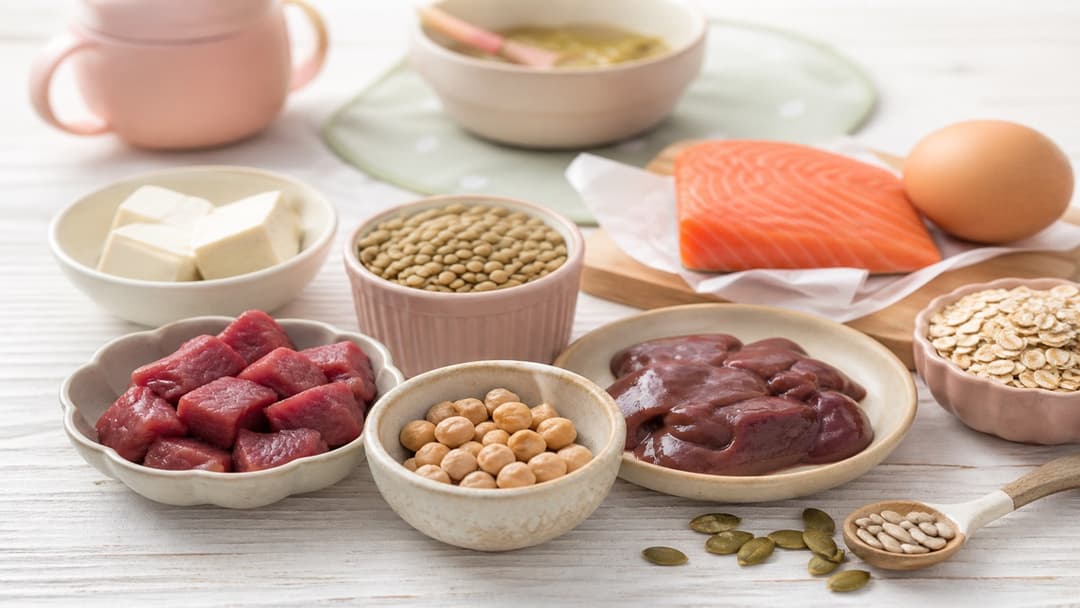
Zinc is found in a wide range of foods, but animal-based sources tend to be the most easily absorbed. Meat, poultry, and fish are particularly rich in zinc and can be introduced safely from around 6 months in soft, age-appropriate textures. For example, 30 g of cooked minced beef provides around 2–3 mg of zinc, covering most of a baby’s daily needs.
Plant-based foods also contribute to zinc intake, although the body absorbs zinc from these sources less efficiently. Foods like lentils, chickpeas, tofu, and whole grains are still valuable additions, especially when offered regularly and paired with other nutrient-rich foods.
Offering a mix of zinc-rich foods throughout the week helps ensure your baby gets enough without relying on a single source. Variety also supports broader nutrient intake and helps build acceptance of different flavours and textures.
- Beef, lamb (2–3 mg per 30 g cooked)
- Chicken and turkey (1–2 mg per 30 g)
- Oily fish like salmon (0.5–1 mg per 30 g)
- Lentils and chickpeas (0.5–1 mg per 2–3 tbsp cooked)
- Tofu (0.5–1 mg per 50 g)
- Whole grains like oats and quinoa
Zinc and Immune Function
Zinc plays a central role in immune health by supporting the development and function of immune cells. It helps the body respond effectively to infections and reduces inflammation. Babies with adequate zinc intake are better equipped to fight off common illnesses like colds and gastrointestinal infections.
Research cited by WHO shows that zinc deficiency is associated with increased susceptibility to infections and longer recovery times. While zinc alone doesn’t prevent illness, it works alongside other nutrients like iron, vitamin A, and vitamin C to support overall immune resilience.
During weaning, providing zinc-rich foods alongside a varied diet helps build a strong nutritional foundation. This is especially important as babies begin to encounter more germs through new environments and social interactions.
- Supports immune cell development
- Helps reduce illness severity
- Works with iron and vitamin A
- Important during weaning and daycare exposure
Absorption and Bioavailability
Not all zinc in food is absorbed equally. Animal-based sources like meat and fish have higher bioavailability, meaning the body can use the zinc more efficiently. In contrast, plant-based foods contain compounds called phytates, which can reduce zinc absorption.
This doesn’t mean plant foods should be avoided-far from it. Instead, simple preparation methods can improve zinc absorption. Soaking, sprouting, or fermenting grains and legumes can reduce phytate levels and make zinc more available to the body.
Combining foods also helps. Offering plant-based zinc sources alongside vitamin C-rich foods (like fruit or vegetables) or small amounts of animal protein can support better overall nutrient absorption.
- Animal sources are more easily absorbed
- Phytates in plants reduce absorption
- Soaking and cooking improve availability
- Balanced meals support better uptake
Signs of Zinc Deficiency
Zinc deficiency is uncommon in healthy babies in high-income countries, but it can occur, especially in those with limited diets or feeding challenges. Because zinc affects many systems in the body, deficiency symptoms can be varied and sometimes subtle.
Common signs include poor appetite, slowed growth, frequent infections, and delayed wound healing. Some babies may also develop skin rashes, particularly around the mouth or diaper area. In more severe cases, hair thinning or irritability may be noticed.
If you’re concerned about your baby’s intake or notice these symptoms, it’s important to speak with your paediatrician. They can assess your baby’s diet and growth and advise whether further investigation or support is needed.
- Poor appetite or feeding difficulties
- Slower growth or weight gain
- Frequent infections
- Skin rashes or delayed healing
- Irritability or low energy
Vegetarian Zinc Sources
Babies following a vegetarian or mostly plant-based diet can still meet their zinc needs with careful planning. Legumes such as lentils, chickpeas, and beans are among the best plant sources, along with tofu and fortified cereals.
Because zinc from plant foods is less well absorbed, it’s helpful to offer these foods regularly and in combination with other nutrient-rich options. For example, a meal of lentil dal with soft vegetables and a squeeze of lemon can support better nutrient uptake.
Including a variety of grains, nuts (in safe forms like finely ground or as nut butter), and seeds also contributes to zinc intake. If you’re raising your baby on a vegetarian or vegan diet, consider discussing their diet with a paediatrician or dietitian to ensure all nutrient needs are met.
- Lentils, beans, and chickpeas
- Tofu and soy products
- Fortified baby cereals
- Nut butters (thinly spread or mixed)
- Seeds like sesame or pumpkin (ground)
When to Consider Supplements
Most babies can meet their zinc needs through breast milk, formula, and a varied diet after 6 months. Routine zinc supplementation is not generally recommended for healthy infants in high-income settings, according to guidance from organisations like the NHS and AAP.
However, supplements may be considered in specific situations, such as diagnosed deficiency, restricted diets, or certain medical conditions that affect nutrient absorption. In these cases, supplementation should only be given under medical guidance to ensure safe and appropriate dosing.
Too much zinc can interfere with the absorption of other important nutrients like copper and iron. If you’re concerned about your baby’s intake or considering supplements, it’s best to speak with your paediatrician before starting anything new.
- Not needed for most healthy babies
- Consider only under medical advice
- Used in diagnosed deficiency cases
- Excess zinc can affect other nutrients
Frequently Asked Questions
Why is zinc important for babies?
Zinc supports growth, immune function, and cell development. It helps babies fight infections and grow properly during their first year.
How much zinc does a baby need daily?
Babies 0–6 months need about 2 mg/day, and 7–12 months need around 3 mg/day, according to EFSA and NIH guidance.
What are the best zinc-rich foods for babies?
Meat, poultry, fish, lentils, chickpeas, tofu, and fortified cereals are all good sources of zinc for babies.
Can babies get enough zinc from plant-based foods?
Yes, but they may need a variety of foods and careful preparation, as zinc from plant sources is less easily absorbed.
What are signs of zinc deficiency in babies?
Signs include poor appetite, slow growth, frequent infections, and skin rashes. Speak to a paediatrician if concerned.
Does zinc help boost my baby’s immune system?
Zinc supports normal immune function, helping babies respond to infections more effectively, but it doesn’t prevent all illness.
Do breastfed babies need extra zinc?
Breast milk provides enough zinc early on, but from 6 months, babies need zinc-rich solid foods as stores decline.
Should I give my baby a zinc supplement?
Most babies don’t need supplements. Only use them if recommended by a healthcare professional.
Is too much zinc harmful for babies?
Yes, excess zinc can interfere with other nutrients like iron and copper. Always follow medical advice on supplementation.
How can I improve zinc absorption from foods?
Offer a mix of foods, include animal sources if possible, and use methods like soaking or cooking to improve absorption.
verifiedSources & References
This guide is informed by current guidelines from leading health organizations:
Track zinc intake and build balanced baby meals easily
Use the Nibli app to plan nutrient-rich meals, track zinc and other key nutrients, and get tailored recipe ideas to support your baby’s growth and immunity.