Can babies eat banana?
Last updated October 2026
Yes.
Ripe banana is a soft fruit babies can try from around 6 months once they are ready for solids. Mash it or offer a manageable soft piece that fits their current grasp and chewing skills. Avoid hard dried banana chips and do not rely on a fixed finger-length measurement to make pieces safe.

When can babies try banana?
Banana can be offered as part of varied complementary foods when a baby can sit upright with head control and move food toward the mouth. There is no need to delay it to a particular later month.
Start with a little ripe fruit and keep breast milk or infant formula feeds alongside solids. If a baby was born prematurely or has swallowing concerns, follow an individual feeding plan.
Mash or soft pieces: choosing a texture
Peel a fully ripe banana, remove unexpected fibrous strings or firm areas, and check that the flesh yields easily to a fork. Mash it for spoon-feeding or a preloaded spoon and inspect for slippery broken-off lumps. If your baby self-feeds, offer a soft graspable piece and watch how they handle it.
Later, smaller pieces may be appropriate as finger coordination develops. Do not assume all nine-month-olds need pea-sized pieces or that a 4–5 cm spear prevents choking. Avoid firm green banana chunks and dried chips.
Texture and allergy reminders
Choose very ripe soft fruit and remove the peel; check for tough strings or firm pieces.
Serve food according to actual chewing and grasp skills, not an age-specific dimension.
Watch closely during upright seated eating; banana can break into slippery chunks.
Banana allergy is uncommon but possible; seek urgent help for breathing difficulty after food.
If adding nut butter, thin smooth nut butter and introduce common allergens appropriately.
What banana contributes
Banana supplies carbohydrate, potassium and some vitamin B6.
Ripe banana is convenient and soft, but it is not a treatment for constipation or diarrhea.
Variety matters: include other fruits, vegetables and iron-containing foods in baby meals.
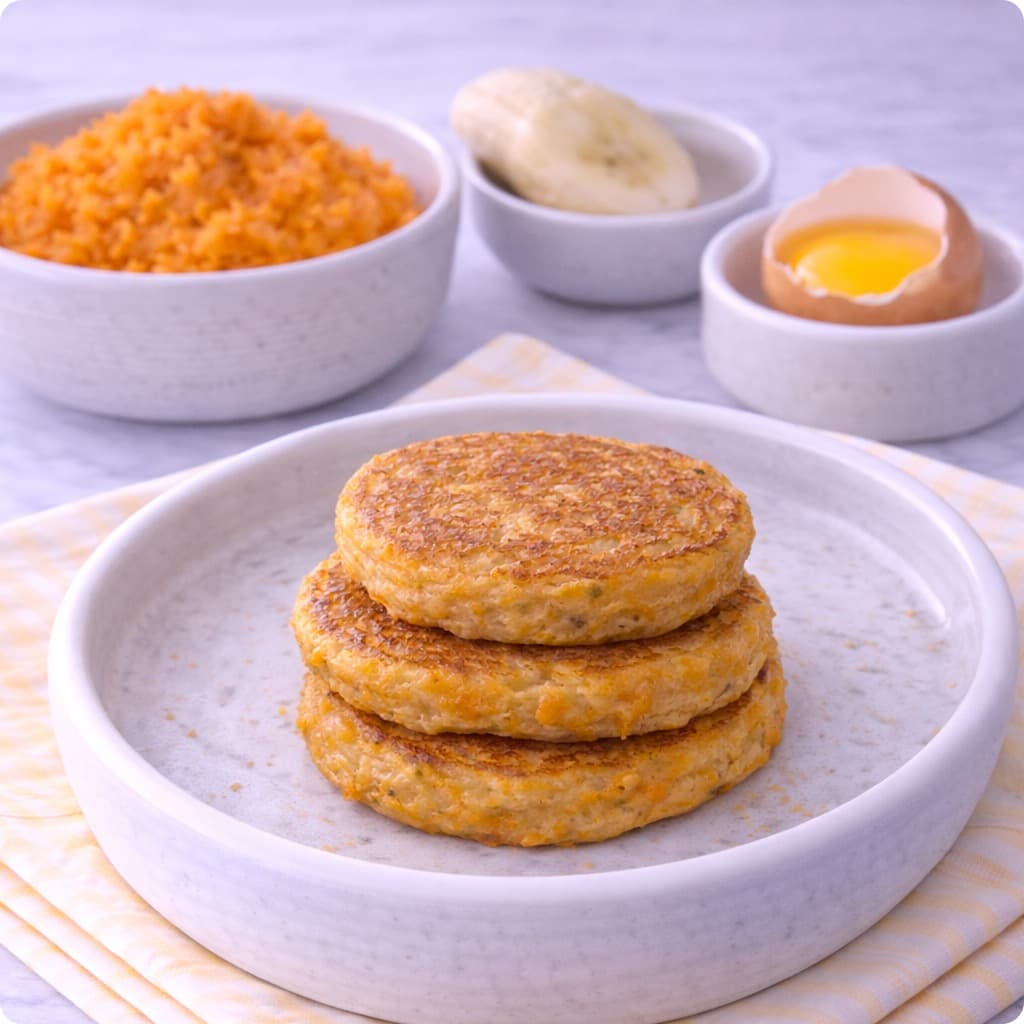
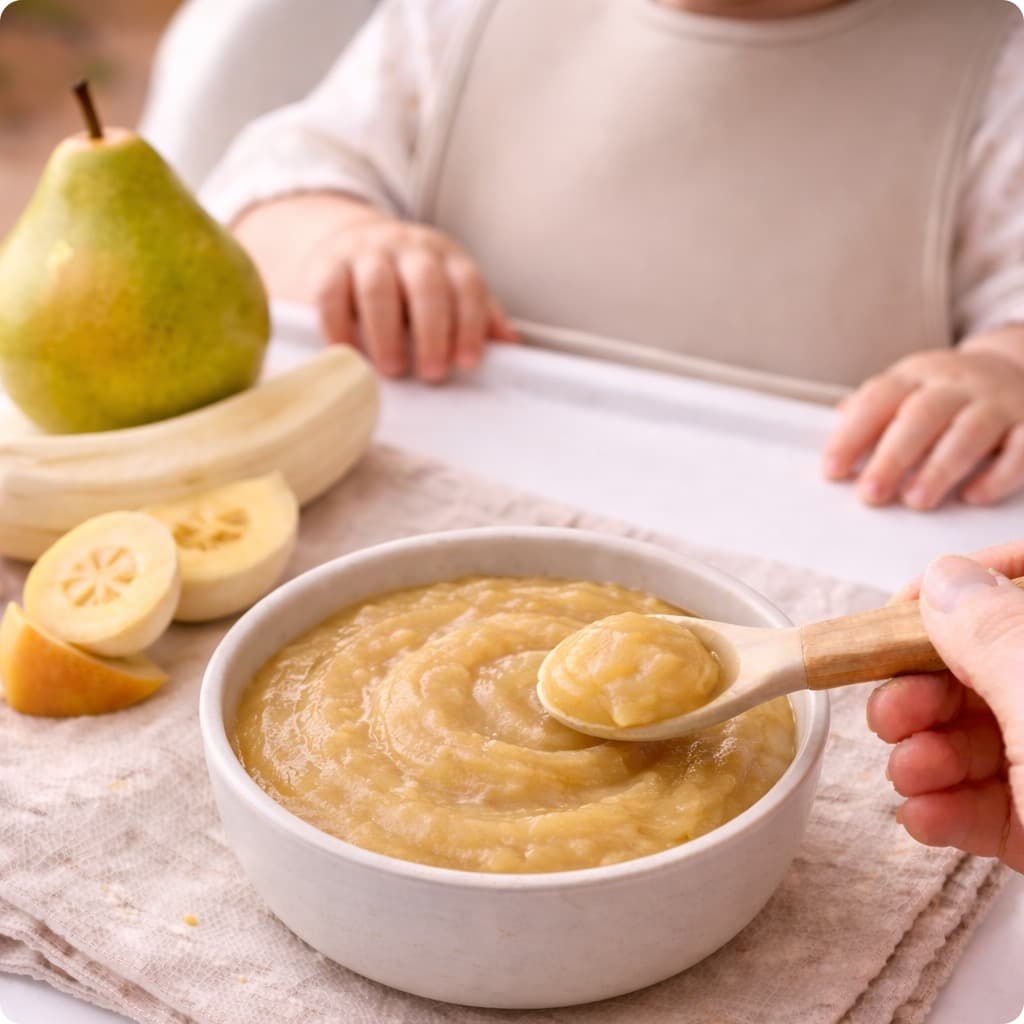
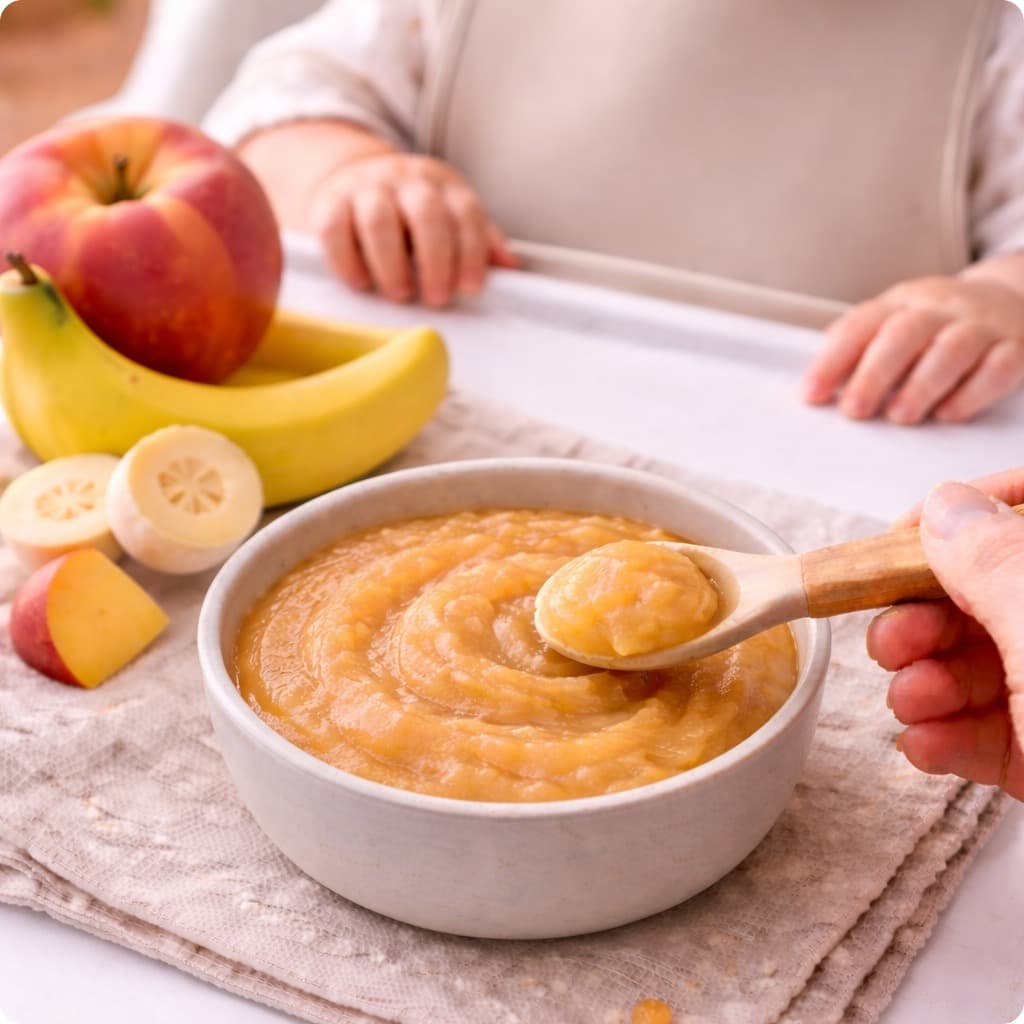
Baby-friendly banana recipes
View all recipes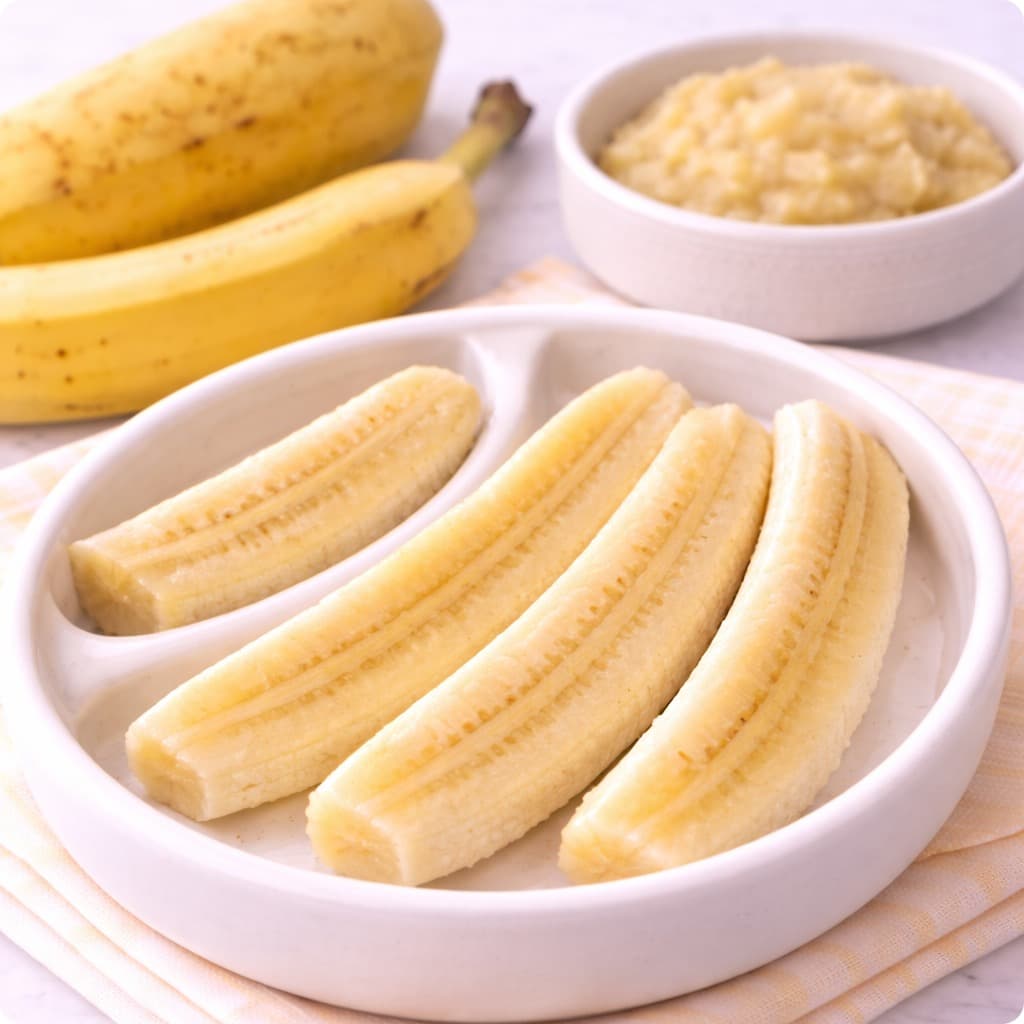


Related guides
Banana for babies: FAQs
Is banana a choking hazard?
Soft banana can still form slippery chunks. Mash ripe banana or use a suitable soft piece and supervise all eating; no particular cut eliminates risk.
Does banana need cooking?
Ripe, soft banana usually does not. If a banana is unripe or hard, choose a softer one or prepare it until manageable.
Does banana make babies constipated?
There is no reliable rule that banana causes or cures constipation in every baby. Speak to a healthcare professional if stools are painful, hard or persistently difficult.
How much banana can a baby have?
No universal quarter- or half-banana serving applies. Start with a little and follow the baby's cues while offering varied foods.
Can banana be mixed with yogurt or peanut butter?
Yes, if these ingredients are suitable: use plain pasteurized yogurt and a thin or thinned smooth peanut butter, introduce new common allergens separately and follow a diagnosed allergy care plan.
Can I serve dried banana chips instead of ripe banana?
No. Hard dried banana chips can be difficult for young children to chew and can be a choking risk. Choose soft ripe fruit that mashes readily and prepare it for the child's actual skills.
Sources & References
This guide is informed by current guidelines from leading health organizations:
- ●NHS - Your Baby's First Solid Foods NHS
- ●AAP - Starting Solid Foods AAP
- ●AAP - Choking Prevention AAP
- ●CDC — Choking Hazards (reviewed March 2026) CDC
- ●NHS - Preparing Food Safely for Babies NHS
- ●NHS Best Start in Life - Introducing foods that could trigger an allergic reaction NHS
- ●NHS - Foods to Avoid Giving Babies NHS
