When can babies eat pumpkin?
Most babies are ready for solid foods, including pumpkin, at around 6 months of age. Readiness is about more than the calendar: look for signs such as being able to sit up with little or no support, good head and neck control, losing the early tongue-thrust reflex that pushes food out, and showing genuine interest in what you are eating. Pumpkin's naturally soft texture once cooked makes it a gentle, popular choice for those very first meals.
Pumpkin is not considered a common allergen, so there is no reason to delay it. Current pediatric guidance encourages introducing a wide variety of foods early and often, including common allergens like peanut and egg, rather than holding any food back. You can comfortably offer pumpkin among your baby's first foods and pair it with other ingredients over time to broaden their palate.
How to serve pumpkin safely
From 6 to 9 months, serve pumpkin cooked until completely soft. For spoon-feeding, offer a smooth, lump-free puree, thinning it with breast milk, formula, or water if needed. If you are doing baby-led weaning, cut cooked pumpkin into thick finger-sized strips or wedges that your baby can wrap a whole hand around, soft enough to squish easily between your finger and thumb. Always let cooked pumpkin cool to a safe temperature before serving.
From 9 to 12 months and beyond, as your baby develops a pincer grasp, you can move to smaller, soft bite-sized cubes of well-cooked pumpkin. Keep pieces soft and avoid serving raw or firm chunks, which are harder to chew and can be a choking risk. Roasting, steaming, or boiling all work well, and mashing the flesh keeps the texture forgiving as your baby learns to self-feed.
Nutritional benefits for babies
- 💚Rich in beta-carotene, which the body converts to vitamin A for healthy vision and immune function
- 💚Provides vitamin C to support the immune system and help with iron absorption
- 💚Contains potassium, an important mineral for fluid balance and muscle function
- 💚Offers dietary fiber to support healthy digestion
- 💚Naturally soft and easy to mash or puree, making it gentle on developing tummies
- 💚Mild, slightly sweet flavor that pairs well with other first foods
Safety considerations
- ✓Pumpkin is not a common allergen, but watch for any unusual reaction the first few times as with any new food
- ✓Always cook pumpkin until very soft and remove all skin, seeds, and stringy bits, which can be choking hazards
- ✓Never offer raw or firm chunks of pumpkin; choose soft purees or squishable pieces sized to your baby's stage
- ✓Stay close and supervise your baby during every meal, and keep them seated upright while eating
- ✓Introduce pumpkin on its own first, waiting a few days before adding other new foods so you can spot any reaction
Recipes with pumpkin for babies
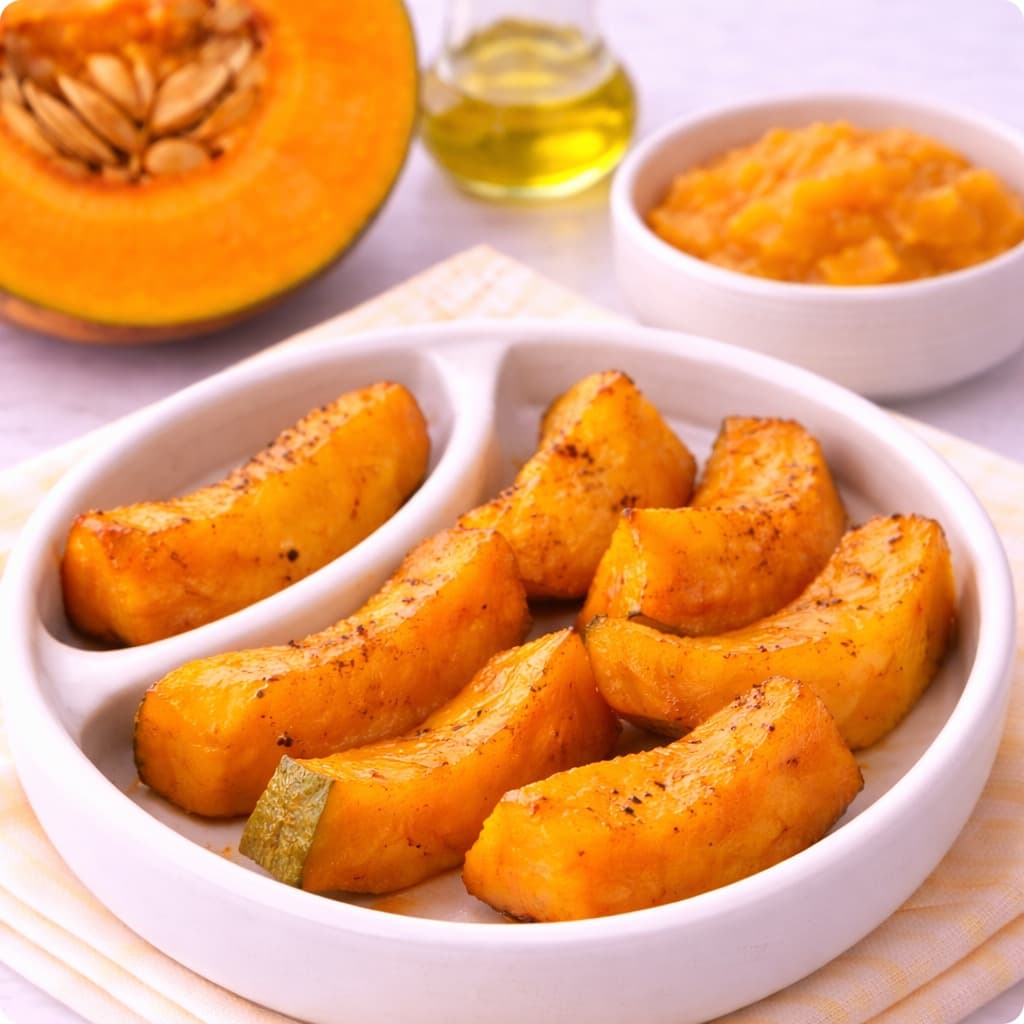
Roasted Pumpkin Wedges
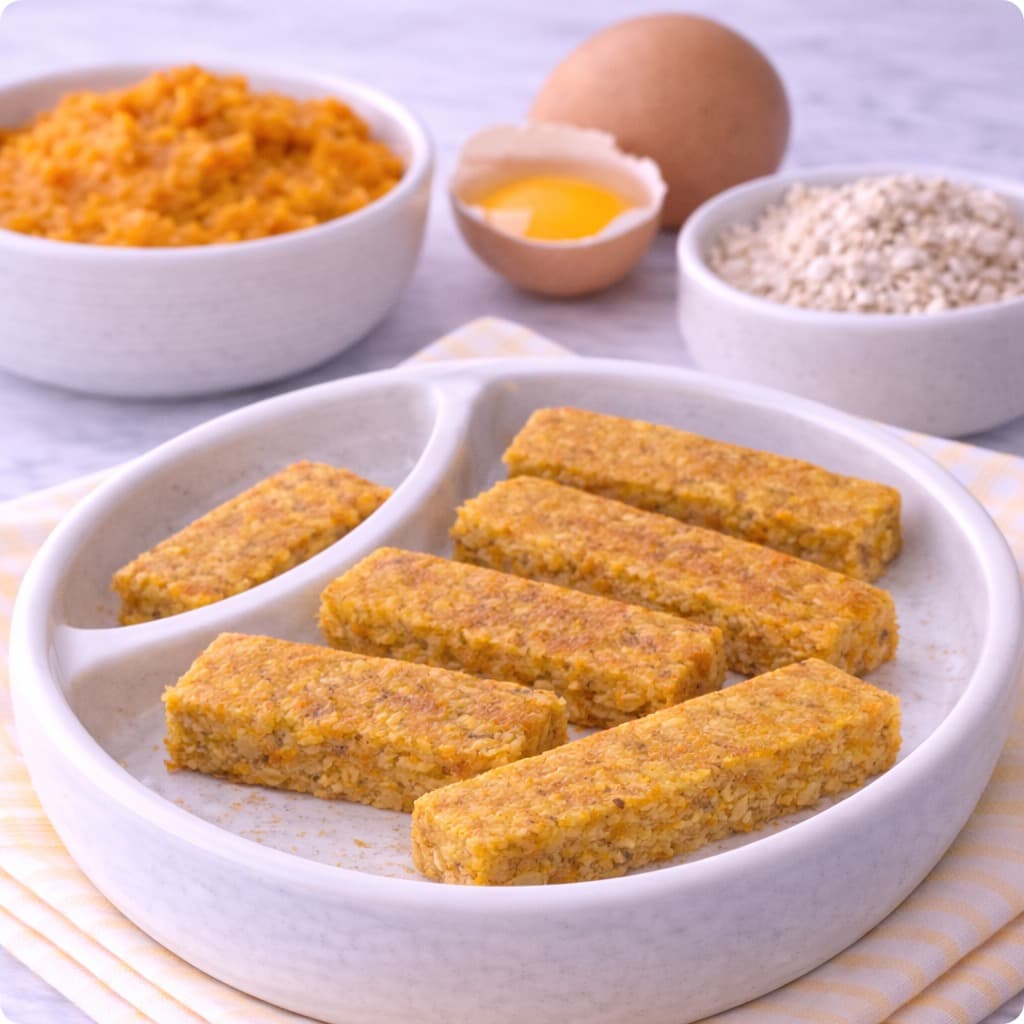
Pumpkin Pancake Fingers
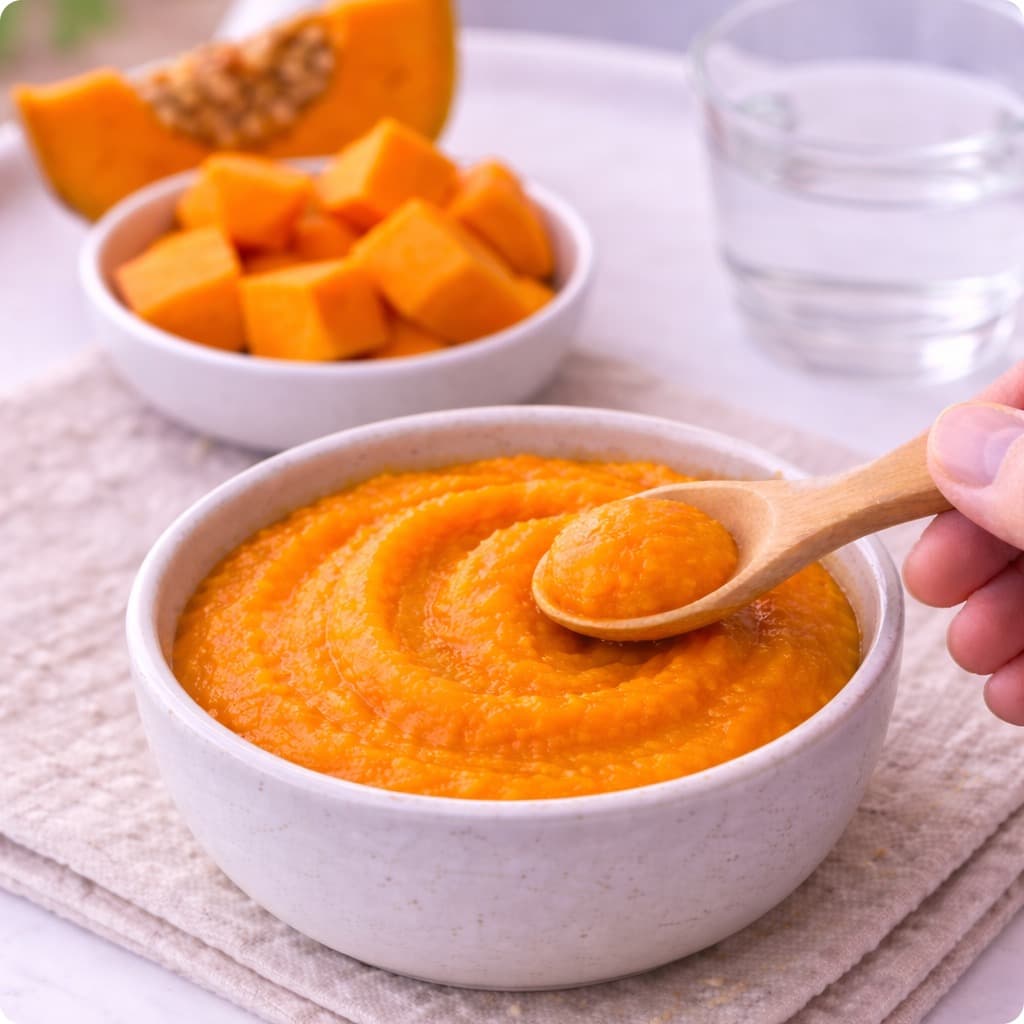
Pumpkin Purée
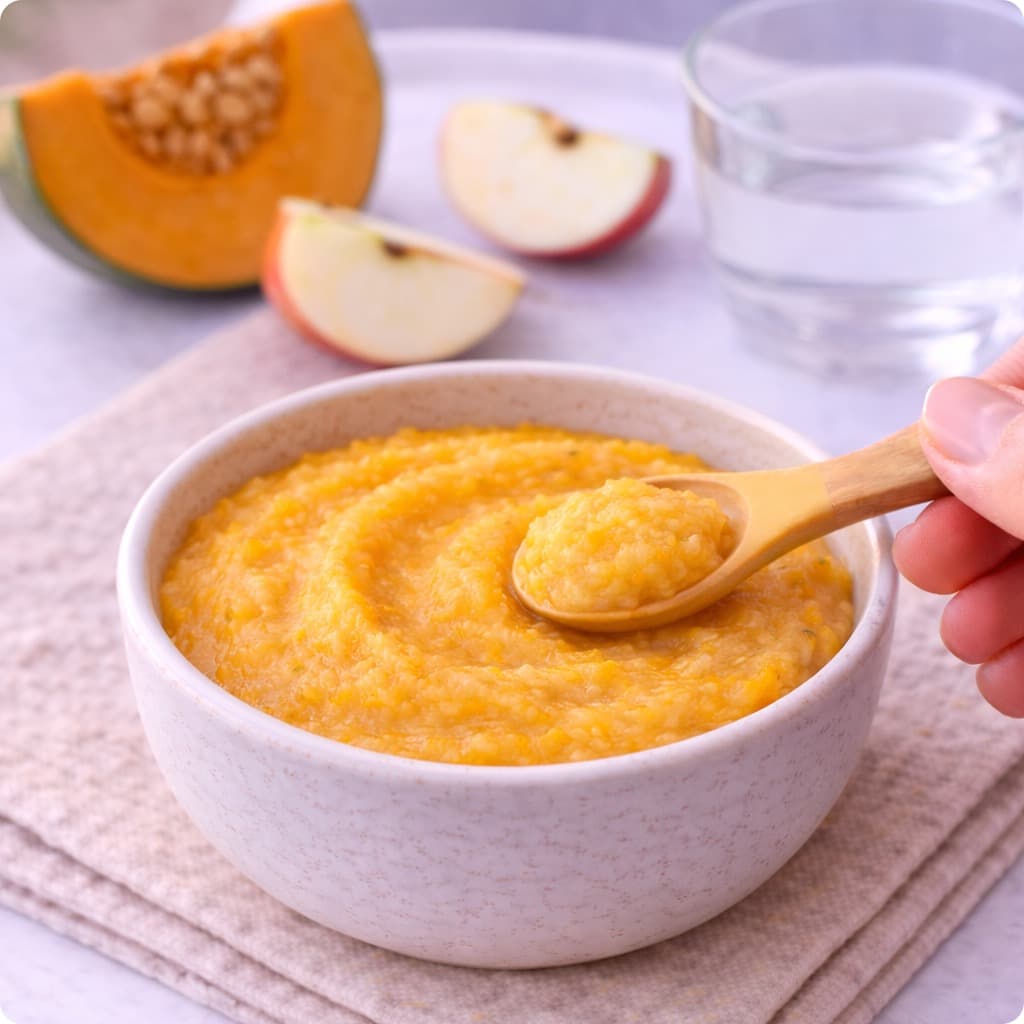
Pumpkin & Apple Mash
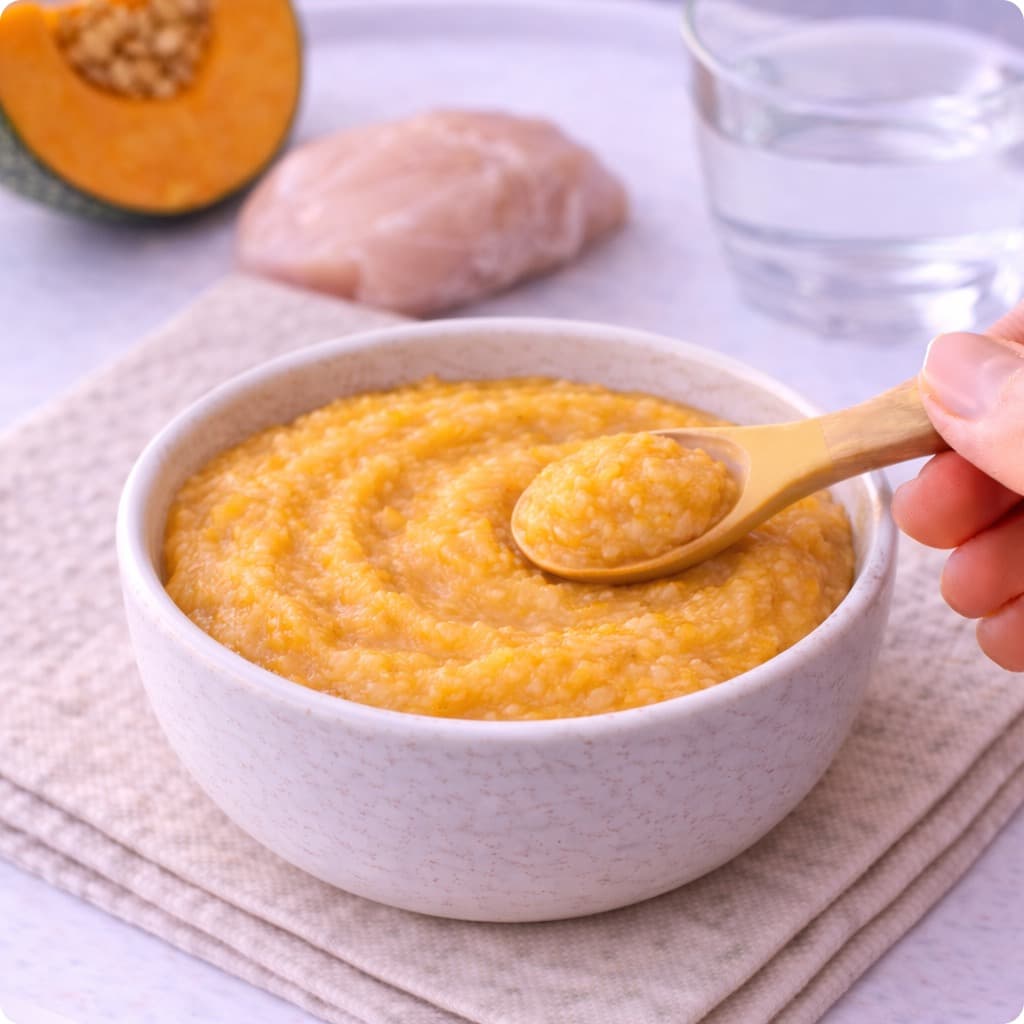
Chicken & Pumpkin Purée
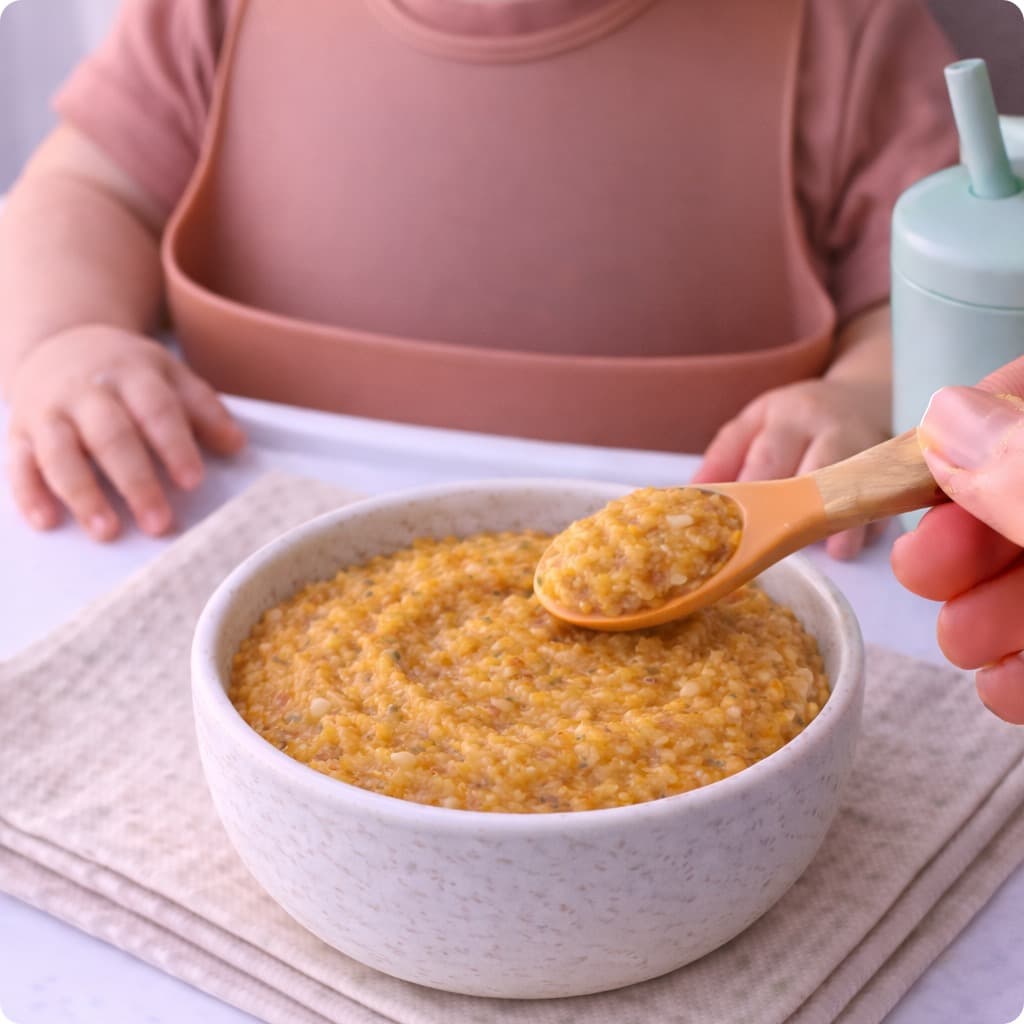
Beef, Pumpkin & Barley Mash
Frequently asked questions
Can babies eat pumpkin puree?
Yes, smooth pumpkin puree is a great first food for babies starting solids around 6 months. Cook the pumpkin until very soft, then blend or mash it until lump-free. You can thin it with a little breast milk, formula, or water to reach a texture your baby can manage.
Is canned pumpkin safe for babies?
Plain canned pumpkin with no added sugar, salt, or spices is fine for babies. Always check the label and choose 100% pure pumpkin rather than pumpkin pie filling, which contains added sugar and spices. Fresh, steamed, or roasted pumpkin works just as well if you prefer to make your own.
Can pumpkin cause constipation in babies?
Pumpkin actually contains fiber, which can help support healthy digestion rather than cause constipation. As with any new food, every baby reacts differently, so watch how your baby responds. If you notice changes in their bowel movements, offering plenty of fluids and a variety of foods usually helps.
Is pumpkin a common allergen for babies?
No, pumpkin is not considered a common allergen, and allergic reactions to it are uncommon. There is no need to delay it the way some families once did with allergenic foods. Still, it is wise to introduce it on its own and watch for any unusual reaction the first couple of times.
Can babies eat pumpkin skin or seeds?
No, remove the skin and seeds before serving pumpkin to babies. The skin is tough to chew and the seeds and stringy fibers can be a choking hazard. Offer only the soft, cooked flesh, mashed, pureed, or cut into squishable pieces.
What can I mix with pumpkin for my baby?
Pumpkin's mild, sweet flavor pairs well with many foods. Try blending it with apple, pear, banana, sweet potato, or a little plain yogurt, or stir it into baby-friendly oatmeal. Mixing in an iron-rich food like pureed meat or lentils is also a nice way to round out a meal.
How much pumpkin can a baby eat?
There is no fixed amount; let your baby's appetite guide you. At first, babies may take only a spoonful or two while breast milk or formula remains their main source of nutrition. Offer pumpkin as part of a varied diet and follow your baby's cues for hunger and fullness.
Get recipes + a feeding plan for your baby
Save this food to your baby's list, get age-appropriate recipes and follow a personalized feeding schedule - 350+ baby-safe meals in the app.
verifiedSources & References
This guide is informed by current guidelines from leading health organizations: