Pumpkin for Baby
Last updated October 2026
A baby ready for solids, generally around six months, can try plain cooked pumpkin. Remove its hard rind, seeds and stringy core; cook the flesh until the thickest part mashes easily with a fork. Serve it as mash or a soft piece suited to your baby's grasp, not by a fixed cut size.
Quick answer
From around six months, a baby showing developmental readiness for solids can try plain, cooked pumpkin. NHS guidance includes soft cooked squash as a suitable vegetable finger food; pumpkin should likewise be prepared to a mashable texture.

How to prepare and serve soft pumpkin
Preparation: wash the pumpkin; remove all hard rind, seeds and stringy core from the serving. Steam, simmer or roast the flesh until it squashes under a fork, including its thickest section.
Beginning solids: mash the cooked flesh or offer a soft, graspable wedge if your baby can manage finger foods. A preloaded spoon is another option.
Developing grasp: offer small pieces of soft pumpkin when your child can pick up and manage them; keep mash or larger soft wedges if that works better.
Toddler meals: use thoroughly soft pumpkin in soups, mixed vegetable mash or low-salt family meals. Remove chewy edges and check the temperature.
When can a baby eat pumpkin?
Use fresh peeled pumpkin or plain unsweetened canned pumpkin puree (not pumpkin pie filling). If the canned puree is already cooked, check its label and warm/cool appropriately before serving.
Shape and texture should follow the baby's grasp and chewing abilities, not a mandatory switch at nine or twelve months. If a piece stays firm after cooking, mash it or cook longer.
Cool before serving and remove any firm roasted edges. Plain unsweetened canned pumpkin purée can also work; avoid sweetened pie filling. Pumpkin adds vegetable variety and carotenoids but is not a substitute for iron-containing foods.
See our first foods for baby guide for more ideas.
Pumpkin preparation and safety
Remove tough rind, seeds and stringy core before offering pumpkin.
Cook until the thickest flesh can be mashed easily; hard roasted edges are not appropriate for early eaters.
Adapt mash or soft pieces to the actual child's chewing and self-feeding ability.
Choose plain pumpkin, not sweetened pumpkin pie filling or heavily salted savoury puree.
Cool cooked pumpkin and supervise the child eating upright.
Include iron-rich foods across meals rather than treating pumpkin alone as a complete first food.
Pumpkin recipes for babies
View all recipes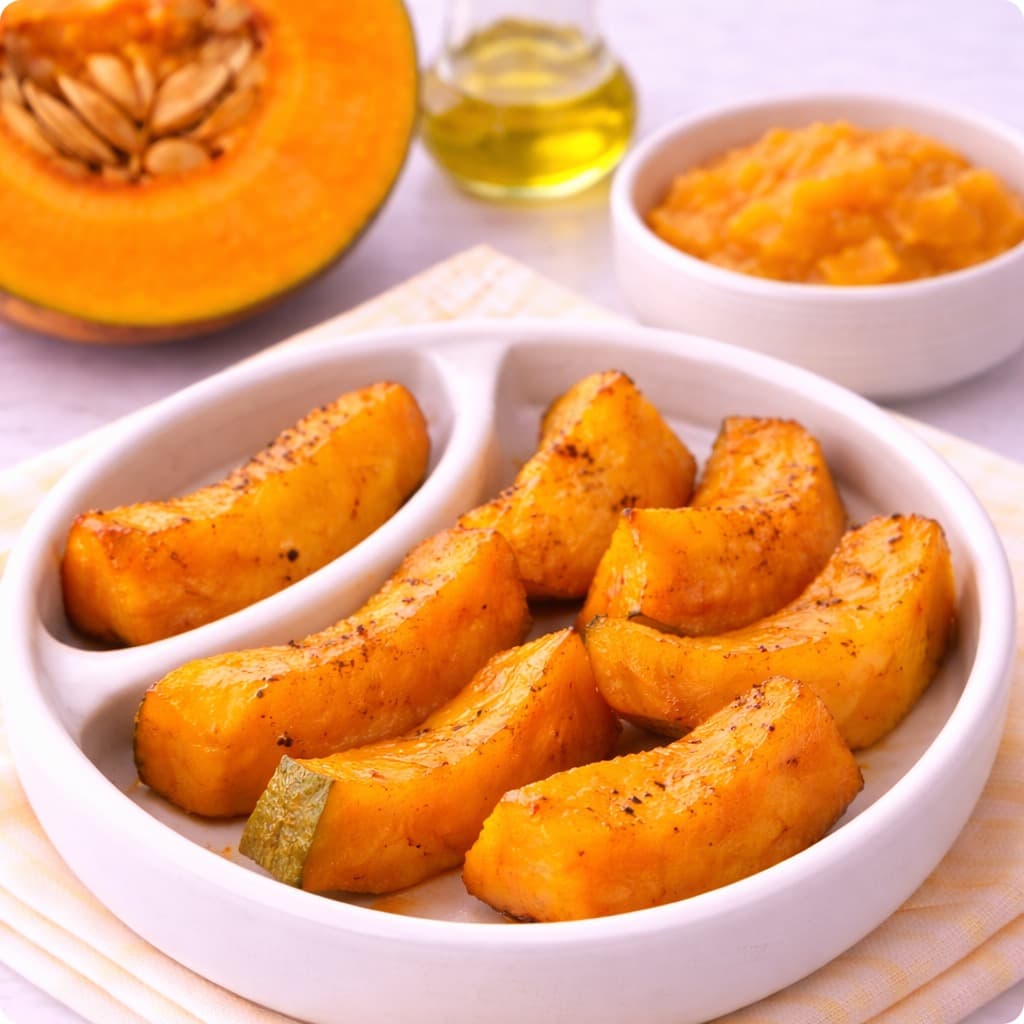
Roasted Pumpkin Wedges
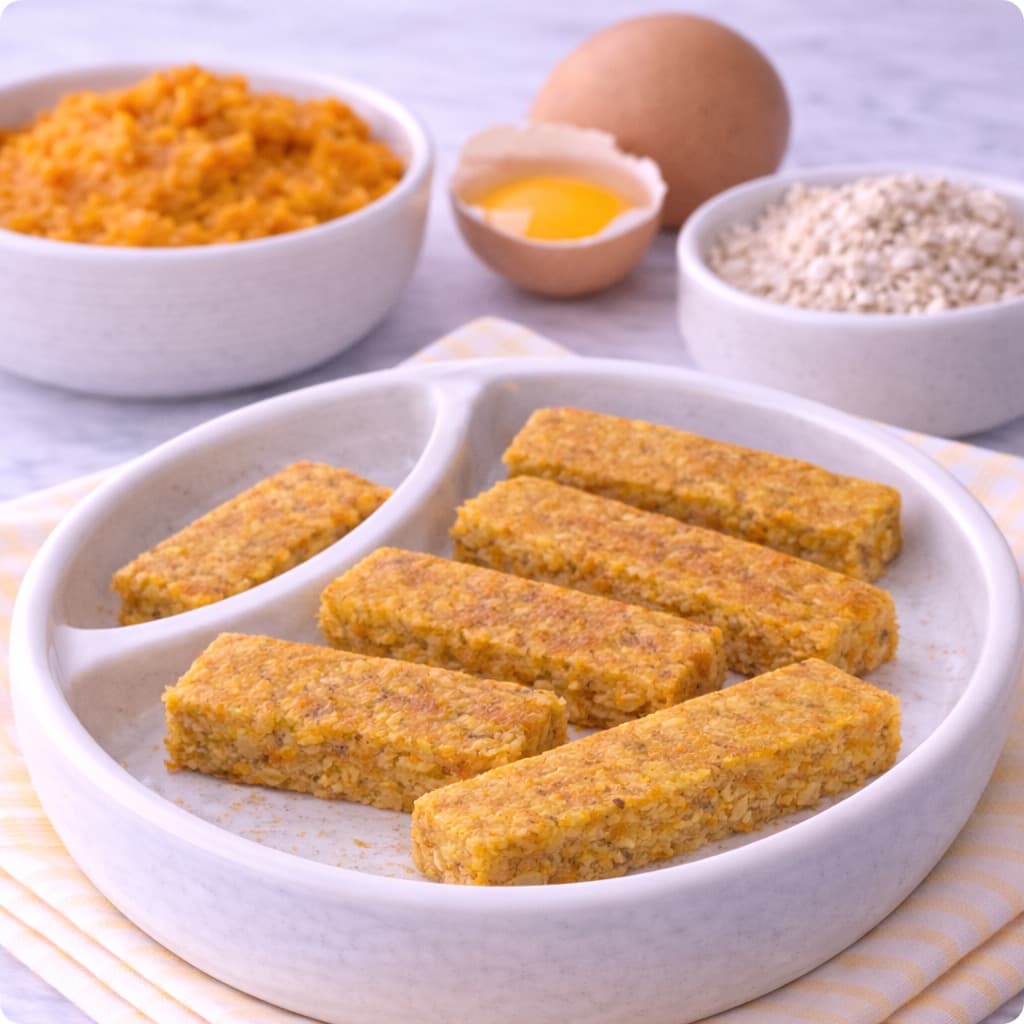
Pumpkin Pancake Fingers
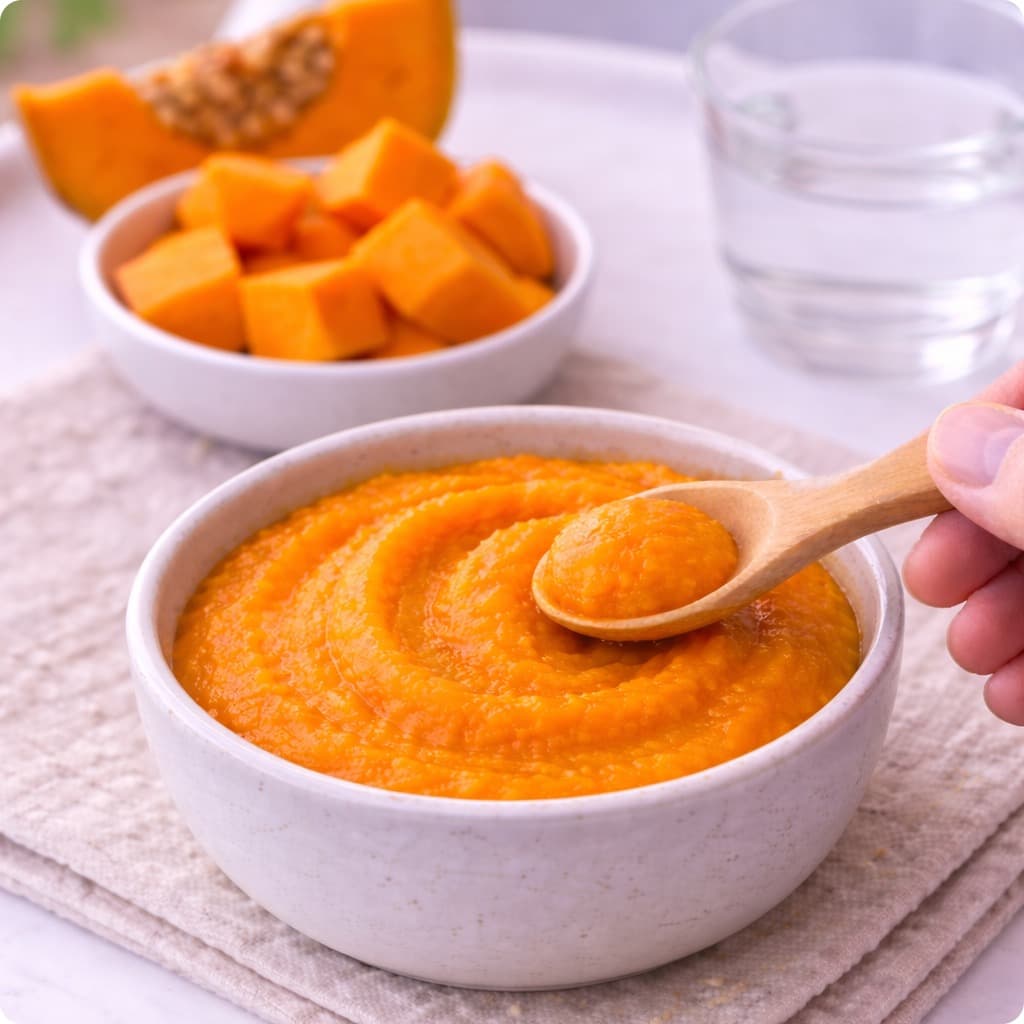
Pumpkin Purée
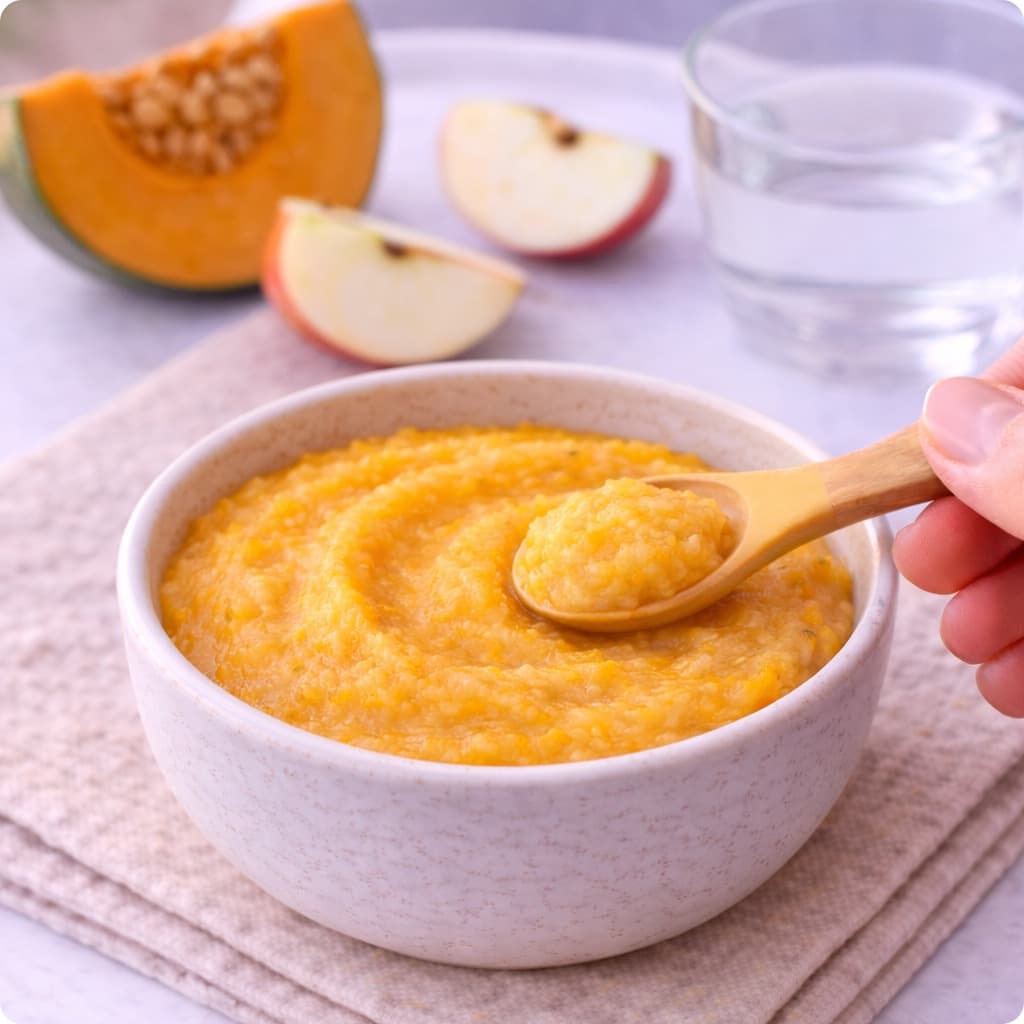
Pumpkin & Apple Mash
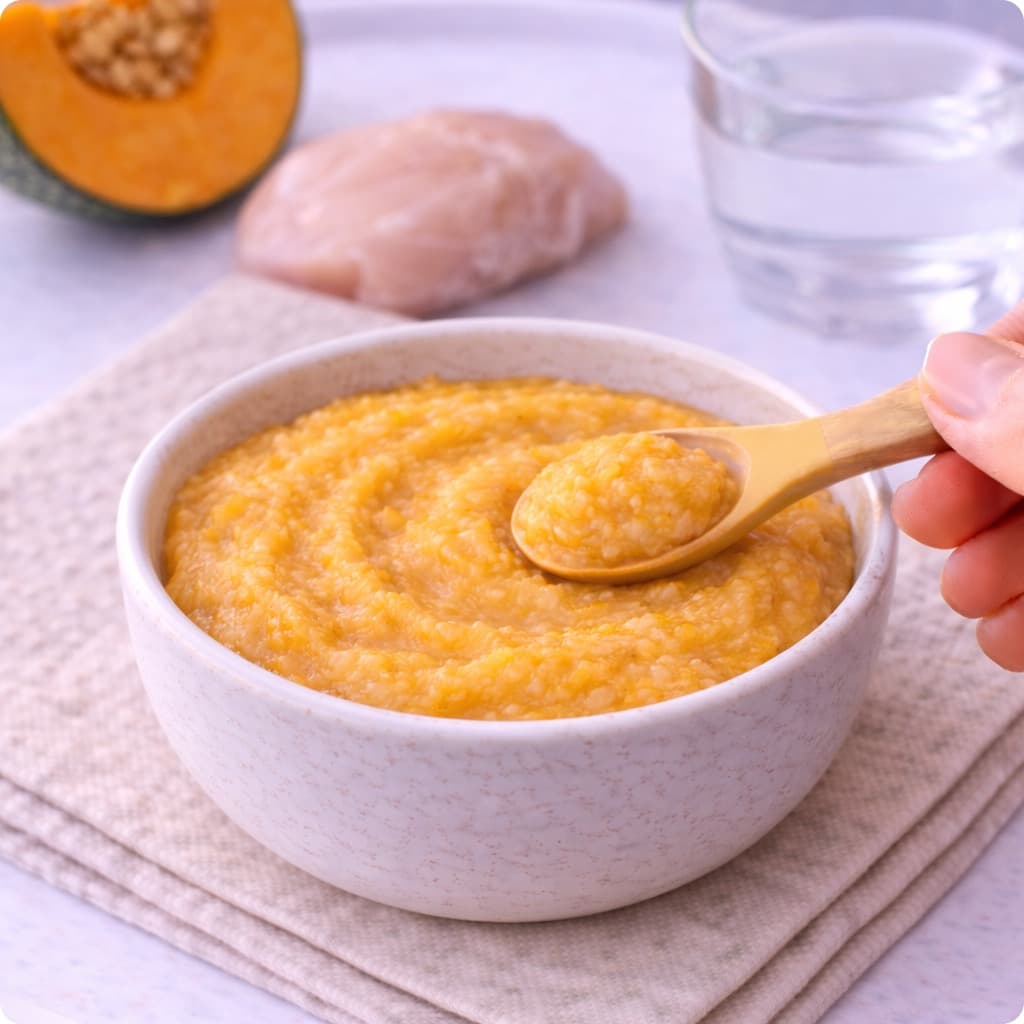
Chicken & Pumpkin Purée
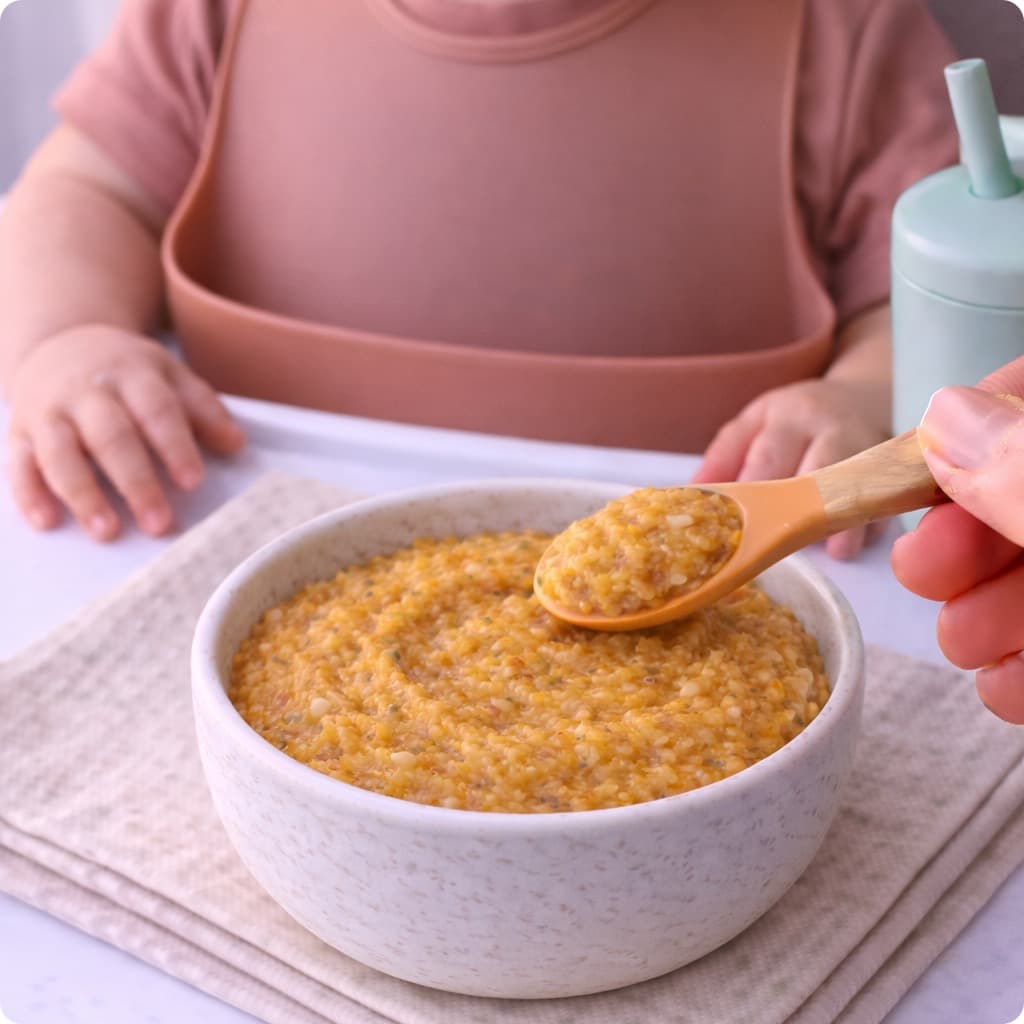
Beef, Pumpkin & Barley Mash
See all pumpkin recipes for babies. Explore baby breakfast recipes, baby-led weaning recipes and first foods for baby for more ideas.
Related Guides
Frequently Asked Questions
Can my baby eat pumpkin skin or seeds?
Remove the hard rind, whole seeds and stringy centre from the baby's serving. They do not have the same mashable texture as the cooked flesh.
Is canned pumpkin puree suitable for babies?
Plain unsweetened canned pumpkin puree can be an option. Check the ingredient label and do not confuse it with sweetened pumpkin pie filling.
Does pumpkin provide enough iron for a baby's meal?
Pumpkin contributes vegetable variety but is not an iron-rich main food. Add suitable iron-containing ingredients over the course of your baby's meals.
Can babies eat roasted pumpkin?
Yes when it is thoroughly soft. Remove any hard or crispy edges, check the thickest part and cool it before offering.
Sources & References
This guide is informed by current guidelines from leading health organizations:
- ●NHS - Your Baby's First Solid Foods NHS
- ●NHS - Feeding your baby from around 6 months NHS
- ●NHS - Preparing Food Safely for Babies NHS
- ●CDC — Choking Hazards (reviewed March 2026) CDC
- ●CDC - When, What, and How to Introduce Solid Foods CDC
