How to cut and shape meatballs for your baby
Last updated October 2026
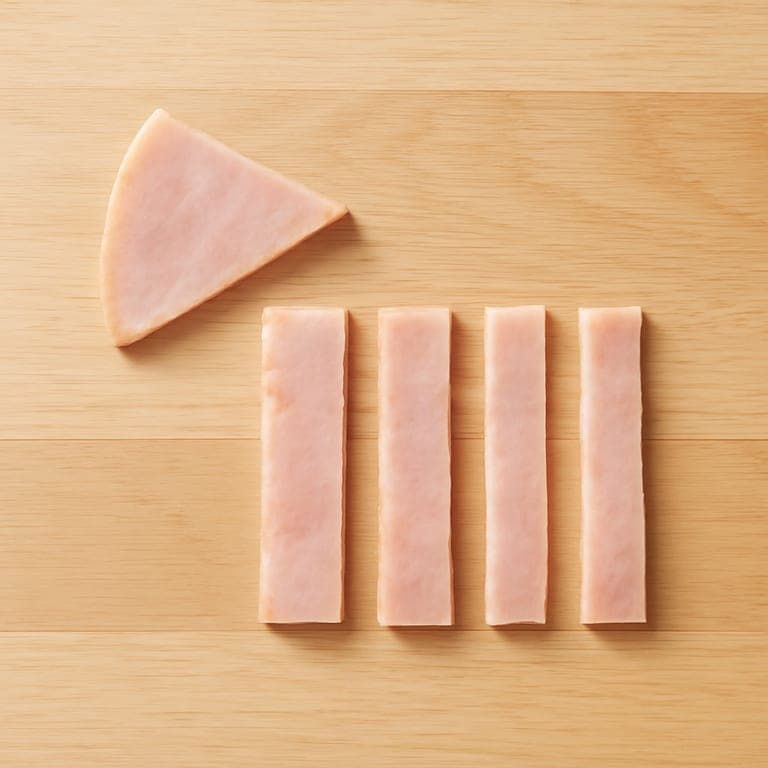
Even a tender meatball can be a small round mouthful that is difficult for a young child to manage. For a baby, shape the mix into soft, finger-shaped logs or flat patties before cooking, or cut cooked meatballs into thin strips. The NHS advises cutting meat into strips as thinly as possible, and avoiding round shapes and firm foods.
Meatballs made from raw mince must be cooked thoroughly, with the centre checked using a food thermometer rather than colour alone. Keep them moist and tender, leave out salt and stock cubes, and check the binders: egg, breadcrumbs and cheese add egg, wheat and milk, which the NHS lists among foods that can trigger allergic reactions.
Quick answer
Meat can be offered from around 6 months, once your baby is ready for solids. The NHS says protein foods such as meat "contain other useful nutrients, such as iron and zinc, which are important for babies". Soft, well-cooked mince shaped for your baby's skills is one way to serve it.
Select Baby's Age
6–8 months
Starting solids: soft logs or flat patties to hold
Mix the mince with something moist, such as finely grated cooked vegetable, and shape it into finger-sized logs or thin, flat patties. Simmer them in sauce or bake them until the centre reaches the safe time-and-temperature requirement for your type of minced meat; use a clean food thermometer rather than relying only on colour or juices. If you're serving round meatballs from a family batch, cut them into thin strips or press them flat. A piece should break apart easily when you squeeze it between your finger and thumb. If it's springy or dry, mash it into sauce and offer it on a spoon. Keep your baby upright in a highchair and stay with them.
6 month baby feeding schedule for more tips.
9–11 months
Picking up smaller pieces: small, thin, tender pieces
When your baby starts picking up small bits between finger and thumb, you can break or cut tender meatballs into small, thin pieces, or crumble them into a sauce. Keep offering logs or patties if they prefer to hold and bite. Avoid whole or halved meatballs, which keep the firm, rounded shape. Tough or dry meat is harder to chew at any size, so keep it moist.
12+ months
Confident chewers: bite-size pieces, still tender
As your child chews more confidently, they can try bite-size pieces of soft meatball at family meals, cooked without added salt. A whole meatball is still a firm, round chunk: the AAP lists chunks of meat among foods to avoid or modify for young children, and suggests keeping high-risk foods from children until 4 years or older, depending on each child's development. Keep cutting meatballs into small pieces or strips, and sit with your child while they eat.
When can babies have meatballs?
If your meatballs contain egg, breadcrumbs or cheese, it helps to have introduced each of those allergens on its own first. The NHS advises introducing foods that can trigger allergic reactions one at a time, so you can spot any reaction. Signs it lists include swollen lips or face, a red, itchy rash and being sick. The NHS says anaphylaxis "starts quickly and can cause breathing problems, a swollen throat or tongue, or a raised, itchy rash". It is a medical emergency: call your local emergency number.
See our first foods for baby guide for more ideas.
Meatball ideas for babies
These are preparation ideas, not independently kitchen-tested recipes. Keep mince fully cooked and moist; for younger babies, serve tender logs, flat patties or thin strips rather than whole balls.
- Turkey and grated courgette logs simmered in unsalted tomato sauce
- Beef and lentil patties, flattened and served in strips
- Chicken and sweet potato meatballs cut into thin strips
- Lamb meatballs crumbled into soft pasta with a smooth vegetable sauce
Explore our baby-led weaning food list and first foods for baby for more inspiration.
More Cutting Guides
Related Guides
View all feeding guidesFrequently Asked Questions
How do I keep meatballs soft without egg?
Finely grated cooked vegetables or a little mashed potato can add moisture without egg. Make a thin patty or log, cook all the way through and check the centre temperature with a clean food thermometer. Simmering the finished piece in a little sauce may help keep it moist. If it still feels firm or springy, break it into soft crumbles mixed into sauce instead of giving a whole shape.
Can I freeze meatballs for my baby?
Yes. The NHS advises defrosting frozen food in the fridge or with the microwave defrost setting, never at room temperature, and eating it within 24 hours. Reheat until steaming hot all the way through, let it cool, and reheat it only once.
Are shop-bought meatballs OK?
They can be, but check the label for salt and for binders such as wheat, egg or milk. The NHS says babies shouldn't eat much salt because it isn't good for their kidneys. Cook them through and cut them into thin strips or small pieces, just as you would homemade ones.
Sources & References
This guide is informed by current guidelines from leading health organizations:
- ●UK Food Standards Agency - Cooking your food Food Standards Agency
- ●FoodSafety.gov - Safe minimum internal temperatures FoodSafety.gov
- ●NHS - Preparing Food Safely for Babies NHS
- ●CDC — Choking Hazards (reviewed March 2026) CDC
- ●AAP - Choking Prevention AAP
- ●NHS - Meat in your diet (cooking meat safely) NHS
- ●NHS - Feeding your baby from around 6 months NHS
- ●NHS - Food Allergies in Babies NHS
- ●NHS - Foods to Avoid Giving Babies NHS
- ●NHS - Storing and reheating baby food NHS
- ●NHS — Choking and Gagging on Food NHS
- ●NHS - How to stop a child from choking NHS
