How to Cut Steak for Baby
Last updated October 2026
Beef can supply haem iron, zinc and protein once a baby is ready for solids, usually around six months. Steak needs two separate checks: cook the cut to the appropriate food-safe temperature, then make sure the meat is moist and easy for a young eater to break down. A correctly cooked steak can still be too tough to swallow.
Under US USDA guidance, an intact steak should reach 63°C (145°F) measured with a thermometer and rest for at least three minutes. Ground beef needs 71°C (160°F). Colour and clear juices are not reliable tests. For a baby, very tender braised, finely shredded or minced moist beef is often more practical than a firm steak strip.
Quick answer
Once ready for solids around six months, a baby can try beef in a soft, moist form. Cook whole steak and ground beef according to the correct category of meat; the two USDA minimums are different.
Select Baby's Age
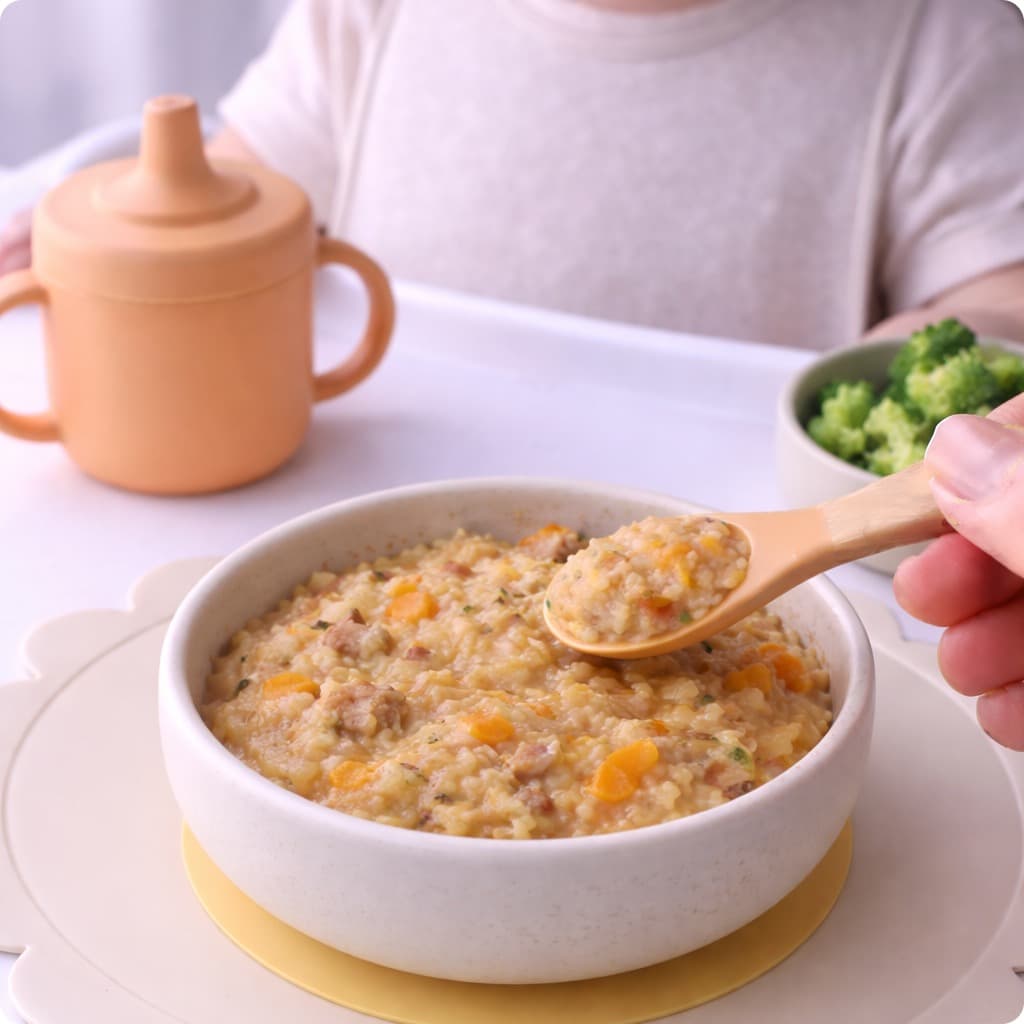
6–8 months
Early eaters: moist minced or finely shredded beef
Cook the intact steak to at least the local recommended safe temperature (USDA: 63°C / 145°F with three minutes of rest) or ground beef to 71°C / 160°F. For a first taste, use very tender braised beef, finely shred or mince across the grain, remove tough fibres and mix with a familiar moist vegetable mash. Do not rely on a large steak strip to provide iron without a swallowing risk.
6 month baby feeding schedule for more tips.
9–11 months
Developing finger skills: tender shreds and soft mince
Choose meat that pulls apart easily and is moist throughout. Slice against the grain, finely shred or mince and mix with a little unsalted sauce or mash. A child using the pincer grasp is not automatically ready for firm chickpea-size steak cubes. Avoid hard edges, fibrous strips and dried-out pieces.
12+ months
Toddlers: assess the actual meat, not a fixed cube size
Offer properly cooked, very tender beef cut across the grain and shredded or chopped into manageable moist pieces. Continue removing gristle and chewy fat; do not presume that all 12-month-olds can swallow steak cubes. Ground beef still requires its own cooking temperature check.
When can babies eat steak?
Use a food thermometer: USDA lists 63°C / 145°F plus a three-minute rest for intact steaks, chops and roasts and 71°C / 160°F for ground beef. National guidance can differ; verify local recommendations. A pink centre or lack of pink is not a substitute for a thermometer.
Trim away gristle, silverskin, bones, chewy fat and hard browned edges. Beef is not a principal allergen, so a universal three-day wait after a first taste is not required. Severe or persistent symptoms still deserve medical advice.
See our first foods for baby guide for more ideas.
Steak recipe ideas for babies
Once your baby is comfortable with plain steak, try these simple, baby-friendly ways to serve it.
- Rested steak strips cut across the grain, served with soft avocado wedges for easy gnawing.
- Slow-braised chuck steak shredded into juicy pieces and stirred through mashed sweet potato.
- Finely minced tender steak folded into unsalted mashed potato with a spoonful of pan juices.
- Soft steak and vegetable stew, simmered low and slow until the meat shreds at the touch of a fork.
Explore our baby-led weaning food list and first foods for baby for more inspiration.
More Cutting Guides
Related Guides
View all feeding guidesFrequently Asked Questions
Can a six-month-old have steak?
A baby ready for solids can try properly cooked beef, but very tender finely shredded or minced moist beef is generally easier to manage than a chewy steak strip.
What is the safe cooking temperature for steak versus ground beef?
Under USDA guidance, whole steak reaches 63°C (145°F) and rests at least three minutes; ground beef reaches 71°C (160°F). Check with a thermometer and follow local advice.
Does medium-well or no pink mean steak is safe?
No. Appearance is not a reliable thermometer. Safe cooking and a manageable soft texture are two different requirements.
Should I give a large steak strip for babies to gnaw?
There is no universally safe steak strip. Dry, fibrous meat can be difficult to manage; moist finely shredded or minced preparations are a practical alternative.
Sources & References
This guide is informed by current guidelines from leading health organizations:
- ●USDA FSIS — Safe Temperatures for Whole and Ground Beef USDA
- ●CDC — Choking Hazards (reviewed March 2026) CDC
- ●NHS - Your Baby's First Solid Foods NHS
- ●AAP - Iron Needs for Babies and Toddlers AAP
