How to Prepare Pork for Baby
Last updated October 2026
Babies ready for solids, usually around six months, may try pork when it is cooked safely and offered in a tender, moist texture. Choose fresh ground pork or a whole cut you can braise until it shreds easily; remove bones, skin, tough fat and gristle.
Use a food thermometer, not pork colour, to check doneness. Under US guidance, ground pork reaches 71°C (160°F); whole pork chops and roasts reach 63°C (145°F) followed by a three-minute rest. Safe cooking temperature and easy-to-chew texture are separate checks.
Quick answer
Pork can be part of complementary feeding from around six months when a baby has the skills for solids. It supplies protein, iron and zinc; actual amounts vary by cut and preparation. Pork is one of several optional iron-containing first foods.
Select Baby's Age
6–8 months
Beginning solids: moist mince or soft shreds
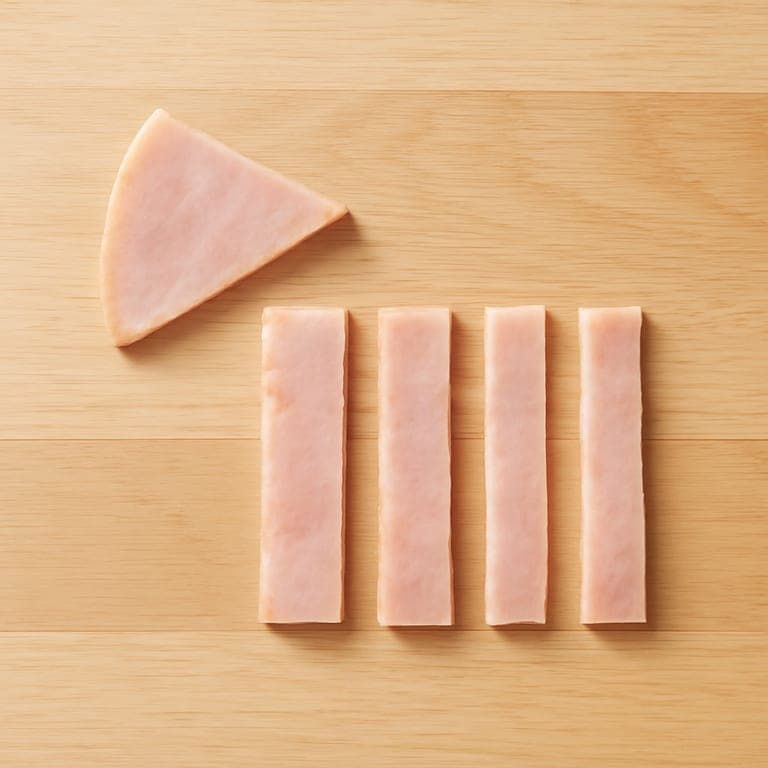
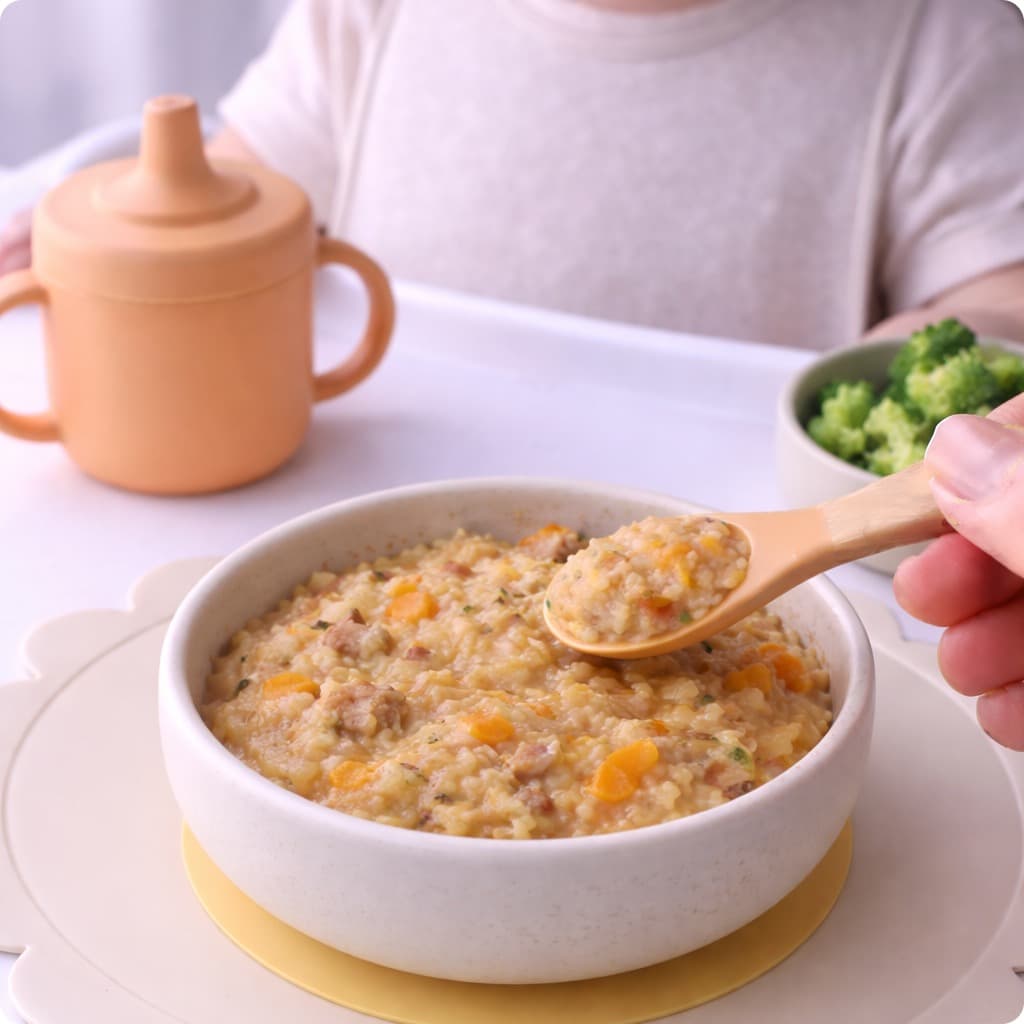
Cook lean ground pork to its proper temperature or slowly braise a whole boneless cut until it pulls apart easily. Remove skin, bones, gristle and chewy fat. Finely mince or shred, then moisten with unsalted cooking liquid or vegetable mash. A preloaded spoon can work for a beginner. If offering a graspable piece, check it breaks down easily rather than presenting springy strips. Cool to eating temperature and supervise while seated.
6 month baby feeding schedule for more tips.
9–11 months
Developing grasp: tender crumbles and finely shredded pork
If your baby handles small soft pieces, offer fully cooked pork mince or very tender finely shredded meat in a moist vegetable sauce or mash. Check every spoonful for dry fibres and remove anything chewy; cutting a hard piece into a one-centimetre cube does not remove its choking risk. Keep the food unsalted and let actual chewing skills guide texture.
12+ months
Toddler meals: soft pork in family dishes
A toddler may manage moist pulled pork, unsalted pork-and-vegetable stew or a tender mince sauce. Check for tough fat, skin, gristle and bones. A first birthday does not make stiff pork chops, processed sausages or salty bacon suitable by default. Cut or shred to a texture that your child can manage, and keep meals seated and supervised.
When can babies have pork?
Follow local cooking guidance and use a food thermometer. US minimum temperatures are 71°C (160°F) for ground pork and 63°C (145°F) plus a three-minute rest for whole cuts. Cook a braising cut longer as needed for fork-tender shredding; meat that is safely cooked can still be too chewy for an early eater.
See our first foods for baby guide for more ideas.
Ways to serve cooked pork
Moist, unsalted food ideas, not kitchen-tested recipes.
- Slow-braised pork shredded through unsalted sweet potato mash
- Fully cooked lean pork mince with soft carrots and tomato
- Tender pulled pork in a soft vegetable stew
- Moist pork mince mixed with well-cooked pasta
Explore our baby-led weaning food list and first foods for baby for more inspiration.
More Cutting Guides
Related Guides
View all feeding guidesFrequently Asked Questions
How do I check pork is cooked enough?
Use a thermometer, not colour or juices. US minimums are 71°C (160°F) for ground pork and 63°C (145°F) plus a three-minute rest for whole cuts; check applicable local guidance.
Is a cooked pork chop automatically soft enough?
No. Safe temperature and chewable texture are different. Choose very tender braised shreds or moist cooked mince for an early eater.
Can I offer pulled pork?
Yes, if fully cooked, very tender, moist and free of bones, tough fibres and salty barbecue sauce. Adjust the texture to your child's eating skills.
What about bacon or sausages?
These are often salty or chewy, and some shapes present choking concerns. A plain fresh pork preparation is generally a more practical choice for a baby's meal.
Sources & References
This guide is informed by current guidelines from leading health organizations:
- ●USDA FSIS - Safe Minimum Internal Temperatures USDA
- ●NHS - Preparing Food Safely for Babies NHS
- ●CDC — Choking Hazards (reviewed March 2026) CDC
- ●NHS - Your Baby's First Solid Foods NHS
- ●NHS - Foods to Avoid Giving Babies NHS