How to prepare beef for your baby
Last updated October 2026
Beef can be offered once a baby is ready for solids, usually around six months. Cook it to a verified safe temperature, remove bones and tough parts, then offer moist minced or finely shredded beef mixed into soft food. Avoid chewy chunks and thick steak pieces.
The NHS advises cutting meat into strips as thinly as possible and removing skin, fat and bones. A tender strip may suit some self-feeders, but the baby's actual ability to manage it matters more than a fixed age or strip width.
Quick answer
From around six months, when a baby is developmentally ready for solids, beef can contribute iron and zinc. It is not required as a first food, but it can be one of several iron-rich options in a varied complementary diet.

Select Baby's Age
6–8 months
Beginning solids: moist mince or finely shredded beef
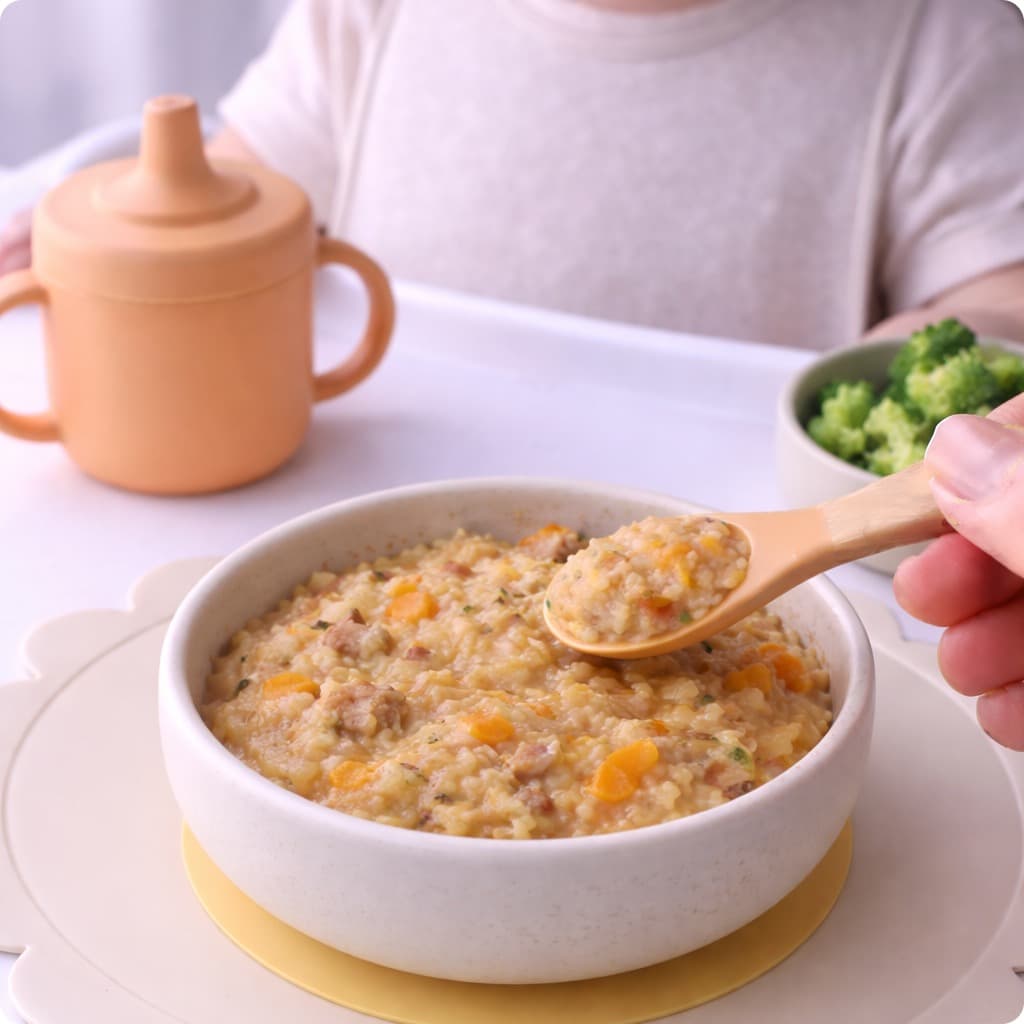
Cook lean ground beef to the appropriate verified temperature, or braise a whole cut until tender after reaching its safe minimum temperature. Remove bone, gristle, skin and excess fat. Finely mince or shred and moisten with unsalted cooking liquid or vegetable mash; a preloaded spoon is another option. If trying a strip for self-feeding, use thoroughly tender meat sliced thinly and watch how your baby manages it. If a chewy piece breaks away or they struggle to move the food, switch to soft mince or shreds. Cool to a suitable eating temperature and supervise a seated meal.
6 month baby feeding schedule for more tips.
9–11 months
Picking up pieces: soft crumbles and shreds
Once your baby can pick up smaller soft pieces, try moist ground beef crumbles or very finely shredded braised beef mixed into mash, rice or a soft sauce. Test that the cooked meat breaks apart easily with a fork; if it stays springy, chewy or dry, cook and shred it further instead of relying on smaller cuts alone. Avoid round intact meatballs and hard or gristly chunks.
12+ months
Toddlers: small, tender pieces in family meals
Toddlers may eat soft beef in stews, bolognese or other family dishes, but a first birthday does not make thick or chewy steak pieces safe. Shred, mince or cut genuinely tender beef into manageable pieces according to chewing skills. Remove bones and gristle, keep the meat moist, and portion out food before adding excess salt.
When can babies have beef?
Use a food thermometer rather than pink colour or clear juices to check doneness. Under US FoodSafety.gov guidance, ground beef reaches 71°C (160°F); whole steaks, roasts and chops reach 63°C (145°F) followed by a three-minute rest. Local food-safety advice may differ. Doneness alone does not make beef easy to chew: braise or slow-cook until genuinely tender and keep it moist.
See our first foods for baby guide for more ideas.
Ways to serve beef
Tender, unsalted and shredded, minced or thinly sliced.
- Slow-cooked beef shredded into mashed potato and carrot
- Beef mince simmered with tomatoes and vegetables, stirred through soft pasta
- Homemade unsalted beef meatballs, broken into small pieces
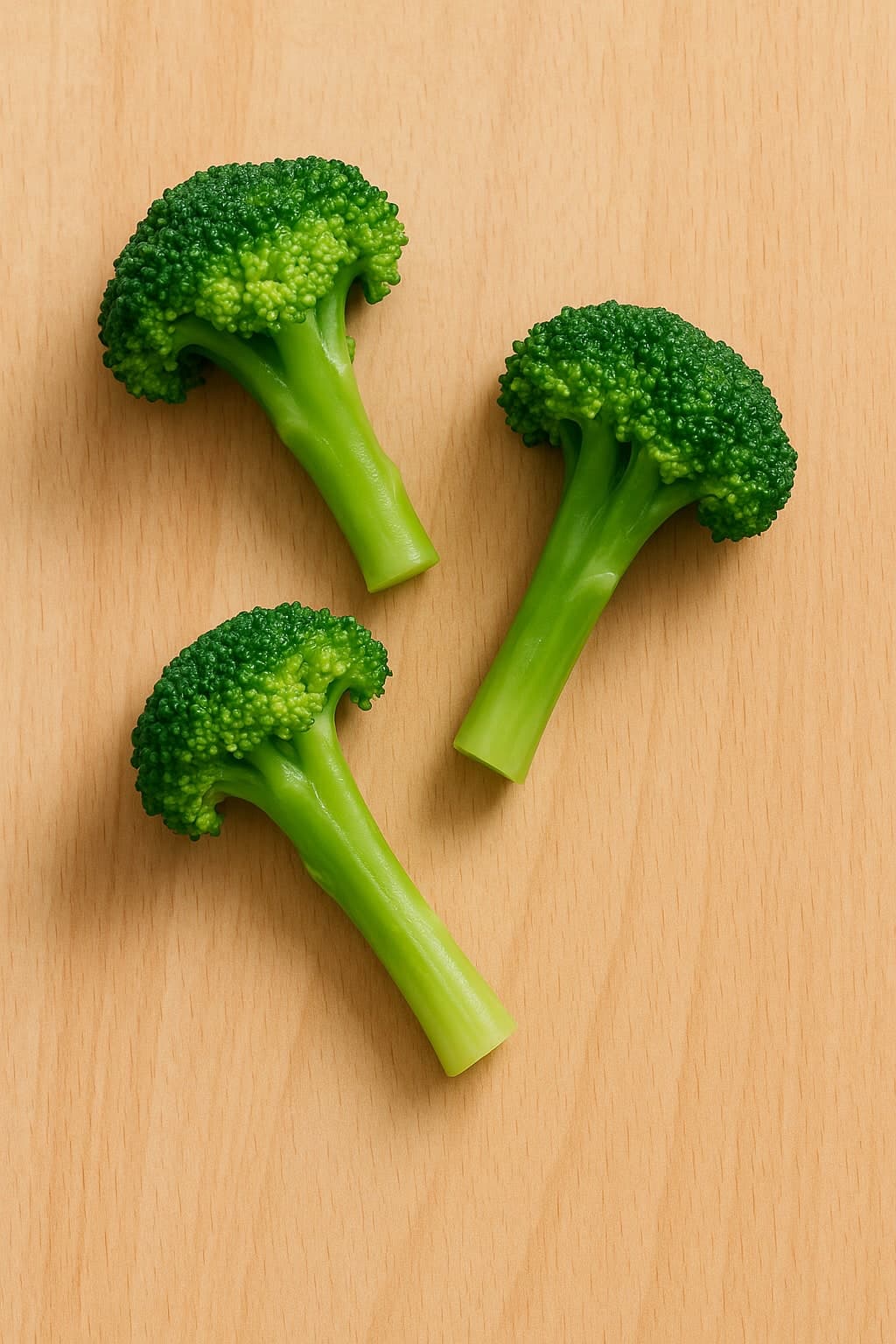
- Thin strips of tender braised beef with soft-cooked broccoli
Explore our baby-led weaning food list and first foods for baby for more inspiration.
More Cutting Guides
Related Guides
View all feeding guidesFrequently Asked Questions
Why thin strips rather than a thick one?
The NHS advises strips sliced as thinly as possible and the CDC warns about tough or large meat chunks. Thickness alone does not guarantee safe swallowing: cooked beef must also be very tender, moist and appropriate for the child's skills. Soft mince or shreds are alternatives.
My baby gags on beef. Should I stop?
Gagging can happen as a baby learns to handle textures, but frequent difficulty with beef may mean the food is too dry or chewy. Try a softer moist mince or mash. If your child repeatedly coughs, chokes or struggles with swallowing, seek advice from a health professional; breathing difficulty is an emergency.
Is mince as good as a strip?
Yes. It's the same beef, with the same iron and protein; the shape is only about what your baby can handle. Many babies manage well-cooked mince or shreds before they can deal with a strip.
Which cuts of beef work best?
Lean mince, and cuts meant for slow cooking, such as braising or stewing steak, which become soft enough to pull apart with a fork. Quick-cooking steak is harder to make tender enough; if you use it, slice it as thinly as possible after cooking.
Sources & References
This guide is informed by current guidelines from leading health organizations:
- ●USDA FSIS — Safe Temperatures for Whole and Ground Beef USDA
- ●NHS - Preparing Food Safely for Babies NHS
- ●NHS - Feeding your baby from around 6 months NHS
- ●CDC — Choking Hazards (reviewed March 2026) CDC
- ●CDC - Safer Food Choices CDC
- ●CDC - Iron (Infant and Toddler Nutrition) CDC
- ●NHS - Meat in your diet NHS
- ●NHS - Foods to Avoid Giving Babies NHS
- ●NHS - Salt in your diet NHS
- ●NHS — Choking and Gagging on Food NHS
- ●NHS - How to stop a child from choking NHS