How to cut watermelon for your baby
Last updated October 2026
Cut ripe watermelon into long sticks or flat slices with all the rind and the hard black seeds removed. The NHS advises cutting fruit like melon into slices instead of small chunks, and the CDC lists uncut melon balls among the foods that can cause choking in young children.
Fully ripe watermelon flesh can be soft but slippery. If a strip collapses or your baby cannot manage it, offer mashed flesh on a spoon instead. Remove the firm rind and hard seeds, and avoid small round balls or chunks that can be swallowed whole.
Quick answer
From around 6 months, once your baby has started solid foods. The NHS includes melon in its list of first fruits, and gives slices of soft fruit such as melon as an example of a finger food.
Select Baby's Age
6–8 months
Starting solids: long sticks, rind and seeds off
Before cutting, scrub the whole rind under running water with a clean produce brush, even though you will discard it; the FDA advises washing produce before peeling or cutting so contamination is not transferred from the surface. With a clean knife and board, cut a slice, lay it flat and cut away all the rind, including the paler, firmer layer between the green skin and the red flesh. Cut the flesh into sticks long enough for your baby to hold in their fist with a bit sticking out, and wide enough that they don't fall apart straight away. Pick out every hard black seed you can see; the NHS says to always remove hard pips from fruit. Your baby will squash and suck the stick more than bite it at first, which is fine. If you're spoon-feeding, you can mash seedless watermelon with a fork and serve it straight away, as it turns watery quickly.
6 month baby feeding schedule for more tips.
9–11 months
Picking up smaller pieces: thinner strips and flat slices
When your baby starts picking food up between finger and thumb, you can offer thinner strips and small, flat slices alongside longer sticks. Keep pieces flat and thin rather than cubed or balled, keep cutting off every bit of rind, and keep checking for hard seeds, which are easy to miss inside a strip.
12+ months
Toddlers: slices still beat chunks
Toddlers can bite pieces off a larger slice, so a thin wedge with the rind cut away, or flat slices, work well. The NHS advice to cut melon into slices rather than small chunks applies to young children too, and uncut melon balls stay on the CDC's list of choking hazards. Keep your toddler sitting down while they eat, and stay with them.
When can babies eat watermelon?
Watermelon isn't on the NHS list of foods that commonly trigger allergic reactions, so you can introduce it like any other fruit. Serve it plain and ripe, at fridge or room temperature rather than frozen hard.
See our first foods for baby guide for more ideas.
Simple ways to serve watermelon
Ripe, plain and cut into sticks or slices is all it needs.
- Watermelon sticks alongside a soft breakfast such as scrambled egg or toast fingers
- Mashed seedless watermelon stirred into plain full-fat yoghurt
- Watermelon sticks with soft ripe mango slices
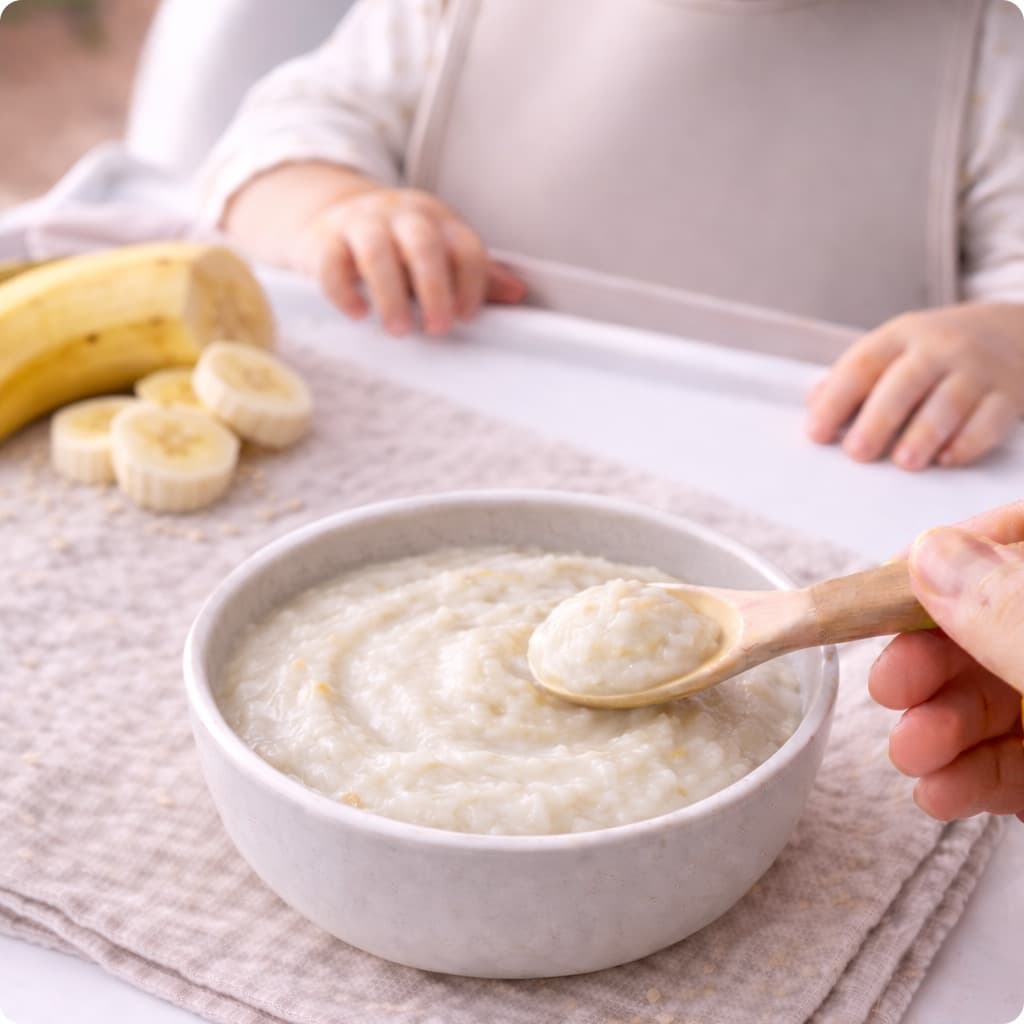
- Watermelon mashed with ripe banana, served straight away
Explore our baby-led weaning food list and first foods for baby for more inspiration.
More Cutting Guides
Related Guides
View all feeding guidesFrequently Asked Questions
Why sticks and slices rather than cubes?
Because the NHS advises cutting fruit like melon into slices instead of small chunks, and the CDC lists uncut melon balls as a choking hazard for young children. Long sticks are also easier for a young baby to hold, since babies starting solids pick food up with their whole hand.
Can I leave the rind on as a handle?
We'd cut it off. The rind and the pale layer under it are much firmer than the flesh, and the NHS advises removing hard skin from fruit and avoiding hard foods for babies. A stick of flesh that's long and wide enough gives your baby plenty to hold.
Do I need to remove the small white seeds in seedless watermelon?
The NHS advice is to remove hard pips. The small white seed coats in seedless watermelon are usually soft, but press one between your fingers: if it feels hard, pick them out like black seeds. Black seeds should always come out.
Sources & References
This guide is informed by current guidelines from leading health organizations:
- ●NHS - Preparing Food Safely for Babies NHS
- ●NHS - Feeding your baby from around 6 months NHS
- ●NHS - Your Baby's First Solid Foods NHS
- ●CDC — Choking Hazards (reviewed March 2026) CDC
- ●NHS - Food Allergies in Babies NHS
- ●NHS - How to stop a child from choking NHS
- ●FDA - Selecting and Serving Produce Safely FDA
