How to Cut Peach for Baby
Last updated October 2026
Wash a peach, remove its hard stone and check whether the flesh is soft enough to mash between your fingers. A very ripe peach can be served as manageable soft wedges or mashed; a firm peach needs to be softened first.
Peach skin can be chewy or slippery. Peel it when your baby struggles with it, and avoid treating a photograph or age-labelled size as proof of safe preparation.
Quick answer
Soft ripe peach can be offered once a baby is ready for solids, generally around six months. The NHS names peach among suitable fruits and advises removing hard stones and preparing texture to match a child's skills.

Select Baby's Age
6–8 months
Beginning eater: peeled soft wedge or mashed peach
Wash the peach, cut all the way around the stone, remove the stone and any hard fragments, and check the flesh. Offer a soft, graspable lengthwise wedge if it squashes readily and the child can hold and manage it, or mash the ripe flesh. If the skin pulls away as a tough strip, peel it. Steam firmer peaches until the flesh mashes easily. Slipperiness and actual ability matter more than the calendar age.
6 month baby feeding schedule for more tips.
9–11 months
Pincer grasp: tender peach pieces when manageable
When the baby uses thumb and forefinger reliably, offer smaller tender peach pieces or keep a soft wedge if that is easier to hold. Remove the stone completely and consider peeling skin that separates in chewy strips. The flesh should yield under gentle finger pressure; if it does not, cook it first. Do not offer a hard peach chunk.
12+ months
Toddler: soft wedges and bite-size peach pieces
A toddler who manages varied textures can have ripe peach wedges or small soft pieces, with all stone fragments removed. Skin can be left only if it is soft and manageable for that child; peel firm or stringy skin. Continue supervising seated eating, and soften unripe fruit instead of assuming raw peach is appropriate after the first birthday.
When can babies try peaches?
If the flesh is firm, gently steam or simmer the peeled fruit until soft. Avoid offering firm raw chunks merely because a child has reached a particular age.
Peaches are not among the common priority allergens, but any food can cause a reaction. If you notice concerning symptoms, stop feeding and seek appropriate clinical advice.
See our first foods for baby guide for more ideas.
Peach serving ideas for babies
These are simple uses for genuinely soft, pitted peach; they are not independently tested recipes.
- Soft peeled peach mashed into plain porridge
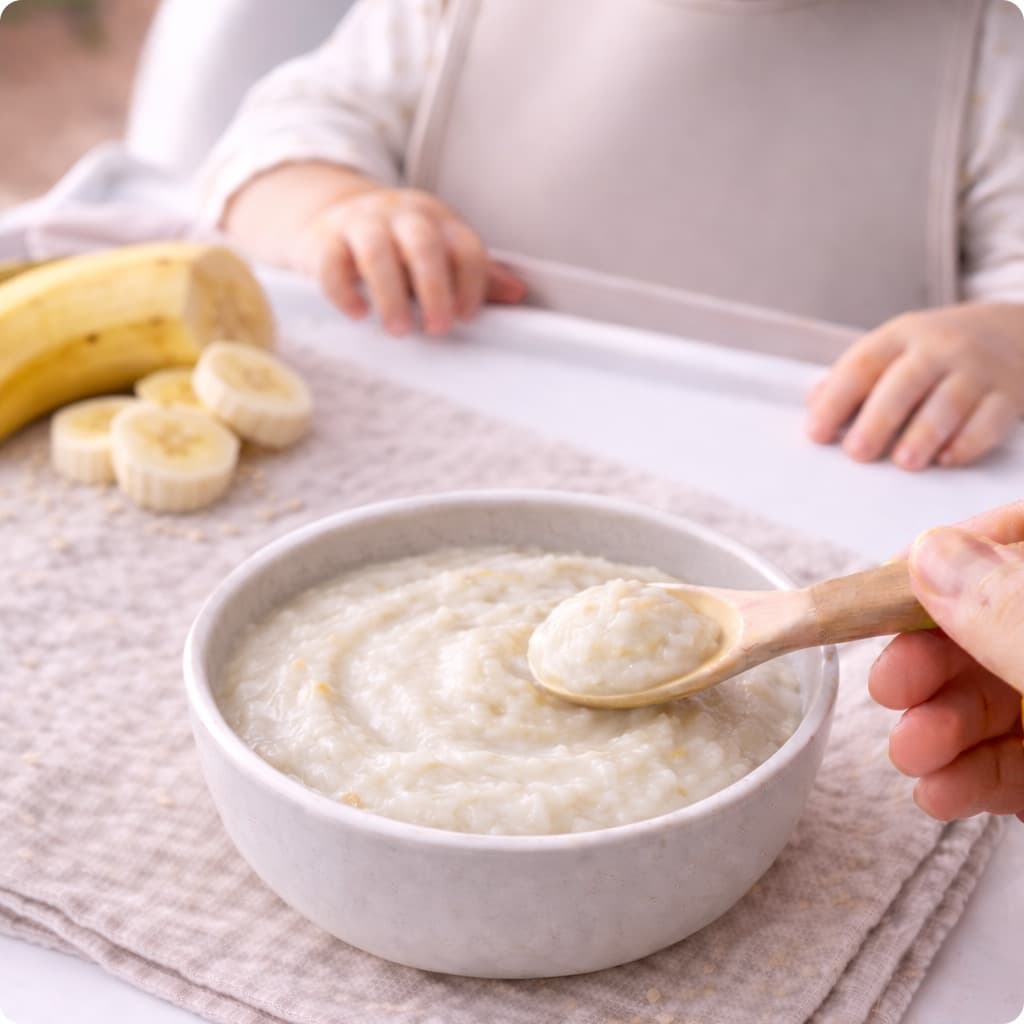
- Ripe peach mashed with banana
- Soft stewed peach without added sugar
- Peeled ripe peach served as a mashable wedge
Explore our baby-led weaning food list and first foods for baby for more inspiration.
More Cutting Guides
Related Guides
View all feeding guidesFrequently Asked Questions
Do I need to peel peaches for my baby?
Peeling is useful for a beginner if skin feels tough, chewy or separates in strips. Soft skin may be manageable later; judge the actual fruit and child's skills.
Does a firm peach need cooking?
Yes for an early eater who cannot manage firm fruit. Steam or simmer until the flesh squashes easily, then cool before serving.
Can I use canned peaches?
Choose fruit packed without added sugar or syrup, check that it is soft, drain as needed and remove any firm pieces. Fresh or cooked plain peach also works.
Should I cut peach into tiny cubes for a six-month-old?
Not automatically. A soft graspable wedge or mash may be easier for a beginning eater; change the presentation as self-feeding skills develop.
Sources & References
This guide is informed by current guidelines from leading health organizations:
- ●NHS - Your Baby's First Solid Foods NHS
- ●NHS - Preparing Food Safely for Babies NHS
- ●NHS - Feeding your baby from around 6 months NHS
- ●CDC — Choking Hazards (reviewed March 2026) CDC
