Transitioning from Purees: Helping Baby Advance Textures
Last updated May 2026
Learn when and how to move beyond purees and build safe chewing skills step by step.
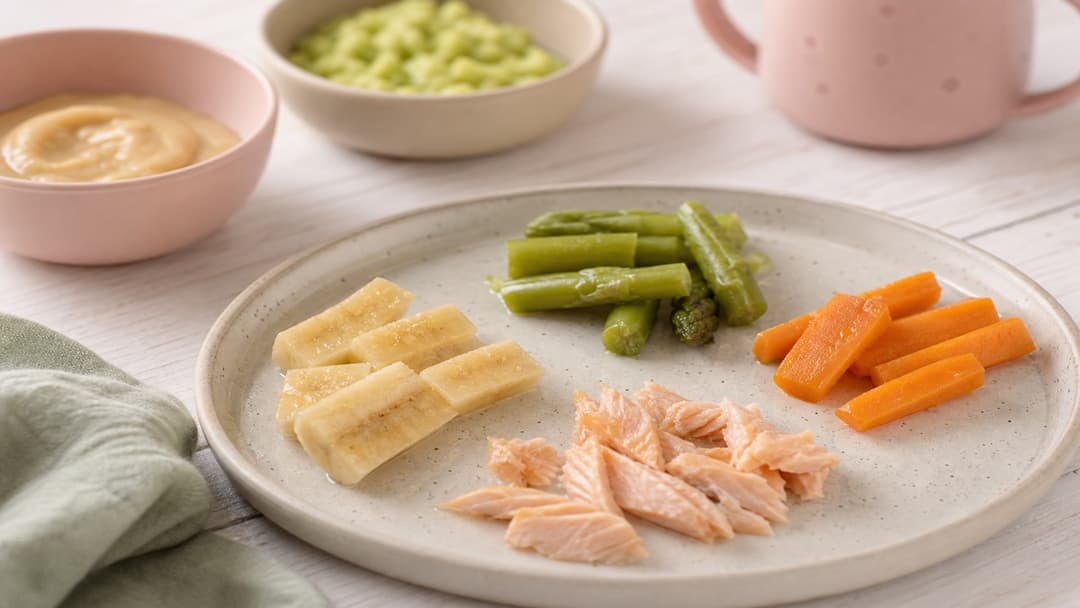
If your baby has been happily eating smooth purees, you might be wondering when it is time to move on. The transition from purees is a key milestone in your baby’s feeding journey, helping them learn how to chew, manage different textures, and join family meals. It can feel nerve-wracking, especially when lumps trigger gagging or refusal.
Most babies are ready to begin texture progression around 6–8 months, but readiness matters more than age alone. Guidance from organisations like the NHS and AAP emphasises offering a variety of textures early to support oral motor development and reduce picky eating later on. There is no need to rush, but waiting too long can make textures harder to accept.
This guide walks you through clear signs of readiness, a step-by-step transition plan, and practical tips for handling gagging and refusal. You will also find specific food ideas and portion guidance so you can move forward with confidence and keep mealtimes positive.
Key takeaways
- Most babies are ready for textures around 6–8 months.
- Introduce lumps gradually, starting with mashed foods.
- Gagging is normal; choking is rare but serious.
- Early texture exposure supports chewing and reduces picky eating.
- Offer soft, safe finger foods alongside purees.
- Repeated exposure helps babies accept new textures.
- Avoid delaying textures beyond 9–10 months.
Signs Baby Is Ready
Babies do not all progress at the same pace, but there are consistent developmental signs that show readiness for textured foods. Around 6–8 months, many babies can sit upright with minimal support, bring food to their mouth, and show interest in what others are eating. These skills are more important than age alone when deciding to transition from purees.
Another key sign is how your baby handles food in their mouth. If they can move puree around with their tongue rather than pushing it out, and seem curious about grabbing or chewing soft foods, they are likely ready. The NHS notes that introducing lumps by around 7–9 months helps babies adapt more easily to different textures later.
- Sits upright with good head and neck control
- Shows interest in family foods
- Opens mouth for spoon or reaches for food
- Moves food side to side in the mouth
- Reduced tongue-thrust reflex
Why Texture Progression Matters
Texture progression is not just about variety-it supports critical oral motor development. Learning to chew strengthens the jaw, tongue, and facial muscles needed for eating and later speech. According to the AAP, delaying textured foods beyond 9–10 months may increase the risk of feeding difficulties and selective eating.
Exposure to different textures also helps babies accept a wider range of foods. When babies only eat smooth purees for too long, they may become sensitive to lumps or mixed textures. Offering soft, mashed, and finger foods early helps normalise these sensations and builds confidence at mealtimes.
- Supports chewing and jaw strength
- Encourages acceptance of new foods
- Reduces risk of picky eating later
- Builds self-feeding skills
- Prepares for family meals
Step-by-Step Transition Plan
Start by slightly thickening your baby’s usual purees. You can mash foods instead of blending them completely, leaving very soft, small lumps. For example, move from smooth carrot puree to mashed carrot with a few tiny soft pieces. Offer 2–3 tablespoons per serving and let your baby explore the new texture at their own pace.
Next, introduce soft finger foods alongside mashed meals. Foods like steamed carrot sticks, soft avocado slices, or ripe banana pieces allow your baby to practice chewing and self-feeding. The WHO recommends responsive feeding-watch your baby’s cues and avoid forcing bites, especially when textures are new.
Gradually increase texture over weeks, not days. Move from mashed to finely chopped, then to small soft pieces. By 8–10 months, many babies can handle soft family foods cut into pea-sized pieces. Continue offering familiar foods alongside new textures to build confidence.
- Stage 1: Thick, slightly lumpy purees
- Stage 2: Mashed foods with soft lumps
- Stage 3: Soft finger foods
- Stage 4: Finely chopped family foods
Handling Gagging vs Choking
Gagging is a normal and protective reflex when babies learn new textures. It often looks dramatic-coughing, red face, or tongue thrusting-but it helps prevent choking by bringing food forward. Gagging is especially common when transitioning from purees and usually improves with repeated exposure.
Choking, on the other hand, is silent and serious. Signs include inability to breathe, weak or no coughing, and bluish skin. Understanding the difference is crucial so you can stay calm during gagging but act quickly if choking occurs. The NHS and AAP both recommend learning basic infant first aid before starting solids.
- Gagging: noisy, coughing, baby recovers quickly
- Choking: silent, difficulty breathing, needs immediate help
- Always supervise meals closely
- Ensure foods are soft and appropriately sized
- Avoid high-risk foods like whole nuts or raw apple chunks
Foods to Introduce Next
When transitioning from purees, focus on soft, easy-to-mash foods that break down safely in the mouth. Cooked vegetables like carrot, sweet potato, and broccoli should be soft enough to mash between your fingers. Fruits such as ripe banana, pear, and avocado are naturally soft and ideal for early texture exposure.
Protein-rich foods can also be introduced in soft forms. Try scrambled eggs, flaked fish (check for bones), or shredded chicken mixed with a little broth. Offer small portions, around 2–4 tablespoons per meal, and allow your baby to self-feed when possible to build coordination and confidence.
- Mashed sweet potato or lentils
- Soft scrambled egg
- Ripe banana or avocado slices
- Steamed carrot or zucchini sticks
- Flaked salmon or soft chicken pieces
What If Baby Refuses Texture?
It is very common for babies to refuse lumps at first. This does not mean they are not ready-it often just means the texture is unfamiliar. Continue offering small amounts of textured food alongside smooth favourites. Repeated exposure, sometimes 10–15 times, helps babies accept new textures over time.
Avoid pressuring your baby to eat, as this can create negative associations. Instead, model eating the same foods and keep mealtimes relaxed. If refusal persists beyond a few weeks or your baby gags excessively with all textures, consider speaking with a paediatrician or feeding specialist for tailored guidance.
- Offer textures alongside familiar purees
- Repeat exposure without pressure
- Let baby self-feed when possible
- Keep portions small and manageable
- Seek help if refusal is persistent
Common Mistakes to Avoid
One common mistake is delaying textured foods for too long. Waiting beyond 9–10 months can make babies more resistant to lumps and mixed textures. Another is offering textures that are too advanced too quickly, which can lead to gagging and anxiety for both parent and baby.
It is also important to avoid relying only on pouches or very smooth foods. These do not help develop chewing skills. Instead, aim for a variety of textures and encourage self-feeding. Always prepare foods safely-soft, appropriately sized, and free from choking hazards.
- Waiting too long to introduce lumps
- Jumping straight to hard or chunky foods
- Overusing smooth purees or pouches
- Not supervising meals closely
- Offering unsafe food sizes or textures
Building Chewing Skills
Chewing is a learned skill that improves with practice. Offer a mix of textures at each meal, including soft finger foods that encourage biting and chewing. Even before teeth appear, babies can mash food using their gums. Repetition and variety are key to building confidence and coordination.
Encourage your baby to explore food with their hands and mouth. Self-feeding supports motor development and helps babies learn how much food to take. Sit and eat together when possible-babies learn by watching. Over time, you will see smoother chewing, less gagging, and more enjoyment of a wider range of foods.
- Offer finger foods daily
- Allow self-feeding and exploration
- Eat together as a family
- Repeat textures regularly
- Progress gradually, not suddenly
Frequently Asked Questions
When should I transition from purees?
Most babies are ready between 6–8 months when they can sit upright and show interest in food. Readiness cues matter more than age.
What if my baby gags on textured food?
Gagging is normal and helps protect against choking. Stay calm and continue offering soft textures regularly to build skills.
How do I introduce lumps safely?
Start with very soft mashed foods and gradually increase texture. Ensure foods are soft enough to mash between your fingers.
Can I skip purees and go straight to finger foods?
Yes, many families use baby-led weaning. Just ensure foods are soft, safe, and your baby shows readiness signs.
What foods should I avoid during texture progression?
Avoid hard, round, or sticky foods like whole nuts, raw apple chunks, and whole grapes due to choking risk.
Why does my baby refuse lumpy food?
Texture refusal is common and often due to unfamiliarity. Repeated, pressure-free exposure helps babies accept new textures.
How long does it take to transition from purees?
It varies, but most babies progress over a few weeks to months with consistent exposure and gradual texture changes.
Do babies need teeth to chew textured foods?
No, babies can chew soft foods using their gums. Teeth are not required for early texture progression.
How much textured food should I offer?
Start with 2–3 tablespoons and follow your baby’s hunger cues. Increase gradually as acceptance grows.
When should I worry about texture refusal?
If refusal continues beyond a few weeks or your baby struggles with all textures, consult your paediatrician.
verifiedSources & References
This guide is informed by current guidelines from leading health organizations:
Get step-by-step texture plans with the Nibli feeding app
Discover personalised texture progression plans, meal ideas, and safe food prep tips tailored to your baby’s stage. Build confidence and make mealtimes easier with Nibli.