When can babies eat lentils?
Most babies are ready for solids, including lentils, at around 6 months of age. Look for the key readiness signs before you start: your baby can hold their head steady, sits up with little or no support, shows interest in your food, and can move food to the back of the mouth to swallow rather than pushing it straight back out. Every baby develops at their own pace, so follow your child's cues and check with your pediatrician if you are unsure.
Lentils are a great early protein because they cook down soft, mash easily, and have a mild flavor that pairs well with vegetables and grains your baby already enjoys. There is no need to wait to introduce them, and you do not need to hold off on this or other foods to avoid allergies. Start with a smooth, well-cooked texture and gradually move toward thicker mashes and soft whole lentils as your baby's chewing and self-feeding skills grow.
How to serve lentils safely
From 6 to 9 months, cook lentils until they are completely soft, then mash thoroughly or blend into a smooth puree. Red and yellow lentils break down into a creamy texture that works well for this stage, and you can thin the mash with breast milk, formula, or a little water for a spoonable consistency. Mix lentils into pureed vegetables, mashed sweet potato, or soft cooked grains for a balanced meal, and let your baby try scooping from a preloaded spoon to practice self-feeding.
From 9 to 12 months and beyond, you can offer softer, thicker mashes and well-cooked whole lentils as your baby develops their pincer grasp and can pick up small pieces. Make sure each lentil is squishable between your fingers so it is easy to gum and swallow. Stir lentils into soft pasta, mash them onto strips of soft toast, or fold them into veggie patties. Always serve lentils soft and tender, never firm or undercooked, and keep portions small as your baby learns to manage textures.
Nutritional benefits for babies
- 💚Plant-based iron, which supports healthy growth and brain development during a stage when iron needs are high
- 💚Protein to help build and repair growing muscles and tissues
- 💚Dietary fiber that supports healthy digestion and regular bowel movements
- 💚Folate, an important B vitamin for cell growth and development
- 💚Potassium and magnesium, minerals that support nerve and muscle function
- 💚A soft, mashable texture that makes them easy to pair with iron-boosting vitamin C foods like tomatoes or peppers
Safety considerations
- ✓Lentils are not among the major food allergens, but as with any new food, watch for any unusual reaction after the first few servings
- ✓To reduce choking risk, always cook lentils until very soft and mash or puree them for younger babies, then offer only squishable whole lentils once your baby is ready for more texture
- ✓Always stay within arm's reach and supervise your baby closely during every meal, and keep them seated upright while eating
- ✓Introduce lentils on their own or with one other familiar food first, so you can spot how your baby tolerates them before combining many new ingredients
- ✓Serve lentils plain, without added salt, sugar, or strong seasonings, and let cooked lentils cool to a safe temperature before serving
Recipes with lentils for babies

Lentil Veggie Nuggets
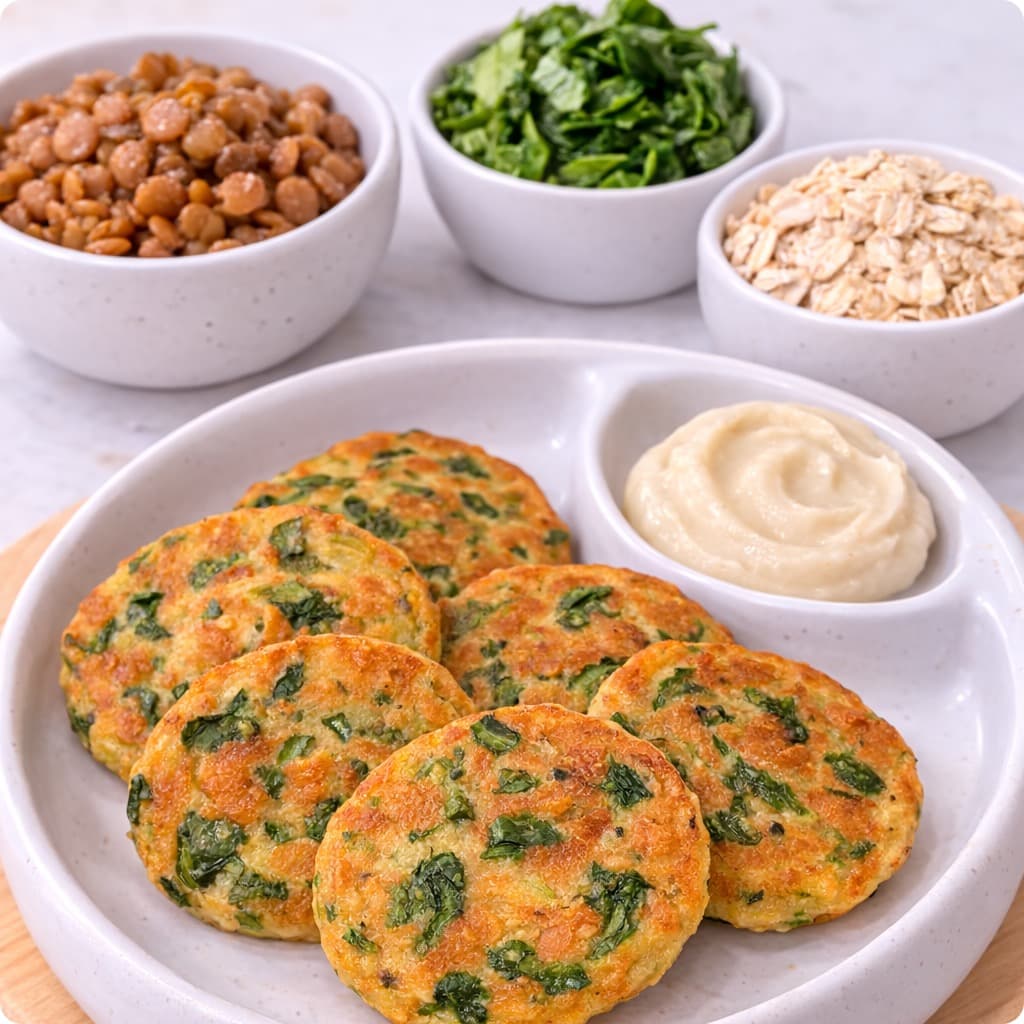
Lentil Spinach Pancakes
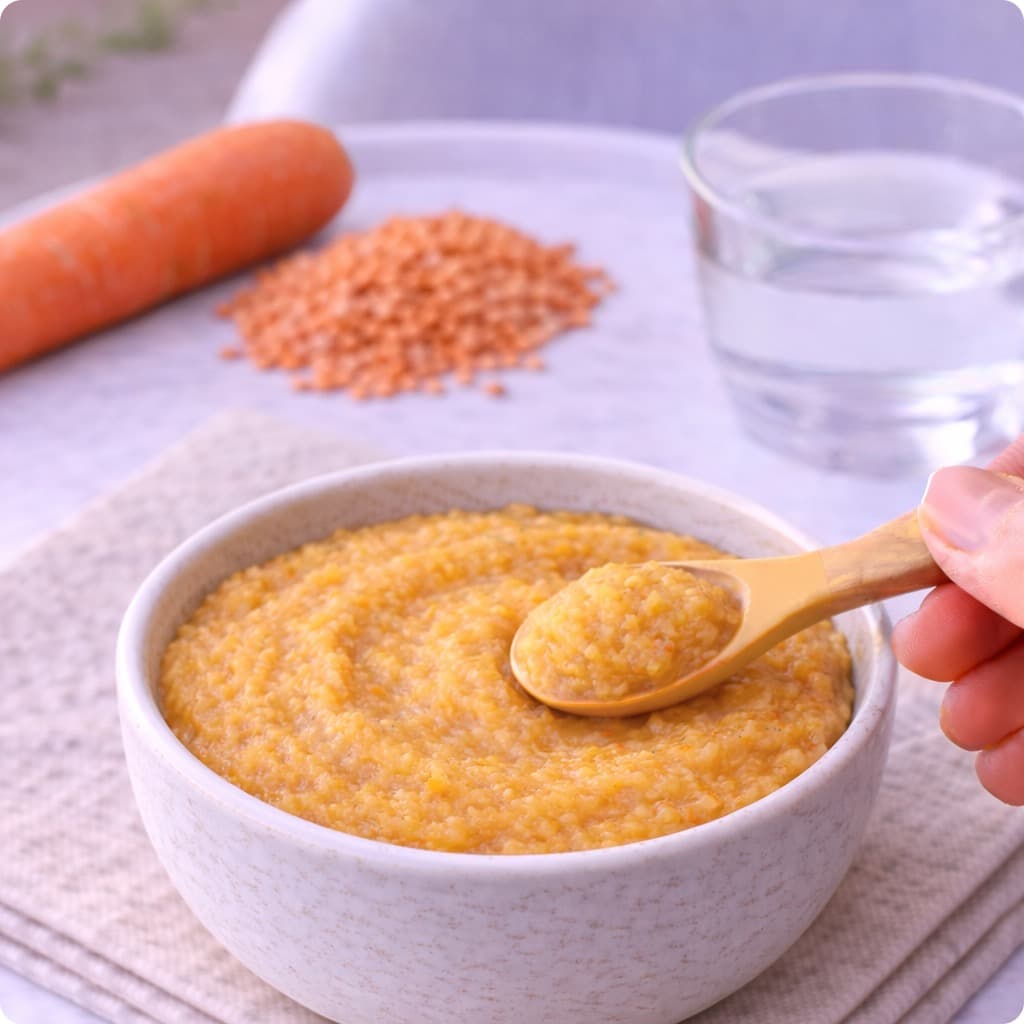
Lentils & Carrot Mash
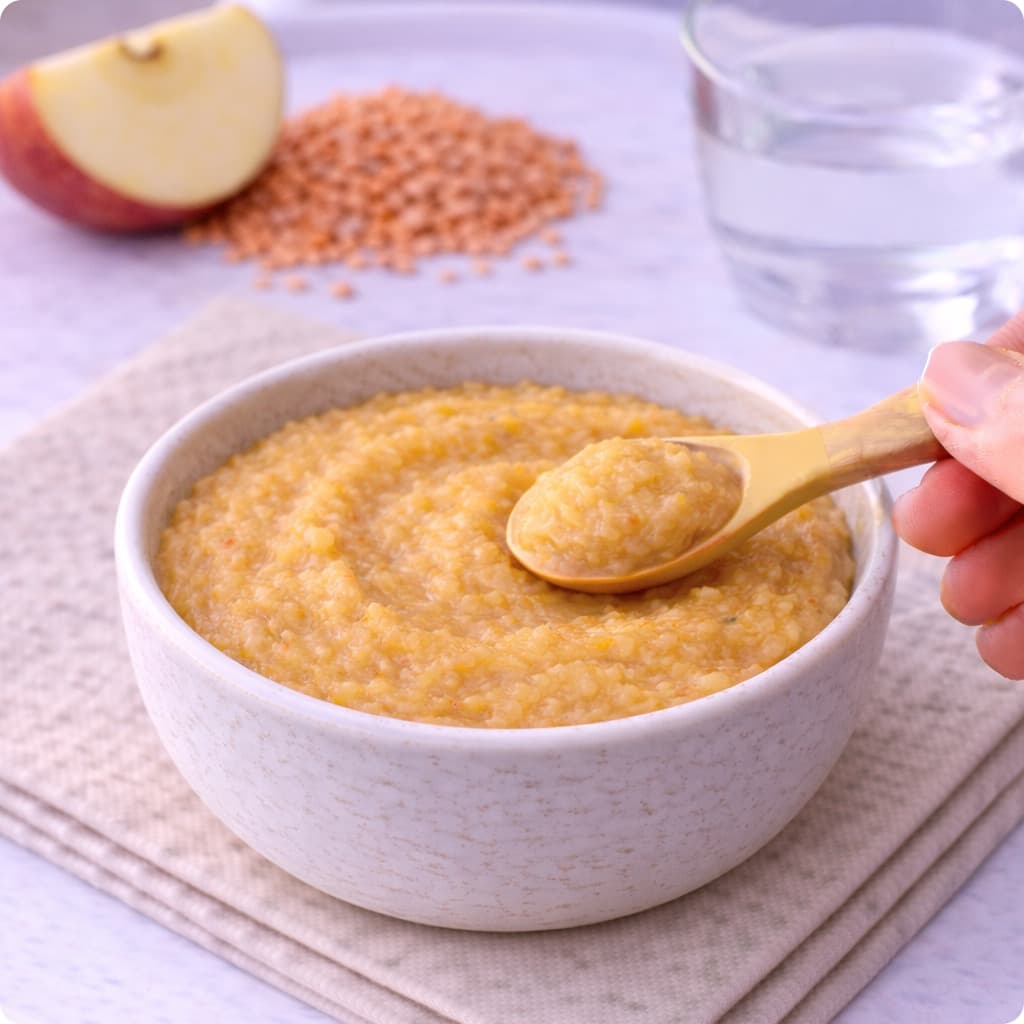
Lentils & Apple Purée
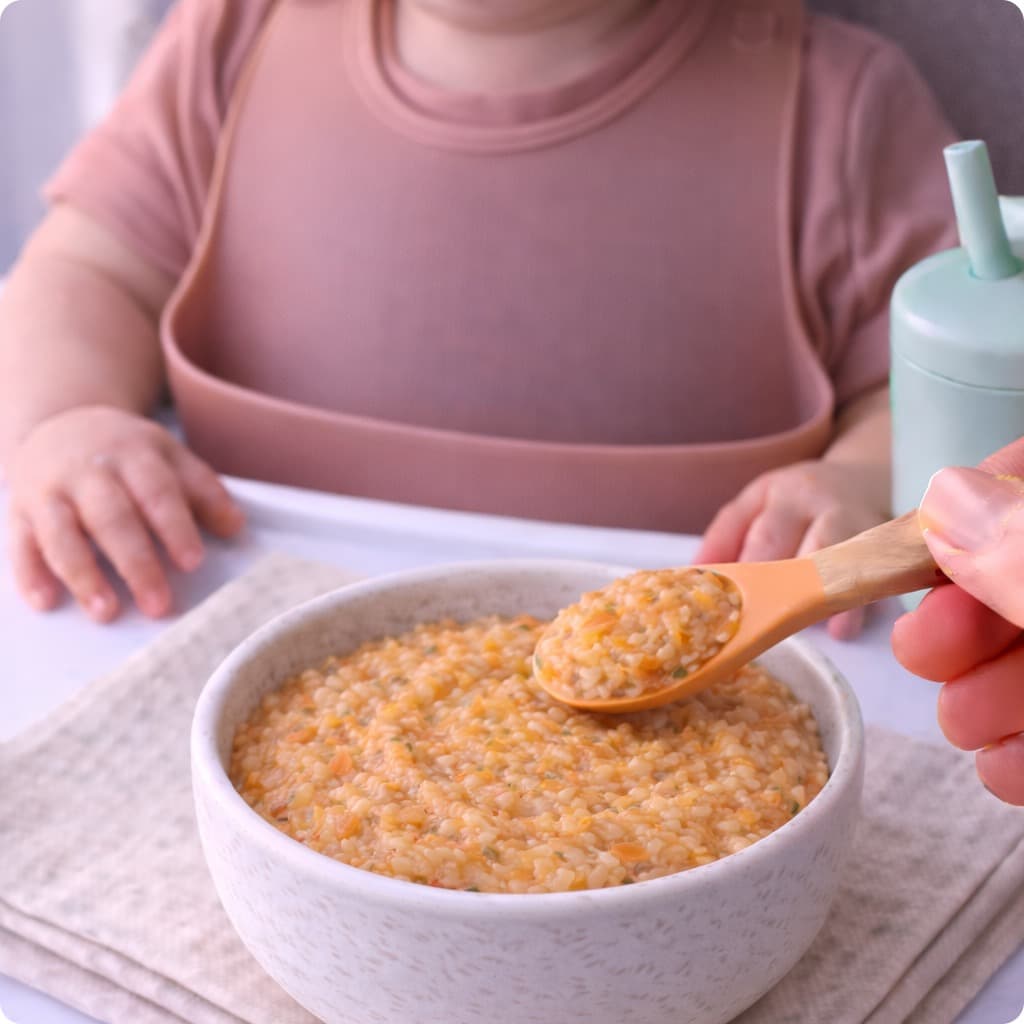
Lentils, Carrot & Rice
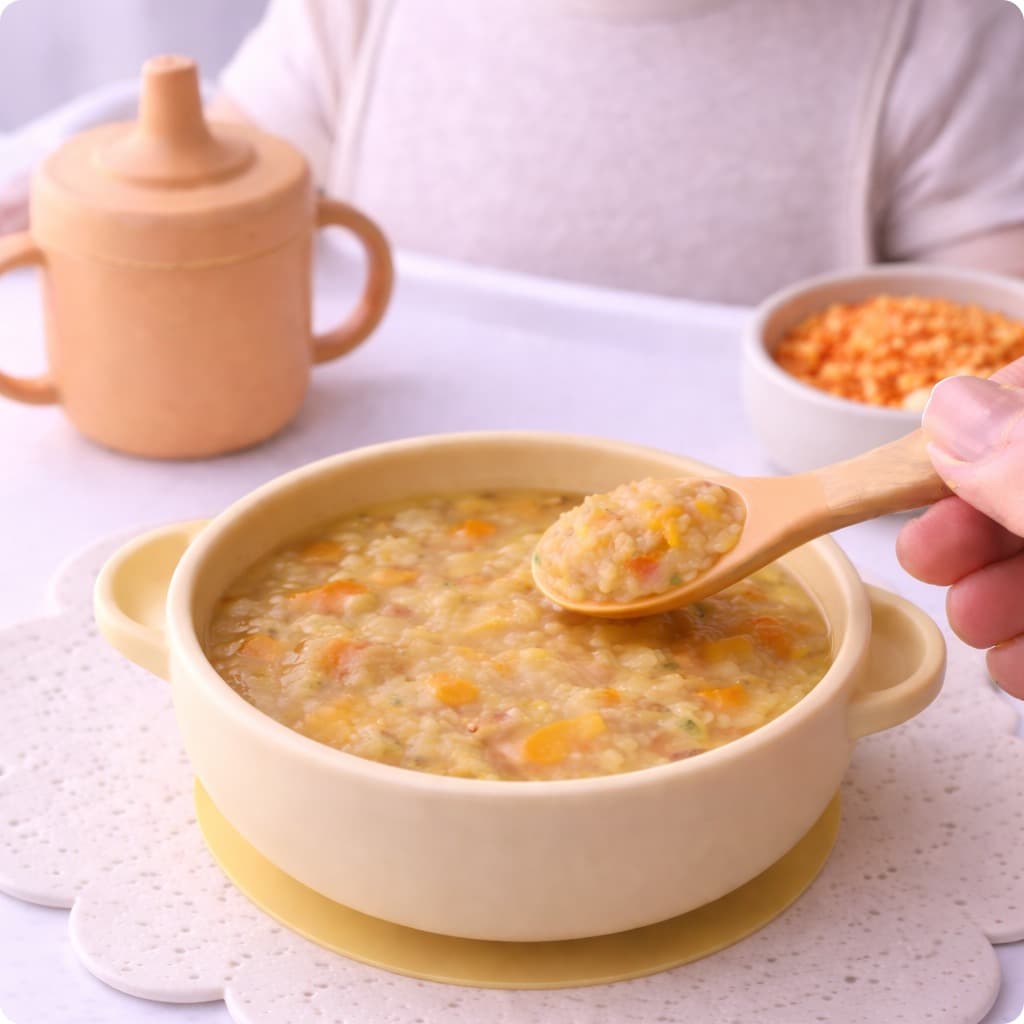
Mild Lentil Soup
Frequently asked questions
Are lentils a choking hazard for babies?
Whole, firm, or undercooked lentils can be harder for a young baby to manage, so the key is texture. Cook lentils until they are very soft and mash or puree them for babies under about 9 months, then offer only squishable whole lentils once your baby has more chewing skills. Always supervise meals and keep your baby seated upright.
Do I need to soak lentils before cooking them for my baby?
Soaking is not strictly required, especially for quick-cooking red and yellow lentils, but it can help them cook faster and become softer. Rinsing lentils well before cooking is a good habit. The most important thing is to cook them until they are completely tender so they are easy for your baby to mash and swallow.
Can lentils cause gas or constipation in babies?
Lentils are high in fiber, which can sometimes cause gas as your baby's digestive system adjusts to new foods. Starting with small amounts and increasing gradually usually helps. The fiber and fluid in cooked lentils can actually support regular bowel movements, but if you notice ongoing discomfort, talk with your pediatrician.
What type of lentils are best for babies?
Red and yellow lentils are often the easiest to start with because they cook quickly and break down into a smooth, creamy texture that is simple to puree or mash. Green and brown lentils hold their shape more, so they work better as soft whole lentils for older babies who are ready for texture. All types are nutritious when cooked until very soft.
How much lentils should I give my baby?
Start with just a teaspoon or two and let your baby's appetite guide how much they eat. Babies are learning to eat at this stage, so it is normal for portions to be small and to vary from day to day. Offer lentils a few times a week as part of a varied diet, and follow your baby's hunger and fullness cues.
Can I give my baby canned lentils?
Yes, canned lentils can be convenient as long as you choose a no-salt-added option or rinse them well to remove excess sodium. Heat them until soft and mash or puree to the right texture for your baby's stage. Check that they are fully tender, since cooking time can vary by brand.
Can babies have lentil soup or dal?
Babies can enjoy lentil soup or dal as long as it is made without added salt and only mild, baby-friendly seasonings. Homemade versions let you control the ingredients and keep the texture soft and smooth for younger babies. Skip very spicy or heavily salted recipes and serve at a safe, lukewarm temperature.
Get recipes + a feeding plan for your baby
Save this food to your baby's list, get age-appropriate recipes and follow a personalized feeding schedule - 350+ baby-safe meals in the app.
verifiedSources & References
This guide is informed by current guidelines from leading health organizations: