Lentils for Baby
Last updated October 2026
Lentils are a practical iron-containing food for babies ready for solids, usually around six months. Red split lentils cook down into a soft mash, while green and brown varieties may need longer simmering.
Quick answer
Well-cooked lentils can be served after solids begin, in a texture suited to the baby's swallowing abilities. They are not a major listed allergen, although reactions to legumes are still possible.

Preparing red, brown and green lentils
Sort dry lentils for tiny stones or debris and rinse. Cook red split lentils until they collapse into a moist puree; green and brown lentils typically take longer and need checking in the center, not only a timed boil. Do not use crunchy or undercooked lentils as a finger food.
For a first meal, mash or blend fully cooked lentils with water or a tolerated soft vegetable until spoonable rather than forming a dry sticky lump. Pair a plant-iron meal with a suitable vitamin C vegetable such as thoroughly softened bell pepper if already introduced.
Older or more experienced eaters may manage thicker dal or some thoroughly soft individual lentils. Do not use pincer grasp alone as evidence that a firm whole lentil can be chewed.
Plain canned lentils can save preparation time; compare salt per 100 g, choose no-added-salt when available, check for hard foreign material and heat following the product's directions. Cool, assess softness and mash for the child's ability; canned does not mean ready for a beginner to swallow whole.
When can babies try lentils?
A spoon-fed lentil puree, a soft dal or a moist mash on a preloaded spoon can work before babies reliably pick up individual small pieces. As skills develop, increase texture gradually rather than following a rigid 9–12-month calendar.
Some canned lentils include salt or seasoning. Check labels and avoid salty stock cubes or sauces in baby's portion.
Check dry lentils for stones or debris and cook until fully tender. For a beginner, blend or mash them into a moist consistency rather than relying on firm individual round lentils.
Lentils contain non-heme iron and plant protein. Include vitamin C foods in the meal to improve absorption, and keep a variety of iron-containing foods in the baby's diet.
See our first foods for baby guide for more ideas.
Cooking and serving precautions
Inspect dry lentils for stones or debris and cook until completely tender.
Avoid hard undercooked lentils; mash or blend for beginners.
Don't add salt or rely on salty packaged stock or canned sauce.
Pair plant iron with vitamin C foods and include other iron sources in the diet.
Monitor suspected food reactions, and follow clinical advice for diagnosed allergies.
Have the baby seated upright and continuously supervised while eating.
Lentil recipes for babies
View all recipes
Lentil Veggie Nuggets
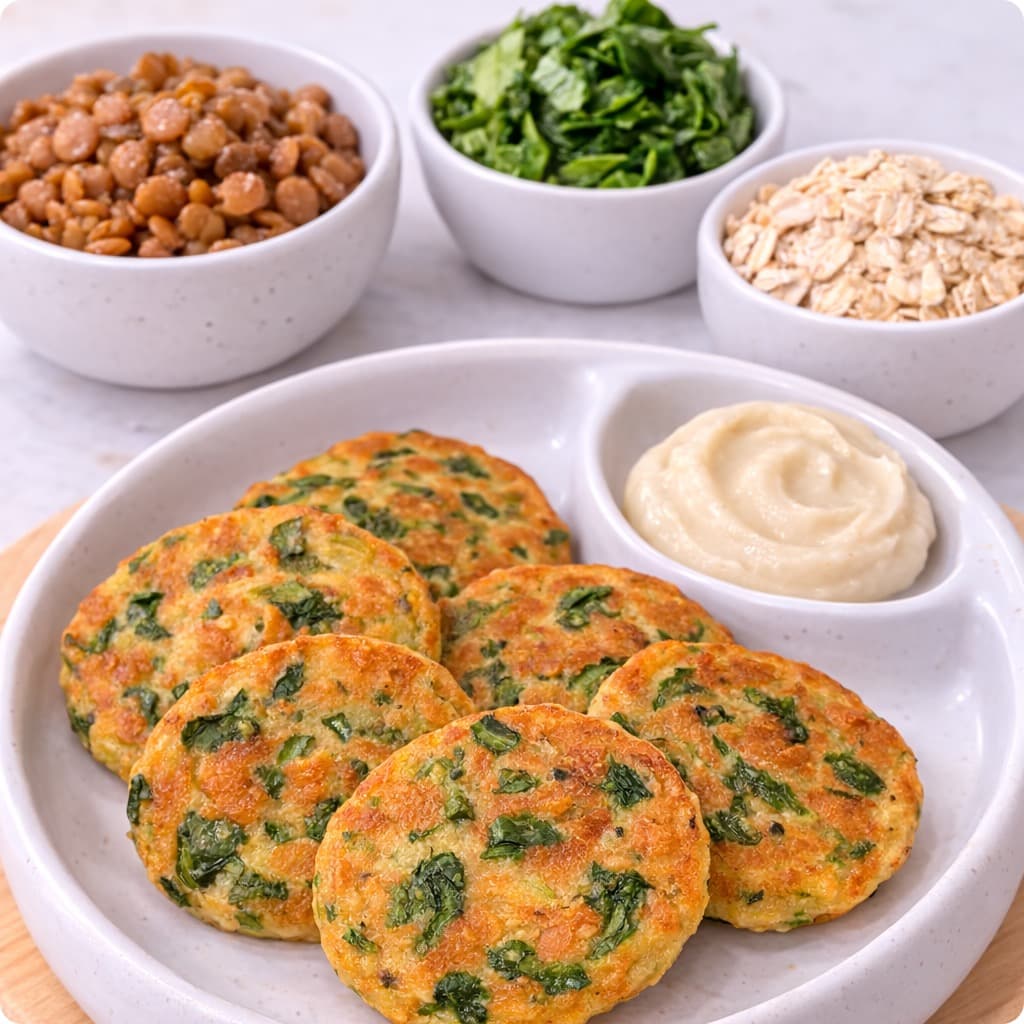
Lentil Spinach Pancakes
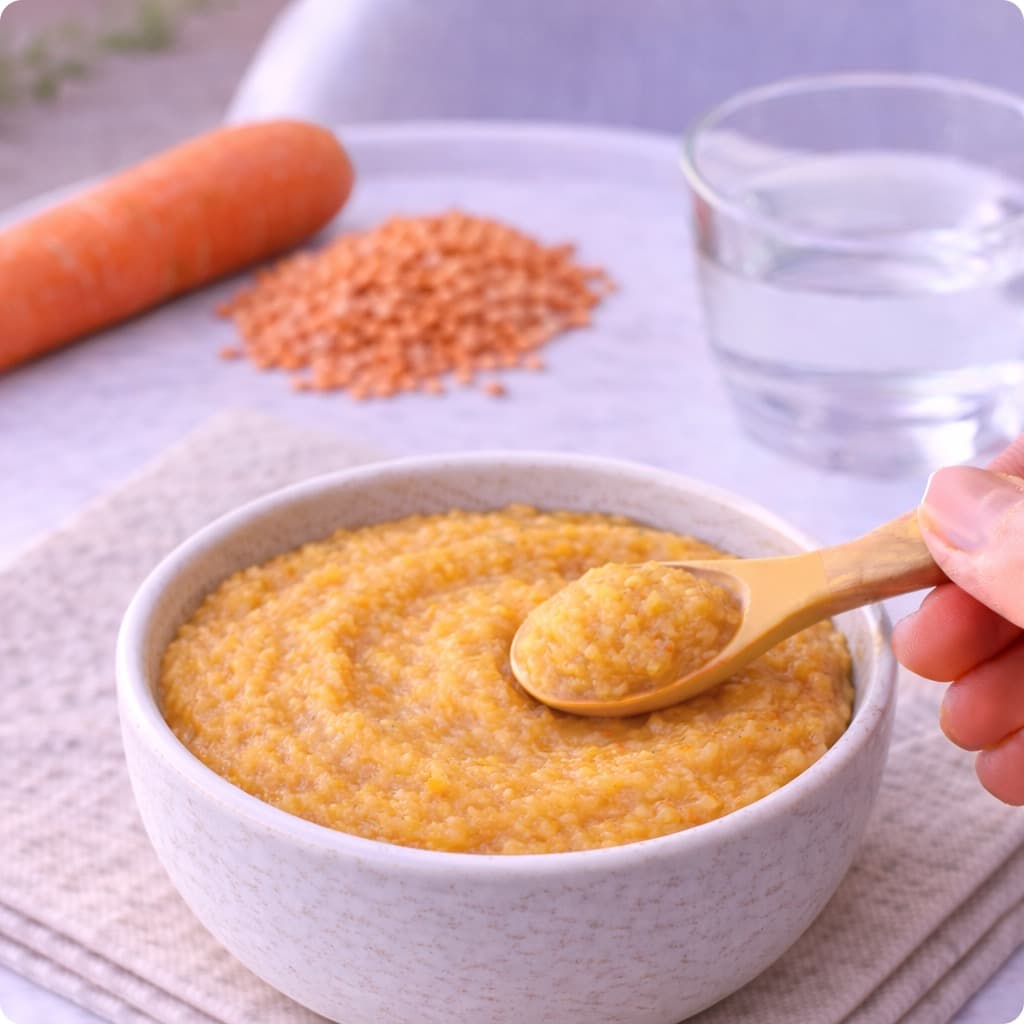
Lentils & Carrot Mash
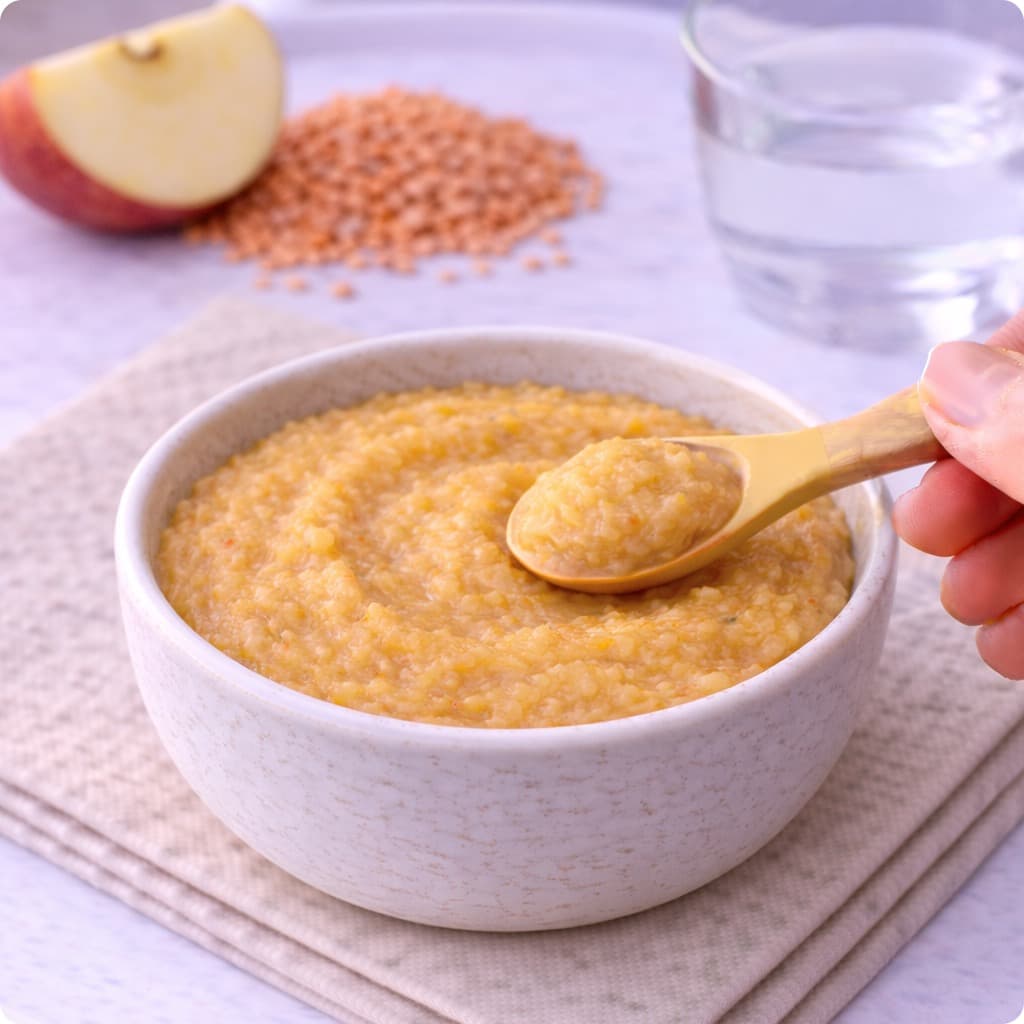
Lentils & Apple Purée
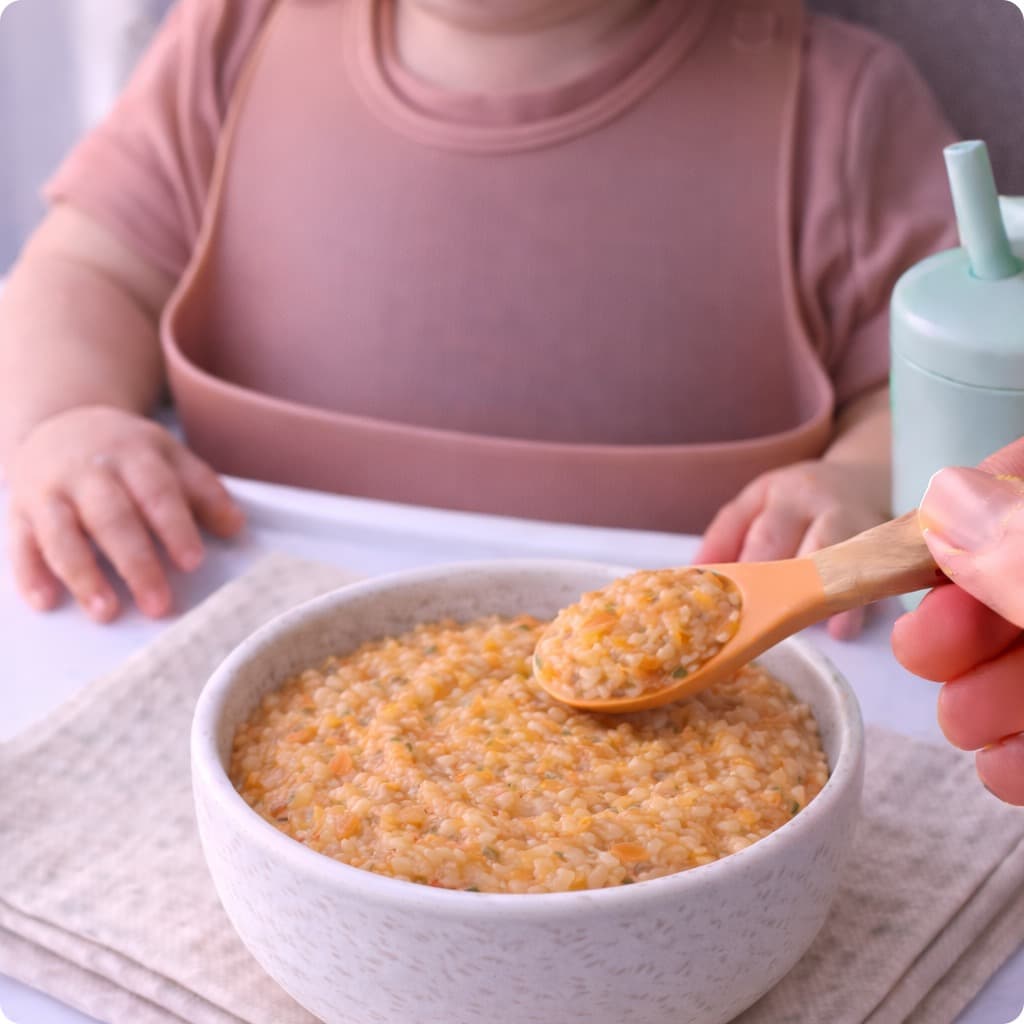
Lentils, Carrot & Rice
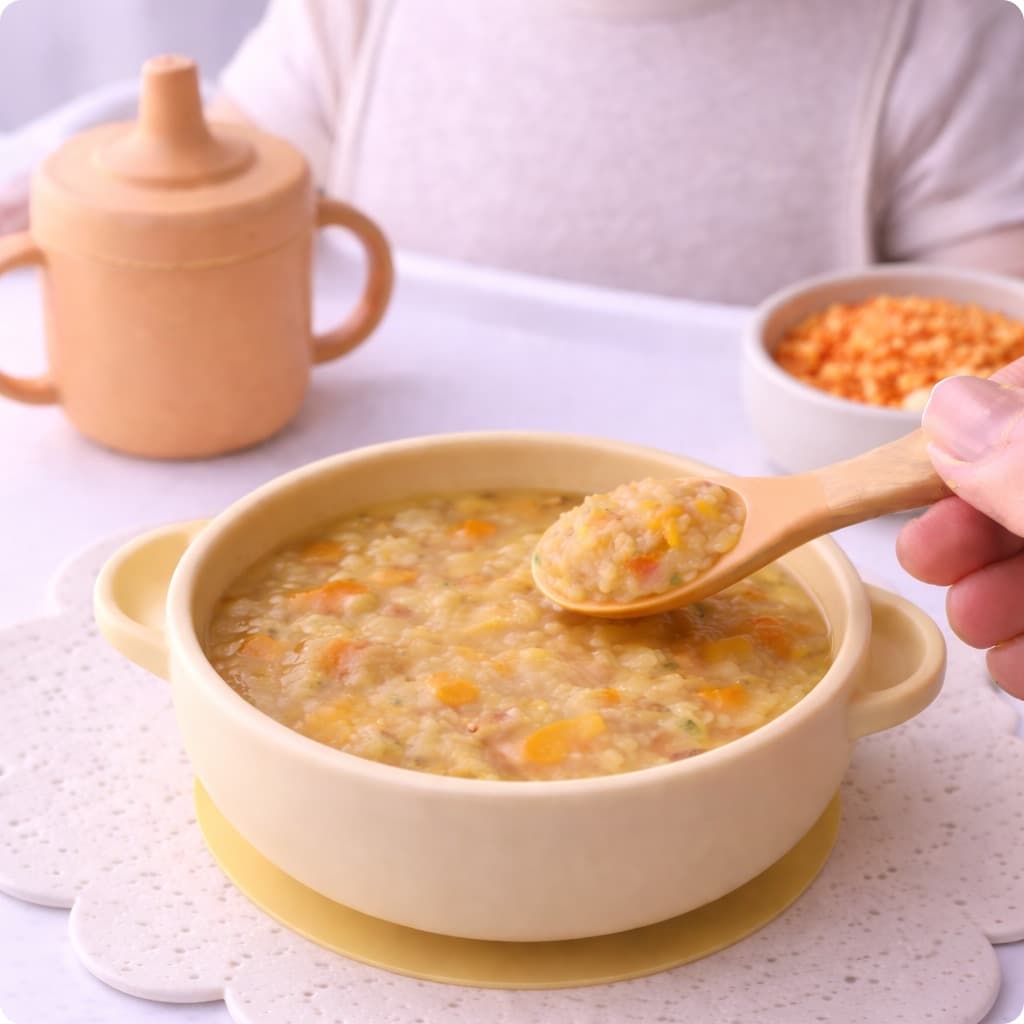
Mild Lentil Soup
See all lentils recipes for babies. Explore baby breakfast recipes, baby-led weaning recipes and first foods for baby for more ideas.
Related Guides
Frequently Asked Questions
Is Lentils a common allergen?
Some babies may be allergic to Lentils. Introduce Lentils carefully when babies start solids and watch for reactions.
What nutrients does Lentils provide for babies?
Lentils provides nutrients like fibre, vitamin C, iron, folate that support babies' growth and development.
Sources & References
This guide is informed by current guidelines from leading health organizations:
- ●AAP - Starting Solid Foods AAP
- ●AAP - Iron Needs for Babies and Toddlers AAP
- ●NHS - Your Baby's First Solid Foods NHS
- ●NHS - Preparing Food Safely for Babies NHS
- ●CDC — Choking Hazards (reviewed March 2026) CDC
- ●NIH - Iron Fact Sheet for Health Professionals NIH