When can babies eat olives?
From a safety and digestion standpoint, olives can be introduced around 6 months, once your baby can sit upright with support, holds their head steady, and shows interest in food. The catch is salt: nearly all olives sold in stores are cured in brine, which leaves even one olive carrying a meaningful share of a baby's daily sodium. That is why olives work best as an occasional taste mixed into other foods rather than a regular snack, and why many families reasonably wait until closer to 12 months before offering them at all. Either timeline is fine.
Whenever you start, remember that breast milk or formula remains your baby's main source of nutrition until 12 months, and solid foods, olives included, are there for taste, texture, and practice. The NHS advises keeping salt to a minimum for babies, with less than 1 gram of salt a day before 12 months, and the WHO recommends avoiding added salt for the first 2 years. A few well-rinsed pieces of olive can fit within that guidance; frequent salty foods cannot.
How to serve olives safely
First, tackle the salt. Rinse olives thoroughly under running water, or soak them in fresh water for 15 to 30 minutes, to wash away some of the surface brine. Then tackle the shape: an olive has the same round, slippery form as a grape, which is exactly the kind of food the AAP flags as a choking hazard for young children. Always buy pitted olives or remove the pit yourself, then quarter each olive lengthwise so the pieces are long and thin rather than round.
For babies 6 to 9 months, chop the quartered olives finely and stir them into mashed potato, hummus, scrambled egg, or a soft pasta dish, where a little goes a long way as a flavor accent. From around 9 to 12 months, babies developing a pincer grasp can pick up small quartered pieces on their own. Skip marinated olives, which add extra salt, oil, garlic, and sometimes chili, and skip stuffed olives, since fillings like whole almonds, cheese, or pimento bring their own choking and salt concerns. Whole olives should wait until at least age 4.
Nutritional benefits for babies
- 💚Rich in monounsaturated fats, the same healthy fats found in olive oil, which support brain development and energy
- 💚Provide vitamin E, an antioxidant that helps protect growing cells
- 💚Contain small amounts of iron and copper
- 💚Offer polyphenols, plant compounds with antioxidant properties
- 💚Soft, fatty texture makes small pieces easy to mash and blend into other foods
- 💚A bold, savory flavor that helps expand your baby's palate beyond mild first foods
Safety considerations
- ✓Choking is the biggest risk: an olive has the same size, round shape, and slippery skin as a grape. Always serve olives pitted and quartered lengthwise, and do not offer whole olives until at least age 4.
- ✓Olives are brine-cured and very high in sodium. Rinse or soak them before serving, keep portions to a few small pieces, and balance the rest of the day with low-salt foods; both the AAP and the NHS advise keeping salt to a minimum for babies.
- ✓Skip marinated, seasoned, and stuffed olives. Marinades add salt, garlic, and chili, and fillings such as whole almonds, cheese, or pimento create extra choking and sodium concerns.
- ✓Check every olive for the pit or pit fragments before serving, even when the jar says pitted; stray pits slip through more often than you would expect.
- ✓Always supervise your baby while eating, keep them seated upright, and introduce olives alongside familiar foods rather than several new foods at once.
Recipes with olives for babies
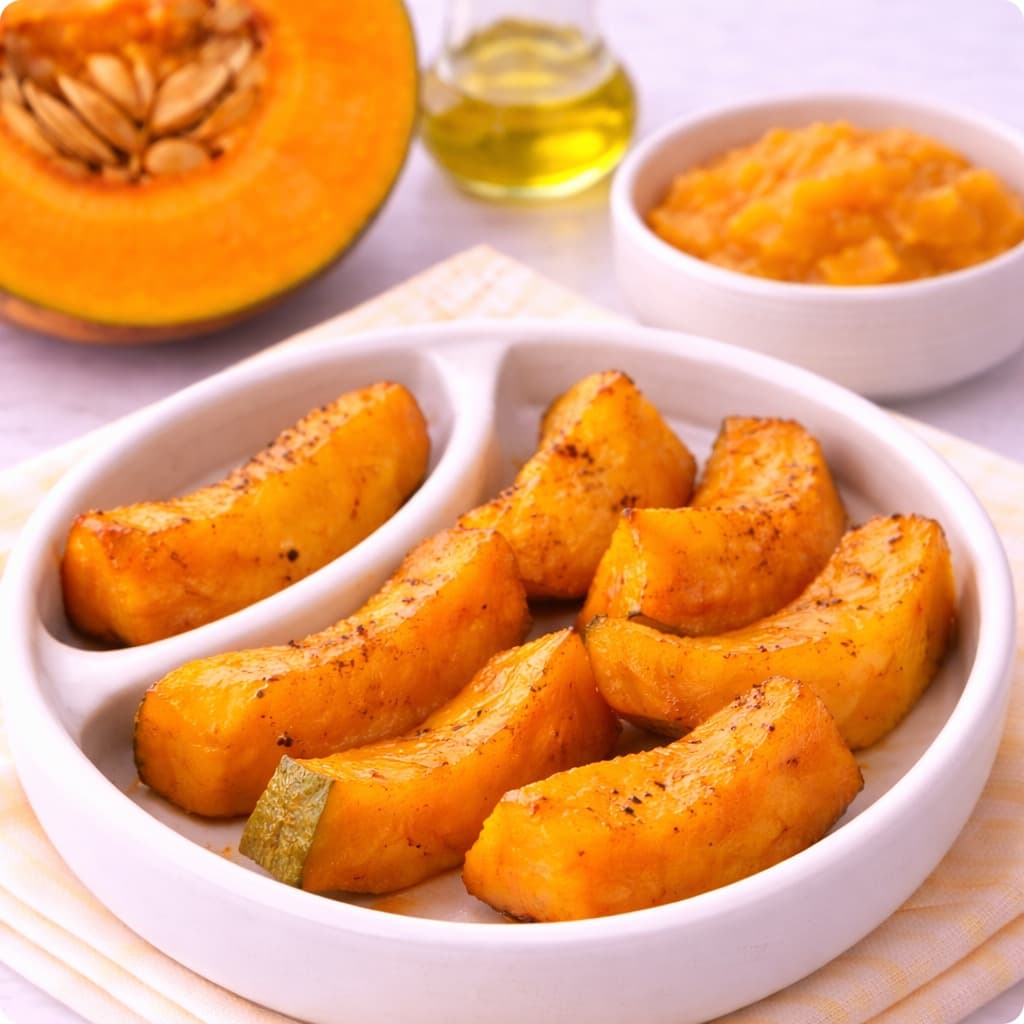
Roasted Pumpkin Wedges
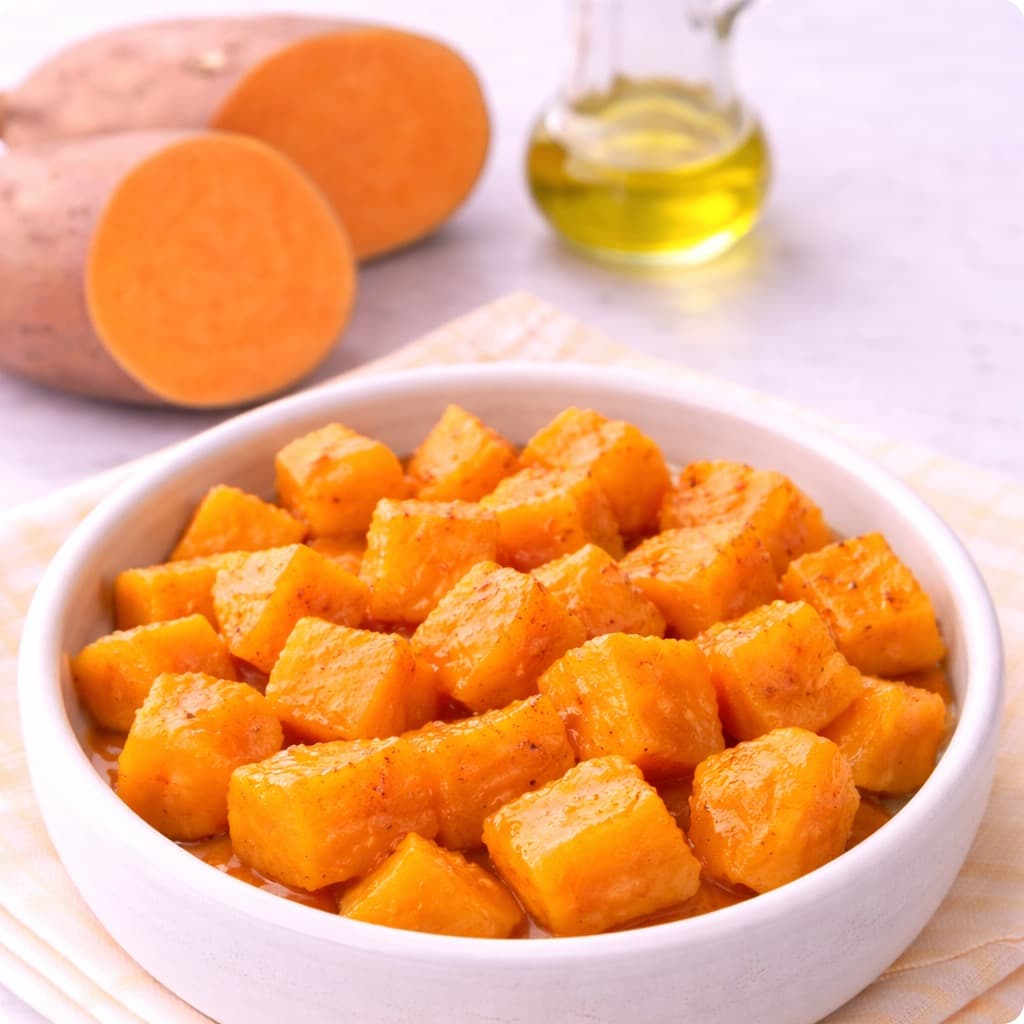
Soft Sweet Potato Cubes
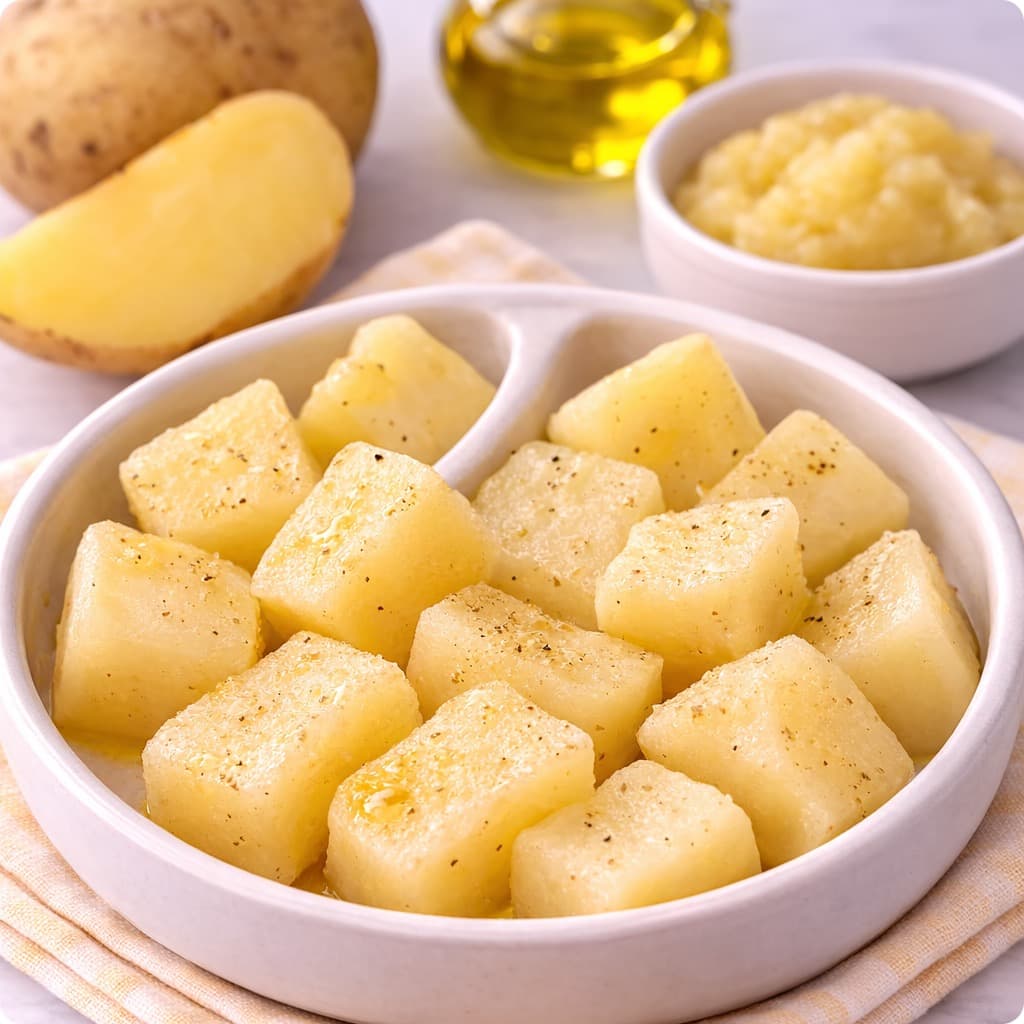
Soft Potato Cubes

Polenta Fingers
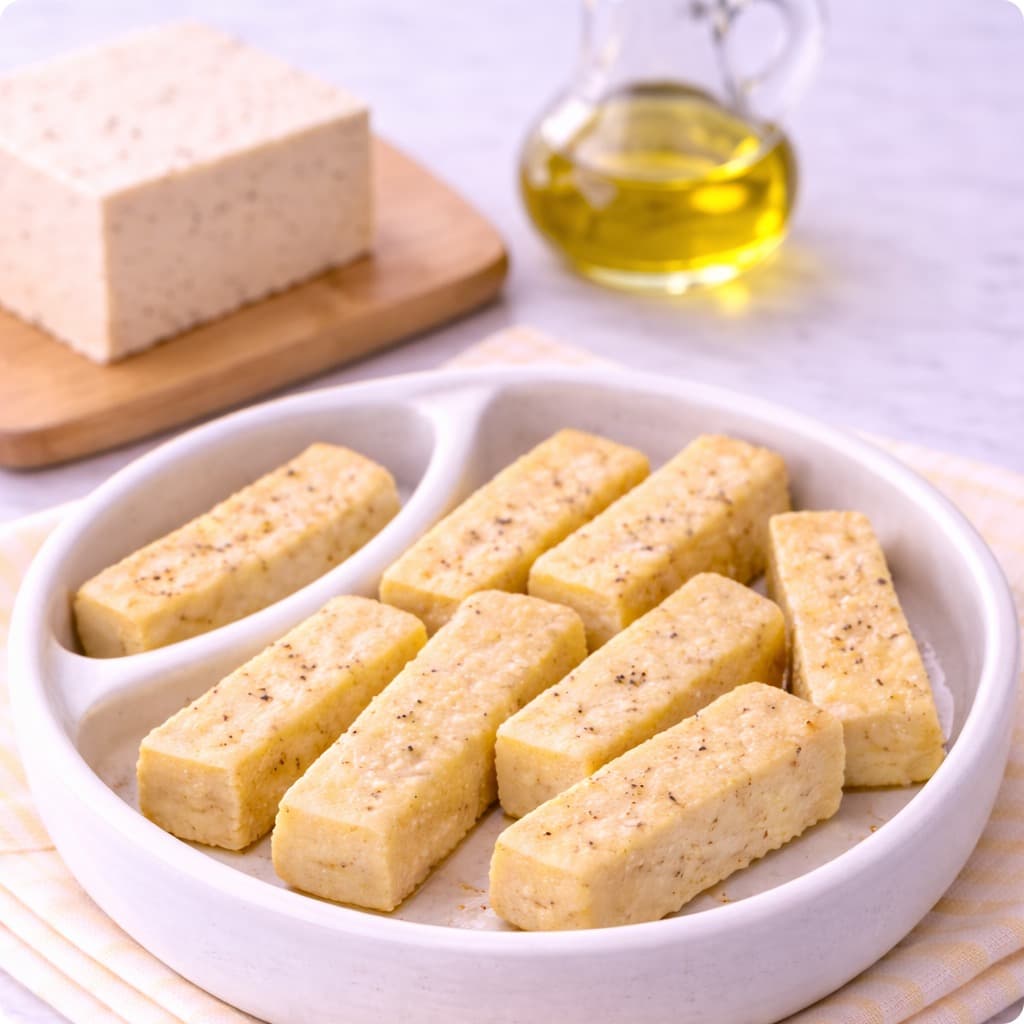
Tofu Finger Sticks
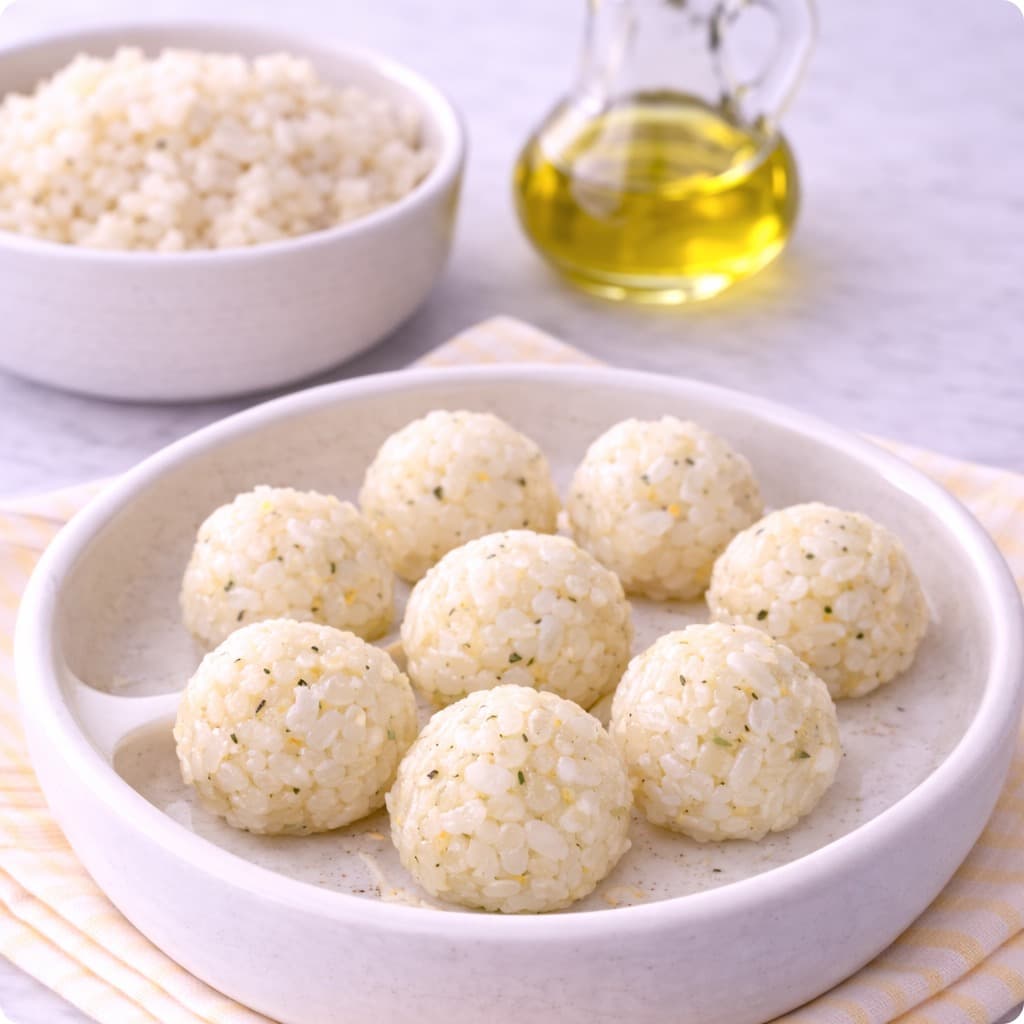
Rice Balls (Baby Rice Balls)
Frequently asked questions
Are olives a choking hazard for babies?
Yes, whole olives are a serious choking hazard because they share the round, slippery shape of a grape, one of the foods most often involved in choking incidents. Always serve olives pitted and quartered lengthwise so the pieces are long and thin. Whole olives should wait until at least age 4.
How do I make olives less salty for my baby?
Rinse them thoroughly under running water, or soak them in fresh water for 15 to 30 minutes before serving, which washes away some of the surface brine. Keep portions small, one or two olives at most, and pair them with plenty of unsalted foods. Some stores also carry lower-sodium olives, which are worth choosing when available.
Can babies eat black olives?
Yes. Canned black olives are often milder and slightly lower in sodium than green olives, which makes them a common first choice. The same rules apply either way: rinse well, remove the pit, quarter lengthwise, and keep the portion small.
When can toddlers eat whole olives?
Not until at least age 4, the same age guidance that applies to whole grapes. Before then, a toddler's chewing skills and airway size make round, slippery foods risky. Keep pitting and quartering olives lengthwise until your child is reliably past that stage.
Are olives healthy for babies?
In small amounts, yes. Olives provide monounsaturated fats that support brain development, plus vitamin E and antioxidant plant compounds. Their high sodium content is what limits the portion, not their nutrition, so think of them as a healthy flavor accent rather than a staple.
Can babies have olive oil?
Yes, olive oil is an excellent choice from 6 months and carries none of the salt or choking concerns of whole olives. Drizzle a little over vegetables, stir it into purees, or use it for cooking. It adds the same healthy monounsaturated fats in a much easier form.
How many olives can a baby eat?
Keep it to one or two rinsed, pitted, quartered olives at a sitting, and not every day. That keeps the sodium contribution modest while still letting your baby explore the flavor. If the rest of the day includes other salty foods like cheese or bread, offer fewer.
Get recipes + a feeding plan for your baby
Save this food to your baby's list, get age-appropriate recipes and follow a personalized feeding schedule - 350+ baby-safe meals in the app.
verifiedSources & References
This guide is informed by current guidelines from leading health organizations: