Quinoa for Baby
Last updated October 2026
Quinoa is a seed usually cooked and served like a grain. It can join complementary meals once a baby is ready for solids, generally around six months. Cook it until thoroughly soft, then mix it with a moist familiar food instead of assuming loose or undercooked grains are easy to swallow.
Quick answer
Once solids begin around six months, offer well-cooked, tender quinoa mashed or stirred into an already tolerated soft vegetable purée. Feed according to your baby's swallowing and grasping skills, not a fixed serving size.

How to cook and serve quinoa
First tastes: check packaging, rinse if needed, simmer until all grains are soft, and blend or fold through a familiar moist vegetable mash. Cool before serving.
Early self-feeding: keep cooked quinoa moist and offer on a preloaded spoon or combine with softened ingredients to form a manageable spoonable texture.
As finger and chewing skills develop, serve very tender quinoa mixed into soft vegetable, lentil or chicken dishes. Inspect all additions for choking hazards and previously introduced allergens.
For toddlers, quinoa can be a no-added-salt family side or soft porridge. Check for firm grains and dry clumps, and pair it with varied iron-rich foods.
The right shape and size depend on your baby's eating skills, not on age alone. Step-by-step preparation: How to cook and serve quinoa for baby
Also check how to cut food for baby-led weaning for general BLW cutting tips.
When can babies try quinoa?
Check whether the packet says prewashed. Otherwise rinse quinoa as instructed to reduce bitter surface residues, then cook thoroughly, stirring and checking that even grains at the top are tender. Drain or adjust liquid until it forms a moist spoonable mixture. Do not serve dry uncooked or crunchy grains; rinsing is not a substitute for cooking.
Quinoa is not among the principal allergens, but any food can cause a reaction. If a baby has diagnosed coeliac disease or requires a gluten-free diet, check the product for wheat cross-contact and follow individual clinical advice.
Quinoa contributes some protein, fibre and minerals, including iron, but the amounts in a small infant portion vary. Although pure quinoa is naturally gluten-free, cross-contact with wheat can happen during processing; check certified gluten-free labelling if a child needs to avoid gluten.
See our first foods for baby guide for more ideas.
Quinoa texture and preparation checks
Check the package for rinsing/prewashed instructions; rinsing is about taste and surface residues, not a universal safety guarantee.
Cook until fully soft and keep quinoa moist, especially for a baby new to textured food.
Do not offer crunchy uncooked or hard dry grains.
Quinoa is naturally gluten-free, but check contamination labelling when a gluten-free diet is medically required.
Include varied iron-rich complementary foods rather than treating quinoa alone as an iron strategy.
Supervise the child upright and check additional ingredients for allergens and texture.
Quinoa recipes for babies
View all recipes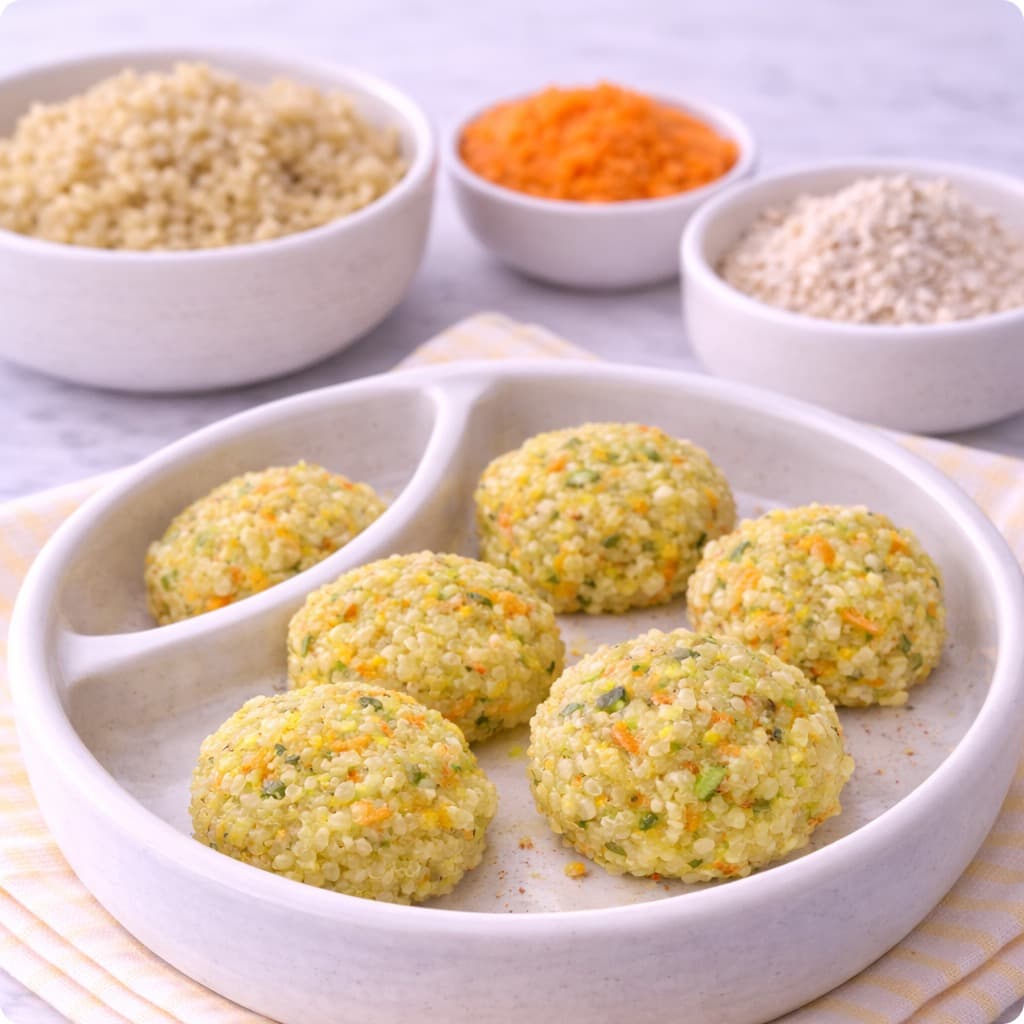
Quinoa Veggie Patties
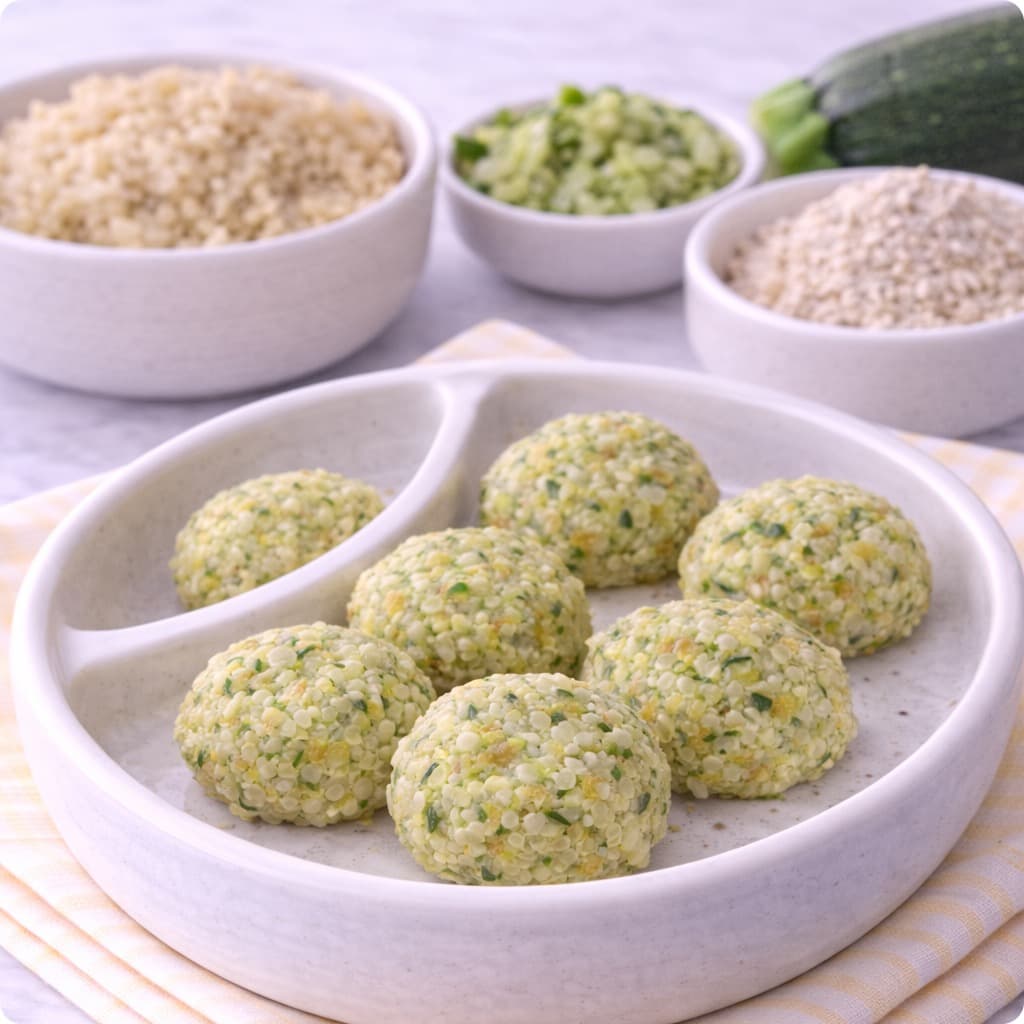
Zucchini Quinoa Balls
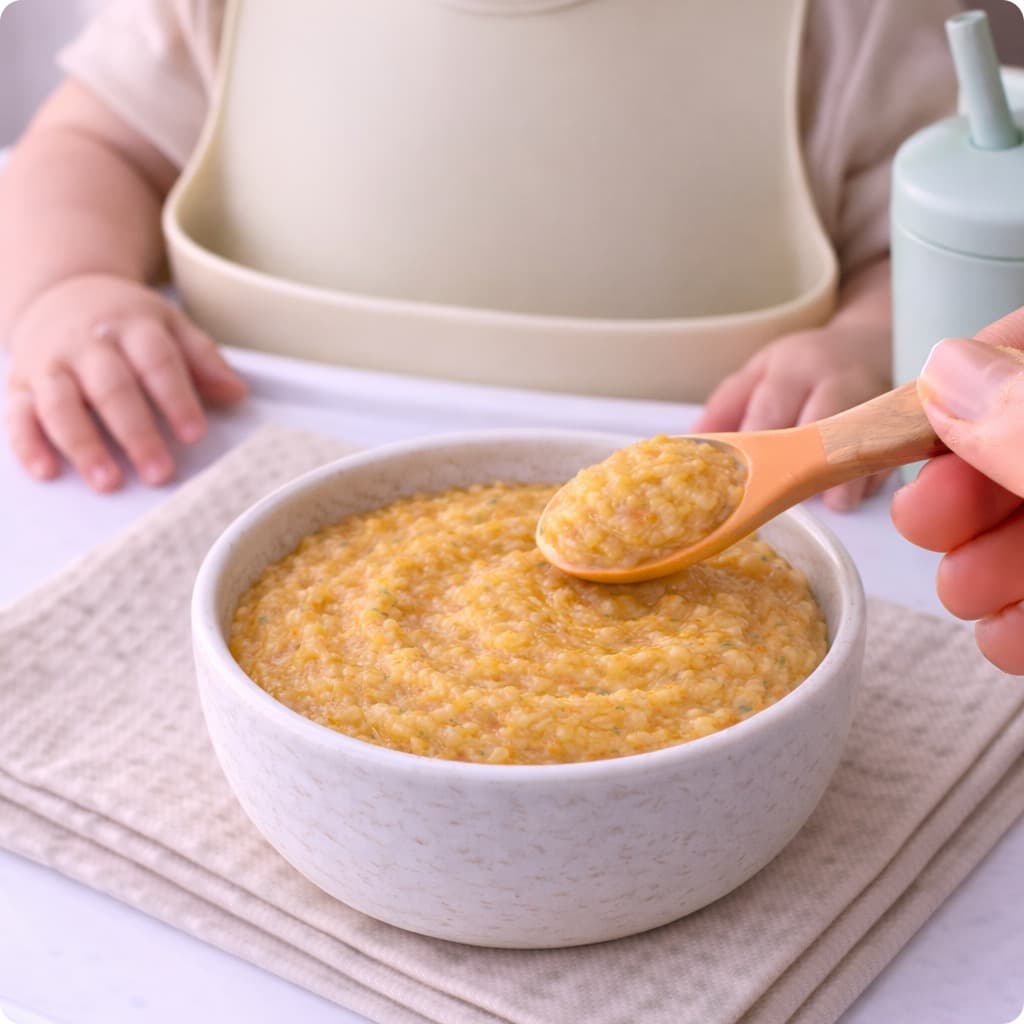
Chicken, Squash & Quinoa Bowl
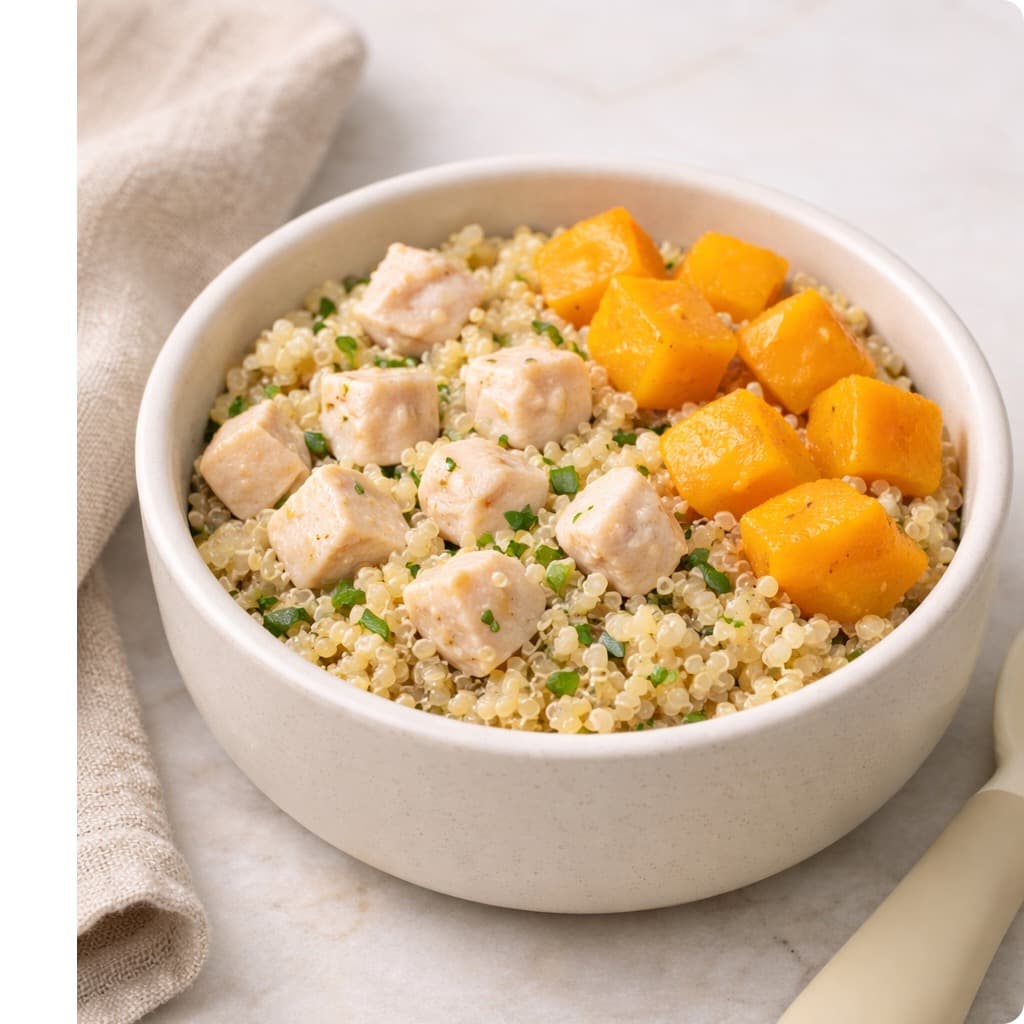
Turkey, Quinoa & Pumpkin Bowl

Sweet Potato + Quinoa + Olive Oil Bowl
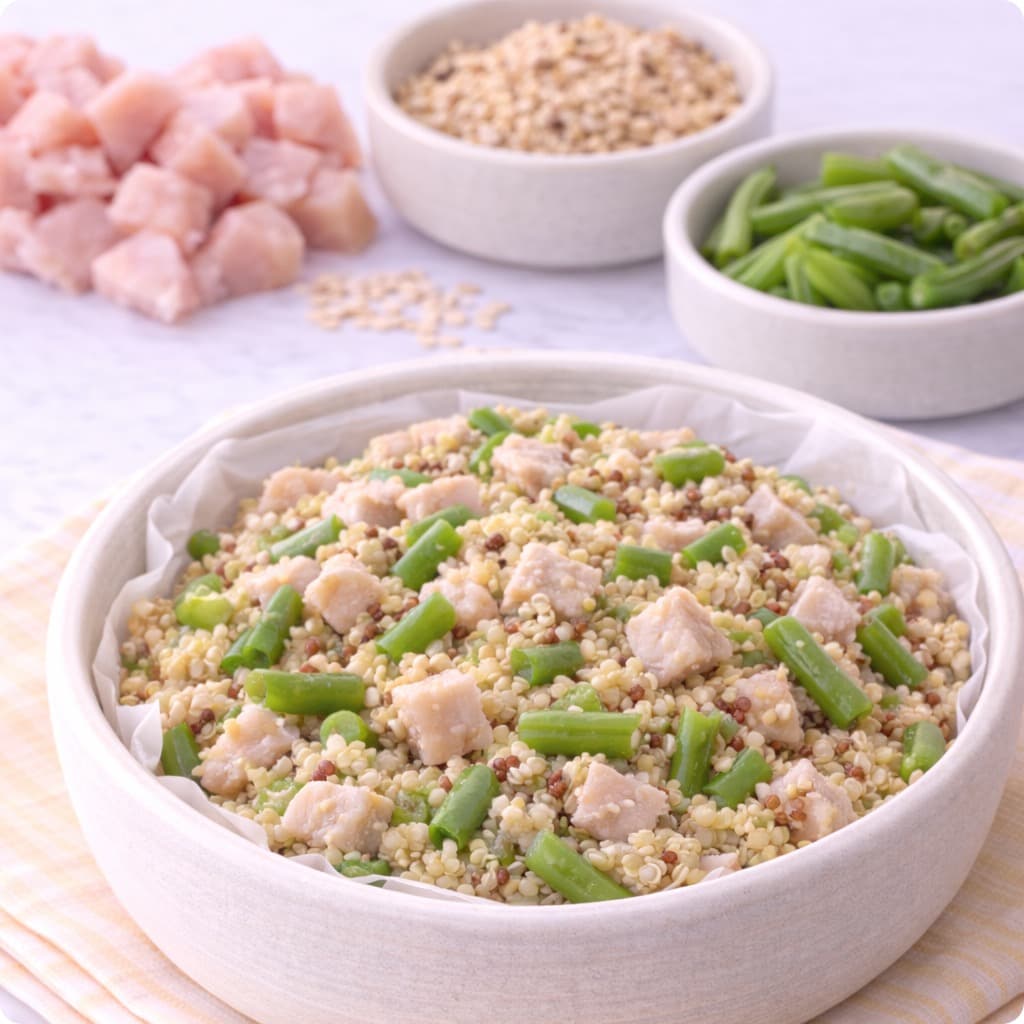
Turkey + Quinoa + Green Beans Soft Bowl
See all quinoa recipes for babies. Explore baby breakfast recipes, baby-led weaning recipes and first foods for baby for more ideas.
Related Guides
Frequently Asked Questions
Do I need to rinse quinoa before cooking it for a baby?
Follow the package directions. Some products are already washed; rinsing others may improve flavour, but cooking until fully tender is still essential.
Does quinoa replace iron-fortified infant cereal?
No. Quinoa provides some iron and protein, but small servings are not a substitute for varied iron-rich foods or appropriately fortified infant cereal.
Does quinoa contain gluten?
Plain quinoa is naturally gluten-free, but wheat cross-contact is possible. For coeliac disease or medically required gluten avoidance, check the package and clinical plan.
Sources & References
This guide is informed by current guidelines from leading health organizations:
- ●NHS - Your Baby's First Solid Foods NHS
- ●CDC - When, What, and How to Introduce Solid Foods CDC
- ●NHS - Preparing Food Safely for Babies NHS
- ●NHS Best Start in Life - Introducing foods that could trigger an allergic reaction NHS