Skip to content

Cottage Cheese & Peach for Babies

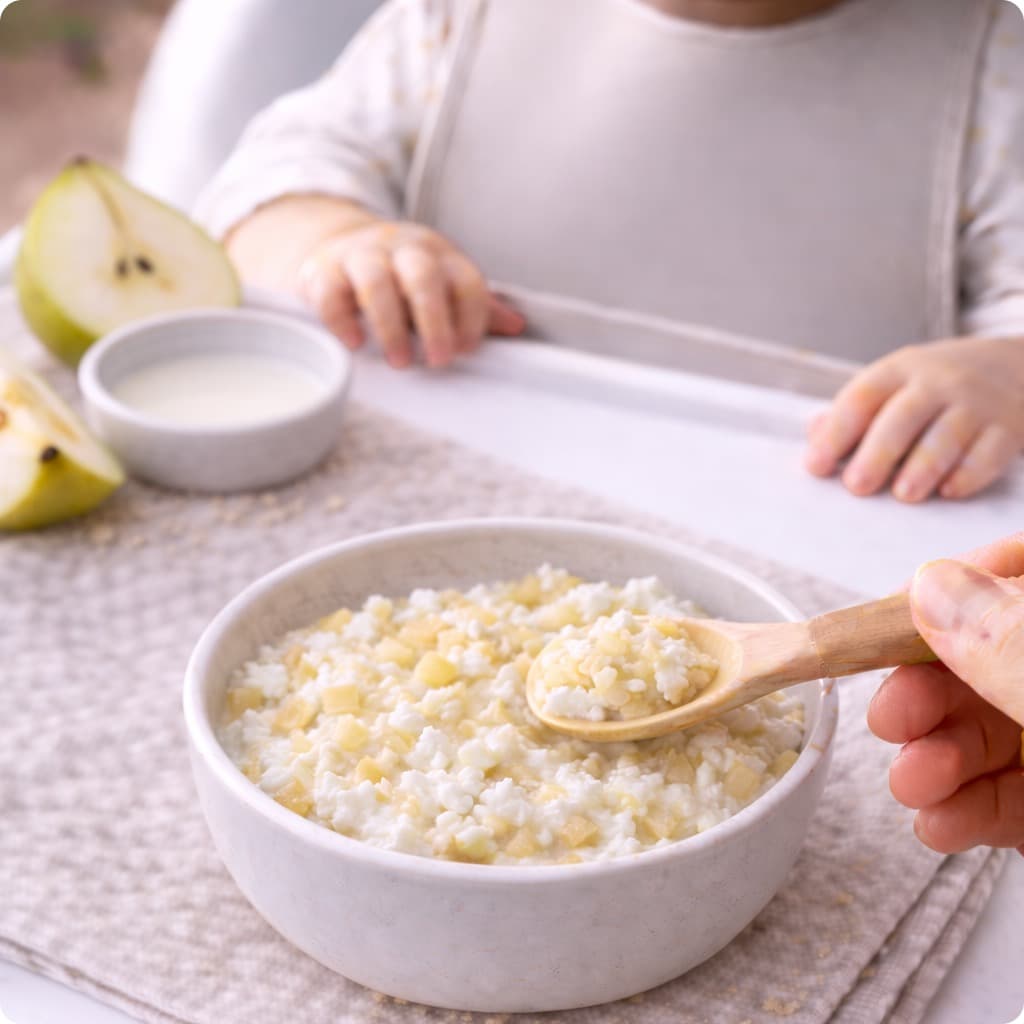
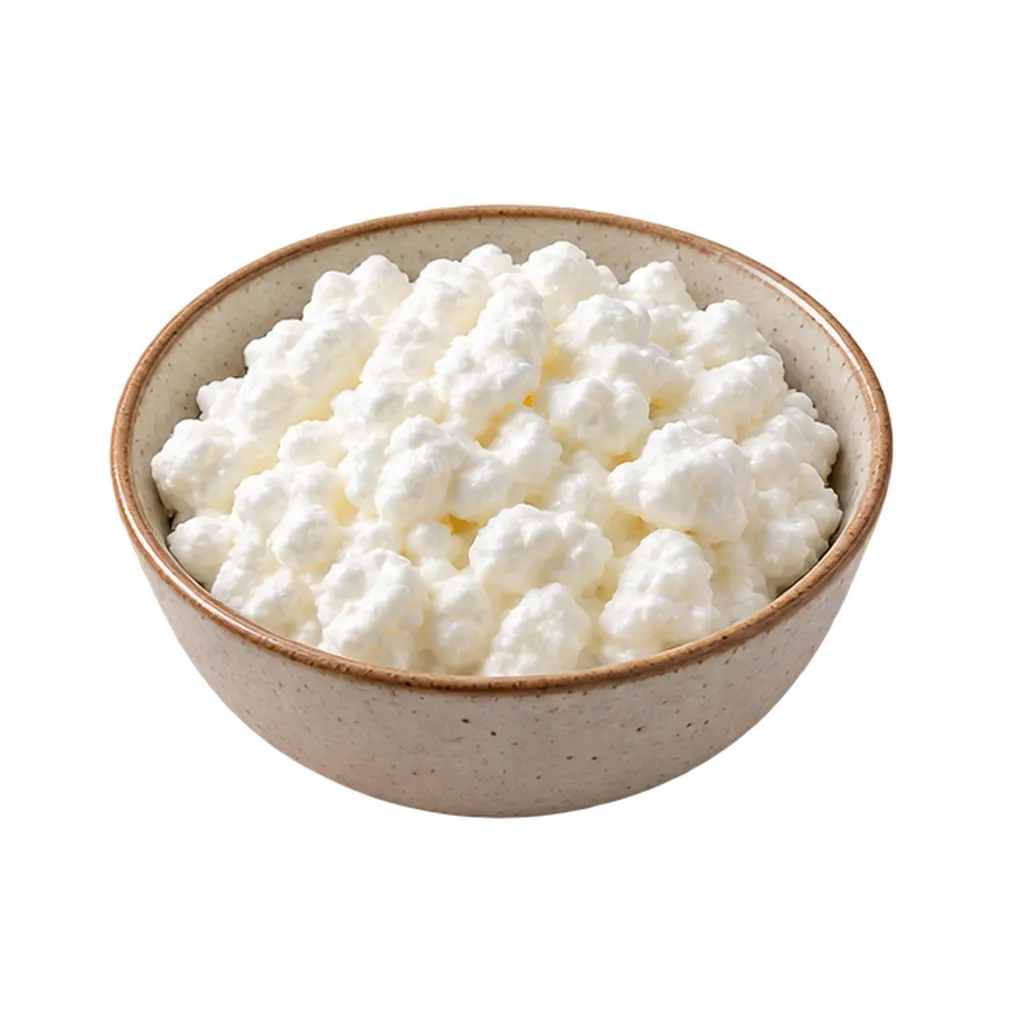
Pasteurised cottage cheese and fully soft peach make a cool, creamy spoon-fed breakfast. Choose a lower-salt cottage cheese if available and adjust the curd texture for your baby's skills.

6 months+Breakfast5 minEasy
Cottage Cheese & Peach
  • Age Range6 months+
  • Prep 3 min · Cook 2 min
  • DifficultyEasy
  • Allergen InformationContains: Dairy

Ingredients

  • 2 tbsp plain pasteurised cottage cheese (preferably lower salt)
  • 2 tbsp ripe soft peach, peeled if the skin is tough and with stone removed

Preparation

  1. Check that the cottage cheese is made from pasteurised milk, contains no unsuitable additions, and is within its use-by date. Keep refrigerated.

  2. Wash and halve the peach, remove the hard stone and any tough skin. If firm, steam until fully tender, then cool. Mash the peach completely.

  3. Stir the peach into cottage cheese; blend or mash larger curds if a smoother texture is needed. Serve promptly and cool, with no firm fruit chunks.

Serving by Age

Offer on a spoon with soft fruit and finely mashed cottage cheese curds. This is not finger food; progress to gentle lumps only as the child manages them.

6 months+

Serve as a smooth, cool spoon-fed mixture, blending larger curds if needed.

9 months+

Offer finely mashed cheese curds mixed with very soft peach, with no tough skin or firm pieces.

Allergen Information

Contains milk proteins from cottage cheese, a major allergen. Use pasteurised cheese and follow any personalised cow's-milk allergy advice.

Storage

Serve immediately after mixing when possible. Refrigerate untouched portions promptly and follow the cheese's use-by guidance; discard leftovers from baby's bowl.

Frequently Asked Questions

How should I store Cottage Cheese & Peach?

Serve immediately after mixing when possible. Refrigerate untouched portions promptly and follow the cheese's use-by guidance; discard leftovers from baby's bowl.

Which allergens does Cottage Cheese & Peach contain?

It contains Dairy. Check the labels of the products you use, and follow any allergy advice your baby has been given.

Sources & References

This guide is informed by current guidelines from leading health organizations:

Add as a preferred source on Google