Sardines for Baby
Last updated October 2026
Sardines are a lower-mercury fish option that may be offered after a baby is ready for solids, usually around six months. For canned sardines, check the label for salt and flavourings, inspect the fish carefully for bones and hard fragments, and serve soft, moist flakes or mash.
Quick answer
Sardines can be one of several fish offered once a baby is developmentally ready for complementary food, often around six months. The FDA/EPA lists sardines among its lower-mercury 'Best Choices'; this is a fish-selection category, not a guaranteed infant portion size or a reason to give the same fish every day.
How to prepare sardines for your baby
Open a plain canned sardine product and read its sodium, allergen and ingredient label. Drain if appropriate, then carefully split and inspect each fish, checking for spines, sharp or firm bones, skin fragments and other hard parts. Remove anything you cannot confidently mash to a suitable texture. A quick rinse may remove some surface seasoning but does not reliably make a high-salt product low in sodium.
For a beginning eater, finely flake or mash the inspected fish with unsalted vegetable mash or another moist familiar food. Keep pieces soft and not springy or dry. Fresh or frozen sardines need proper safe cooking and meticulous bone removal before serving; do not use raw fish.
As handling skills develop, serve soft thoroughly checked flakes stirred into rice, pasta or a vegetable dish, or a thin spread on suitable soft bread (wheat allergen). No fixed age-based piece size eliminates choking risk. Keep the meal seated and supervised.
The right shape and size depend on your baby's eating skills, not on age alone. Step-by-step preparation: How to inspect bones and serve sardines
Also check how to cut food for baby-led weaning for general BLW cutting tips.
When can babies try sardines?
If introducing fish for the first time, offer a small amount of thoroughly cooked, moist fish prepared for the child's skills, and observe for signs of allergy. Follow any individual allergy plan. Choose a no-added-salt or lower-sodium canned product when available, or properly cooked fresh fish with bones meticulously removed.
Fish is a common allergen, so introduce a small suitable portion while you can observe your child. Never assume every canned bone is harmless: some are softened by processing, but inspect and remove any firm, sharp or noticeable pieces. The FDA/EPA fish serving-size chart begins at age one, not six months.
See our first foods for baby guide for more ideas.
Sardine safety, bones and allergen checks
Fish is a common allergen. Offer an appropriate small introduction and seek individualized care for a child with known fish allergy or concerning reactions.
Inspect every fish for bones, including canned sardines; discard any firm, sharp or difficult-to-mash pieces.
Cook fresh sardines thoroughly and remove bones and other hard parts before serving. Follow local seafood-safety guidance.
Check canned sodium and ingredients; choose plain, lower-salt sardines when available instead of assuming draining or rinsing removes the salt.
FDA/EPA categorizes sardines as a lower-mercury Best Choice. Its published child portion chart starts at age one and should not be presented as an infant quota.
Keep fish moist and finely flaked or mashed to suit eating skills; avoid whole fish, tough skin pieces and dry lumps.
Keep the child seated and supervised; difficulty breathing or signs of a severe allergic reaction require urgent help.
Sardine recipes for babies
View all recipes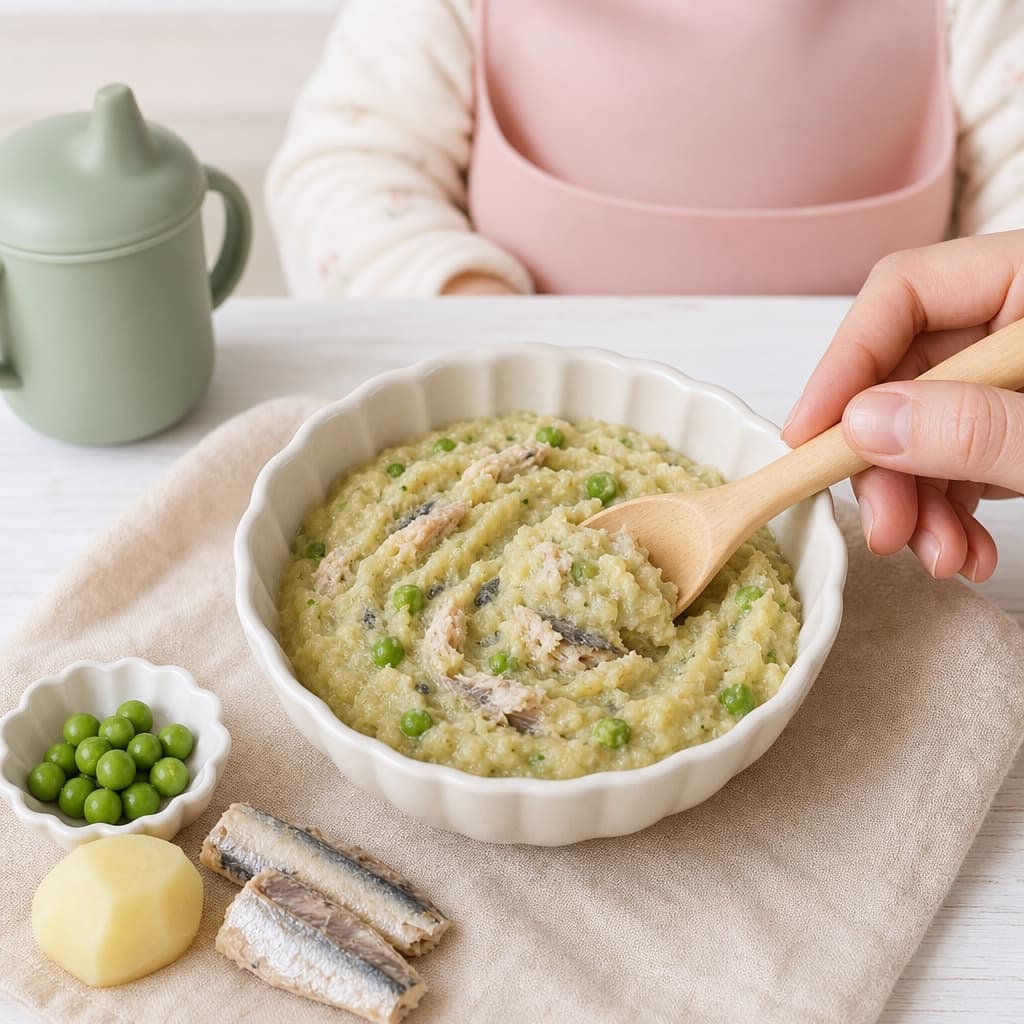
See all sardines recipes for babies. Explore baby breakfast recipes, baby-led weaning recipes and first foods for baby for more ideas.
Related Guides
Frequently Asked Questions
Is Sardines a common allergen?
Some babies may be allergic to Sardines. Introduce Sardines carefully when babies start solids and watch for reactions.
What nutrients does Sardines provide for babies?
Sardines provides nutrients like calcium, protein that support babies' growth and development.
Sources & References
This guide is informed by current guidelines from leading health organizations:
- ●FDA - Mercury Levels in Fish FDA
- ●FDA — Selecting and Serving Fresh and Frozen Seafood Safely FDA
- ●NHS - Preparing Food Safely for Babies NHS
- ●NHS - Food Allergies in Babies NHS
- ●NHS - Your Baby's First Solid Foods NHS
- ●NHS - Foods to Avoid Giving Babies NHS
