When can babies eat parsnip?
Parsnip can be introduced from around 6 months, when your baby shows the usual readiness signs: sitting up with little or no support, good head and neck control, losing the tongue-thrust reflex that pushes food back out, and showing interest in what you are eating. There is no need to wait beyond this point, and parsnip is a gentle, naturally sweet first vegetable that many babies enjoy. Because it is not a common allergen, you do not need to introduce it any earlier or later than other everyday vegetables.
Whether you start with traditional spoon-fed purees or follow a baby-led weaning approach, parsnip adapts well to both. The key is always cooking it until very soft and matching the texture and shape to your baby's stage. As with any new food, it helps to offer parsnip on its own for the first time or two so you can watch how your baby responds, then move on to combining it with other foods your baby already eats.
How to serve parsnip safely
From 6 to 9 months, cook parsnip until it is completely soft and offer it as a smooth puree, or steam and cut it into thick, finger-length batons that are soft enough to squash between your fingers. A baton roughly the size of an adult finger gives your baby something easy to grip and gnaw on, with a little sticking out above the fist. Avoid serving raw or firm, bite-sized chunks at this stage, because hard, round, or coin-shaped pieces are a choking risk for young babies.
From 9 to 12 months and beyond, as your baby develops a pincer grasp, you can move to smaller, soft, diced pieces of well-cooked parsnip that they can pick up between thumb and finger. Always make sure each piece is soft enough to mash easily and is not a firm whole chunk. Roasting brings out parsnip's natural sweetness, but check that roasted pieces are tender rather than crisp or stringy, and cut them into manageable sizes for your baby's age.
Nutritional benefits for babies
- 💚Provides dietary fiber to support healthy, regular digestion
- 💚A source of vitamin C, which helps the body absorb iron from other foods
- 💚Contains folate, important for growth and developing cells
- 💚Offers potassium, which supports normal fluid balance and muscle function
- 💚Naturally sweet flavor that makes it an easy, appealing first vegetable
- 💚Supplies slow-release carbohydrate for steady energy
Safety considerations
- ✓Parsnip is not a common allergen, but introduce it on its own at first so you can watch for any reaction before mixing it with other foods.
- ✓Always cook parsnip until very soft, and serve it in age-appropriate shapes: smooth puree or squashable batons for younger babies, soft diced pieces once the pincer grasp develops.
- ✓Avoid raw, firm, round, or coin-shaped pieces, which are choking hazards; every piece should mash easily between your fingers.
- ✓Always stay within arm's reach and supervise your baby closely during every meal, and make sure they are sitting upright, not reclined or moving around.
- ✓Introduce one new food at a time, waiting a couple of days before adding another, so any reaction is easier to trace.
Recipes with parsnip for babies
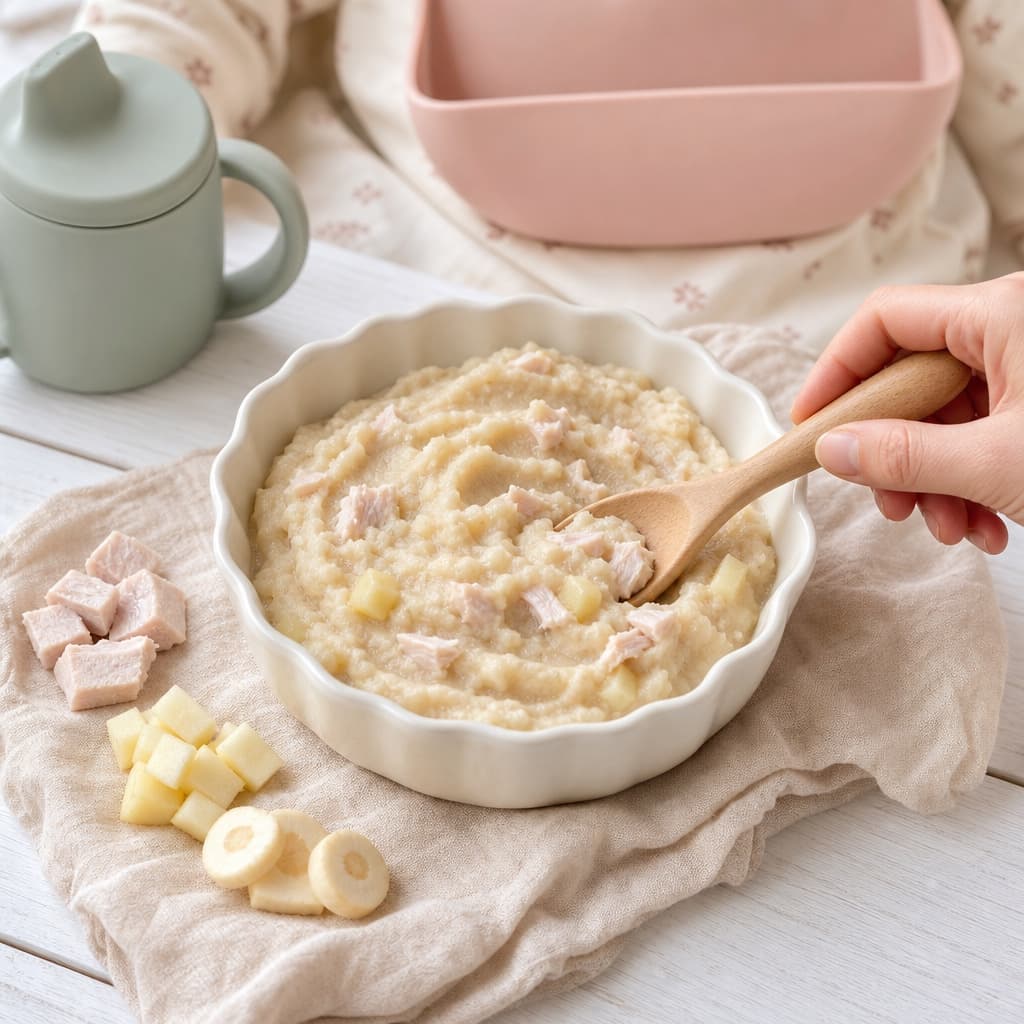
Turkey Apple Parsnip Bowl
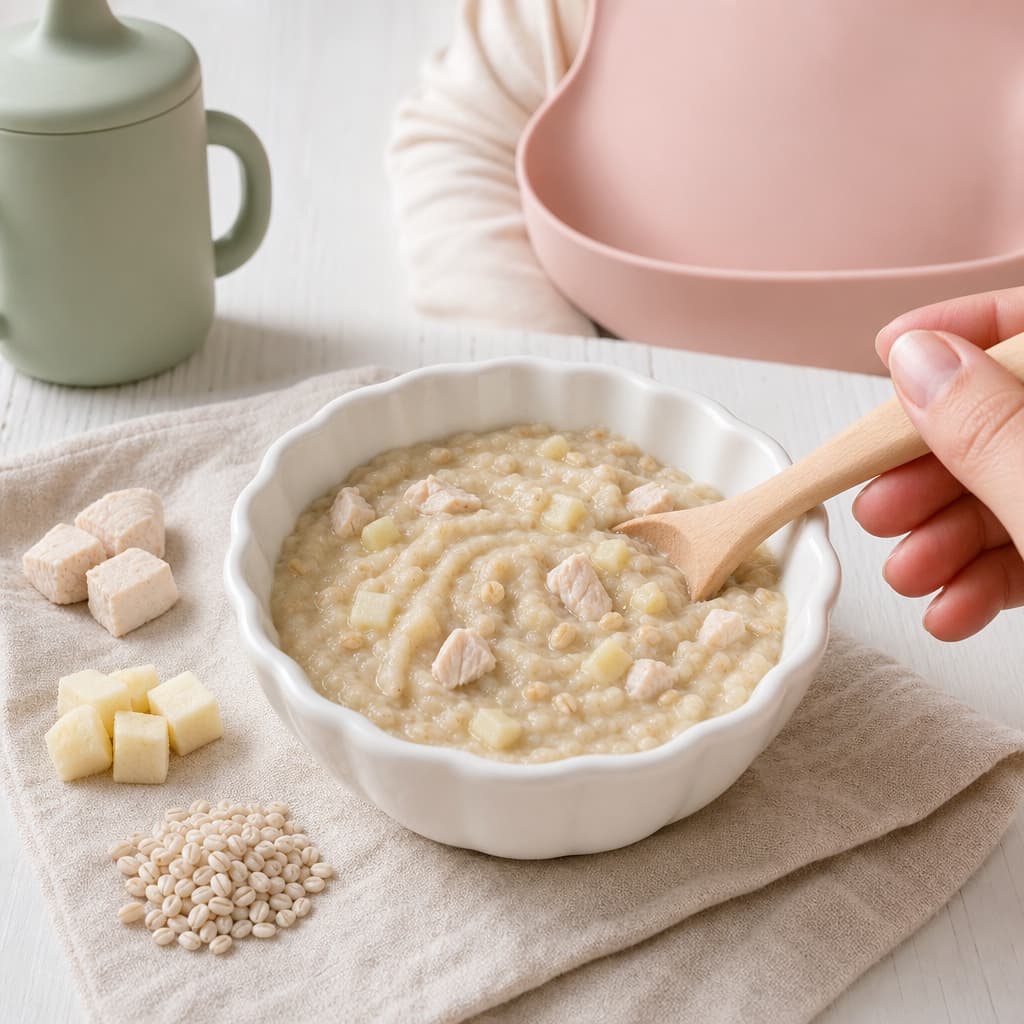
Chicken Parsnip Barley Bowl
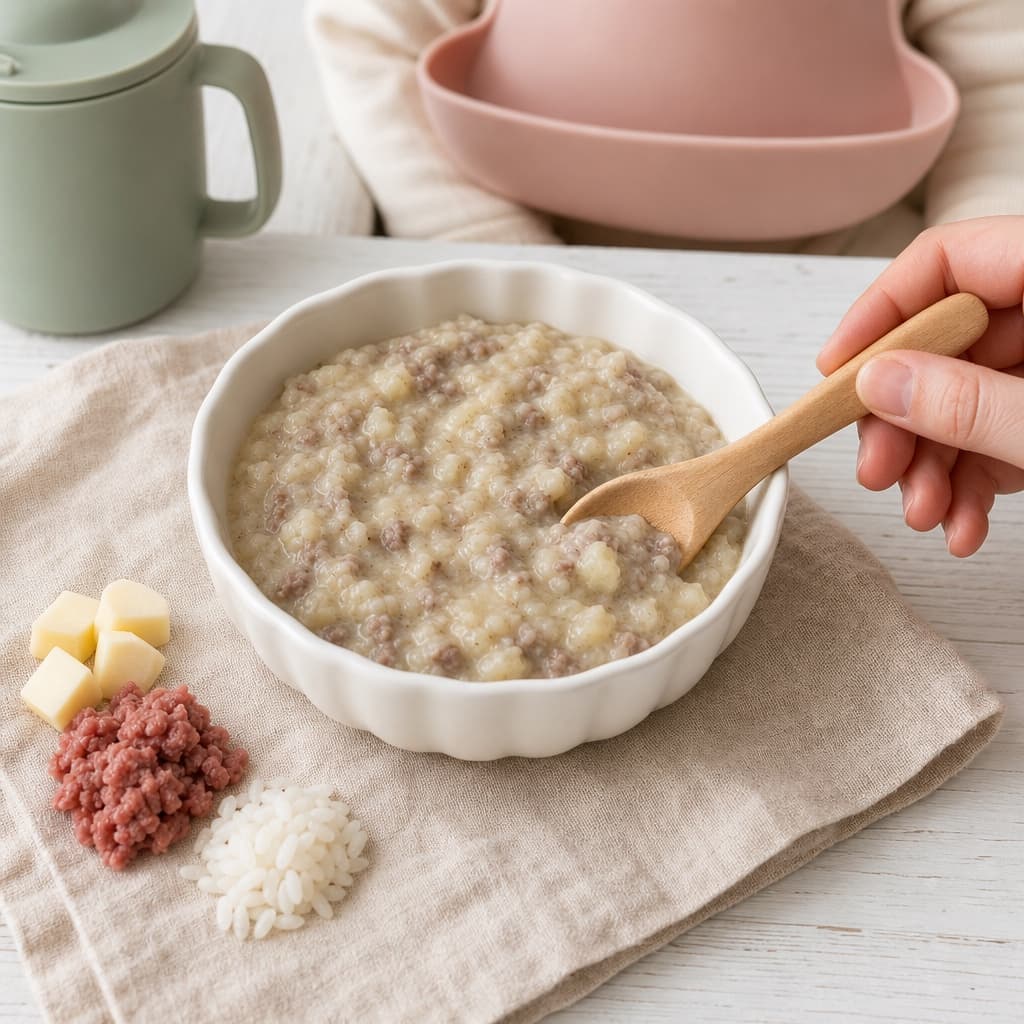
Beef Parsnip Rice Bowl
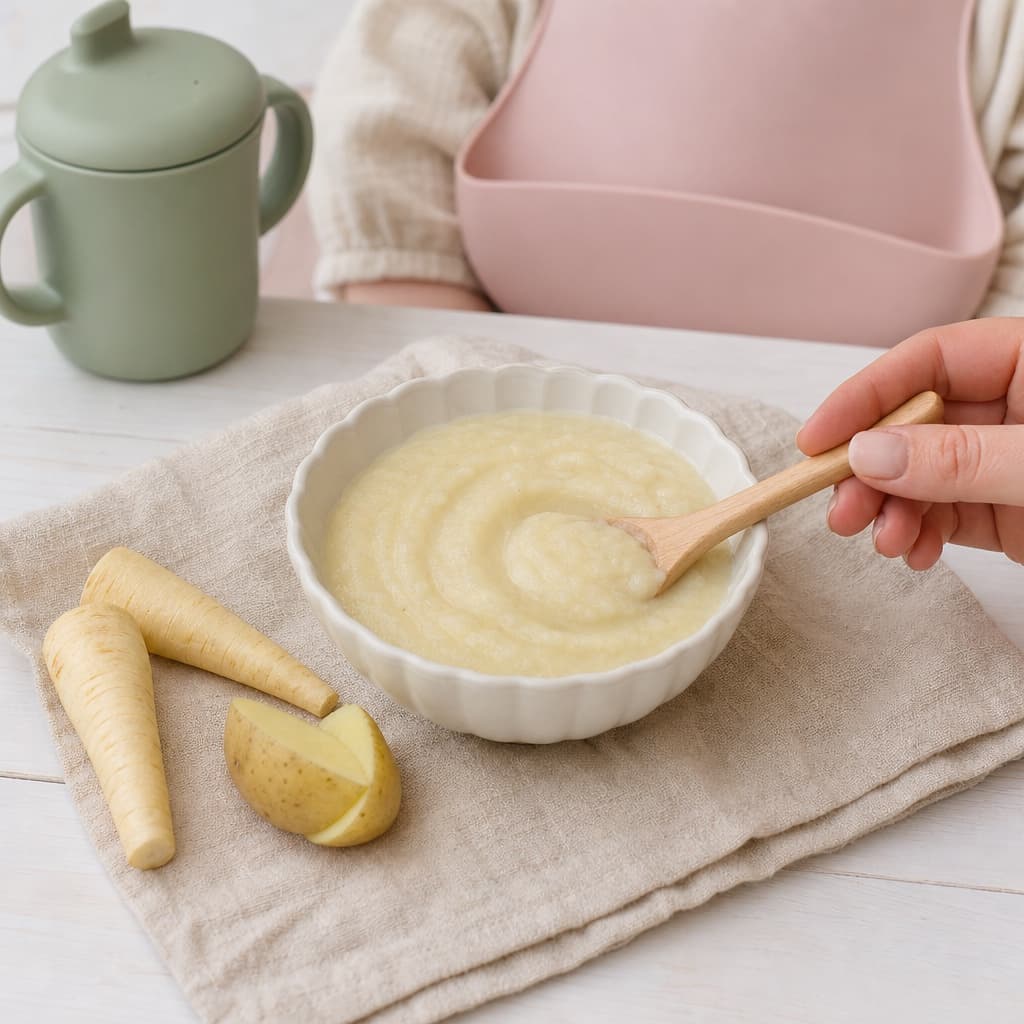
Creamy Parsnip Soup
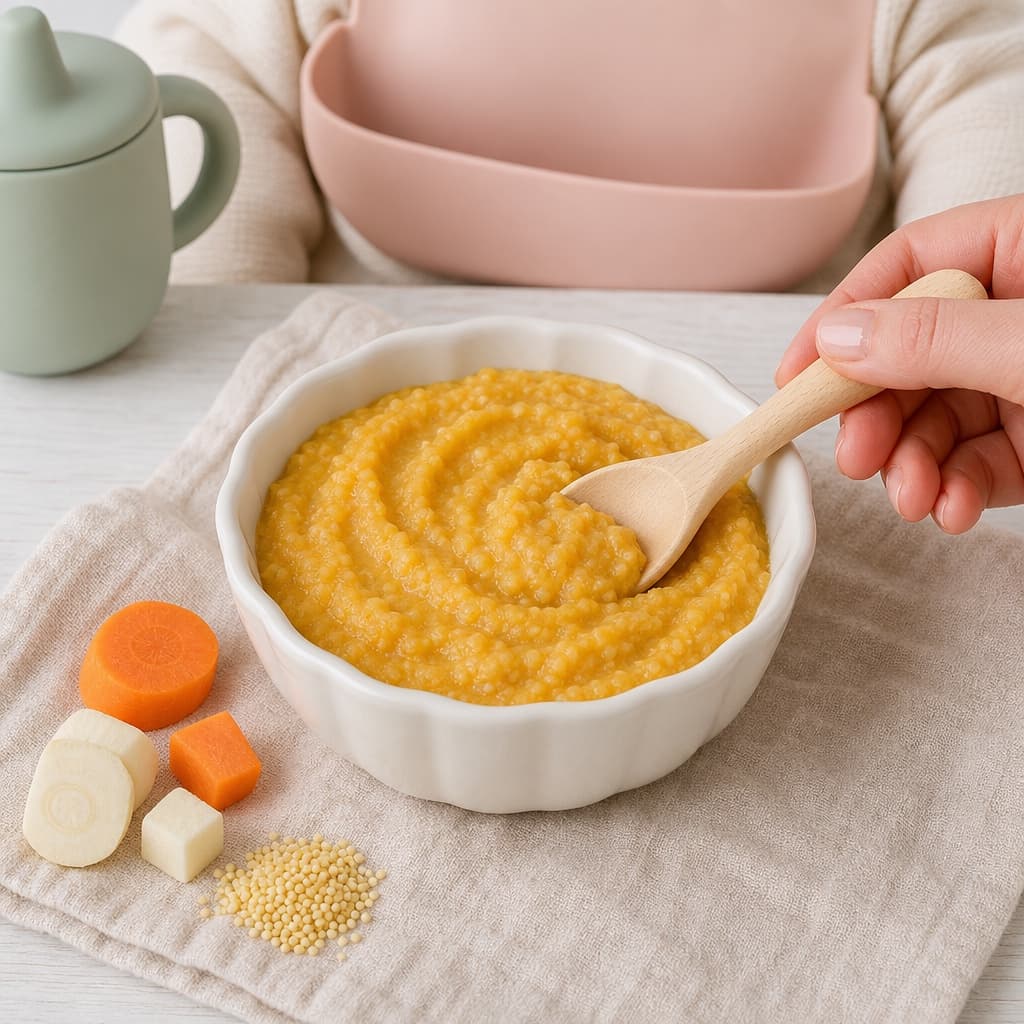
Carrot Parsnip Millet Mash
Frequently asked questions
Can babies eat parsnip at 6 months?
Yes, parsnip is suitable from around 6 months once your baby shows signs of readiness for solids. Cook it until very soft and serve it as a smooth puree or a soft finger-length baton. It is naturally sweet, which makes it a gentle introduction to vegetables.
Is parsnip a choking hazard for babies?
Parsnip can be a choking hazard if it is served raw or in firm, round, or bite-sized chunks. Cooking it until soft and cutting it into the right shape for your baby's age greatly reduces the risk. Every piece should be soft enough to squash easily between your fingers, and you should always supervise meals.
How do I cook parsnip for my baby?
Steaming, boiling, or roasting until the parsnip is completely tender all work well. Steaming and boiling help keep it soft and easy to mash, while roasting brings out its natural sweetness. Whichever method you choose, check that the pieces are soft and not crisp or stringy before serving.
Can I give my baby parsnip puree?
Yes, parsnip puree is a great early option, especially from around 6 months. Simply cook the parsnip until very soft, then blend it smooth, adding a little of your baby's usual milk or the cooking water to loosen the texture. You can also mix it with other vegetables your baby already eats.
Is parsnip a common allergen?
No, parsnip is not one of the common food allergens, so there is no need to delay introducing it. As with any new food, offer it on its own for the first time or two and watch how your baby responds. Allergic reactions to parsnip are uncommon.
Can babies eat roasted parsnip?
Yes, babies can eat roasted parsnip as long as it is cooked until soft rather than crisp or hard. Roasting enhances its sweetness, which many babies love. Cut roasted parsnip into age-appropriate shapes and check that each piece is tender and easy to mash before serving.
What can I mix with parsnip for my baby?
Parsnip pairs well with other soft-cooked vegetables and fruits your baby already enjoys, such as carrot, sweet potato, pear, or apple. These combinations balance its natural sweetness and add variety. Just be sure each food has been introduced separately first so you can track any reactions.
Get recipes + a feeding plan for your baby
Save this food to your baby's list, get age-appropriate recipes and follow a personalized feeding schedule - 350+ baby-safe meals in the app.
verifiedSources & References
This guide is informed by current guidelines from leading health organizations: